
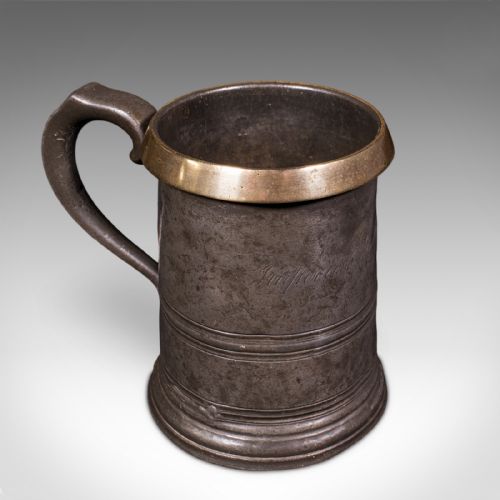


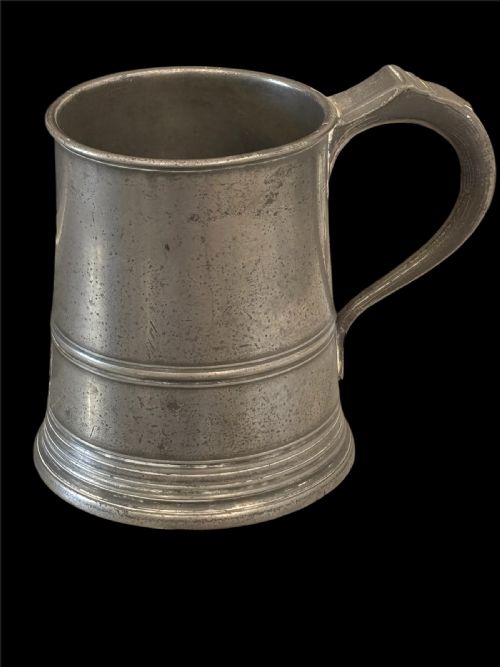

English Pewter Vessel
An english pewter vessel carries the quiet weight of centuries past, offering a tactile connection to historic taverns, homes, and design movements.
English Pewter Vessel
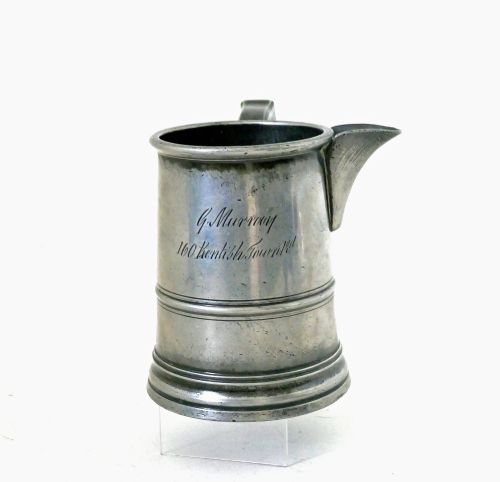
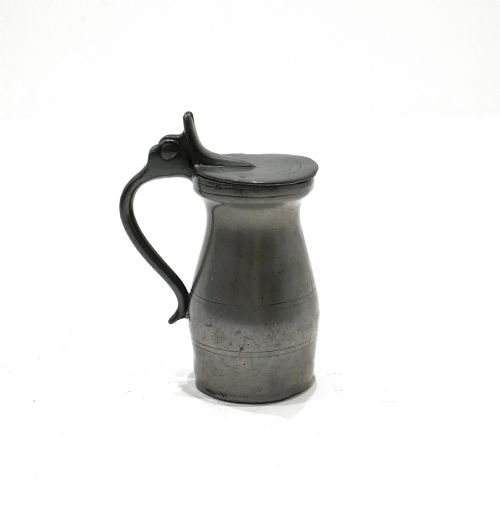
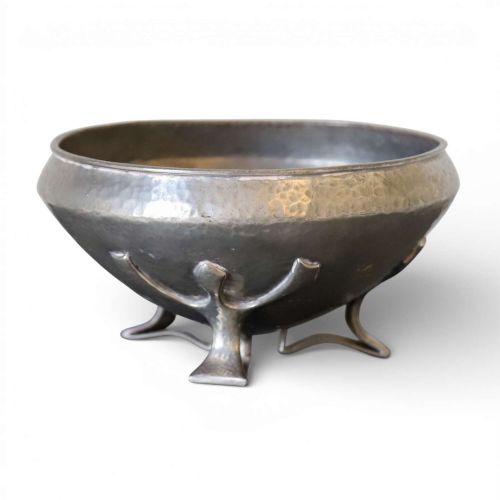
An english pewter vessel encompasses a diverse range of utilitarian and decorative objects, including tankards, flagons, ale jugs, spirit measures, and bowls.
Buyers will frequently encounter examples spanning from the Georgian and Victorian eras through to the distinct styles of the Arts and Crafts movement.
These pieces served practical roles in domestic life and public houses, evolving from strictly functional tavern gear into coveted artistic tableware.
Materials and Craftsmanship
Metalworking techniques form the core of these items, utilising pewter alloy shaped by casting, hammering, and soldering.
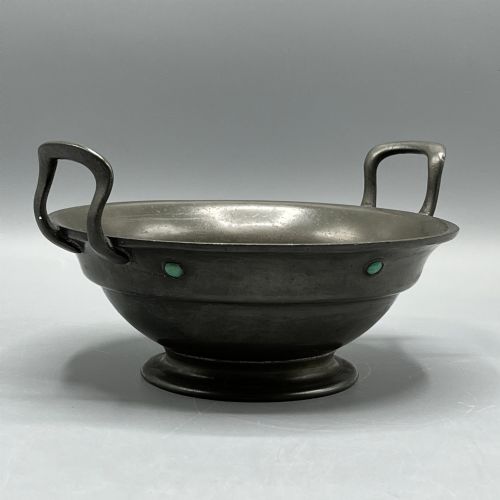
Selected vessels incorporate complementary elements such as glass inserts and brass details, whilst specific Arts and Crafts designs feature inset cabochons.
Moulders and metalsmiths relied on traditional forming methods to build sturdy walls and functional lids suited for daily handling.
Some public house tankards carry old ownership scratch marks from drinkers who clearly did not trust their fellow patrons to return borrowed ale.
Assessing Distinction
Distinction rests on the clarity of maker marks, the crispness of relief moulding, and the proportional balance of handle and spout.
Tavern pieces subjected to heavy daily wear contrast with carefully preserved display items, showing different degrees of surface preservation.
Design integrity and association with notable retailers or makers elevate individual vessels above standard workshop output.
Liberty & Co·Oliver Baker·Archibald Knox·Frederic Sanders·Robert Iles·Burgum and Catcott·Charles Meigh
The English Pewter Vessel Glossary
- Flagon
- A large vessel with a handle and lid, historically used for holding liquids such as ale or wine. These often feature distinctive spire or flat lids.
- Spirit Measure
- A standardised container designed to gauge exact volumes of liquor for trade or domestic consumption. They often bear official verification stamps.
- Porringer
- A small, shallow bowl with one or two horizontal handles, used historically for porridgelike foods or as a basin. They appear in domestic settings and Arts and Crafts collections.
- Cabochon
- A gemstone polished rather than faceted, frequently set en cabochon into metalwork to provide a splash of colour. They are characteristic of Tudric metalwork.
- Tudric
- The trade name used by Liberty & Co for their range of pewterware produced during the early twentieth century. These pieces often reflect organic Arts and Crafts motifs.
English Pewter Vessel: Frequently Asked Questions
What is an english pewter vessel?
An english pewter vessel is a historic item made primarily from tin alloy, designed for holding beverages or serving food in domestic and public settings.
These pieces range from plain tavern tankards to ornate decorative bowls and decanters from the Arts and Crafts period.
How were these vessels used?
They functioned primarily for serving and consuming ale, wine, and spirits in homes, inns, and public houses across Britain.
Many smaller examples acted as precise measures for trade, while others fulfilled decorative roles on sideboards and tables.
How do I care for pewter?
Pewter requires gentle cleaning with mild soap and warm water, followed by immediate drying with a soft cloth to protect the metal finish.
Avoid aggressive metal polishes that strip away the soft historic patina accumulated over decades or centuries of use.
How do I identify different periods?
Stylistic shifts provide key clues, moving from the plain utility of Georgian flagons to the ornamental cabochons of Arts and Crafts Tudric pieces.
Maker marks, touchmarks, and engraved tavern names further help pinpoint the exact decade of manufacture.