

Antique Metalwork Bowl
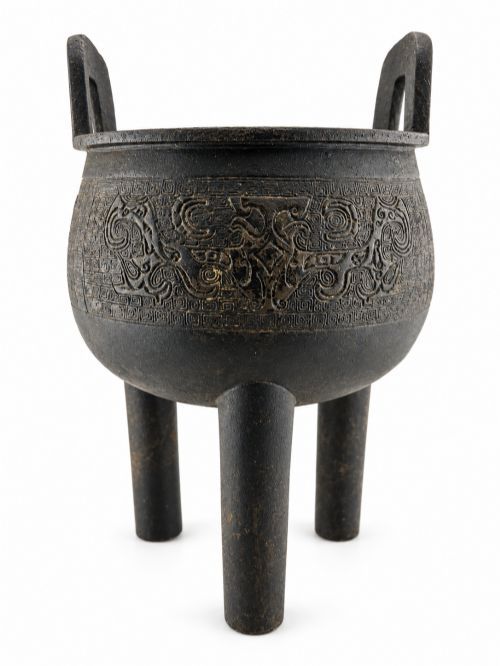
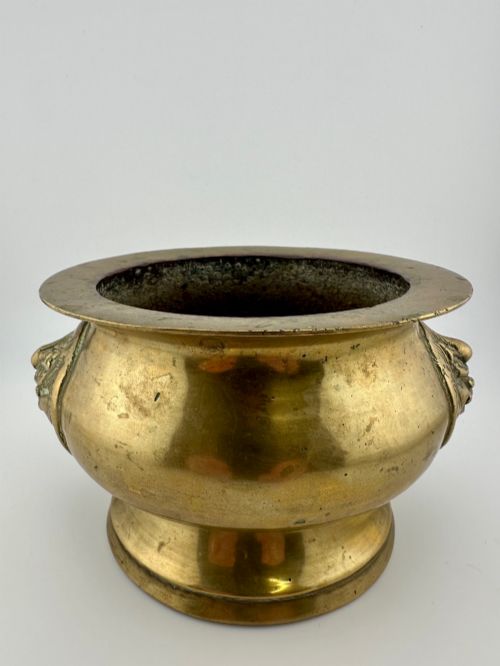
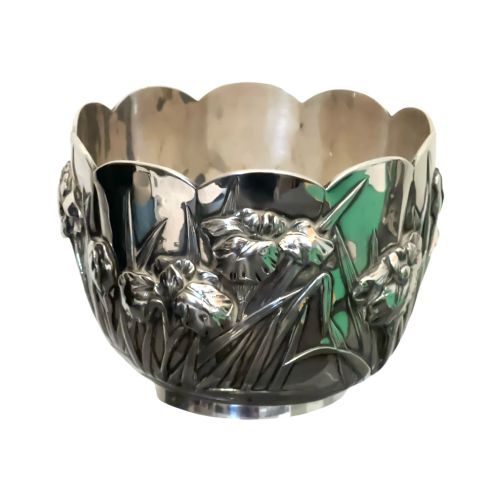
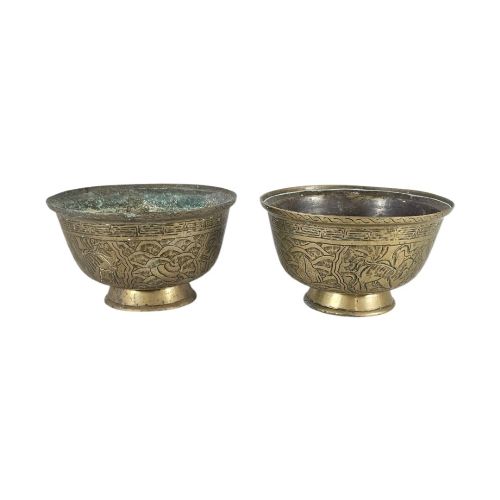
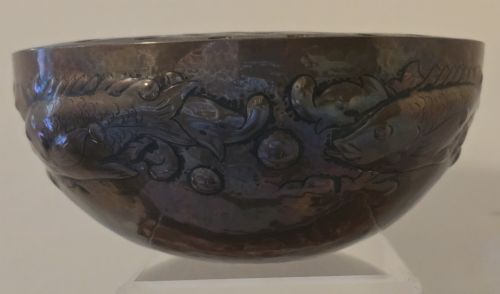
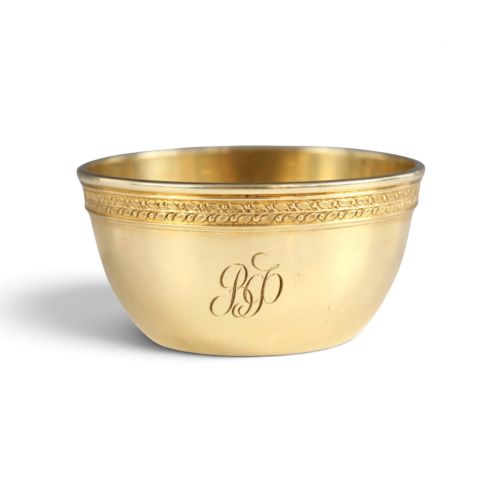
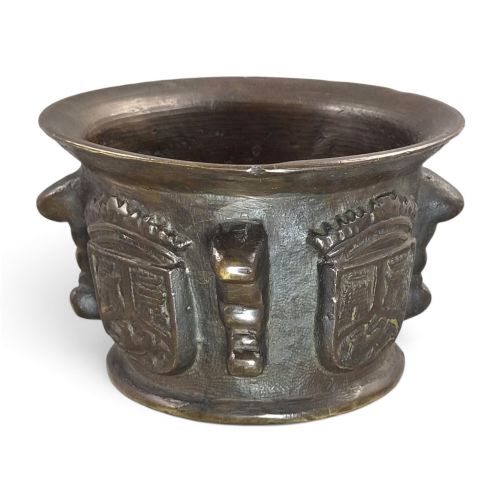
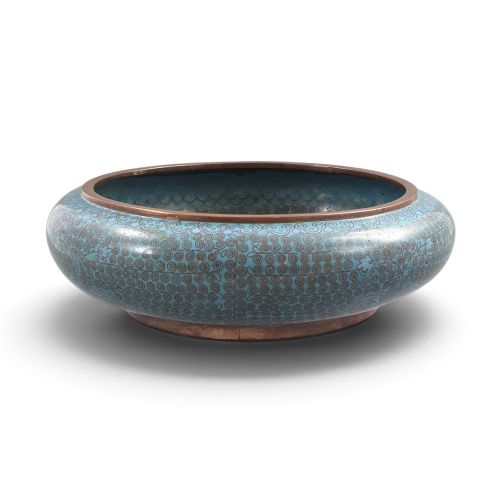
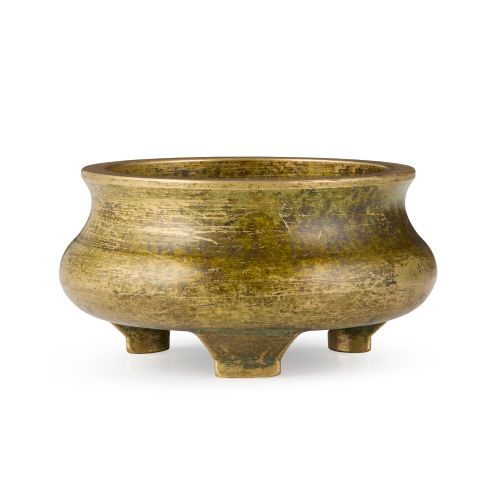
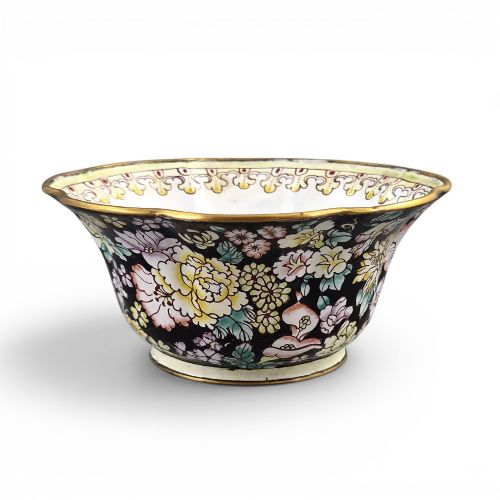
An antique metalwork bowl brings substance to a room through centuries of skilled hammering, casting and chasing.
Antique Metalwork Bowl
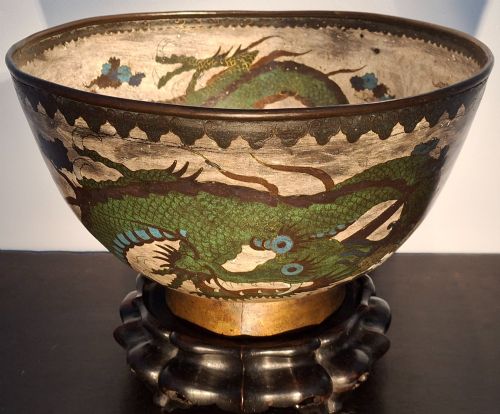
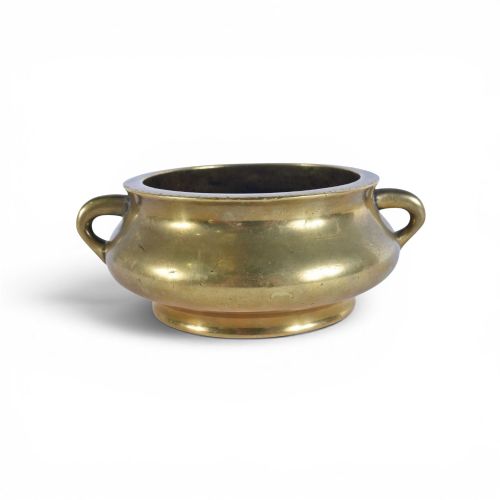
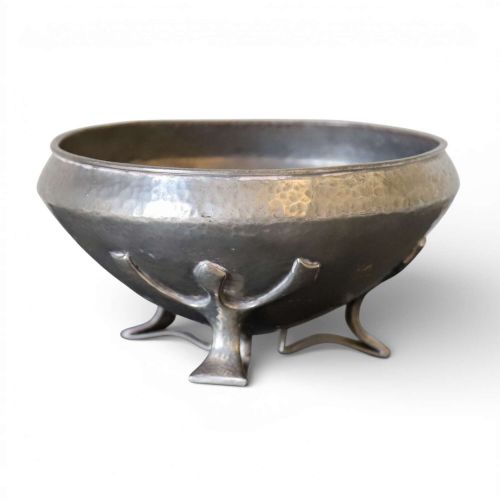
Origin points stretch from Victorian Britain and Georgian Europe to Qing Dynasty China, the Japanese Meiji and Edo periods, and Islamic workshops in Persia, Egypt and Syria. You will find domestic Arts and Crafts copper alongside heavy cast bronze temple vessels and delicate cloisonné enamel chargers.
Materials and Technique
Metalworkers employed casting, hand-hammering and spinning to form the body of each vessel. Bronze and brass were frequently poured into moulds before receiving intricate surface engraving, while copper and silver sheets were shaped by hand on stakes.
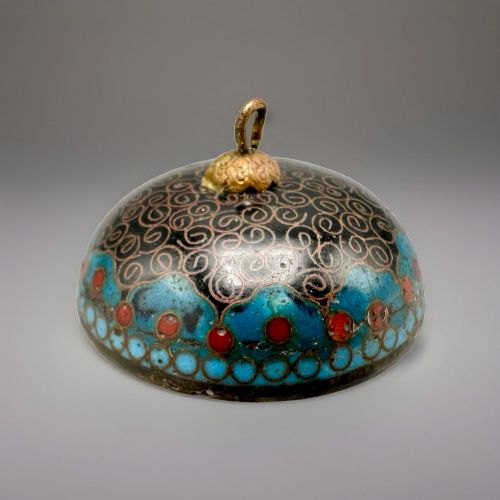
Decorative detailing involved specialist techniques such as silver inlay, champlevé and cloisonné enamel work, and patination achieved through chemical treatment or heat. Many pieces integrate applied elements like cast handles, feet, agate cabochons or glass liners.
Antique Metalwork Bowl Retail Price Guide 2026
Typical asking prices for metalwork bowl among the pieces listed under this phrase on Sellingantiques today, from the lower quarter to the upper quarter. They describe what is for sale here now, not the wider market.
Several Chinese bronze vessels bear Xuande marks applied centuries after the Ming emperor died, celebrating a golden age of casting.
Distinctions in Execution
Quality rests in the crispness of the casting, the precision of the surface engraving and the integrity of the metal structure. Superior examples display balanced proportions, confident hammer marks and harmonious patination rather than mechanical uniformity.
The distinction between workshop output and master production shows in the complexity of integrated elements, such as pierced lids, tight joints on fitted components, and deliberate restraint in decorative schemes.
Fabergé·Liberty & Co·Oliver Baker·Stephan Wekeva·W. Scott·Wu Bangzuo
The Antique Metalwork Bowl Glossary
- Patina
- The surface sheen and colour acquired by metal through age, handling and oxidation. This natural layer accumulates over decades and serves as an indicator of authenticity.
- Cloisonne
- A decorative metalwork technique where thin wire partitions are soldered to a metal base to create cells filled with enamel paste. These are then fired and polished flat.
- Censer
- A vessel designed for burning incense, typically raised on tripod feet and fitted with a pierced or openwork cover. Many historical examples originate from East Asian temple and scholar contexts.
- Tazza
- A shallow bowl or plate mounted on a stem and foot, often utilised for serving fruit or display. The form derives from Renaissance dining traditions.
- Repousse
- A metalworking method where the artisan hammers the reverse of a sheet to form a raised design on the front. Fine work involves subsequent chasing from the front to sharpen details.
Antique Metalwork Bowl: Frequently Asked Questions
How were antique metal bowls used originally?
These vessels served diverse roles ranging from household hygiene and dining to religious ritual and scholarly contemplation. Incense burners held aromatics in temples, while heavy basins managed water for washing.
Other forms functioned as centrepieces for dining tables or decorative containers for flowers and potpourri. Domestic copper and pewter pieces supported everyday tasks in European households.
Should I polish an antique brass or copper bowl?
Polishing antique metalwork removes the historical patina that accumulates over generations, which collectors generally prefer to preserve. Removing this dark oxidation can strip away subtle surface tones and reduce the visual depth of the piece.
Gentle cleaning with a soft cloth to remove dust is sufficient for maintenance. Aggressive chemical cleaning alters the surface character permanently.
How do I identify Japanese Meiji period bronze?
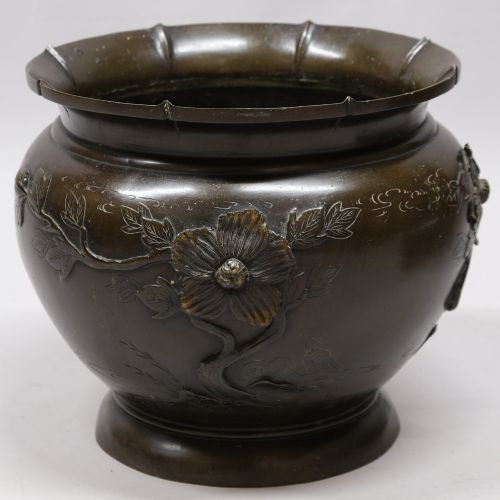
Meiji period bronzes frequently exhibit deep chemical patination, complex animal or floral motifs, and precise casting standards. Many pieces incorporate signature panels or stamps denoting the foundry or artist.
The forms often reflect traditional export tastes, ranging from large jardinieres to delicate chargers and vases produced after the opening of Japan to Western trade.
What is Islamic silver inlaid metalwork?
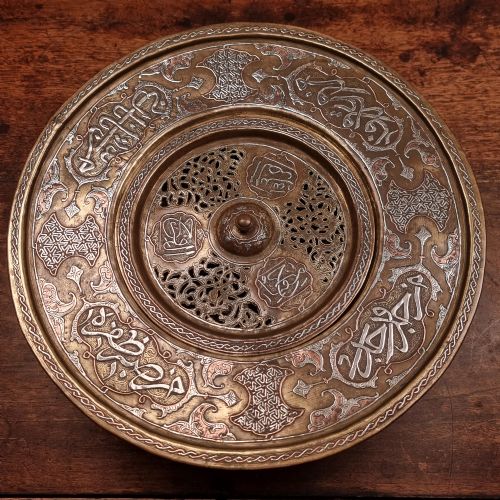
This tradition involves hammering fine silver wire or foil into shallow chiselled grooves cut into a brass or bronze body. Geometric bands, calligraphic inscriptions and scrollwork typically cover the surface of basins and dishes.
Workshops in regions such as modern Syria, Egypt and Persia specialised in this contrasting metallic decoration throughout the medieval and revival periods.