
Antique Metalware Vessel
These antique metalware vessels range from heavy bronze cauldrons to delicate copper coffee pots, bringing functional historical utility into modern spaces.
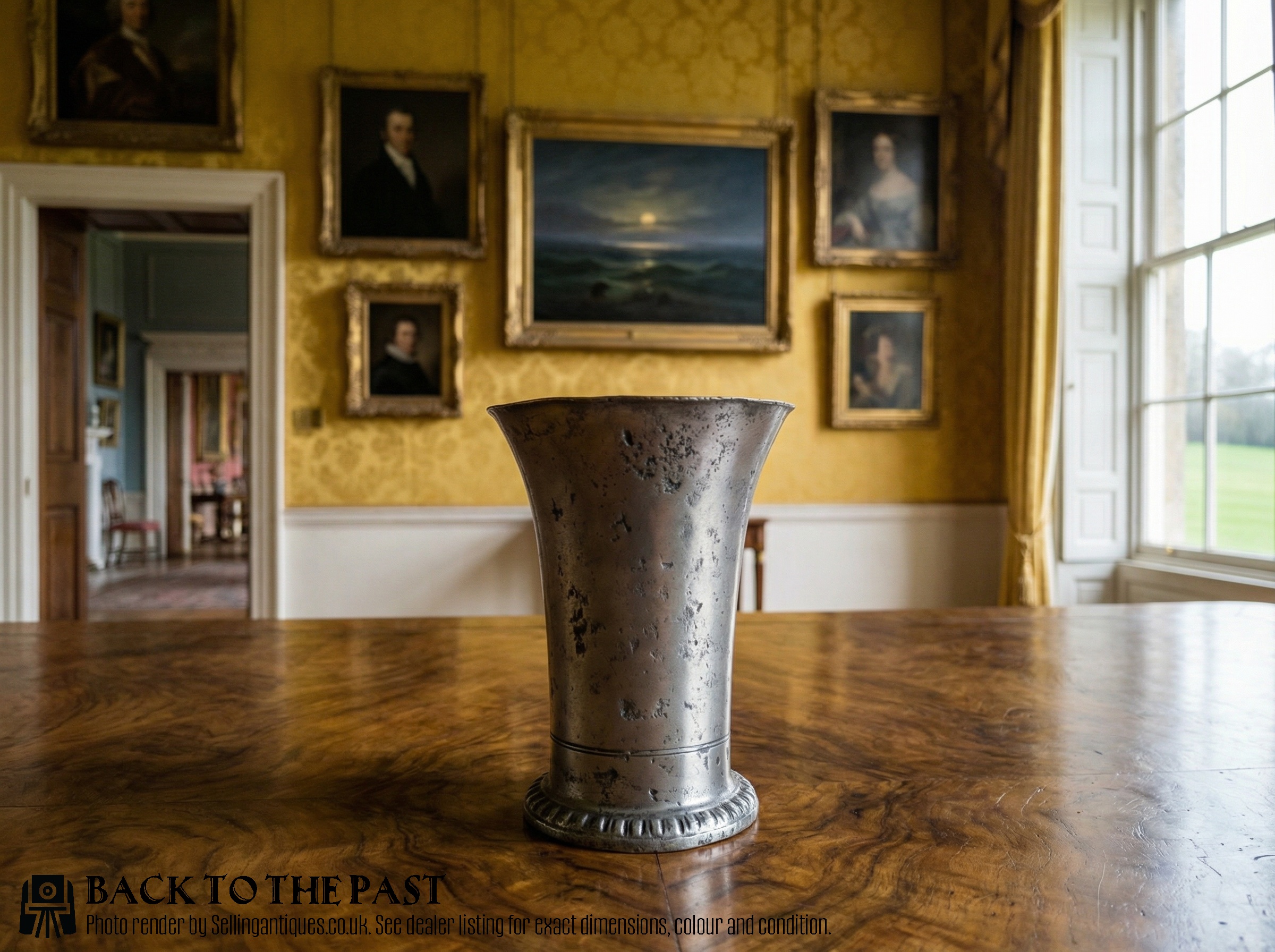
Antique Metalware Vessel
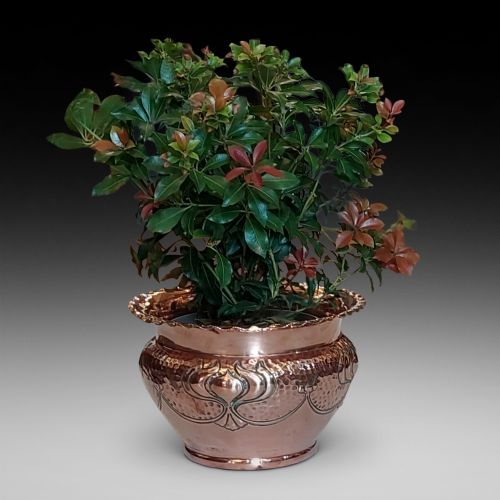
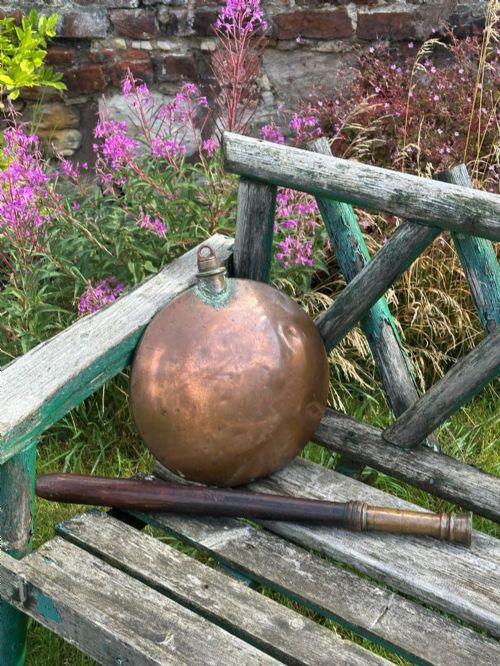
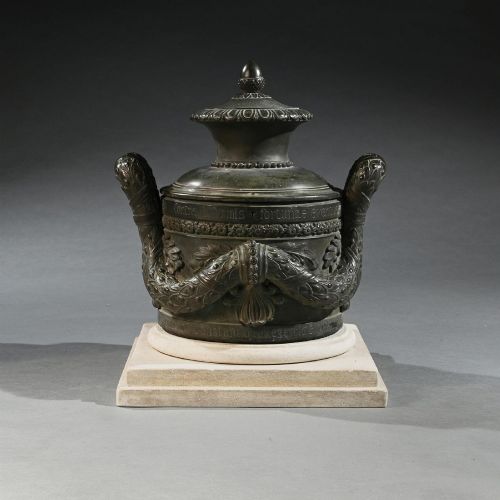
An antique metalware vessel encompasses domestic and ceremonial containers spanning several centuries, including copper kettles, pewter jugs, and bronze censers. These objects originate from English, European, and Asian workshops, reflecting the diverse utilitarian and decorative needs of past households.
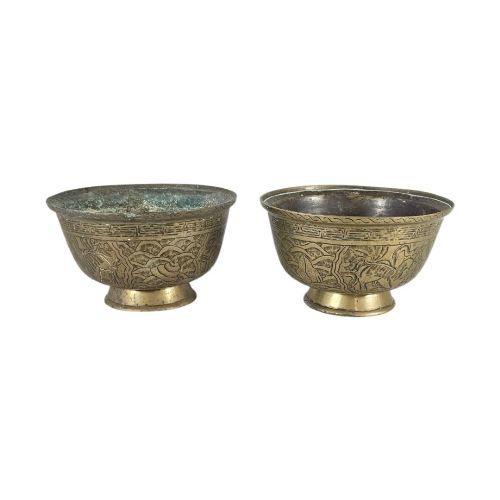
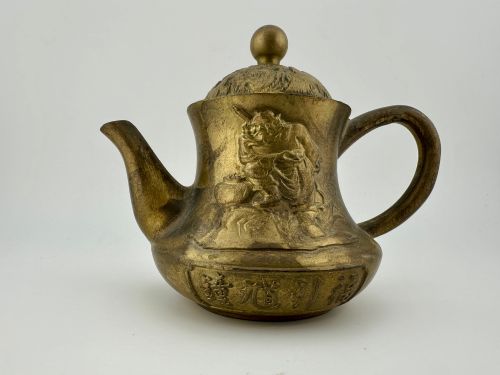
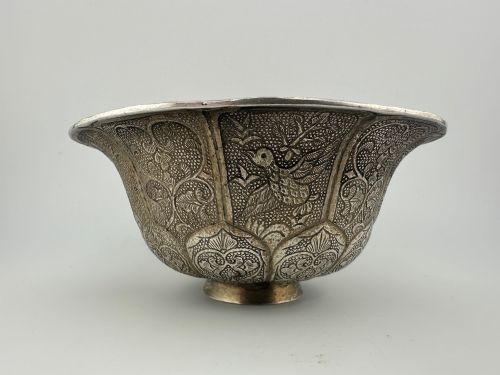
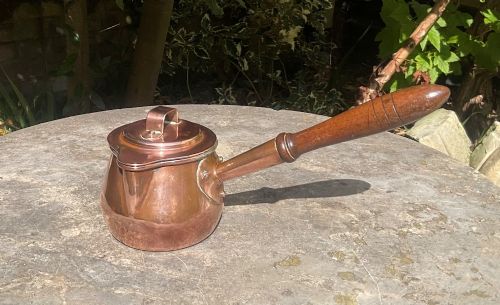
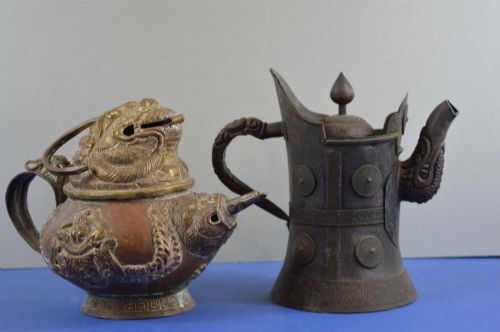
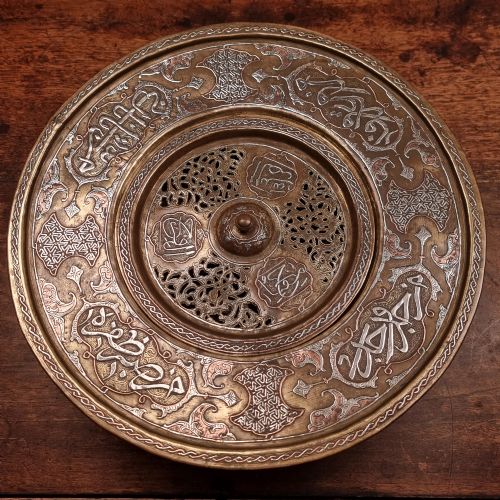
The pieces available here most frequently include 18th-century and 19th-century copper kitchenware, Victorian brass planters, and Arts and Crafts pewter bowls. Buyers encounter everything from Georgian brandy warmers and coffee pots to Tibetan tea vessels and Islamic wash bowls.
Materials and construction
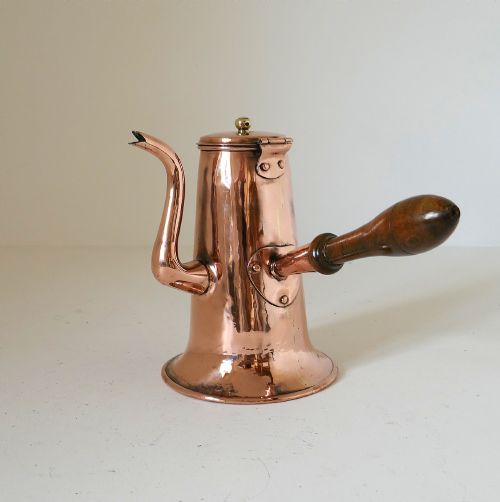
Coopers and metalworkers shaped these vessels using copper, brass, bronze, pewter, and Old Sheffield plate, often hammering sheets from single ingots or casting components separately. Handles frequently incorporate insulating materials such as wood or integrated metal brackets to manage heat.
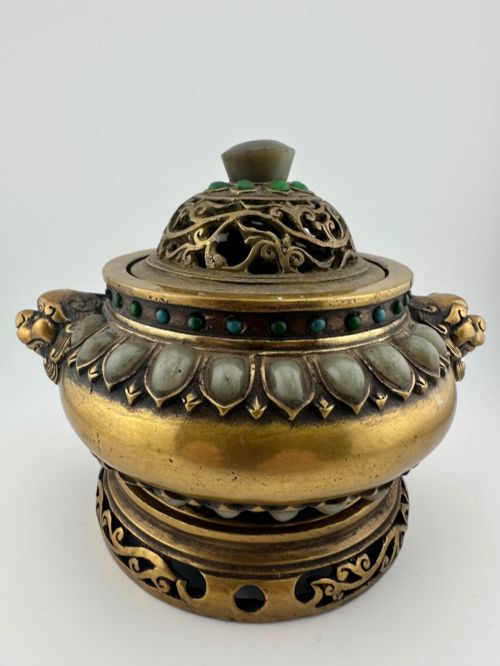
Decoration involved chiselling, engraving, champlevé enamel inlay, and hardstone setting, particularly in pieces from Asian, Middle Eastern, and European traditions. Surface finishes range from polished brass and silver plate to patinated bronze and unpolished pewter.
Antique Metalware Vessel Retail Price Guide 2026
Typical asking prices for metalware vessel among the pieces listed under this phrase on Sellingantiques today, from the lower quarter to the upper quarter. They describe what is for sale here now, not the wider market.
Materials represented include copper, brass, bronze, pewter, silver plate, enamel, and wood.
Distinctions in quality
Quality rests upon the weight of the metal, the precision of the form, and the crispness of any applied surface decoration or maker's mark. Heavier gauge copper and cast bronze retain structural integrity and display superior hand-finishing compared to lighter, mass-produced counterparts.
The refinement of details, such as dovetailed seams on copper kettles, finely cast spouts, and secure joins on handles, separates standard utilitarian items from exceptional workshop productions.
Liberty & Co Tudric Pewter·William Soutter & Sons·Joseph Sankey·Oliver Baker
The Antique Metalware Vessel Glossary
- Cauldron
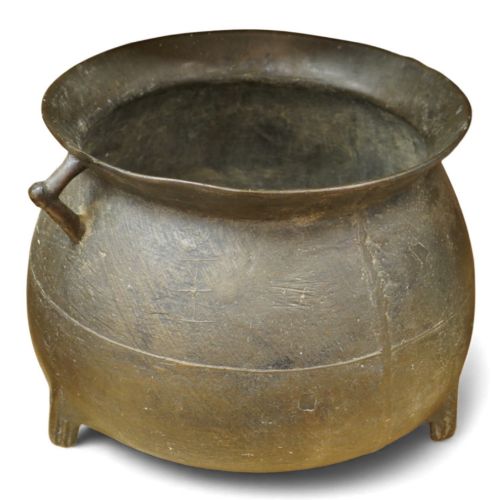
- A large metal pot with a rounded base and feet, used historically for cooking over an open fire. These heavy bronze examples date back to the seventeenth century.
- Censer
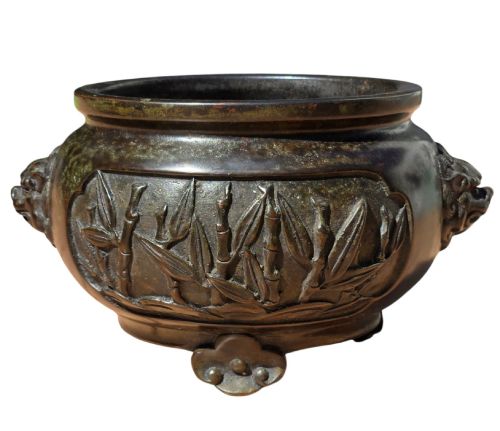
- A vessel designed for burning incense, frequently encountered in Chinese and Islamic metalware. They often feature perforated covers and intricate relief panels.
- Pewter
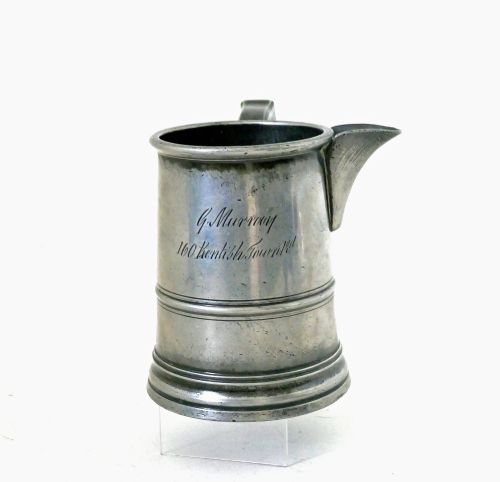
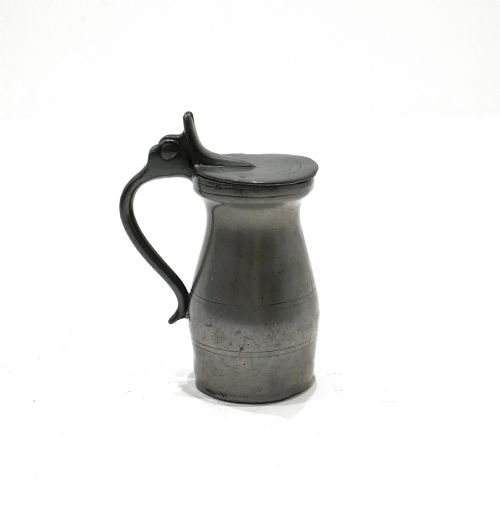
- A malleable alloy primarily composed of tin, historically utilised for tableware and drinking vessels like ale jugs and spirit measures. Its soft lustre deepens with age.
- Old Sheffield Plate
- A composite material formed by fusing a thin layer of silver to a copper base, developed in the eighteenth century for tableware such as mugs and urns.
- Argyle
- A vessel designed to keep gravy warm at the dining table by means of an internal hot-water jacket or cylinder. This uncommon form appears in silver plate and metalware.
Antique Metalware Vessel: Frequently Asked Questions
How were copper kettles used?
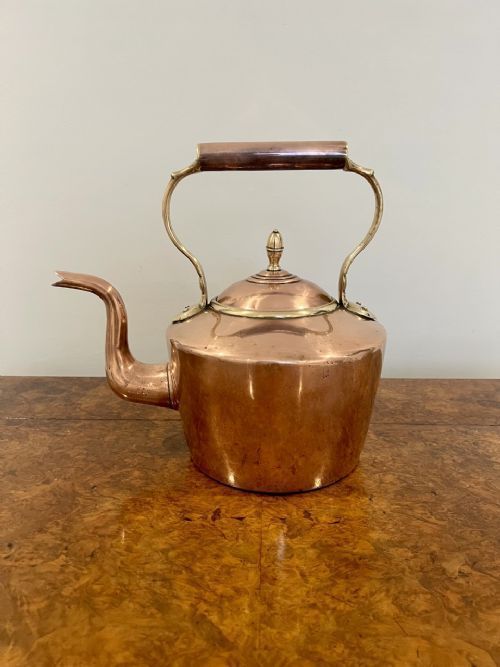
Copper kettles served as primary water-heating vessels on coal fires or kitchen ranges, sitting directly on hobs or hearths.
Their substantial metal construction allowed them to conduct heat efficiently for daily household tasks.
What is an ale jug?
An ale jug was a standard container for measuring, storing, and serving malt beverages in domestic and tavern settings.
Pewter versions often bear touchmarks and capacity stamps reflecting contemporary trade regulations.
How do I care for antique pewter?
Antique pewter requires minimal cleaning and should be kept dry to preserve its stable, dark grey patina.
Aggressive polishing removes historical surface character, so dusting with a soft cloth is usually sufficient.
Where were brass chocolate pots used?
Brass chocolate pots were utilised in wealthy households for preparing hot chocolate, which was a fashionable beverage during the Georgian period.
Their lids often featured small apertures for a stirring stick or molinet.