



Antique Copper Samovar
An antique copper samovar brings a sculptural centrepiece to a room, offering both historical utility and warm metallic tone.

Antique Copper Samovar
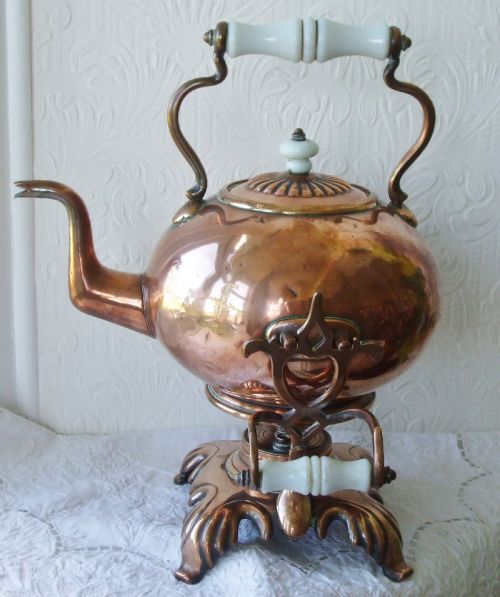
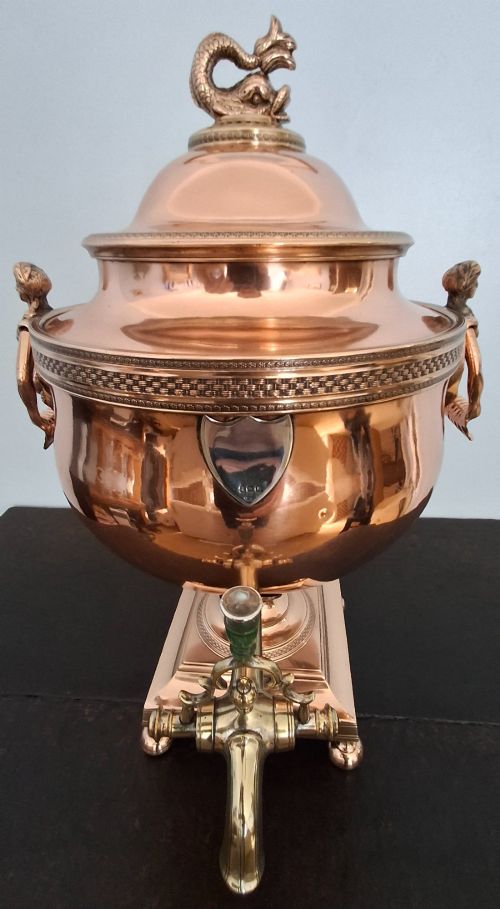
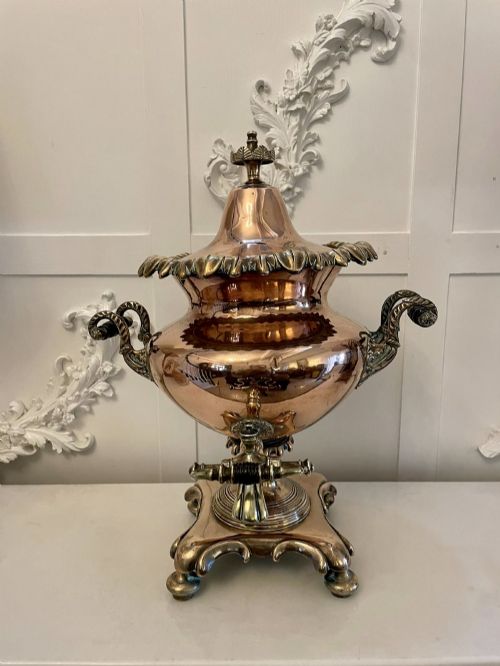
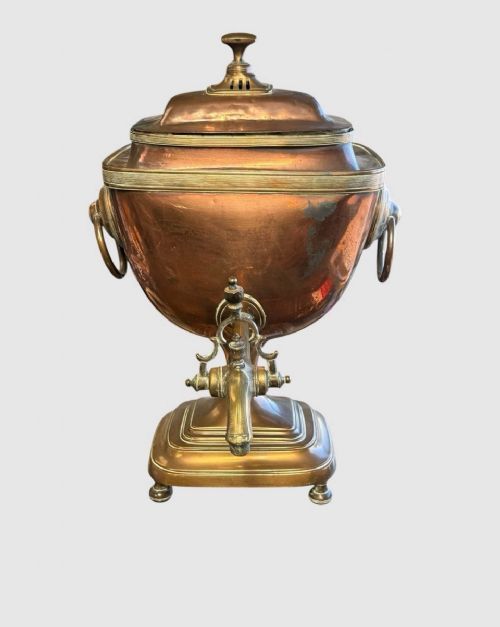
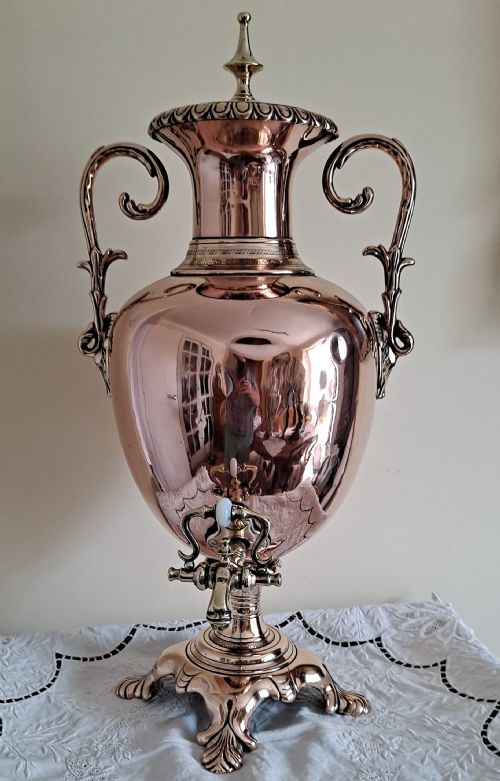
When you search for an antique copper samovar, you encounter vessels designed for heating and dispensing water for tea. These items appear primarily across the Georgian, Regency, and Victorian periods, reflecting shifting domestic tastes in beverage preparation.
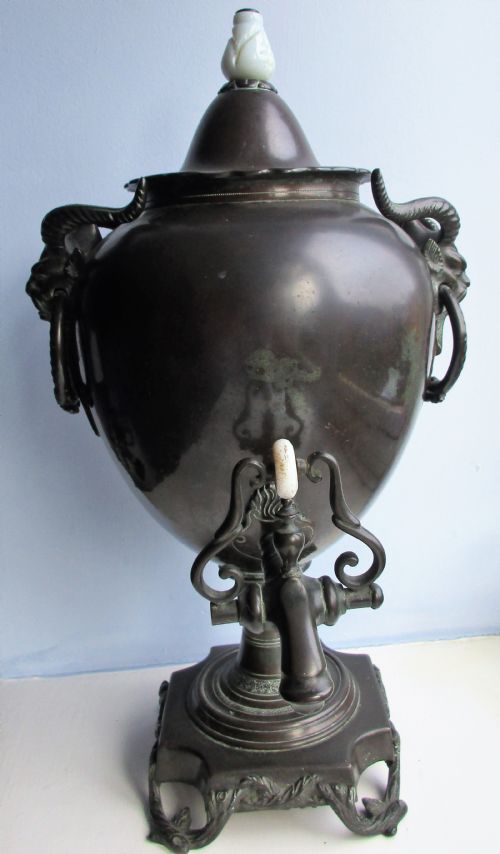
The versions most common on this page are English pieces taking the form of tea urns or water urns. You also meet occasional variations such as Japanese temple water dispensers and Kashmir bronze vessels.
The forms range from traditional globe shapes and hanging water urns to standard tea-urn configurations. They serve as decorative vessels as much as functional heating apparatus.
Materials and construction
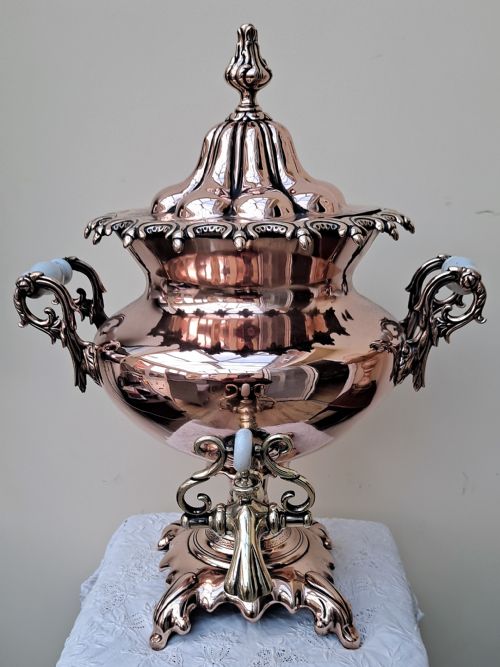
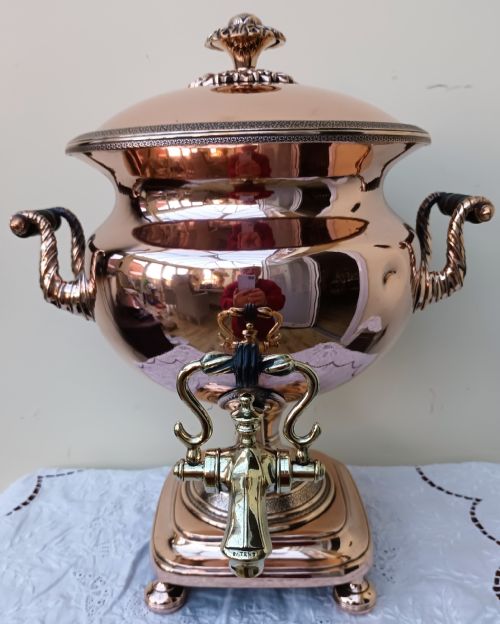
Makers constructed these vessels predominantly from copper, frequently combining the metal with brass for handles, spigots, and mounts. Some examples incorporate bell metal, bronze, iron, and patinated metal.
Details often include elements of bone, ceramic, wood, and ebonised wood on handles and spigot keys to insulate against heat. Certain Victorian items utilise Japanned finishes and Pontypool Ware techniques to decorate the metal surface.
Antique Copper Samovar Retail Price Guide 2026
Typical asking prices for copper samovar among the pieces listed under this phrase on Sellingantiques today, from the lower quarter to the upper quarter. They describe what is for sale here now, not the wider market.
Certain Victorian tea urns double as Japanned Pontypool Ware, proving that kitchen vessels could hold serious artistic flair.
Judging the standard of manufacture
The distinction between standard examples and top-tier pieces lies in the crispness of the casting and the integration of original fittings. Finer vessels display meticulous hand-beaten construction and robust mounts.
Ornate detailing, such as decorative bronzing or complex cloisonne enamel work, elevates certain examples above plain utilitarian tea urns. The presence of intact bone or wood insulators and original internal components also marks out superior items.
Benetfink & Co·Benham & Sons·Adams & Sons
The Antique Copper Samovar Glossary
- Samovar
- A heated metal container traditionally used to boil and heat water for tea. These vessels typically feature an internal central tube or heating element.
- Pontypool Ware
- A type of British Japanned metalware known for its glossy, painted finishes applied to iron or copper bases. It originated in Wales during the eighteenth century.
- Tea Urn
- A large vessel configured with a tap or spigot at the base for dispensing hot water. They function as larger counterparts to standard teapots.
- Bell Metal
- An alloy of copper and tin traditionally used for casting bells and durable vessel hardware. It provides a resonant, sturdy material for handles and spigots.
- Japanned
- A European imitation of Japanese and Chinese lacquer finishes applied to metal or wood objects. The technique involves layering dark varnishes and heat-curing the surface.
Antique Copper Samovar: Frequently Asked Questions
What is an antique copper samovar used for?
These vessels were historically utilised to heat and dispense water for brewing tea in domestic settings. They sat on tables or sideboards during social gatherings.
Today, collectors acquire them primarily as decorative display pieces or large metal vessels for historic interiors.
How do I date an antique samovar?
Dating relies on stylistic markers associated with Georgian, Regency, and Victorian design periods. Georgian and Regency examples often show clean neoclassical lines, whereas Victorian pieces incorporate heavier ornamentation.
Materials also offer clues, as specific Japanned finishes and specific brass mount styles align with mid to late nineteenth-century manufacturing trends.
Are all samovars made of copper?
While copper forms the primary body of the pieces listed here, makers frequently combined various metals. Brass appears regularly for taps, handles, and decorative trim.
Other materials such as bronze, bell metal, and iron also feature in the construction of specific regional or period examples.
How should I clean my samovar?
Maintaining these pieces generally involves gentle dusting and occasionally treating the metal surfaces to preserve the patinated finish. Harsh chemical polishes can strip historic patination from copper and brass.
Consulting a specialist conservator ensures the appropriate care methods for items featuring delicate finishes like cloisonne enamel or Pontypool Ware.