


Victorian Copper Urn
A victorian copper urn brings warmth and historic weight to a room, offering both practical water storage and striking metallic presence.

Victorian Copper Urn
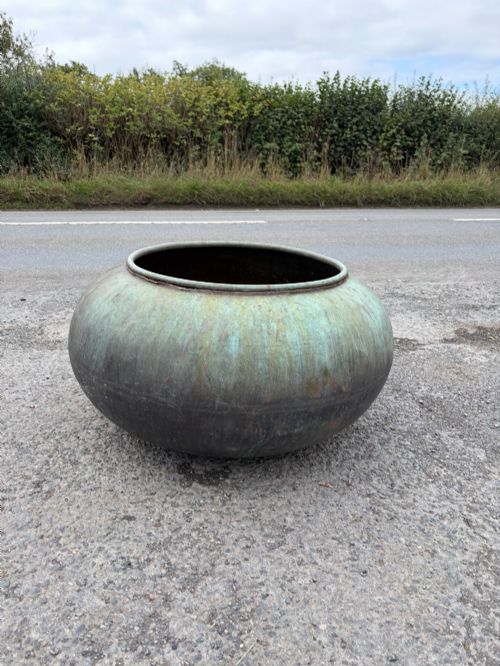
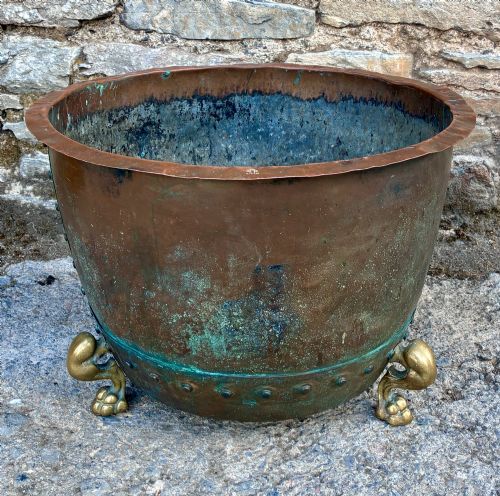
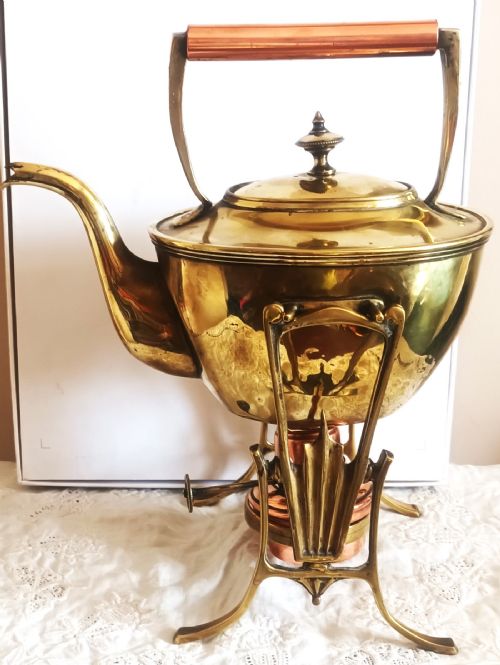
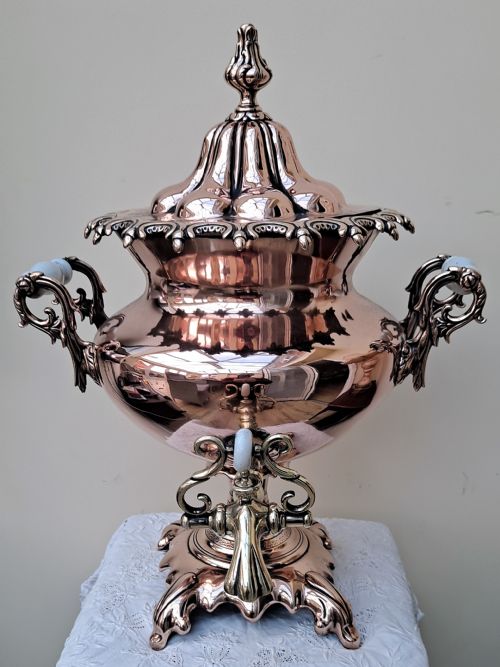
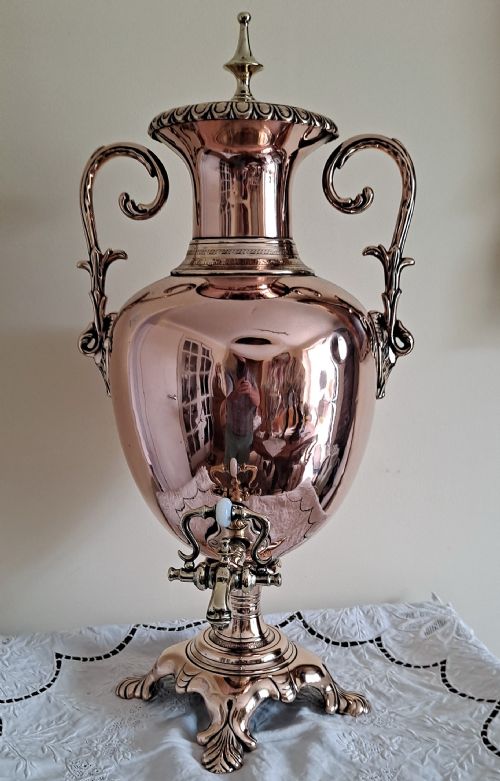
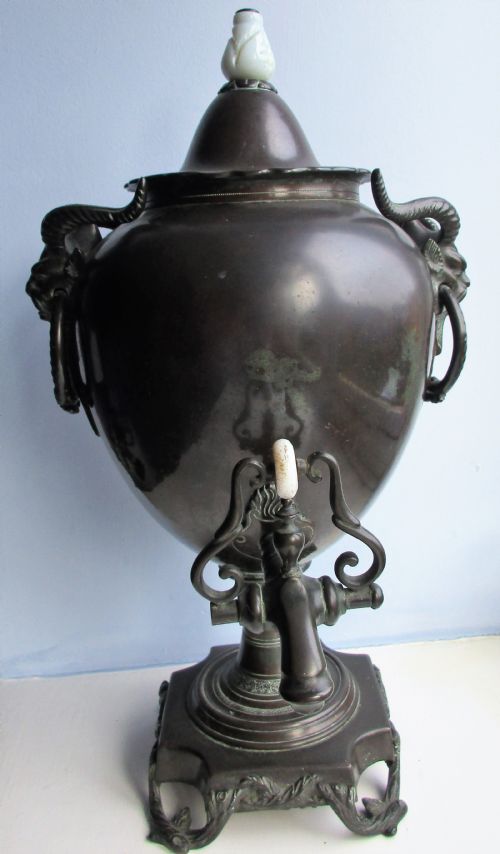
A victorian copper urn is a heavy metal vessel designed originally for heating or dispensing water, frequently taking the form of a samovar, tea urn, or spirit kettle. These pieces emerge primarily from the nineteenth century, spanning decades from eighteen fifty to nineteen hundred, and often incorporate brass handles, taps, or mounts. Buyers encounter various related forms on this page, including coal buckets, planters, and jardiniere stands.
The stylistic influences range from traditional Victorian neoclassical designs to rustic farmhouse examples and later Arts and Crafts interpretations. Many items arrive with specific functional additions, such as stands, spirit burners, or iron swing handles. The domestic interior of the period relied on these vessels for daily hospitality, combining utility with substantial visual weight.
Materials and construction
Makers constructed these vessels primarily from heavy gauge sheet copper, frequently hammering, riveting, or spinning the metal into shape. Brass provided a contrasting material for spigots, handles, finials, and mounts, adding structural rigidity and a warm golden tone against the red metal.
Details sometimes include components of bone, wood, ebonised wood, ceramic, and wrought iron, particularly on handles, knobs, and stands. Japanned finishes and Pontypool ware techniques appear on specific pieces, applying dark lacquers that created smooth, durable surfaces.
Victorian Copper Urn Retail Price Guide 2026
Typical asking prices for victorian copper urn among the pieces listed under this phrase on Sellingantiques today, from the lower quarter to the upper quarter. They describe what is for sale here now, not the wider market.
Listings feature copper, brass, bone, wood, ceramic, and wrought iron across nineteenth-century domestic forms.
Assessing quality and finish
Quality rests in the weight of the metal gauge, the crispness of the hand-beaten or riveted joints, and the integrity of the brass mounts. Superior examples display balanced proportions, clean hammering marks, and original components rather than later replacements.
The distinction between standard utility items and finer decorative pieces shows in the complexity of the casting on taps and handles. Pieces bearing specific maker attribution or specialised japanning demonstrate higher workshop standards.
William Soutter & Sons·Benetfink & Co·Benham & Sons
The Victorian Copper Urn Glossary
- Samovar
- A heated metal urn traditionally used to boil water for tea. These vessels typically feature an internal central tube for charcoal or a spigot at the base.
- Spirit Kettle
- A portable water kettle suspended above a small spirit burner on a metal stand. They allowed water to remain hot at the tea table.
- Pontypool Ware
- Japanned metalware originating from Pontypool, known for its durable layered lacquer finishes. It often presents a dark, glossy surface resembling Japanese lacquer.
- Jardineriè
- An ornamental pot or stand designed to hold plants or flowers. In metalwork, these often match the patinated copper aesthetic of tea vessels.
- Spigot
- A tap or faucet fitted near the base of an urn to control liquid flow. These brass or metal components often feature decorative turned handles.
Victorian Copper Urn: Frequently Asked Questions
What is a victorian copper urn used for today?
These vessels function primarily as decorative focal points in domestic interiors. Many collectors place them on sideboards, hearths, or tables to add historic character to a room.
Larger variants also serve successfully as umbrella stands, log buckets, or planters for indoor foliage, adapting nineteenth-century utility to modern homes.
How do I clean a victorian copper urn?
Dust the surface regularly with a soft, dry cloth to prevent grime accumulation. Avoid harsh chemical polishes that strip away historical patination.
Many collectors prefer leaving the aged, darkened oxidation intact rather than returning the metal to a bright, reflective shine.
Are these urns waterproof?
Original nineteenth-century vessels were soldered to hold heated water for tea service. Over time, internal seals and joints can dry out or develop microscopic fissures.
Testing the vessel with water before using it as a planter or vase prevents unexpected leaks on wooden furniture.
How do I distinguish Arts and Crafts pieces?
Arts and Crafts copper work emphasises hand-beaten textures, exposed riveted seams, and simpler geometric or plant-inspired motifs. These items typically feature less formal neoclassical ornament than mid-nineteenth-century examples.
The style prioritises visible craftsmanship and natural metallic patinas over high-gloss finishes.
What is Pontypool ware?
Pontypool ware refers to metal items finished with a specialised japanning process developed in Wales. This technique builds up layers of dark lacquer to create a smooth, hardwearing surface.
Such pieces often display subtle sheen and decorative detailing distinct from plain polished copper.