
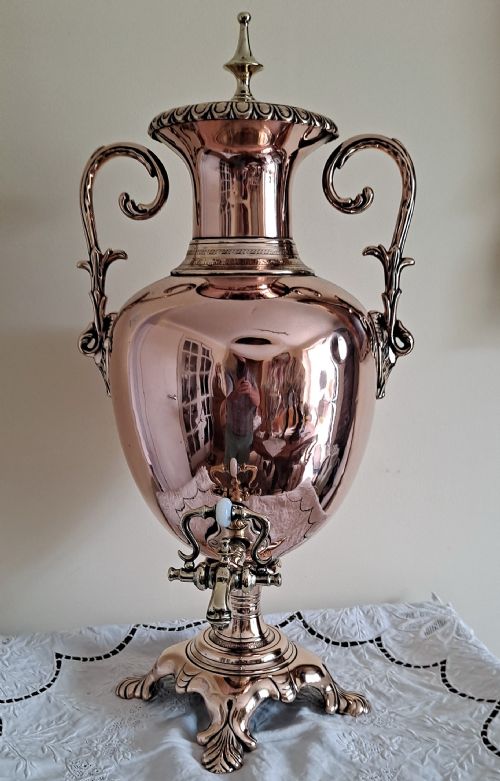
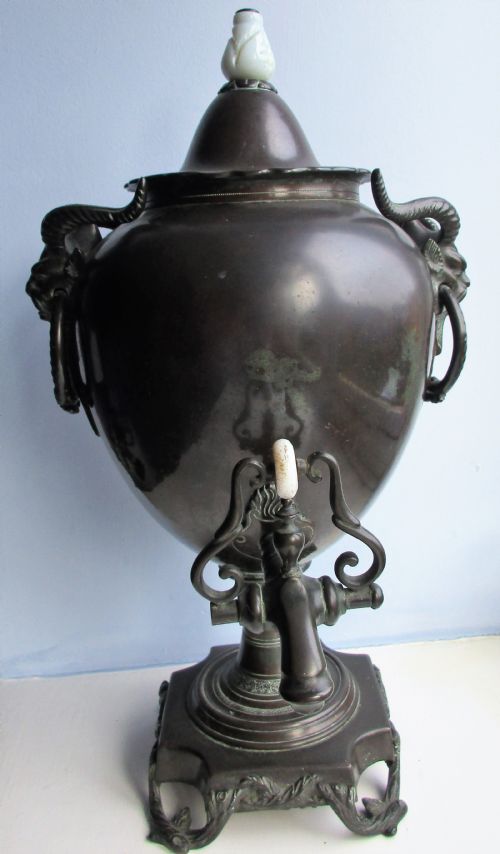


Antique Tea Dispenser
An antique tea dispenser brings a weighty, gleaming focal point to a room, serving hot water or tea through a traditional tap.
Antique Tea Dispenser
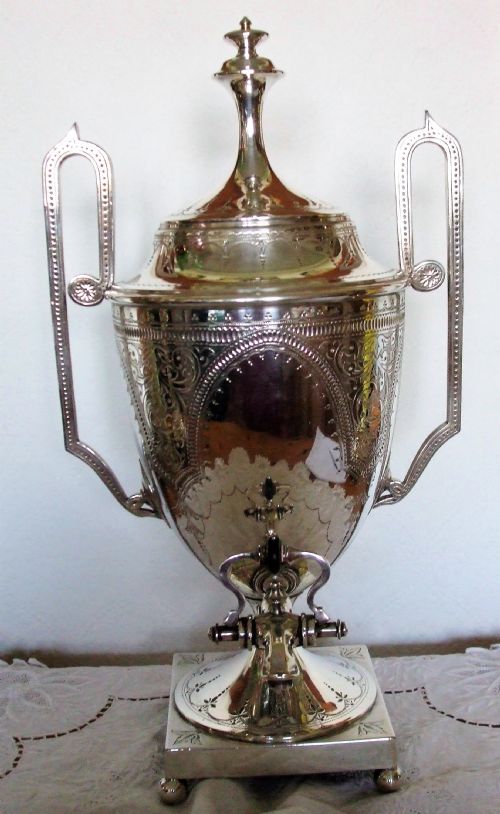
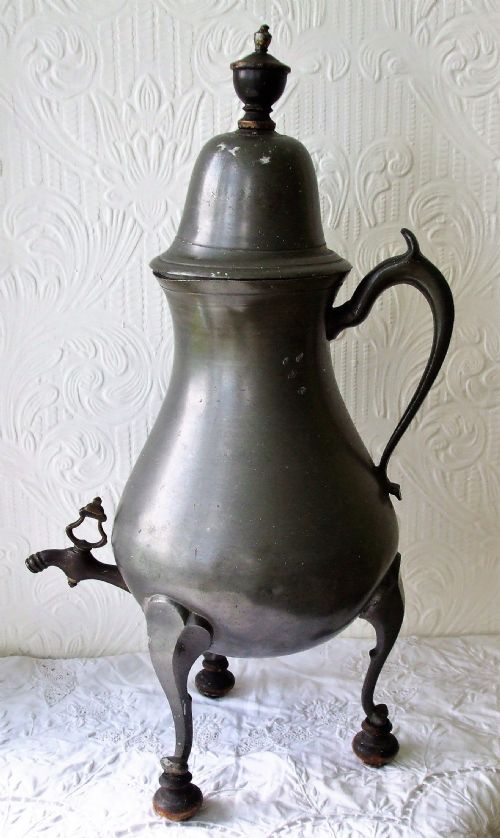
When you search for an antique tea dispenser, you are looking at substantial vessels designed to hold and heat water for the tea table, most commonly taking the form of samovars, tea urns, and water urns. These pieces date from the Georgian, Regency, Victorian, and Edwardian periods, spanning the eighteenth, nineteenth, and early twentieth centuries.
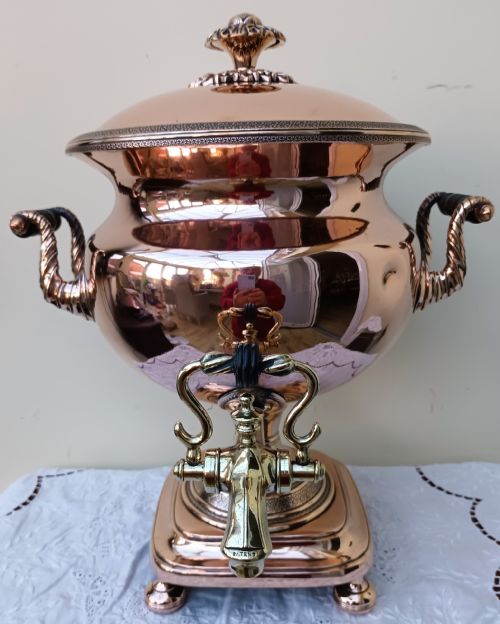
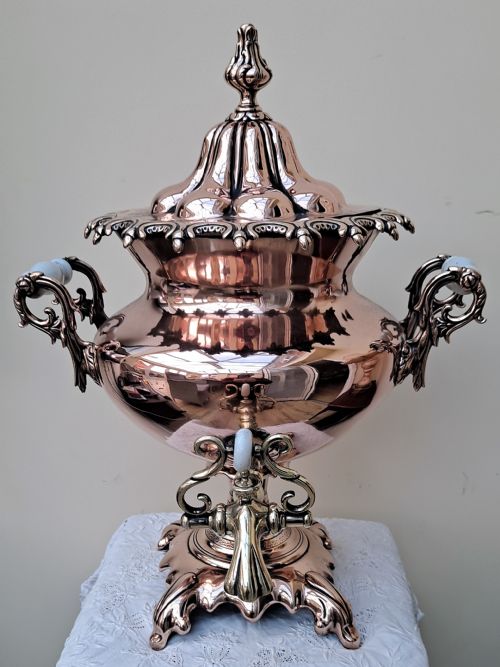
The most common examples you will encounter on this page are copper and brass samovars and tea urns from the Victorian era, alongside silver-plated Sheffield plate models and Georgian copper pieces. They range from large vessels intended for grand houses to smaller portable urns, often complete with their original taps and internal heating arrangements.
How they were made
The construction of these pieces relies heavily on worked metals, with copper and brass forming the bodies of the majority of examples. Smiths hammered sheet copper into shape, joined the seams carefully, and added cast brass handles, feet, and tap spouts.
Silver plating on copper, including Old Sheffield Plate, provides a bright metallic finish on more formal dining table urns. Japanned finishes such as Pontypool Ware appear alongside pewter and bronze, showing a variety of metalworking traditions.
Antique Tea Dispenser Retail Price Guide 2026
Typical asking prices for tea dispenser among the pieces listed under this phrase on Sellingantiques today, from the lower quarter to the upper quarter. They describe what is for sale here now, not the wider market.
Listings feature copper and brass most frequently, alongside silver plate, pewter, and japanned metal.
What varies in quality
The distinction between standard utility vessels and superior pieces lies in the crispness of the cast mounts and the integrity of the original fittings. Better examples retain their matching covers, internal heating tubes or grates, and securely seated brass taps without modern replacements.
Makers and retailers mark high-end pieces, with firms like Walker & Hall or Benetfink and Company stamping their silver plate and Japanned wares. The gauge of the copper and the weight of the bronze or brass components also dictate the physical presence and durability of the vessel.
Walker & Hall·Benetfink & Co
The Antique Tea Dispenser Glossary
- Samovar
- A heated metal urn traditionally used to boil and heat water in Russian and European tea service. These vessels feature an internal vertical tube where charcoal or a heated iron cylinder sits.
- Tea urn
- A large covered metal vessel fitted with a spigot, designed to dispense hot water for tea preparation. They were standard additions to formal dining tables and sideboards during the Georgian and Victorian periods.
- Old Sheffield plate
- A composite material made by fusing a thin sheet of silver to a thicker base of copper. This technique produced durable silver-plated items before the invention of electroplating.
- Pontypool ware
- A style of British japanned metalware known for its glossy lacquered finish and painted decoration. It originated in Wales and was later produced by firms in London.
- Bell metal
- An alloy of copper and tin used for casting durable components and fittings on high-status vessels. It produces a clear ringing tone when struck.
Antique Tea Dispenser: Frequently Asked Questions
What is a samovar?
A samovar is a large heated metal urn used to boil water for tea, fitted with a spigot near the base.
Many examples include an internal chamber for heating, allowing water to remain hot throughout a gathering.
How were these urns used?
They stood on sideboards or dining tables to supply hot water for replenishing tea pots during long meals and social calls.
Servants or hosts operated the tap to dispense water directly into individual vessels.
Are the taps original?
Many pieces retain their original cast brass or bronze taps, which screw directly into the body of the urn.
Collectors look for matched patination between the spigot and the main body to confirm authenticity.
How do I clean copper?
Copper urns require gentle dusting and occasional cleaning with appropriate metal care products to maintain the surface.
Preserving the aged dark patination is often preferred over polishing the metal to a bright shine.
Can I still use it for tea?
Most antique water urns serve as decorative objects because internal heating elements or historical solders may not meet modern standards.
Displaying them dry on a sideboard protects the original metal and interior surfaces from degradation.