


19th Century Kettle
These heavy metal vessels built for boiling water bring the warmth of the Victorian hearth and Georgian kitchen straight into a modern room.
19th Century Kettle
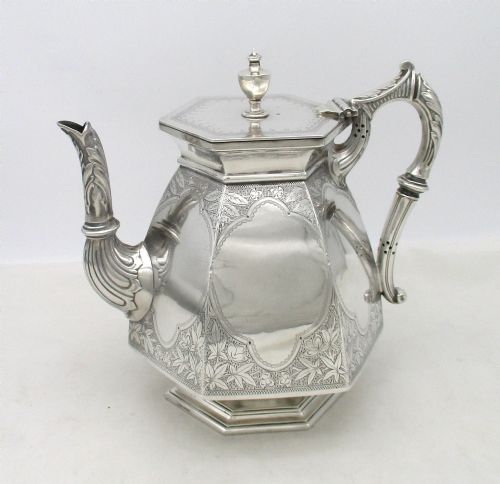
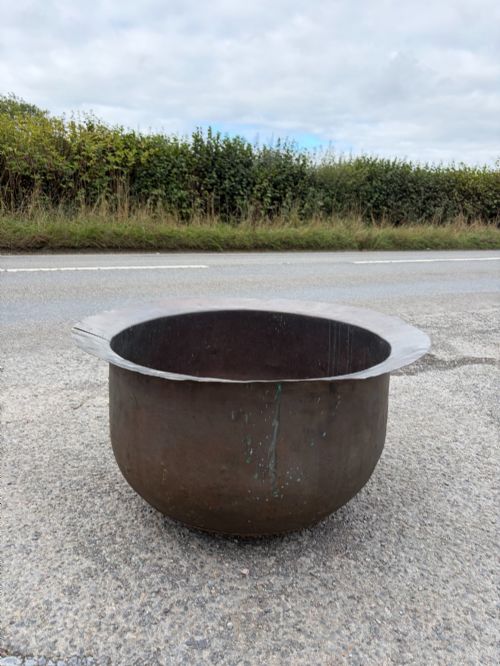
A 19th century kettle is a utilitarian vessel designed for heating water over a domestic fire, stove or dedicated spirit burner. The version you will meet most often on this page is the heavy copper kettle, frequently accompanied by brass or silver-plated examples from the Victorian period.
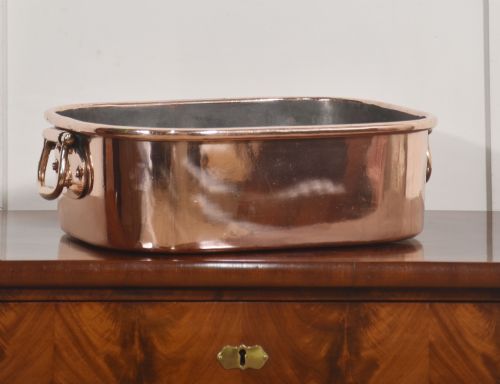
The selection ranges from simple domestic water heaters to elaborate samovars and spirit kettles mounted on dedicated stands. Alongside standard tea kettles, the record shows specialised forms including fish kettles, turbot kettles and tall urns intended for larger households.
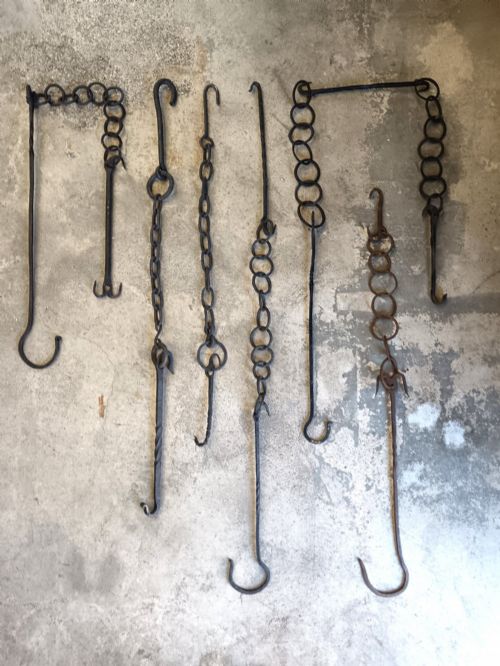
Many items survive from the broader Victorian era, with specific pieces dating back to the Georgian period and the late 18th century. Associated hearth furniture such as mahogany stands, trivets and trammel hooks frequently appear to complete the fireside arrangement.
How they were made
Metalworking techniques relied heavily on copper, brass and silver plate, shaped by hand or hammer into durable vessels that could withstand direct heat. Hand-forged wrought iron appears on related hanging hardware, while wooden elements such as mahogany and sycamore form stands and carrying buckets.
Surface finishes range from plain hammered copper to polished brass and electroplated nickel silver. Details such as turned wooden handles and fitted liners on fish kettles demonstrate the practical construction methods used by period metalworkers.
Materials across these listings include copper, brass, silver plate, mahogany, sycamore, wrought iron and tin.
What varies in quality
Quality rests in the weight of the metal and the crispness of the construction details, such as neatly dovetailed seams and sturdy handle attachments. Heavier gauge copper and substantial brass mounts indicate a vessel built for serious daily use rather than light decorative duty.
The presence of an original matching stand, burner or fitted internal liner elevates the completeness of a piece. Finer examples also exhibit careful finishing around the spout and handle sockets, marking them out from standard utility items.
The 19th Century Kettle Glossary
- Spirit kettle
- A kettle mounted on a metal stand above a small spirit burner, designed to keep water hot at the tea table.
- Samovar
- A large heated urn used to boil and dispense water, often associated with Russian and Middle Eastern hospitality.
- Trivet
- A small metal platform or footman placed by the hearth to hold a kettle close to the fire.
- Fish kettle
- An elongated metal vessel, often supplied with a draining liner, designed for poaching whole fish.
- Toleware
- Painted or japanned sheet metal objects, popular for decorative domestic accessories in the period.
19th Century Kettle: Frequently Asked Questions
What is a spirit kettle used for?
A spirit kettle sits upon its own metal frame above a small burning lamp, allowing water to remain hot during a long tea service without returning to the kitchen fire.
These pieces were typically used in the drawing room rather than the scullery, combining practical utility with polished display.
How do copper and brass kettles differ?
Copper provides high thermal conductivity and a warm reddish tone, making it the primary material for the body of standard boiling kettles.
Brass appears more often in cast handles, spouts, stands and decorative fittings where rigidity and a bright golden contrast are required.
Were these kettles used on open fires?
Most surviving metal kettles were designed to sit directly on coal grates, hearth trivets or specialised stove openings.
Spirit kettles departed from this by utilising their own enclosed fuel burners for tabletop or sideboard use.
What is a fish kettle?
A fish kettle is an oblong vessel constructed to accommodate the length of a whole fish for poaching.
Many examples include an internal perforated metal tray or liner that allows the fish to be lifted out of the hot water intact.