


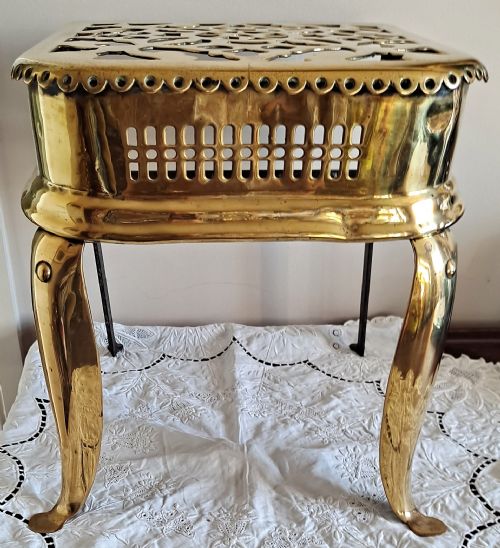


Victorian Hearth Kettle
These Victorian hearth kettle pieces bring warmth and working history to a room, valued for honest metalwork.
Victorian Hearth Kettle
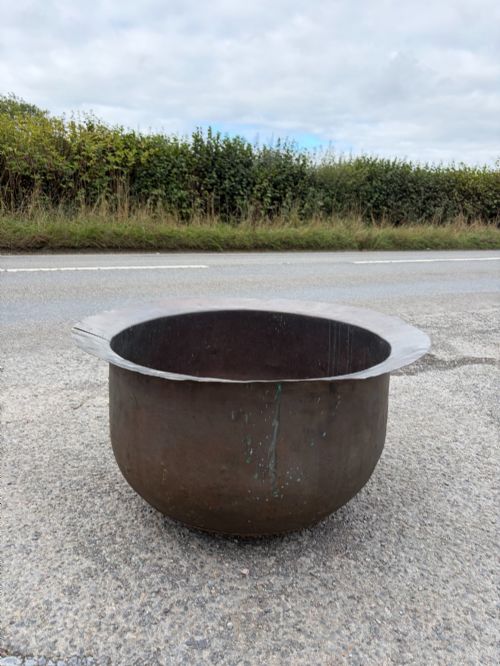
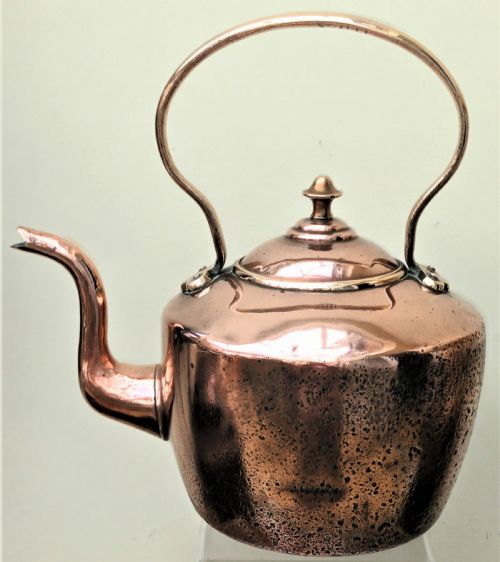
A victorian hearth kettle sits by the fireside, combining utility with robust metal construction from the nineteenth century. These vessels range from heavy copper and brass kettles to dedicated stands, footmen, and trivets designed for the hearth.
Most examples found here date from the nineteenth century, including specific pieces from the eighteen-eighties and eighteen-fifties alongside Georgian and Edwardian items. The selection embraces tea kettles, spirit kettles, and larger copper pots alongside supporting trivets and footmen.
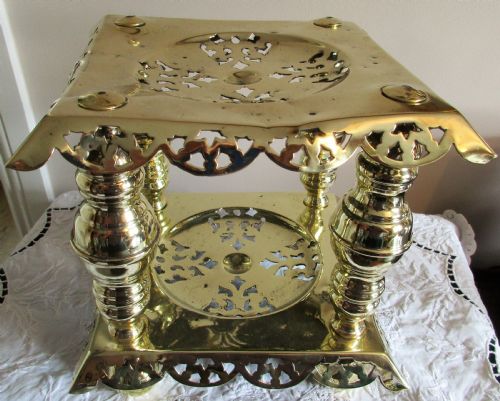
The forms vary from simple round bodies to two-tier stands and hanging configurations associated with the arts and crafts movement. Buyers encounter English and Welsh origin pieces intended for daily fireside service.
Materials and construction
Makers utilised heavy gauge copper and bright brass as the primary metals, often pairing them with steel for strength in footmen and trivets. Wood, ebonised wood, and mahogany appear on handles and stands to provide insulation against the heat.
Construction techniques rely on durable riveting and seaming to withstand coal fires and constant lifting. Surface finishes show hand-beaten or polished treatments across copper bodies and cast brass components.
The listings combine copper, brass, steel, and iron with mahogany and ebonised wood across nineteenth-century forms.
Determining quality
Weight and metal thickness distinguish superior examples from lighter production, as heavier gauge copper retains form through decades of use. Better pieces display clean dovetail or brazed seams and well-fitted lids.
Refined craftsmanship appears in the detailing of brass trivet legs, turned wooden handle grips, and balanced pouring spouts. Simpler utilitarian items contrast with unusual round forms and decorative arts and crafts hanging versions.
The Victorian Hearth Kettle Glossary
- Trivet
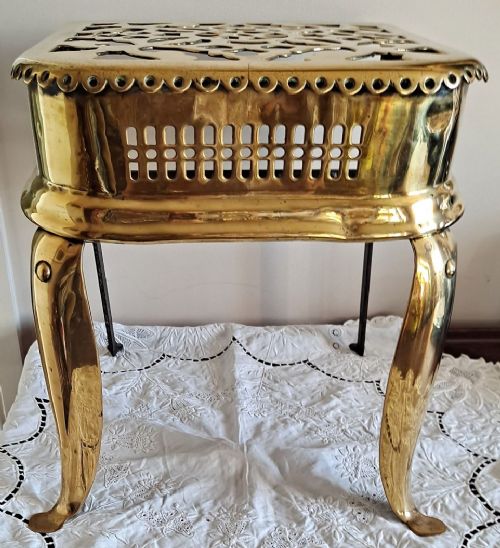
- A small metal stand with three or four feet designed to hold a kettle or cooking vessel close to the fire. These often feature pierced brass tops and iron frames.
- Footman
- A metal stand placed before a fireplace to keep plates warm or support a kettle. These typically combine a brass top plate with sturdy steel legs.
- Spirit Kettle
- A kettle fitted with its own small heating burner underneath, allowing water to stay hot away from the main fire. They rest within a dedicated metal frame or stand.
- Arts and Crafts
- A design movement valuing hand craftsmanship and simpler forms over mass production. Pieces from this style often display subtle surface texturing.
- Ebonised Wood
- Timber treated to resemble ebony, providing a dark contrast against bright brass and warm copper on handles.
Victorian Hearth Kettle: Frequently Asked Questions
What is a footman used for?
A footman served as a fireside accessory for warming plates or holding a kettle near the coals. It stood directly on the hearth.
These pieces combined a flat brass top with steel legs to bear the weight of heavy vessels.
How do I clean a copper kettle?
Traditional copper maintenance involves mild cleaning agents to preserve the warm metallic tone rather than achieving a modern mirror shine. Many owners prefer retaining a natural aged patina.
Harsh abrasives should be avoided to protect the original hand-finished surface and seams.
Can these kettles be used on a modern fire?
Most antique kettles and trivets are intended for display or decorative hearth use rather than daily boiling. Historic solder and thin historical repairs may not withstand modern high heat.
Consult individual pieces for structural integrity if you intend to use them practically.
How do I tell a Victorian kettle from an Edwardian one?
Nineteenth century pieces often show heavier hand-beaten copper construction and simpler functional forms. Edwardian examples appearing around nineteen hundred can introduce lighter framing and different handle turnings.
Stylistic shifts also point towards arts and crafts influences in the later period.