
Antique Copper Metalware
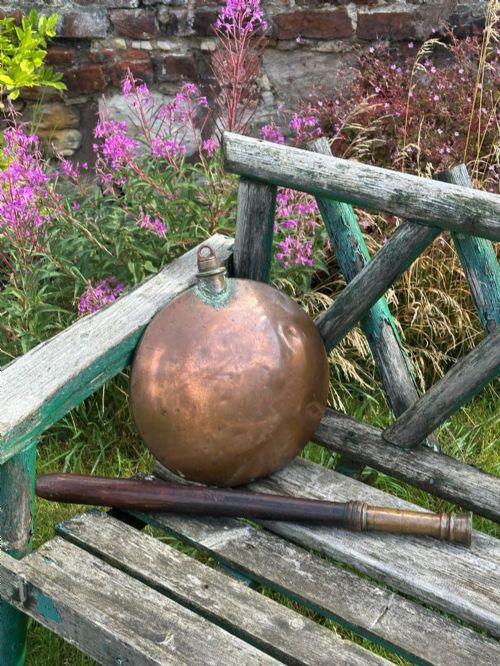
When you search antique copper metalware, you seek practical vessels and decorative objects crafted from warm metal over past centuries.
Identifying antique copper metalware
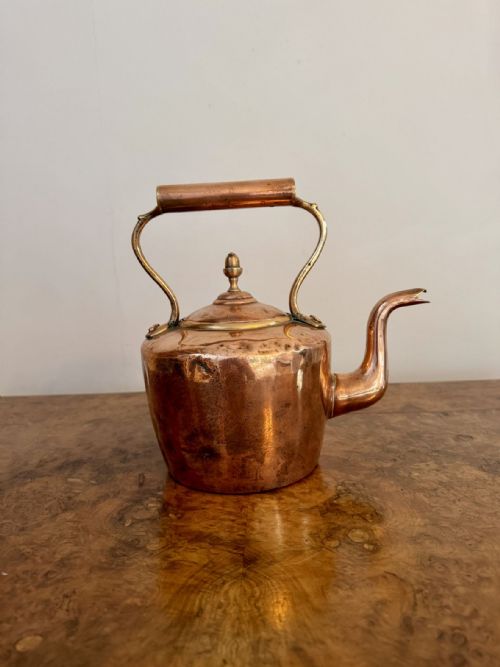
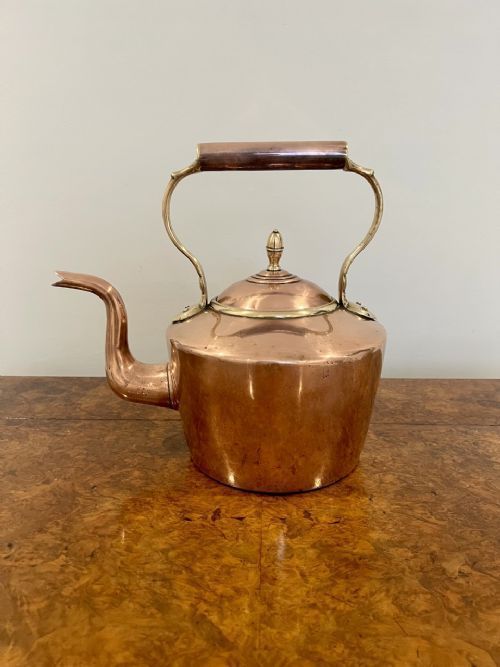
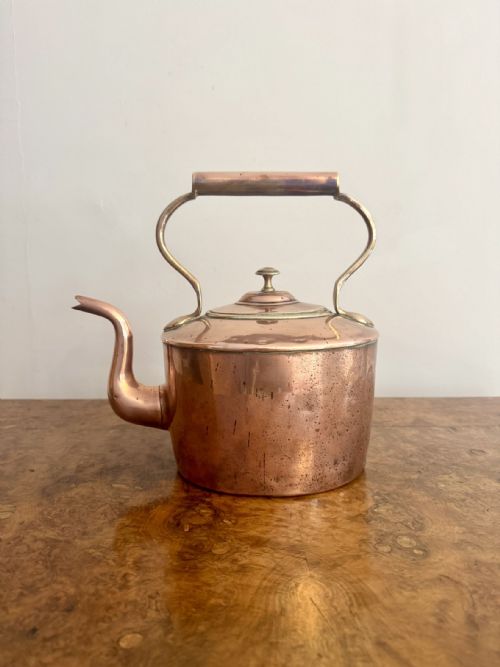
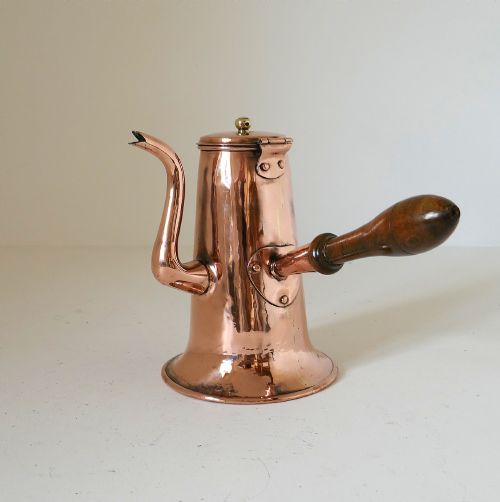
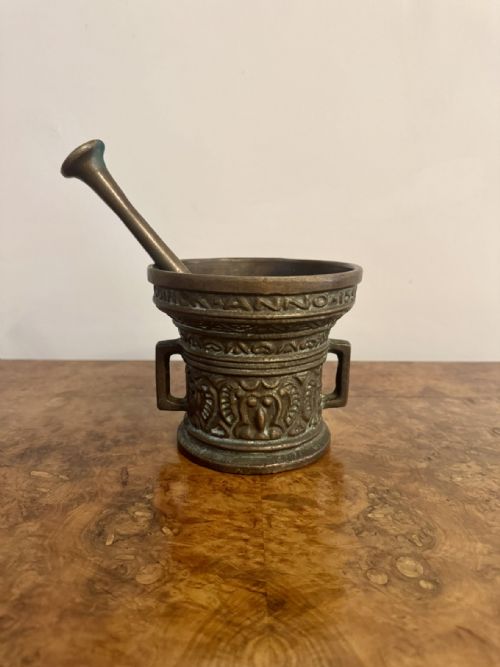
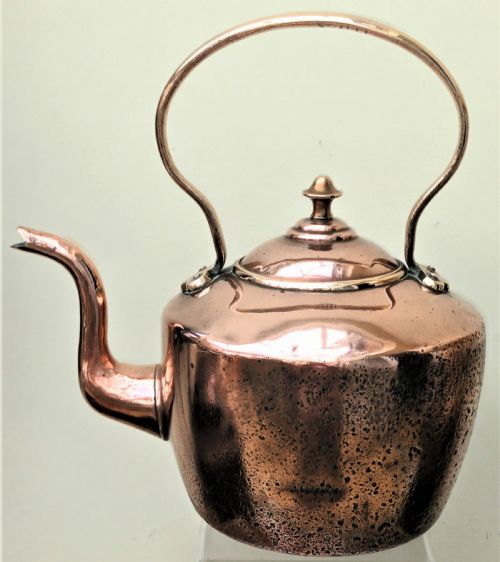
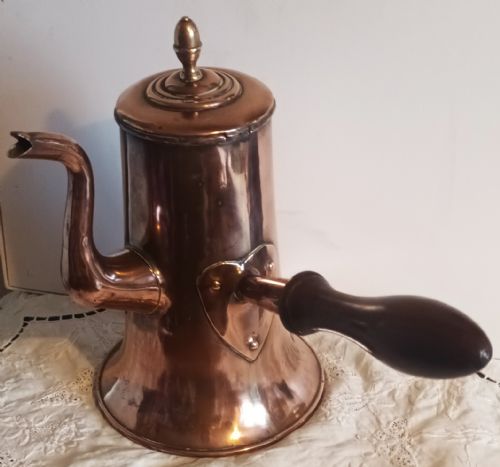
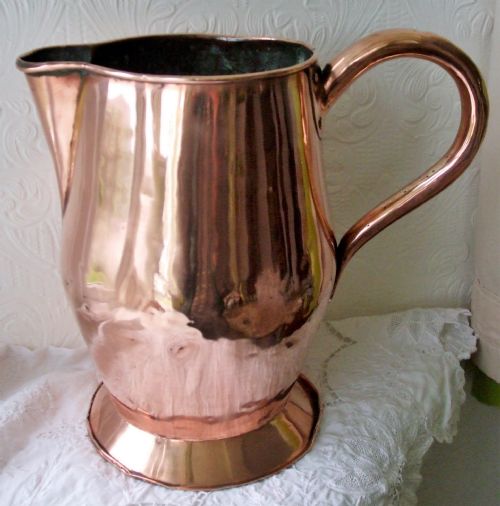
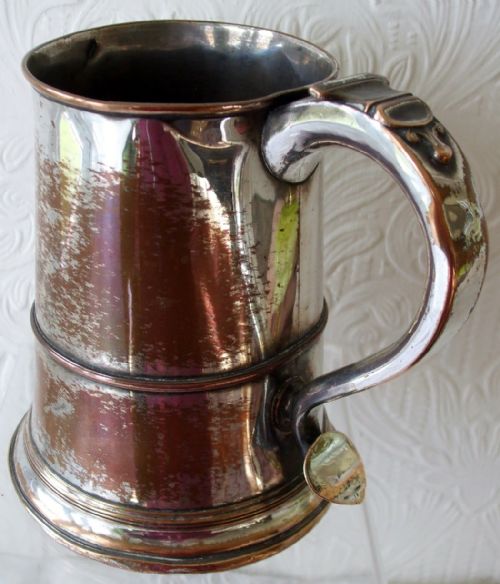
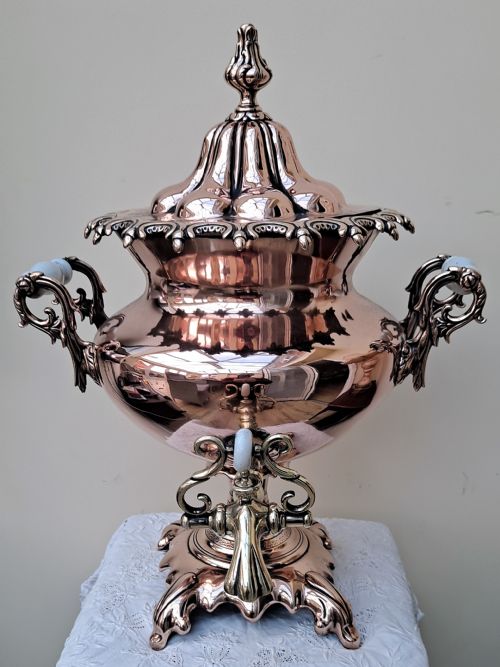
When you search antique copper metalware, you encounter domestic items designed for kitchen and hearth use alongside decorative pieces. The selection spans utilitarian forms such as kettles, coffee pots, fish kettles, and tavern measures, alongside domestic items like jelly moulds and jugs. You will frequently meet Victorian and Georgian examples, reflecting centuries of utilitarian production.
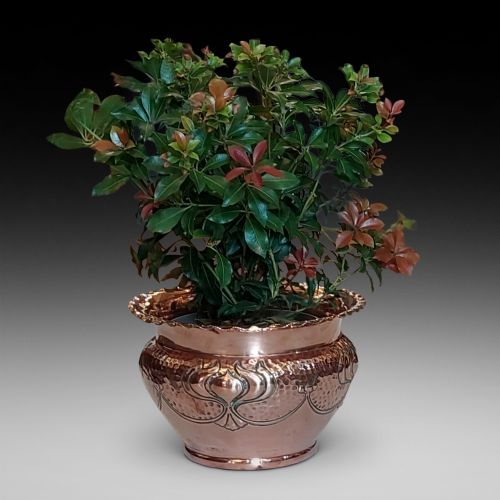
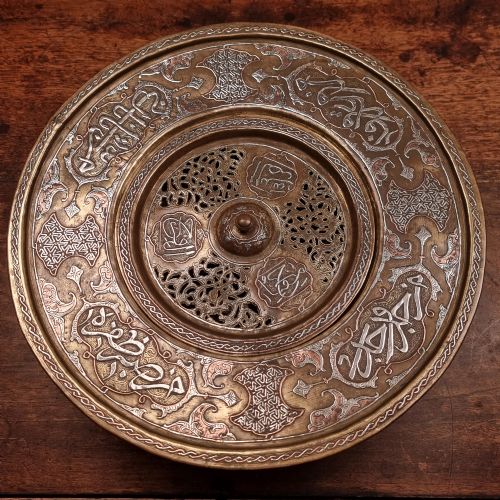
The objects range from small pocket snuffs and chambersticks to large gallon jugs and graduated sets of measures. Domestic kitchenware dominates the selection, though decorative trays and floral relief items appear from later periods. These pieces demonstrate how essential metal vessels were to daily life before mass manufacturing altered household goods.
Materials and construction
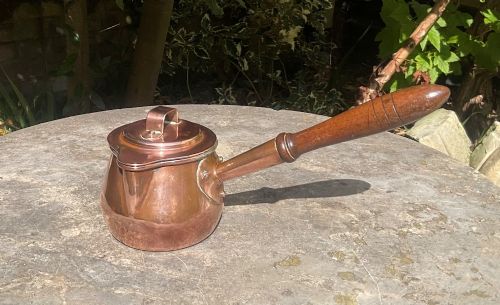
Makers shaped these items primarily from copper sheets, frequently incorporating brass for fittings, tin linings for food safety, and turned wood elements like fruitwood for handles. Smiths worked the metal by hand, joining seams and hammering the surface to form sturdy vessels for heating water and storing liquids.
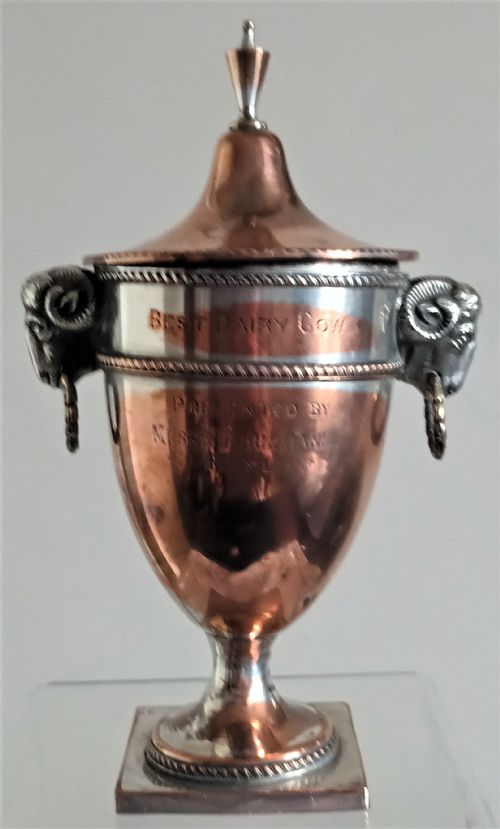
Detailing often included stamped maker marks, engraved inscriptions, and applied floral relief ornamentation. Handles were secured with rivets or attached via side sockets to wooden grips, ensuring durability during daily hearthside use.
Retail Price Guide 2026
Typical UK retail prices for copper metalware, calculated from the Sellingantiques database of over a million retail prices indexed since 2003. This retail price guide relies exclusively on Sellingantiques data; no external sources or auction records are used, so the figures do not describe the wider market.
One recorded snuff box bears an engraved swan alongside the proud name of its eighteenth-century owner, J. Harding.
Distinctions in quality
Quality rests in the weight of the metal, the integrity of the hand-formed joints, and the crispness of any engraved or stamped detail. Superior examples retain their original structural form without excessive thinning from centuries of polishing.
The sophistication of the vessel shape and the presence of makers' stamps elevate certain items. Graduated sets or pieces featuring turned fruitwood handles demonstrate higher craftsmanship compared to plain utilitarian items.
Benham's·J. G. Shaw·Jones Bros
The Antique Copper Metalware Glossary
- Tavern Measure
- A cylindrical container used in public houses to gauge and serve liquid quantities accurately. These sturdy pieces usually feature precise volumetric sizing and robust handles.
- Chamberstick
- A low candlestick fitted with a pan to catch dripping wax and a handle for carrying through dark rooms. They provided portable illumination before electric lighting.
- Trammel
- An adjustable iron hook used over an open hearth to suspend pots and kettles at varying heights above the fire. These fixtures regulated cooking temperatures in early kitchens.
- Jelly Mould
- A decorative container used to shape chilled desserts, often featuring intricate interior patterns pressed into the metal. Copper variants transferred cold temperatures efficiently.
- Jersey Can
- A distinctive heavy metal container used for storing and pouring dairy products or liquids on farms. These regional forms possess sturdy handles and wide pouring lips.
Frequently Asked Questions
What is antique copper metalware?
Antique copper metalware encompasses utilitarian and decorative household items shaped from copper sheet and related metals during past centuries. These objects include kettles, coffee pots, jugs, and measures used in daily domestic life.
Such pieces reflect the shift from hand-forged kitchen implements to more decorative household accessories over the Georgian and Victorian periods.
How were old copper kettles used?
Old copper kettles were suspended over open hearths or placed on stove tops to heat water for tea, washing, and general domestic tasks. Their metal construction allowed rapid heat transfer from fire to water.
Over time, heavy daily use led to interior tinning to prevent copper tasting in the water and to protect the metal from corrosion.
How do I date an antique copper piece?
Dating relies on examining the construction techniques, handle attachments, form styles, and any stamped maker marks or engraved dates. Earlier pieces from the seventeenth and eighteenth centuries often feature side handles and hand-forged seams.
Victorian items tend to show more standardised manufacturing methods, machine stamping, and formal decorative motifs like floral relief work.
How should I clean antique copper?
Cleaning antique copper requires gentle handling to preserve the historic surface and any natural darkening accumulated over centuries. Harsh modern abrasives can strip away thin metal layers and obliterate subtle tool marks.
Many collectors prefer to maintain a warm, aged patina rather than polishing pieces to a bright, mirror-like shine.