



Silver Grey Pewter
Silver grey pewter gathers domestic metalware from domestic tableware to decorative fittings across several centuries.

Silver Grey Pewter
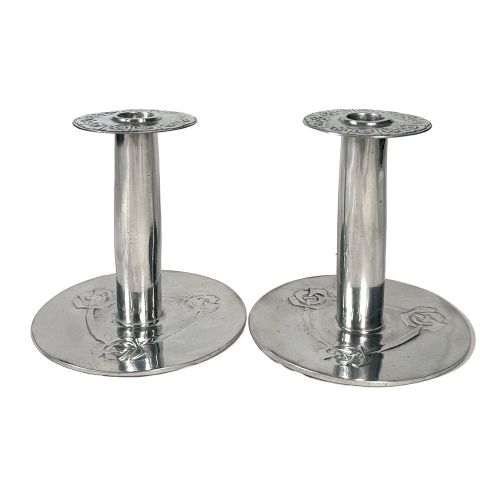
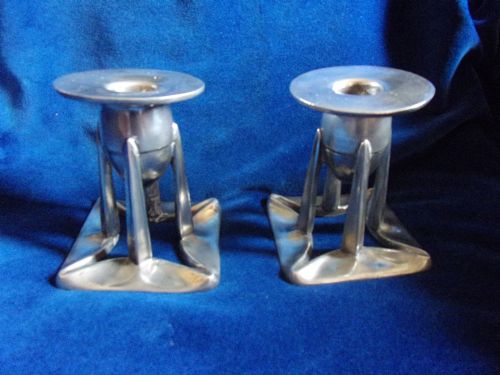
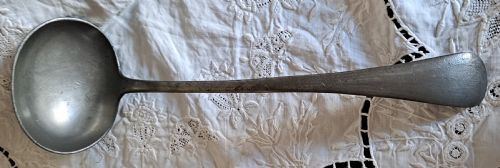
Silver grey pewter encompasses utility objects and decorative wares created for everyday use, formal dining, and interior ornament. Buyers exploring silver grey pewter encounter domestic vessels, chargers, candlesticks, and desk accessories spanning multiple eras.
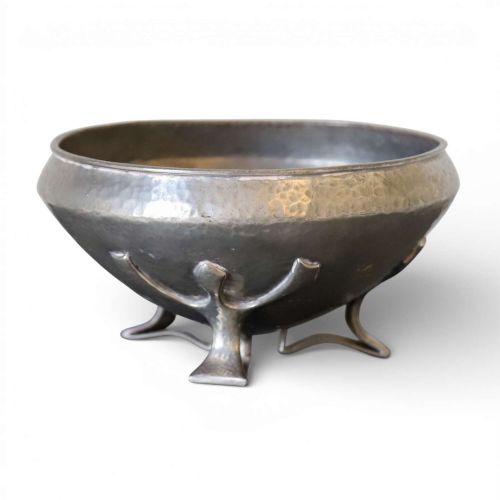
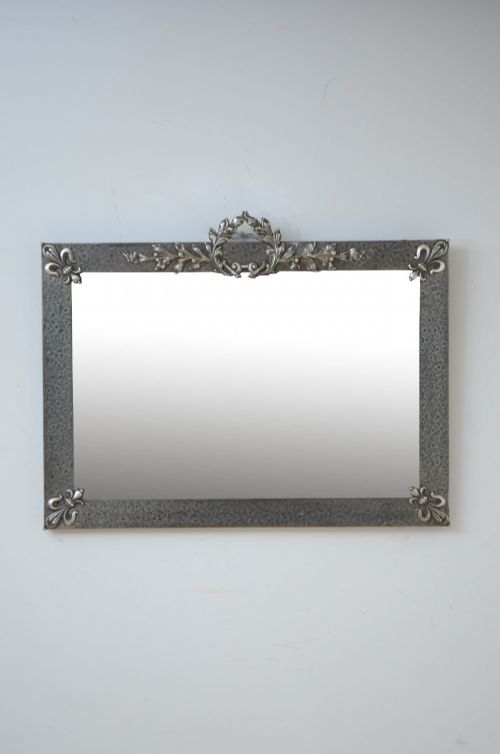
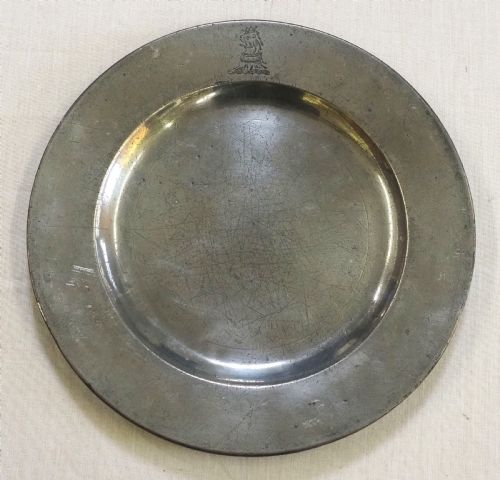
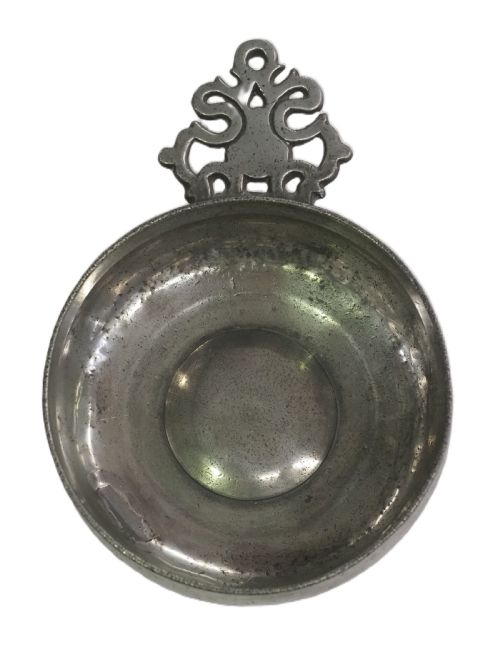
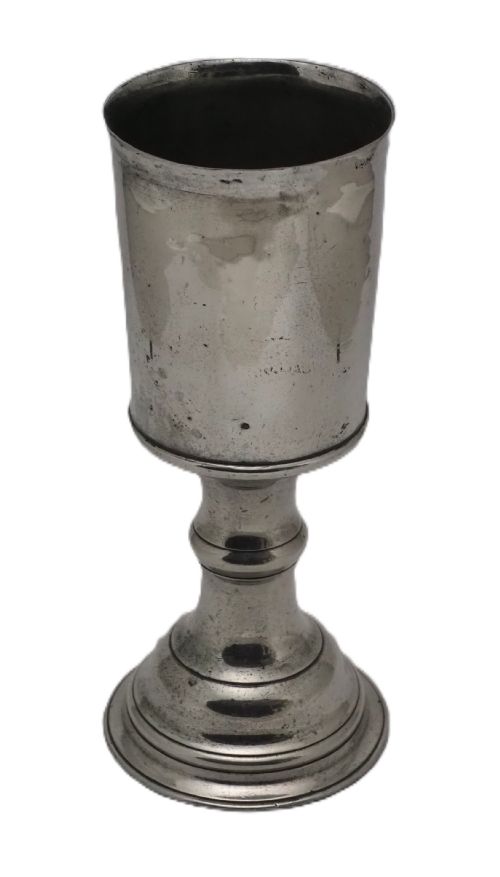
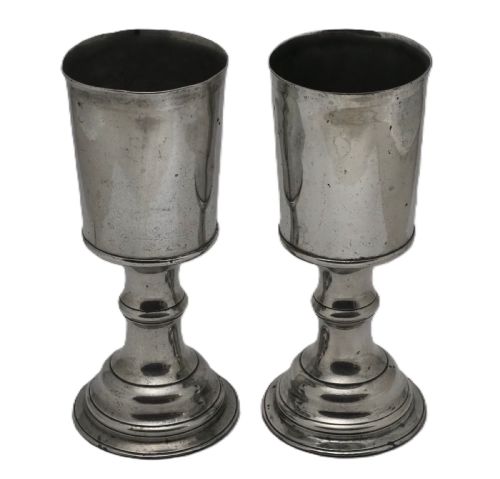
The selection ranges from early plain rim plates and porringers to Arts and Crafts bowls and Art Nouveau frames. Domestic tankards, chalices, and chargers dominate the earlier centuries, while later pieces favour fluid floral designs and hammered surfaces.
English, Irish, and Continental workshops supply the primary forms found here, often stamped with maker touches or capacity marks. These items reflect the shifting domestic priorities of households from the seventeenth century through to the modern era.
Alloy Composition and Working Methods
Pewter relies on a base metal alloy combining tin with copper, lead, or antimony to achieve durability and a characteristic muted lustre. Artisans shaped these components through casting in moulds, followed by hammering to harden the metal and refine surface profiles.
Secondary materials such as glass, wood, and enamel integrate with the metalwork in specific categories like picture frames, boxes, and wall sconces. Surface decoration often involves hand-hammering, repoussé work, and applied crests or cast mounts.
Among domestic vessels, a tiny novelty dog pepperette stands ready to season meals from the nineteenth century.
Form, Finish, and Integrity
Quality rests upon the crispness of cast details, the weight of the metal body, and the preservation of original touchmarks. Superior examples retain their intended wall thickness and structural balance without excessive thinning from centuries of cleaning.
Aesthetic distinction arises from thoughtful design integration, evident in the confident line of an Art Nouveau handle or the precise rhythm of an all-over hammered charger. Maker attribution through clear touchmarks adds historical weight and elevates the standing of an individual piece.
Archibald Knox·Oliver Baker·John Yates·James Spackman·Watts and Harton·Thomas Templeman·Thomas Powell·Orivit
The Silver Grey Pewter Glossary
- Charger
- A large circular dish used for serving food or as a base plate during formal dining.
- Porringer
- A small, shallow two-handled bowl utilised for porage, broths, or bloodletting.
- Touchmark
- An official stamp applied by a maker or guild to certify the quality and origin of the metal.
- Repoussé
- A metalworking technique where a design is hammered into relief from the reverse side.
- Antimony
- A brittle metallic element sometimes alloyed with tin to increase hardness and brightness in specific wares.
Silver Grey Pewter: Frequently Asked Questions
How do I clean antique pewter safely?
Historic pewter requires minimal intervention to preserve its characteristic soft finish and aged patina. Gentle washing with warm soapy water and immediate drying with a soft cloth prevents moisture damage.
Avoid aggressive metal polishes and abrasive pads that remove original surface texture and valuable touchmarks. A light application of microcrystalline wax can protect vulnerable surfaces from oxidation without altering the appearance.
What is the difference between a plate and a charger?
Plates served individual diners at the table during meals, whereas chargers functioned as monumental display platters or under-plates for serving courses. Chargers feature a much larger diameter and heavier gauge metal to support their formal role.
Examples from the seventeenth and eighteenth centuries often display triple reeded rims or ownership crests denoting their higher status within domestic households.
How do touchmarks help date pewter?
Makers registered their unique stamps with guilds or local authorities, recording changes in design and composition over time. Comparing these hallmarks against historical touchmark registers reveals the working dates of the smith.
Unmarked pieces rely on stylistic indicators, manufacturing methods, and vessel forms to establish an approximate period of origin.
Can I use antique pewter for food and drink?
Older compositions frequently incorporated lead, which can leach into acidic foods or hot liquids over extended periods. Modern utility standards caution against daily consumption from historic vessels lacking contemporary safety certification.
Most collectors choose to display these pieces as decorative objects or store dry goods rather than utilise them for daily dining.