
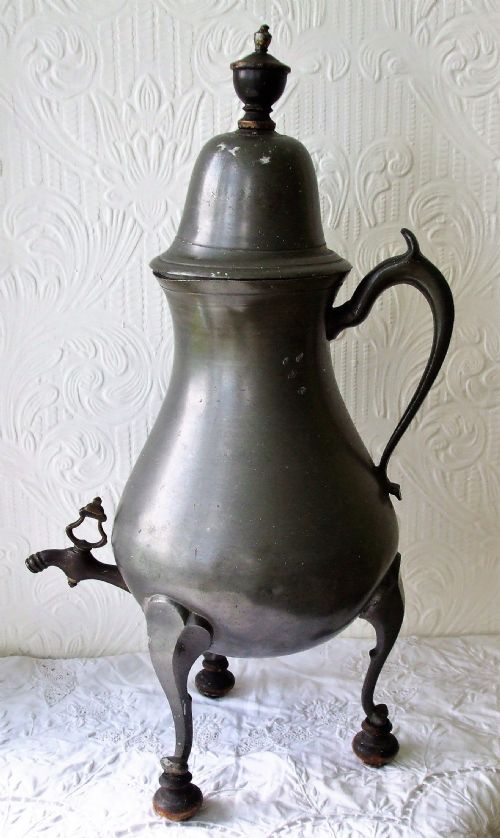


Dutch Pewter
Dutch antique pewter encompasses metalware and associated domestic vessels from the seventeenth century onward, prized for their muted alloy lustre and historical utility.
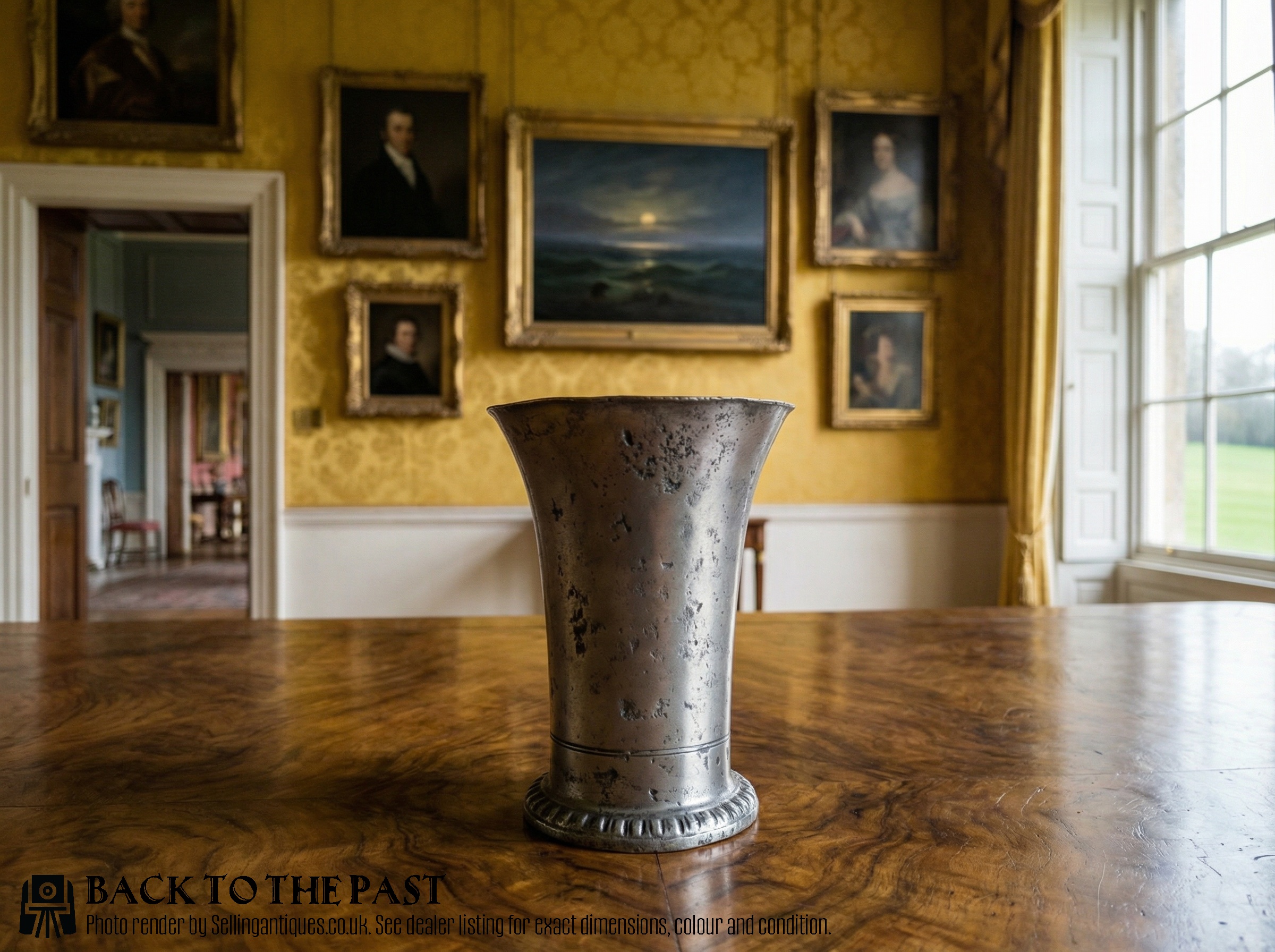
Dutch Pewter
Dutch antique pewter comprises utilitarian and decorative metalware objects originating from the Netherlands across several centuries, with seventeenth and eighteenth-century examples appearing frequently alongside later nineteenth-century interpretations.
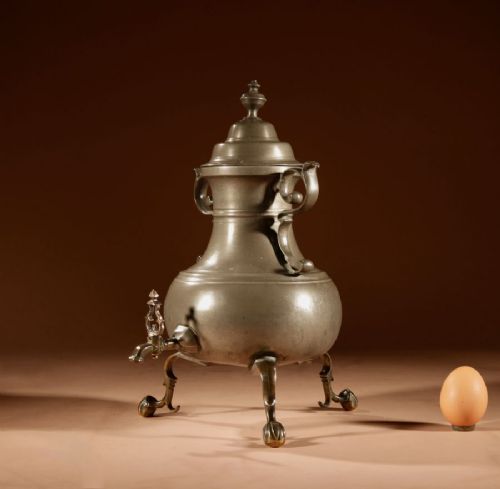
The objects span practical household containers such as coffee urns, jugs, beakers, and ewers, as well as related items like trinket boxes and wall racks that incorporate pewter elements.
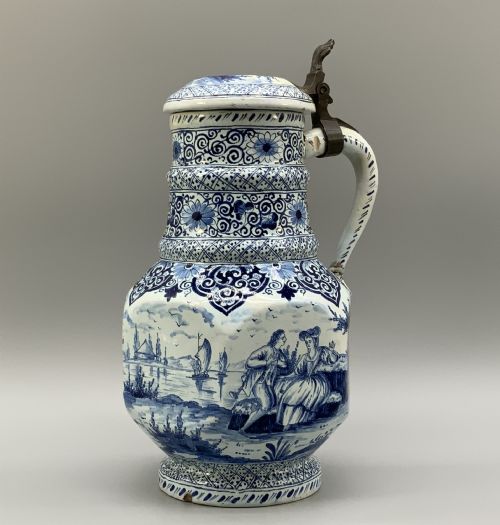
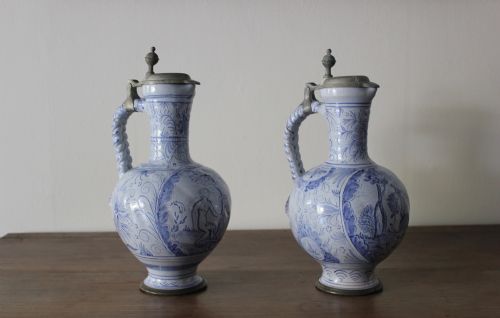
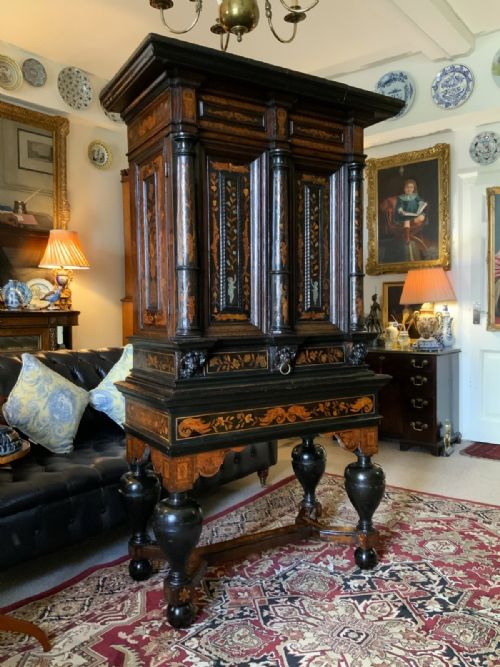
Buyers encountering this search phrase will find both pure metalwork pieces and mixed-material items, including wood cabinets featuring pewter inlay and ceramic vessels with pewter lids.
Materials and construction
The primary material is pewter, a malleable metal alloy composed chiefly of tin combined with lead or copper, shaped through casting, hammering, and soldering techniques.
Craftsmen enhanced surfaces using decorative methods such as wriggle work engraving, where a rocking chisel creates zigzag lines, alongside structural integration with bronze, wood like walnut and fruitwood, and tin-glazed earthenware.
What separates the grades
Quality variation depends upon the crispness of casting detail in hallmarks, relief work, and figural portraits, alongside the retention of original surface patination rather than over-zealous cleaning.
The integrity of construction distinguishes superior pieces, particularly where metal elements join wood or ceramic components, as seen in cabinetry with inlaid pewter or lidded ceramic jugs.
The Dutch Pewter Glossary
- Pewter
- A durable metal alloy consisting primarily of tin, often mixed with copper or lead, historically used for domestic tableware and vessels.
- Wriggle work
- An engraving technique performed by pushing a graving tool back and forth across the metal surface to produce a continuous zigzag line.
- Beaker
- A straight-sided drinking vessel without handles, commonly fashioned from pewter or ceramic during the seventeenth and eighteenth centuries.
- Kraantjeskan
- A traditional Dutch metal container featuring a spigot, utilised for heating and dispensing coffee, tea, or water.
- Ewer
- A large pitcher with a flared spout and curved handle, designed for pouring liquids.
Dutch Pewter: Frequently Asked Questions
What is an angel flagon?
An angel flagon is a specific type of seventeenth or eighteenth-century pewter vessel bearing a hallmark stamp depicting an angel, frequently associated with the city of Maastricht.
These large containers served ecclesiastical or civic purposes before entering the domestic sphere and collector market.
How do I date antique pewter?
Dating relies on maker marks, touchmarks, changes in alloy composition, and evolving vessel forms from the seventeenth to nineteenth centuries.
Stylistic cues such as wriggle work floral motifs or neoclassical shapes provide further chronological context.
What is a kraantjeskan used for?
A kraantjeskan functioned as a portable beverage dispenser for coffee or tea in wealthy Dutch households during the eighteenth century.
Hot coals placed in an internal central tube kept the liquid warm through the duration of a gathering.
How should I clean pewter?
Antique pewter requires minimal intervention to preserve the dark, oxidized surface patina accumulated over centuries of age.
Gentle dusting with a soft cloth suffices, avoiding modern metal polishes that strip historical character.