



Brass Taper Sticks
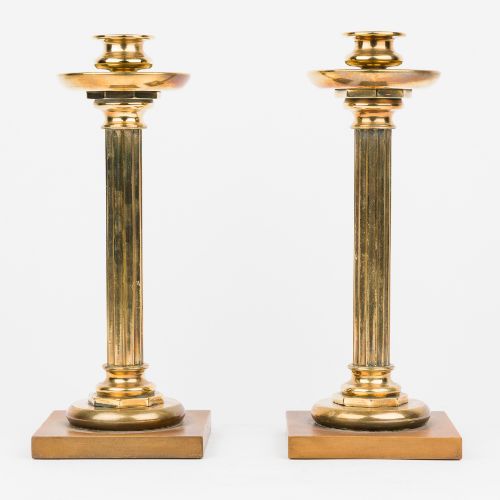
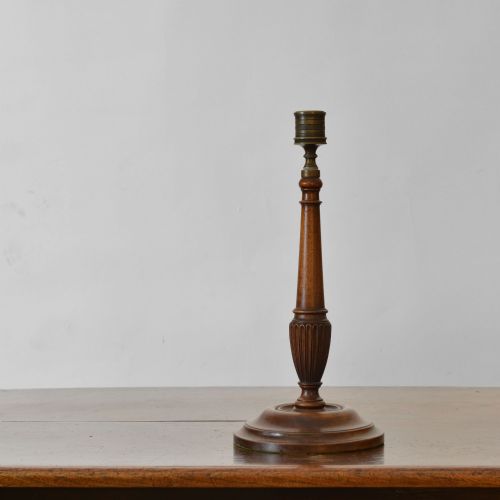
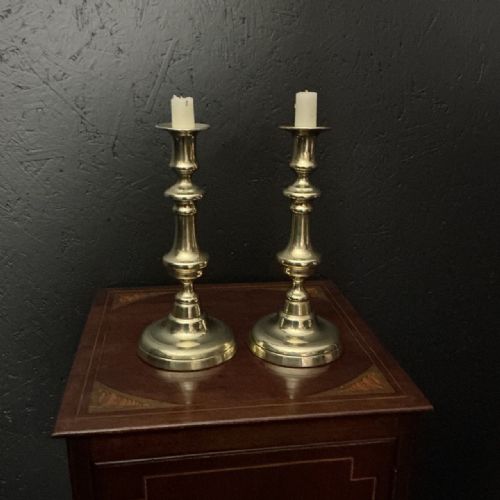
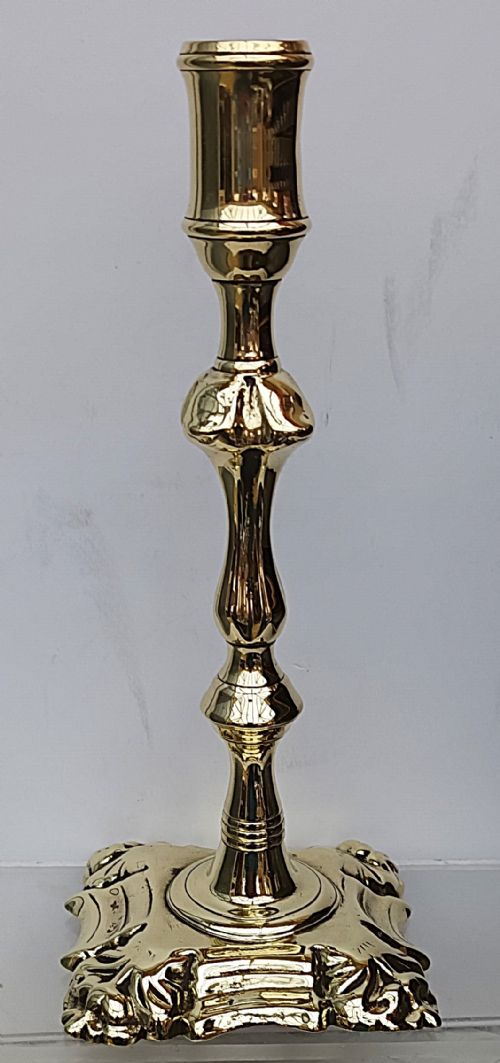
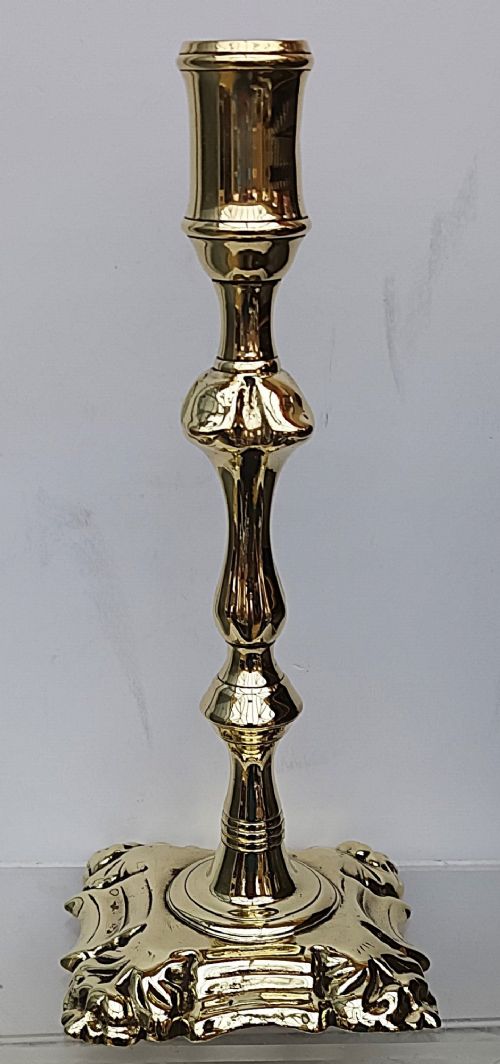
Brass taper sticks are small, dedicated holders for sealing wax tapers, found here in forms spanning the Georgian, Victorian, and Edwardian periods.
Brass Taper Sticks
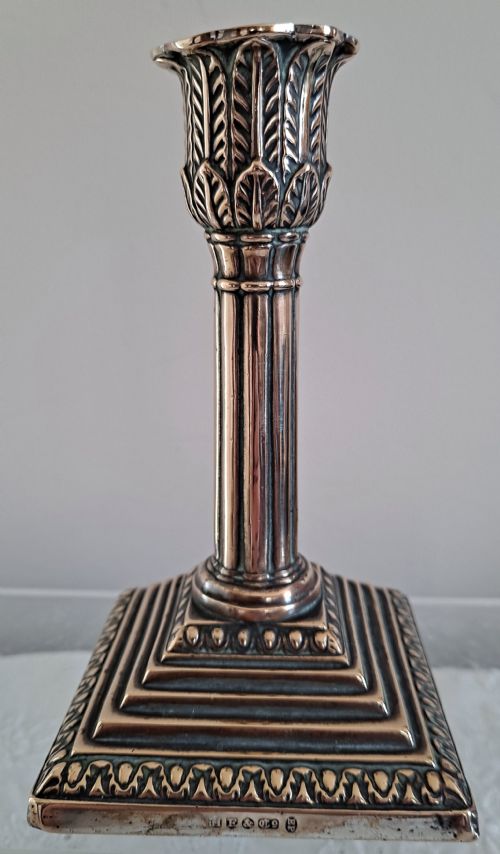
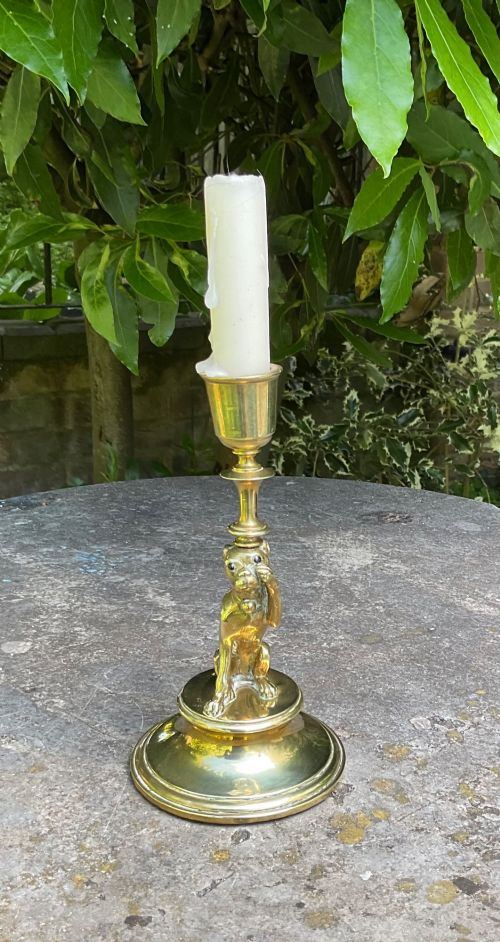
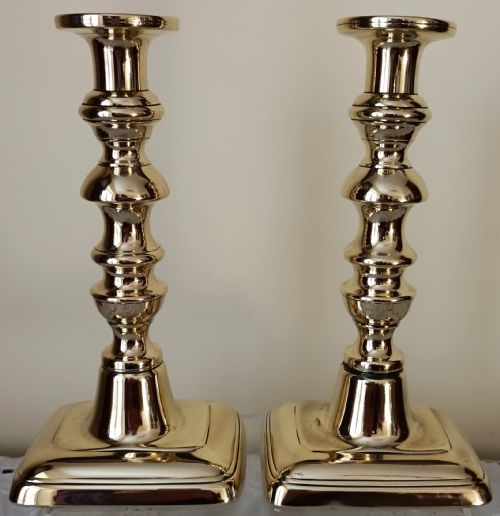
Brass taper sticks are diminutive lighting devices designed specifically to hold small wax tapers used for melting sealing wax on correspondence and documents. These pieces share the structural proportions of standard candlesticks but appear in a much smaller scale, typically featuring single sockets above slender stems and wide bases for stability.
The selection here encompasses examples from the 18th century, 19th century, and early decades of the 20th century. Buyers frequently encounter Georgian and Victorian interpretations among these listings, alongside variations produced in bronze, silver plate, and copper.
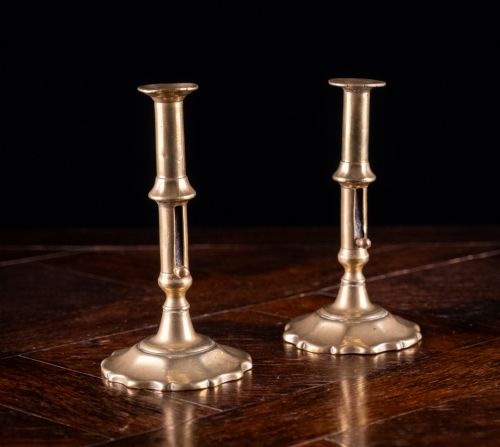
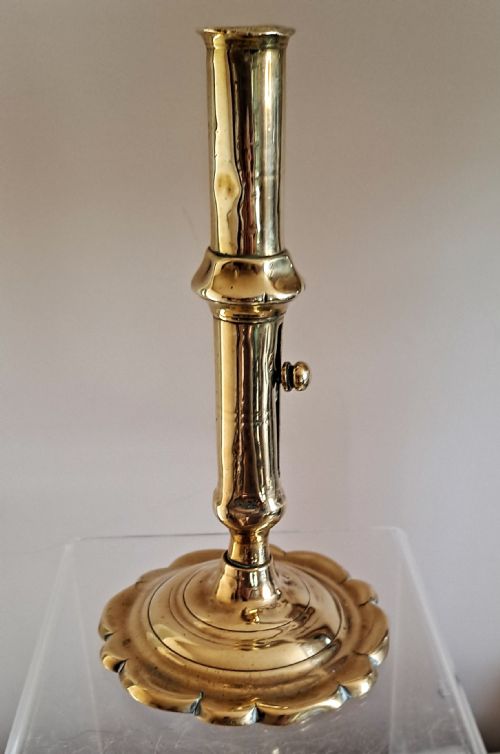
Forming part of the broader category of candlesticks and chamber sticks, these items often display distinct regional or period characteristics such as petal bases, seamed construction, or integrated drip pans. Their survival reflects domestic writing habits of past centuries when sealing correspondence was a daily necessity.
How they were made
Makers utilised brass casting and sheet metal techniques to shape these objects, frequently employing seamed construction where components were joined and soldered together. Early pieces often show the textural evidence of sand casting or bell brass production, resulting in heavy, robust forms with tactile surface qualities.
Finishes and secondary materials vary according to the period of manufacture, incorporating elements such as gilding, silver plating, and combination with glass, mahogany, or bronze. Turning on a lathe was standard practice for shaping stems and bases before final hand polishing.
Listings feature periods spanning the 18th century, Georgian era, Victorian period, and early 20th century, predominantly formed in brass.
What varies in quality
The integrity of the casting and the crispness of detail separate standard production from superior examples. Heavy gauge metal and sharp, well-defined mouldings indicate careful workmanship by the founding workshop.
Proportion and balance dictate the visual success of the piece, where slender stems meet substantial bases without awkward transitions. Original surfaces unmarred by aggressive modern cleaning preserve the historical character valued by collectors.
J.T. & Co·J. Miller
The Brass Taper Sticks Glossary
- Taper stick
- A miniature candlestick designed to hold a thin wax taper used for lighting pipes or melting sealing wax. They are easily distinguished from standard candlesticks by their diminutive height.
- Seamed brass
- Metalwork constructed from rolled sheet brass joined along a vertical seam rather than cast as a single solid unit. This technique was common in 18th-century production.
- Petal base
- A rounded foot formed with scalloped lobes resembling flower petals, frequently seen on Georgian examples. This decorative moulding adds both visual weight and stability to the base.
- Chamberstick
- A short portable candlestick fitted with a flat pan and a loop handle for carrying about a residence. They were essential for illuminating bedchambers before electric lighting.
Brass Taper Sticks: Frequently Asked Questions
What is a brass taper stick used for?
These small holders supported thin wax tapers kept near writing desks for melting sealing wax on letters and official documents. They provided a localized flame without requiring a large domestic candle.
Over time, their primary utility faded with the advent of pre-glued envelopes, transforming them into decorative desk accessories collected for their scale and craftsmanship.
How do I date a brass taper stick?
Dating relies on observing base shapes, manufacturing marks, and assembly methods such as cast versus seamed construction. Georgian examples often feature petal bases and heavy casting, while later Victorian pieces display different decorative revivals.
Comparing the proportions and wear patterns against dated pieces in the archive helps narrow down the period of origin.
Are taper sticks the same as candlesticks?
While sharing identical basic anatomy, taper sticks are significantly smaller in height and diameter than standard domestic candlesticks. They were engineered specifically for thin tapers rather than heavy lighting candles.
This miniaturised scale makes them distinct collector's items that occupy less surface space while retaining period design details.
How should I clean antique brass?
Antique brass is best maintained with minimal intervention, avoiding harsh abrasive polishes that strip away age-related patination. A soft cloth and mild wax are generally sufficient to remove dust and protect the metal surface.
Preserving the original dark or mellowed finish ensures the piece retains its historical integrity and visual depth.