

Antique Brass Metalwork
Antique brass metalwork comprises tactile objects formed from copper alloys across global traditions, valued for their enduring weight and patinated surfaces.
Antique Brass Metalwork
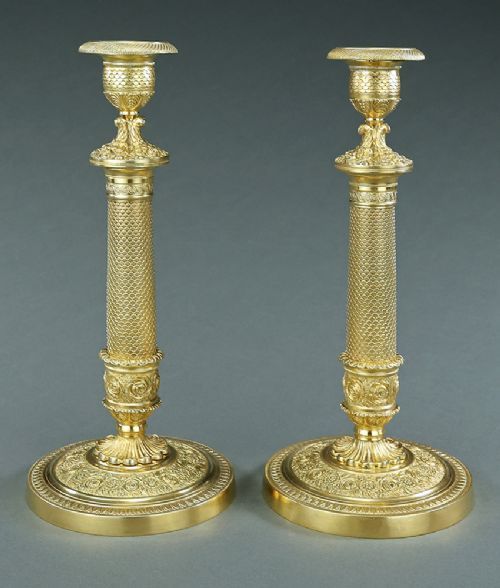
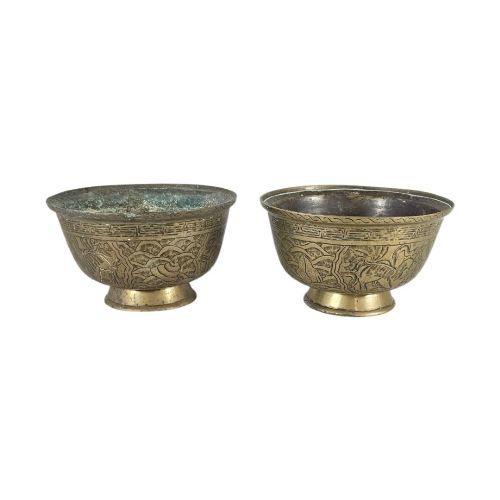
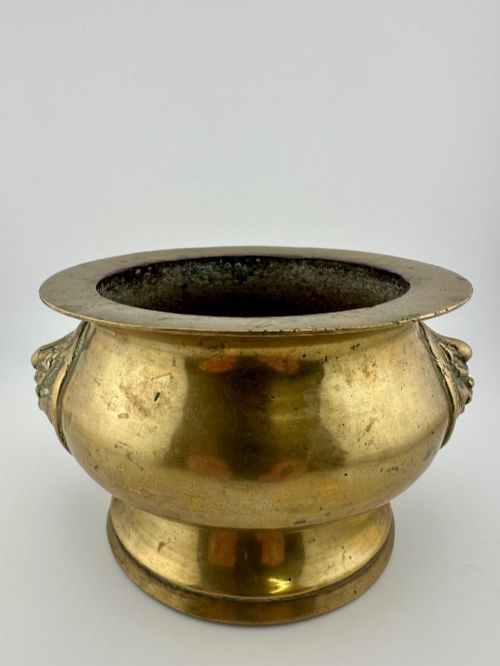
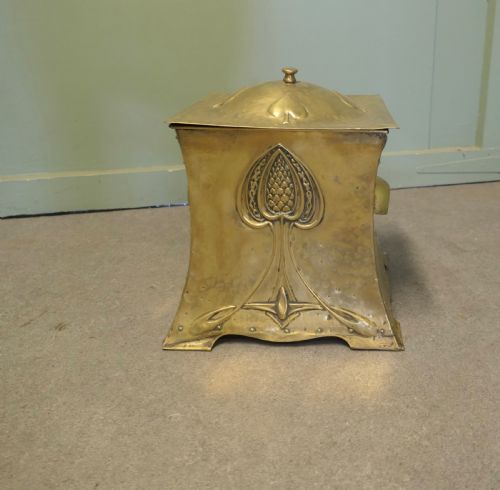
When you search for antique brass metalwork, you encounter an array of utilitarian and decorative items spanning multiple centuries and global workshops. The selection on this page centres on domestic and ritual objects, from utilitarian candlesticks and coal boxes to decorative censers, vases, and occasional tables.
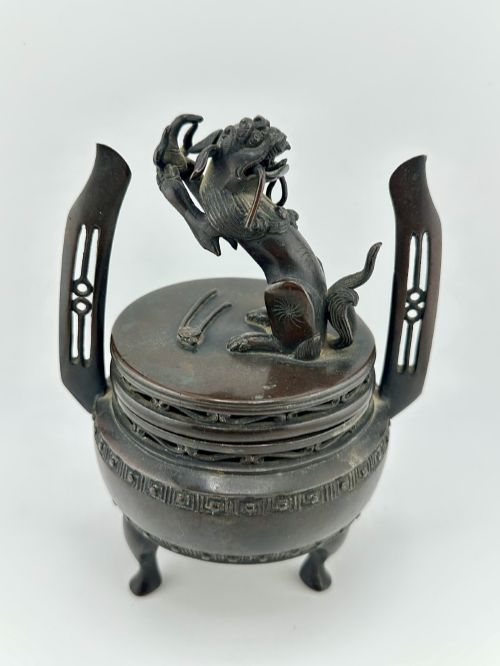
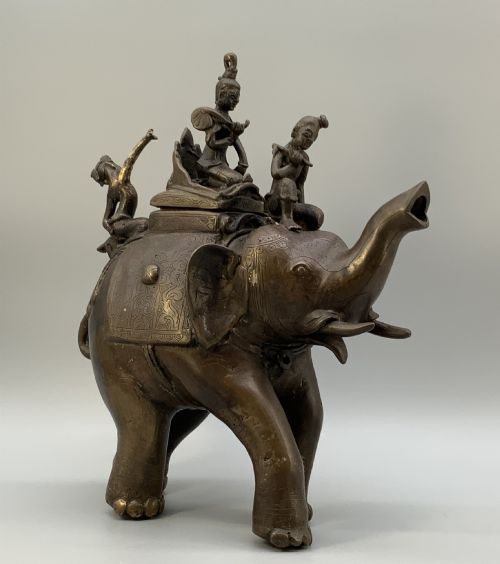
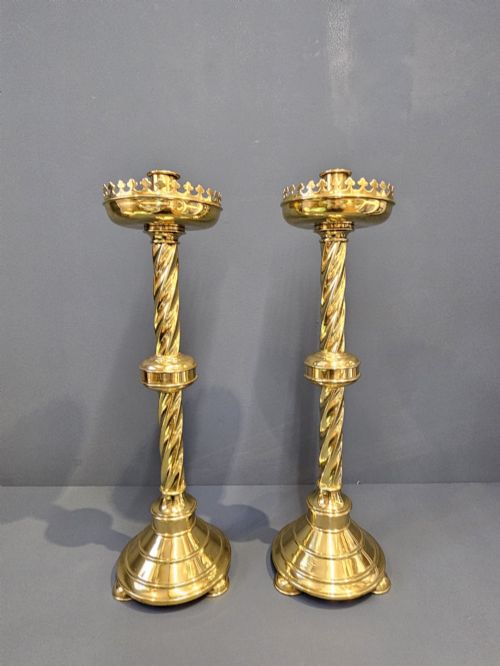
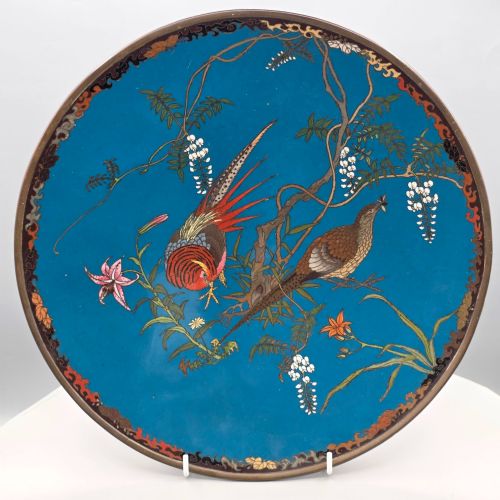
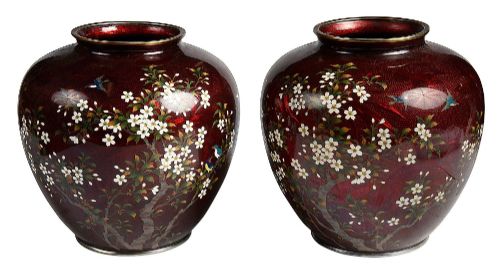
Domestic lighting and hearth equipment form a core part of the offering, represented by Georgian and Victorian candlesticks alongside coal scuttles and boxes. Alongside these European domestic forms sit items from diverse international traditions, including Chinese bronze censers, Japanese cloisonné chargers, and Middle Eastern Cairoware trays and tables.
Materials and methods of construction
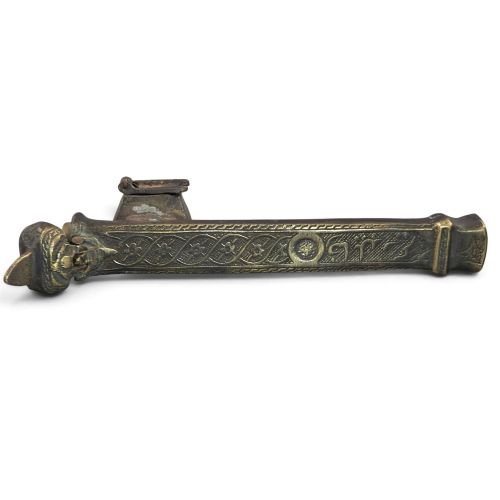
The objects on this page rely primarily on copper alloys, predominantly brass and bronze, often enriched through mixed metal applications involving copper, silver, and white-metal inlays. Artisans utilised casting, hammering, and engraving techniques to shape the metal before finishing surfaces with patination, enamelling, or gilding.
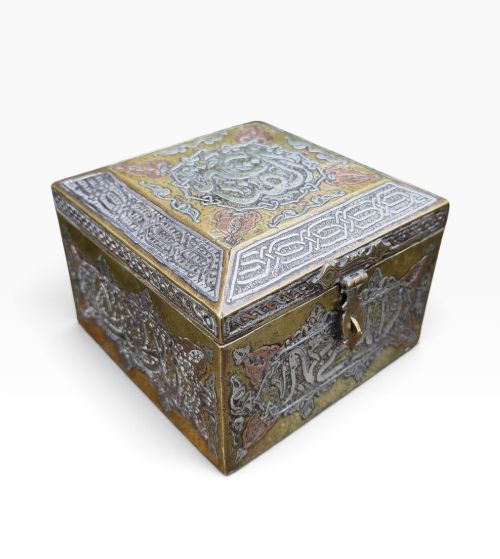
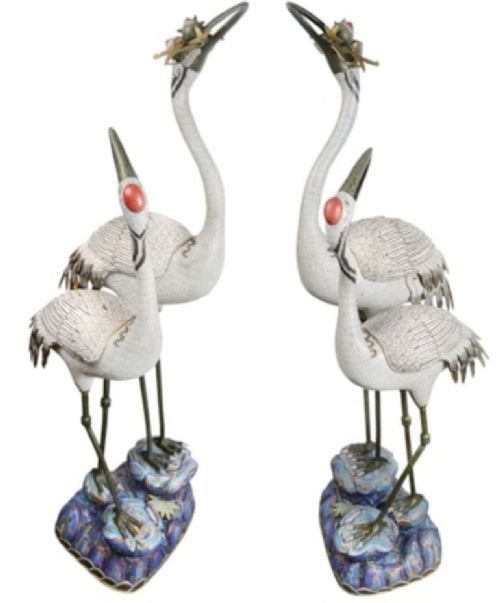
Inlaid pieces, such as Cairoware and Bidri ware, combine brass with contrasting metals like silver and copper to create intricate geometric and calligraphic patterns. Enamelled items incorporate cloisonné techniques where thin metal wires form cells that hold coloured enamel pastes prior to firing.
Materials documented across the inventory include brass, copper, bronze, enamel, silver, gilt bronze, mixed metal, and wood.
Distinctions in quality
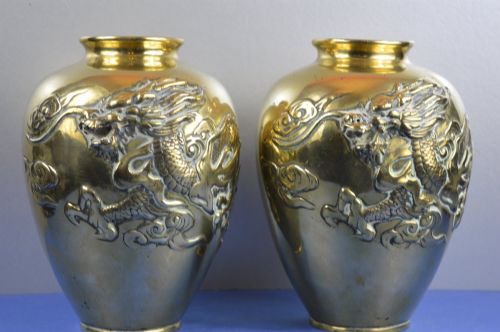
Quality in these items rests upon the crispness of the casting, the precision of the hand-engraving or inlay work, and the structural integrity of the piece over time. Heavier weights in items like censers and candlesticks generally indicate substantial material use and careful manufacturing.
Artistic execution dictates the upper tier of the range, visible in the controlled detail of Meiji period cloisonné enamel or the balanced proportions of 18th-century cast brass candlesticks. Finer examples maintain crisp surface decoration and intentional patination that respects the age of the alloy.
The Antique Brass Metalwork Glossary
- Cairoware
- A style of metalwork originating in Cairo during the late 19th and early 20th centuries, typically featuring brass vessels heavily inlaid with silver and copper in Islamic geometric motifs.
- Cloisonné
- An enamelling technique where metal wire is soldered to a metal base to create compartments, which are then filled with vitreous enamel and fired.
- Censer
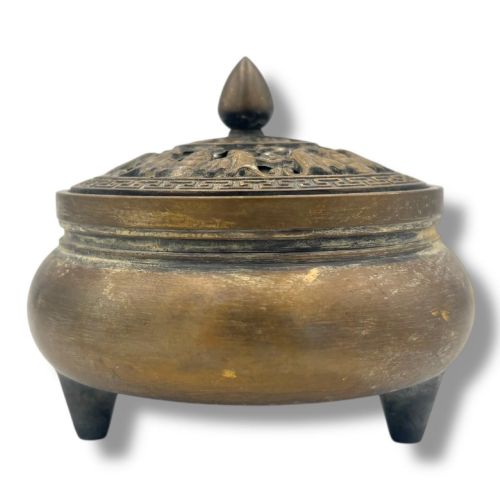
- A vessel designed for burning incense, frequently cast in bronze or brass with tripod supports and perforated covers.
- Bidri ware
- A metal handicraft from India utilising a blackened metal alloy inlaid with contrasting sheet silver.
- Patination
- The natural or artificial alteration of a metal surface over time, producing a characteristic coloration and sheen that marks age.
Antique Brass Metalwork: Frequently Asked Questions
How do I care for antique brass?
Antique brass requires minimal intervention to preserve its historical surface and patination. Dusting with a soft, dry cloth is usually sufficient for regular maintenance.
Harsh chemical polishes should be avoided because they strip away the accumulated patination that confirms the age of the metal. If cleaning is necessary, a gentle wipe with a non-abrasive cloth is recommended.
What distinguishes bronze from brass?
Brass is an alloy made primarily of copper and zinc, while bronze consists mainly of copper combined with tin. These distinct metallurgical compositions result in different working properties and natural surface colours.
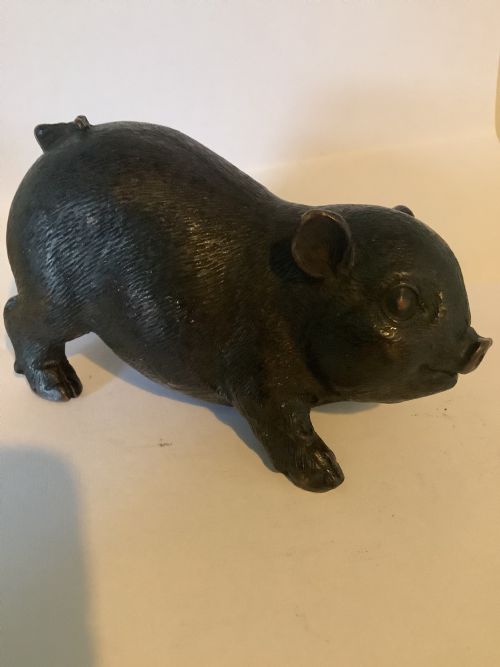
In historical pieces, bronze was often selected for sculptural items and censers due to its strength in casting finer details. Brass found frequent use in domestic wares like candlesticks and utilitarian vessels.
How are periods identified?
Dating antique metalwork relies on a combination of manufacturing marks, stylistic markers, and material analysis. Workshops often applied reign marks, maker signatures, or studio seals, such as Xuande or Wu Bangzuo marks on Chinese bronzes.
Stylistic shifts, such as the organic lines of Art Nouveau or the geometric precision of the Arts and Crafts movement, provide reliable chronological anchors. Comparing construction methods, such as cast versus machine-tooled seams, further clarifies the era of production.