



Vintage Hearth Tools
Vintage hearth tools bring utility and presence to a chimney piece, combining iron, steel and brass to serve an open fire.

Vintage Hearth Tools
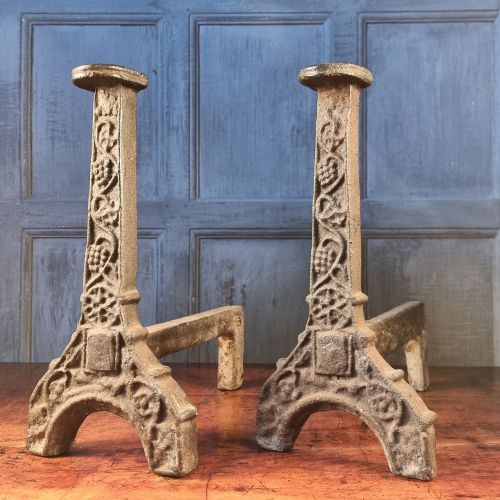
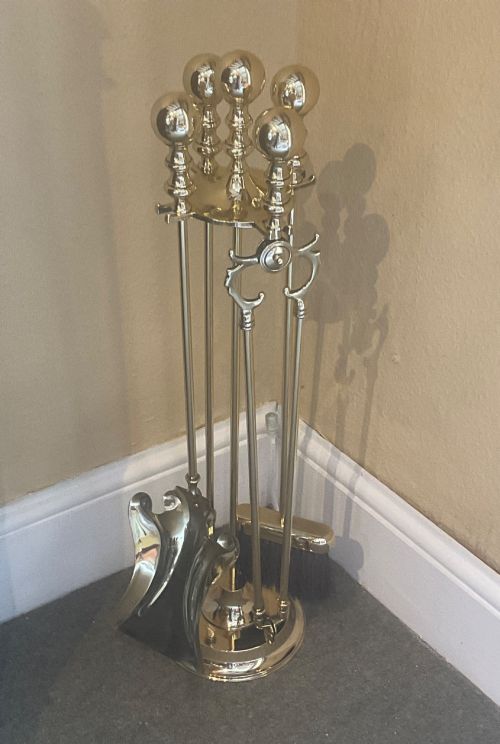
Vintage hearth tools comprise companion sets, fire irons, andirons, and chestnut roasters designed to maintain an open fire. These items date primarily from the eighteenth, nineteenth, and early twentieth centuries, spanning Victorian, Georgian, and Edwardian periods.
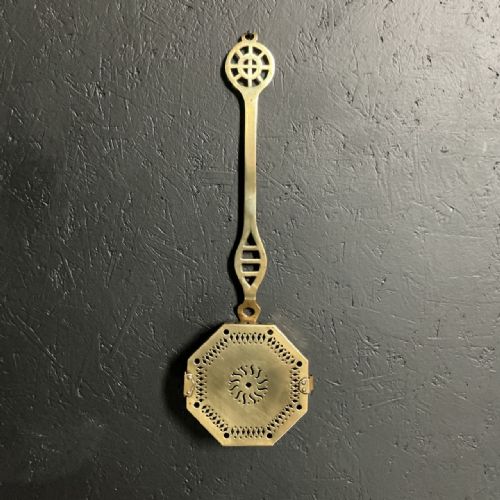
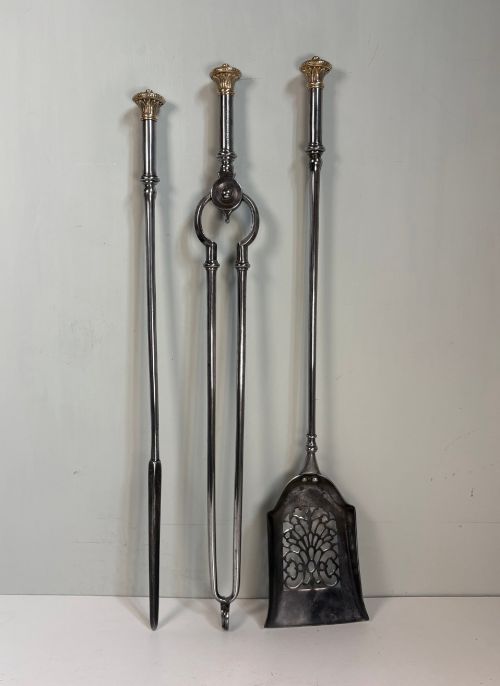
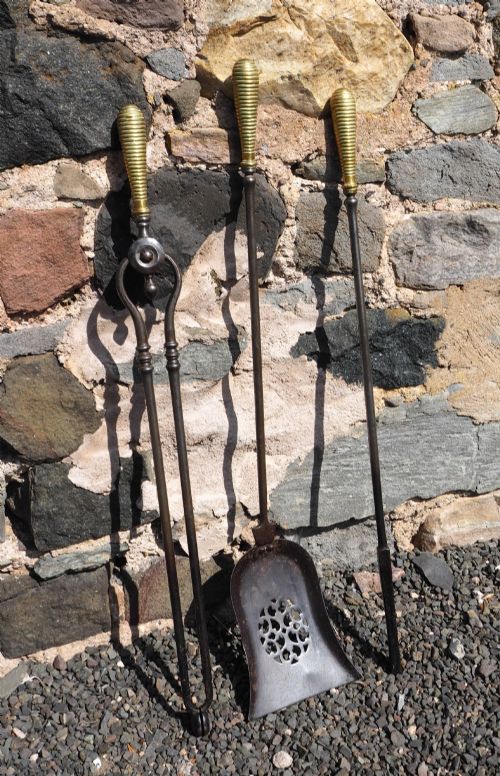
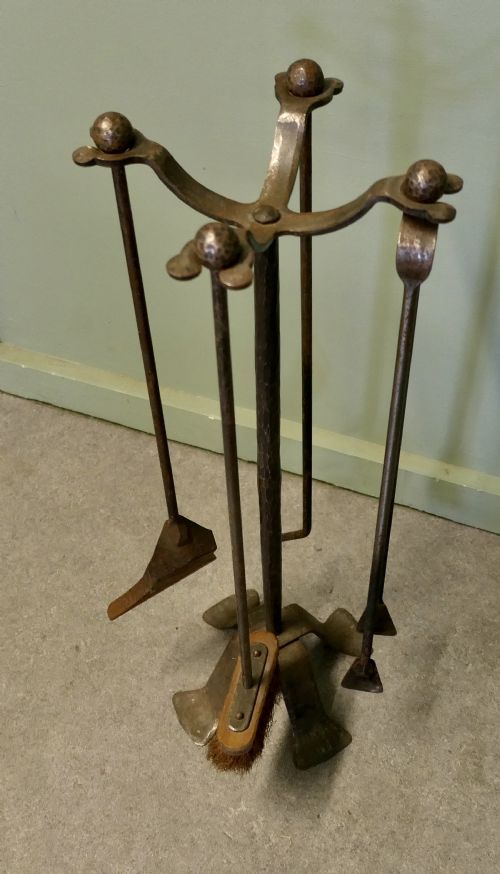
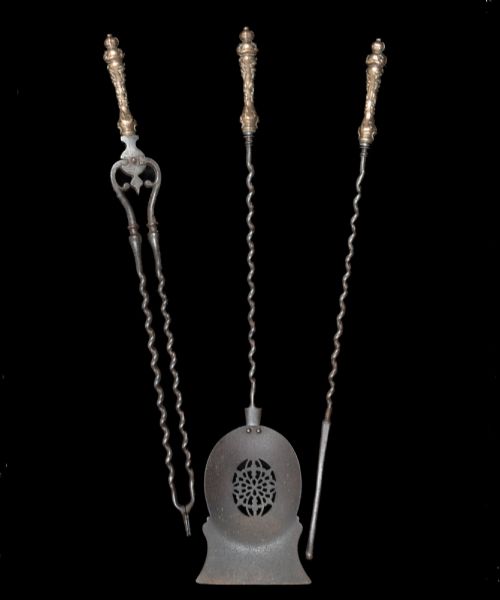
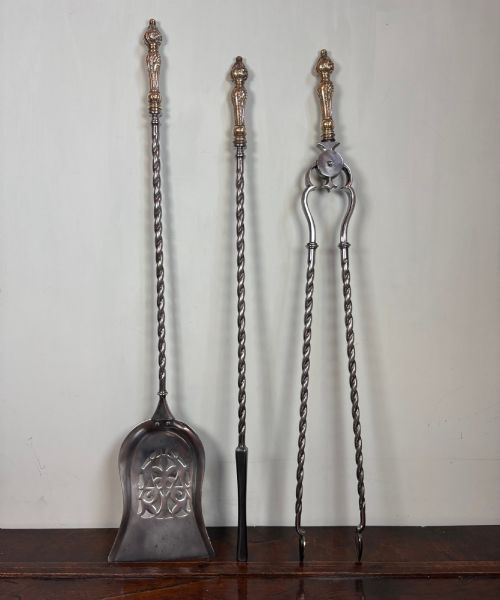
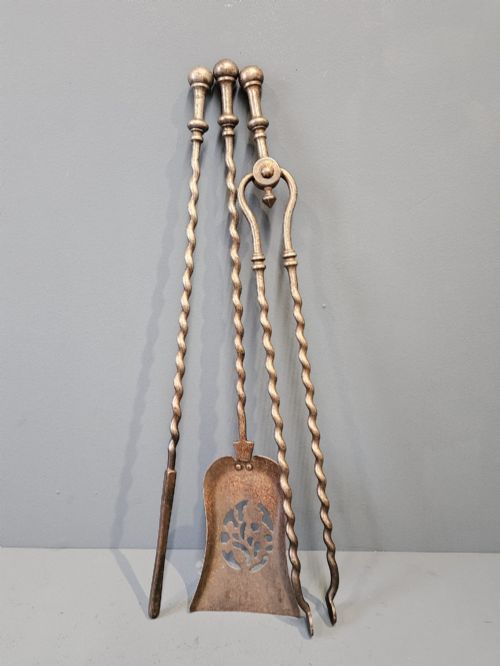
Companion sets and fire irons in brass, steel, and iron dominate the selection on this page. Pieces range from plain country house iron implements to ornate Victorian and Edwardian brass sets featuring rope twist handles and Rococo detailing.
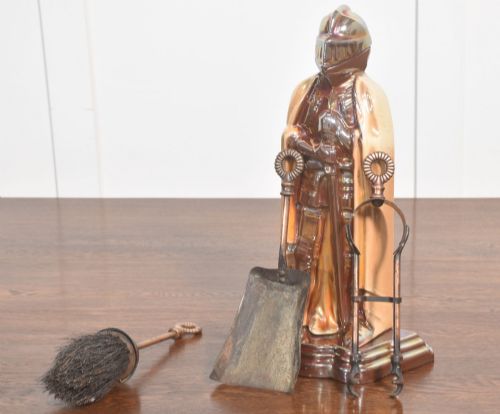
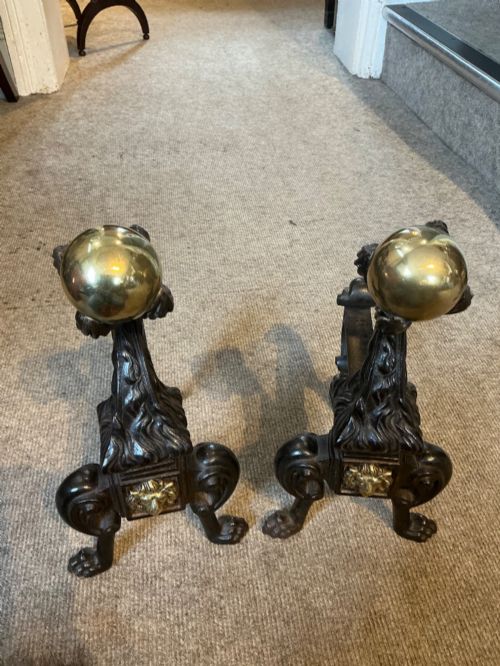
Specialist items such as French andirons, bellows, and novelty companion sets involving golfers or knights also appear. Buyers select these functional implements to equip active fireplaces or to complete a period interior.
How they were made
Smiths and metalworkers shaped these items using wrought iron, cast iron, polished steel, and brass. Steel provided the strength and spring required for active fire irons, while brass offered decorative brightness for handles and companion stands.
Techniques combined hand-forging for robust ironwork with turning and casting for brass components. Details such as rope twist handles and engraved surfaces demonstrate skilled metal manipulation across the Georgian, Victorian, and Edwardian eras.
Vintage Hearth Tools Retail Price Guide 2026
Typical asking prices for vintage hearth tools among the pieces listed under this phrase on Sellingantiques today, from the lower quarter to the upper quarter. They describe what is for sale here now, not the wider market.
A whimsical touch appears in the playful metal golfer companion sets produced during the Edwardian period.
What varies in quality
Substantial weight and solid gauge metal separate utilitarian pieces from finer specimens intended for formal reception rooms. Heavy steel shafts and robust brass mountings endure regular use without bending.
The crispness of cast or chased decoration on handles and companion stands indicates the maker's skill. Fine examples display well-defined proportions and cohesive styling across every implement in a set.
The Vintage Hearth Tools Glossary
- Companion set
- A matched collection of fireplace tools, typically comprising a poker, tongs, shovel, and brush, arranged on a dedicated stand.
- Fire irons
- Individual poker, shovel, and tongs used for tending coals and ash in an open grate.
- Andirons
- Supporting metal bars or firedogs placed on either side of a hearth to elevate logs for better air circulation.
- Chestnut roaster
- A long-handled utensil featuring a perforated metal pan with a lid, designed for roasting chestnuts over open coals.
- Bellows
- A device constructed from wood and leather that delivers a targeted stream of air to stoke a fire.
Vintage Hearth Tools: Frequently Asked Questions
What tools come in a standard set?
Standard sets typically include a poker, a shovel, and tongs for managing fuel and ash. Many traditional collections also incorporate a hearth brush or pair with fire dogs.
Completions vary depending on whether the set is a utilitarian country house grouping or a formal Victorian parlour arrangement.
How do I care for brass fire tools?
Brass tools require occasional gentle cleaning with a soft cloth to maintain their lustre without stripping historic patination. Avoid harsh abrasive compounds that can wear down engraved details.
Steel components benefit from a light application of protective oil to prevent surface oxidation in damp environments.
Can antique fire tools be used?
Most nineteenth and early twentieth century iron and steel implements remain entirely functional for tending daily fires. Heavy wrought iron and thick steel are built to withstand heat and physical strain.
Delicate brass companion sets or decorative cast pieces suit lighter duties or serve as decorative hearth furniture.
How do I identify a Georgian fire set?
Georgian fire irons generally exhibit restrained classical proportions, featuring faceted steel shafts and simple urn or ball finials. Materials are predominantly forged steel or iron, sometimes accented with brass.
Later Victorian and Edwardian iterations frequently introduce heavier cast brass handles, rope twist motifs, and more elaborate Rococo styling.