





Cast Brass Fire Irons
Cast brass fire irons bring warmth and period character to a hearth, combining sturdy metalwork with bright, polished handles and shafts.

Cast Brass Fire Irons
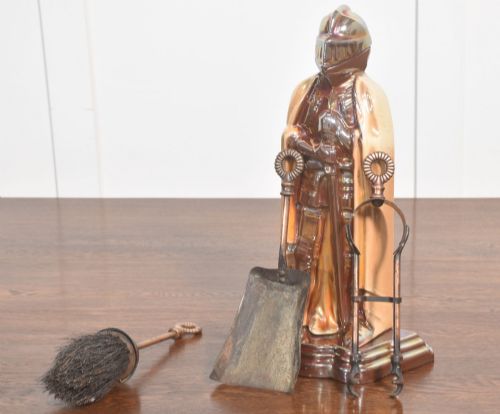
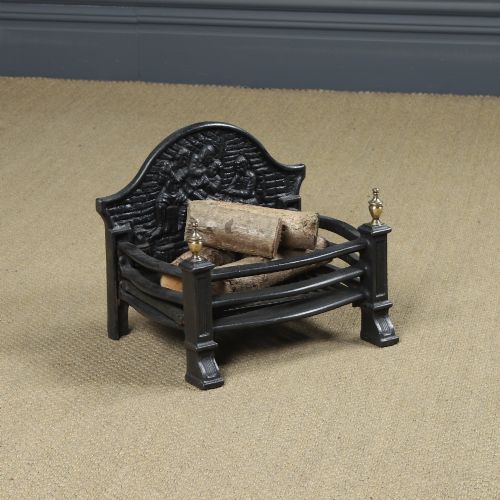
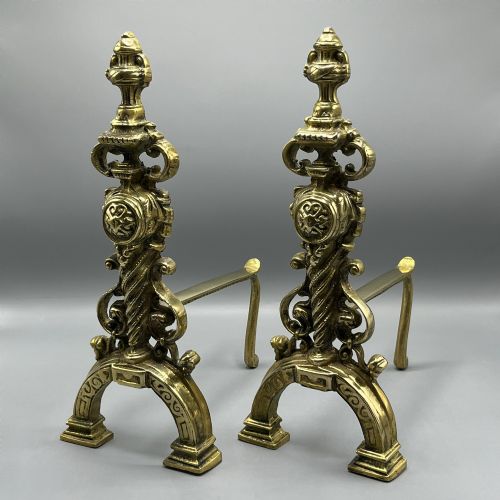
When you search for cast brass fire irons, you find sets typically comprising a shovel, poker and tongs designed to tend an open hearth. These pieces frequently appear alongside companion sets, fire dogs, and grates dating from the Victorian and Edwardian eras.
The most common configurations on this page include sets of three tools, often accompanied by matching brass fire dogs or fenders. They bridge the gap between practical hearth maintenance and decorative domestic display.

How They Were Made
These items rely on a combination of cast brass for decorative grips or finials and forged iron or steel for the working shafts. Casting allowed makers to shape elaborate patterns and handle designs, while iron provided the strength needed for lifting heavy coals and logs.
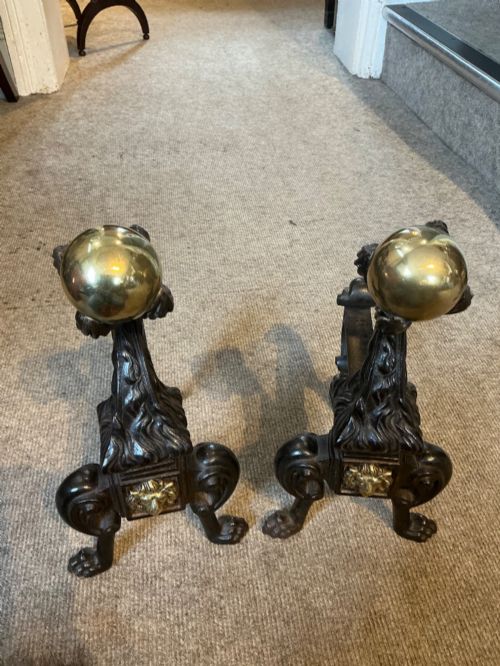
Makers integrated mixed metals within single suites, pairing bright brass elements with blackened cast iron or polished steel components. This construction ensured both visual contrast and durability during daily fireside use.
Cast Brass Fire Irons Retail Price Guide 2026
Typical asking prices for cast brass fire irons among the pieces listed under this phrase on Sellingantiques today, from the lower quarter to the upper quarter. They describe what is for sale here now, not the wider market.
Listings feature brass, cast iron, steel, and wrought iron across Victorian, Edwardian, and Regency periods.
What Varies in Quality
The distinction between ordinary and superior pieces rests on the crispness of the cast ornamentation and the integrity of the metal joints. Better examples display cleanly defined handle details and substantial weight without looseness in the tool shafts.
Material thickness and harmonious matching across the full set also dictate grade, where superior suites maintain uniform brass casting quality and balanced proportions from the poker to the shovel.
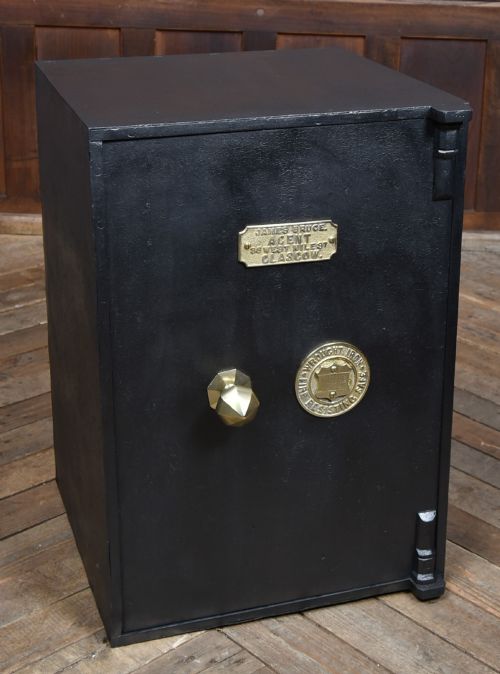
James Bruce Glasgow·Milners of Liverpool
The Cast Brass Fire Irons Glossary
- Fire irons
- Implements used for tending a fire, typically consisting of a poker, tongs, and a shovel. These are either stood upright in a companion stand or laid across a fender.
- Andirons
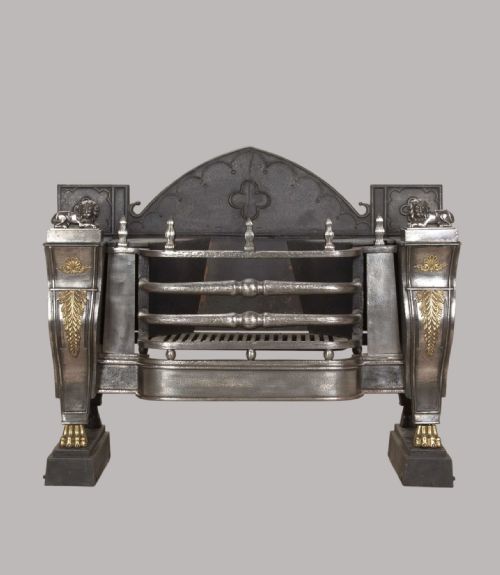
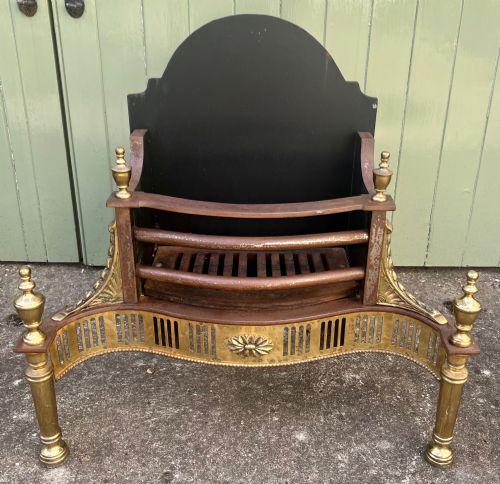
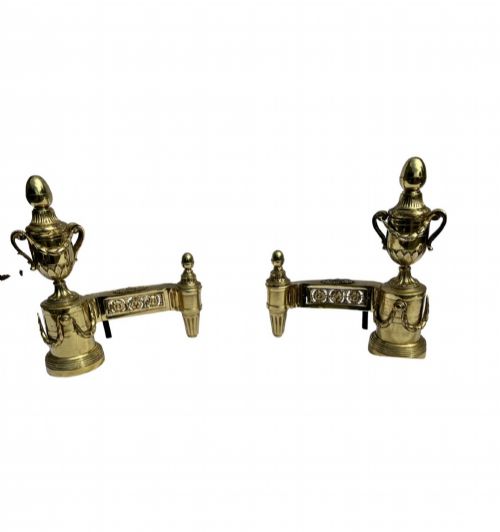
- Horizontal metal bars supported on legs, used to raise firewood off the hearth to improve air circulation. They often feature decorative cast brass fronts that match the fire irons.
- Fender
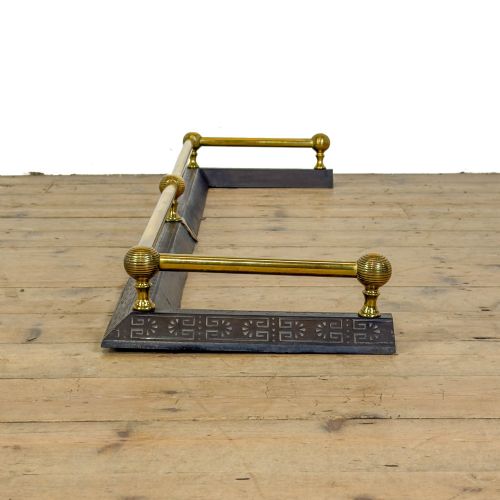
- A low metal guard placed around the hearth to contain stray embers and ash. Many incorporate tool rests or matching brass construction.
- Companion set
- A coordinated collection of fireplace tools and their dedicated stand or holder. They became particularly popular during the nineteenth century for neat fireside storage.
- Cast iron
- An iron-carbon alloy poured into moulds to create rigid structural or decorative components. It forms the sturdy base for many grates and fire tool shafts.
Cast Brass Fire Irons: Frequently Asked Questions
What tools are included in a set?
Standard sets contain a poker, tongs, and a shovel. These three implements cover the essential tasks of moving logs, placing fuel, and clearing ash.
Additional pieces such as brushes or companion stands appear in larger suites, particularly those from the Victorian period.
How do I date these pieces?
Dating relies on stylistic clues, casting techniques, and material combinations seen across the nineteenth and early twentieth centuries. Victorian and Edwardian examples often exhibit distinct decorative motifs like Gothic Revival or Adam style influences.
Matching andirons or companion stands listed with the tools help narrow the production era through design conformity.
Can I use them on an active fire?
Most surviving sets remain structurally robust enough for regular use in an open hearth or basket grate. The iron and steel shafts are forged to handle the weight of logs and coal.
Care should be taken with antique brass handles to preserve the historic finish against excessive heat and soot.
How do I maintain the brass finish?
Periodic gentle cleaning removes soot and dust accumulated from hearth use without stripping the aged patina. Many collectors prefer to retain the darker, mellowed tones developed over decades.
Avoid abrasive compounds that can wear down the crisp details of the original brass casting.