


Iron Handle Copper Pot
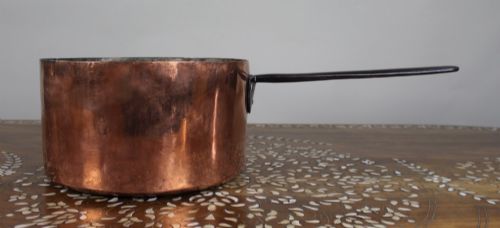
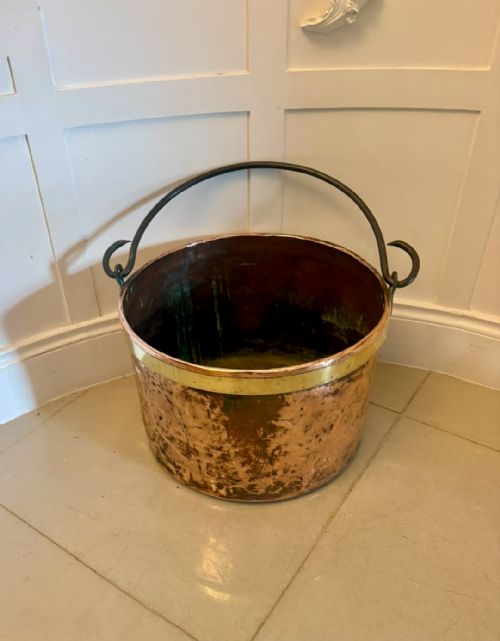
An iron handle copper pot brings genuine utility and warmth to a kitchen or fireside, combining sturdy metalwork with hand-beaten metal.
Iron Handle Copper Pot
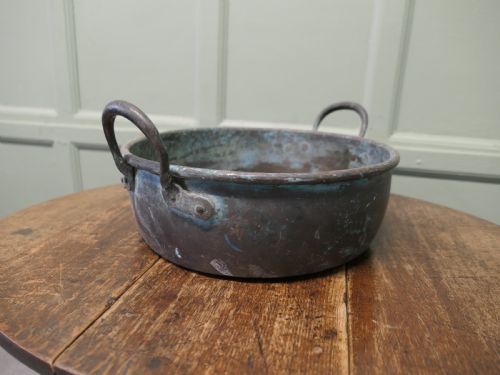
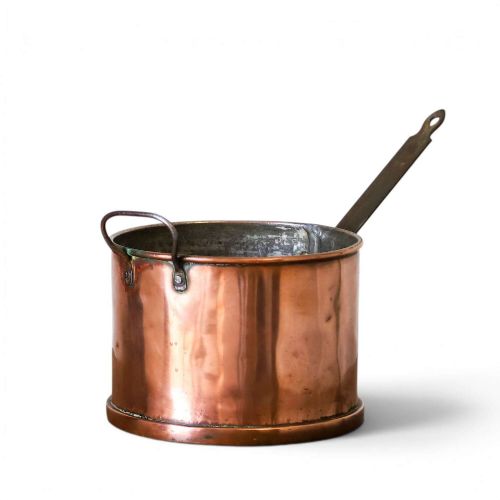
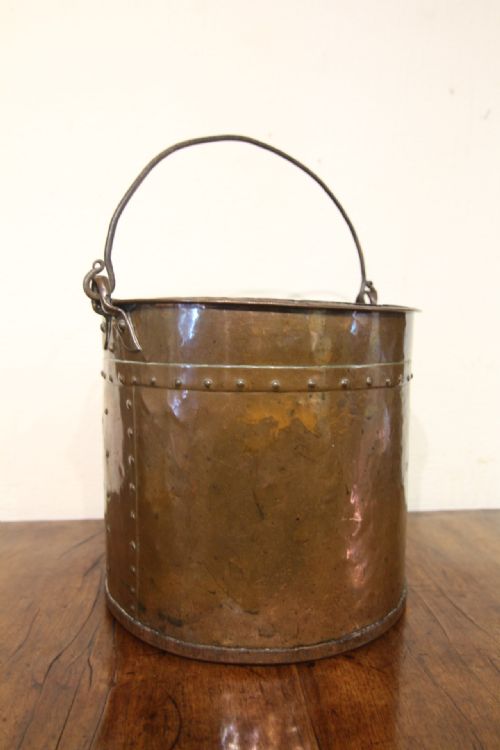
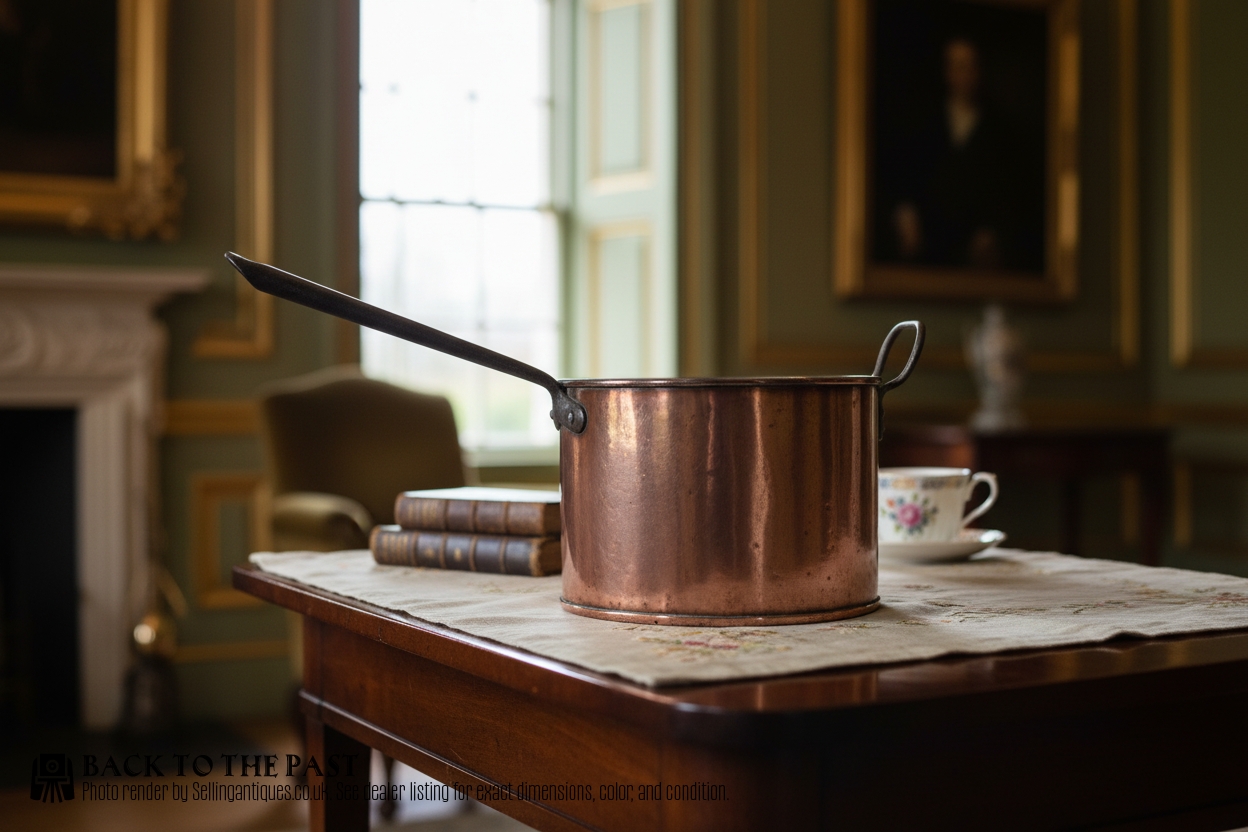
An iron handle copper pot encompasses heavy cookware, log bins, and fireside buckets dating from the Georgian and Victorian eras. These items served practical domestic purposes in kitchens and hearths before finding places as decorative pieces.
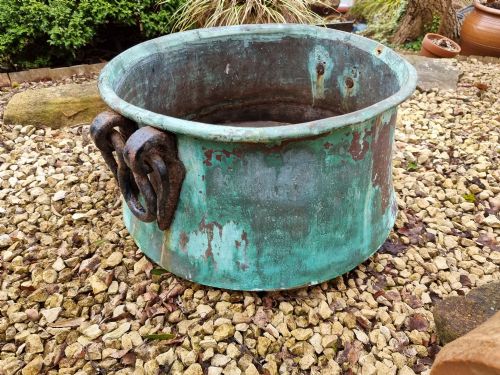
Buyers will encounter vessels with hand-beaten finishes, verdigris surfaces, and riveted construction. Iron handles and swing handles provide the robust grip necessary for heavy culinary tasks.
Materials and construction
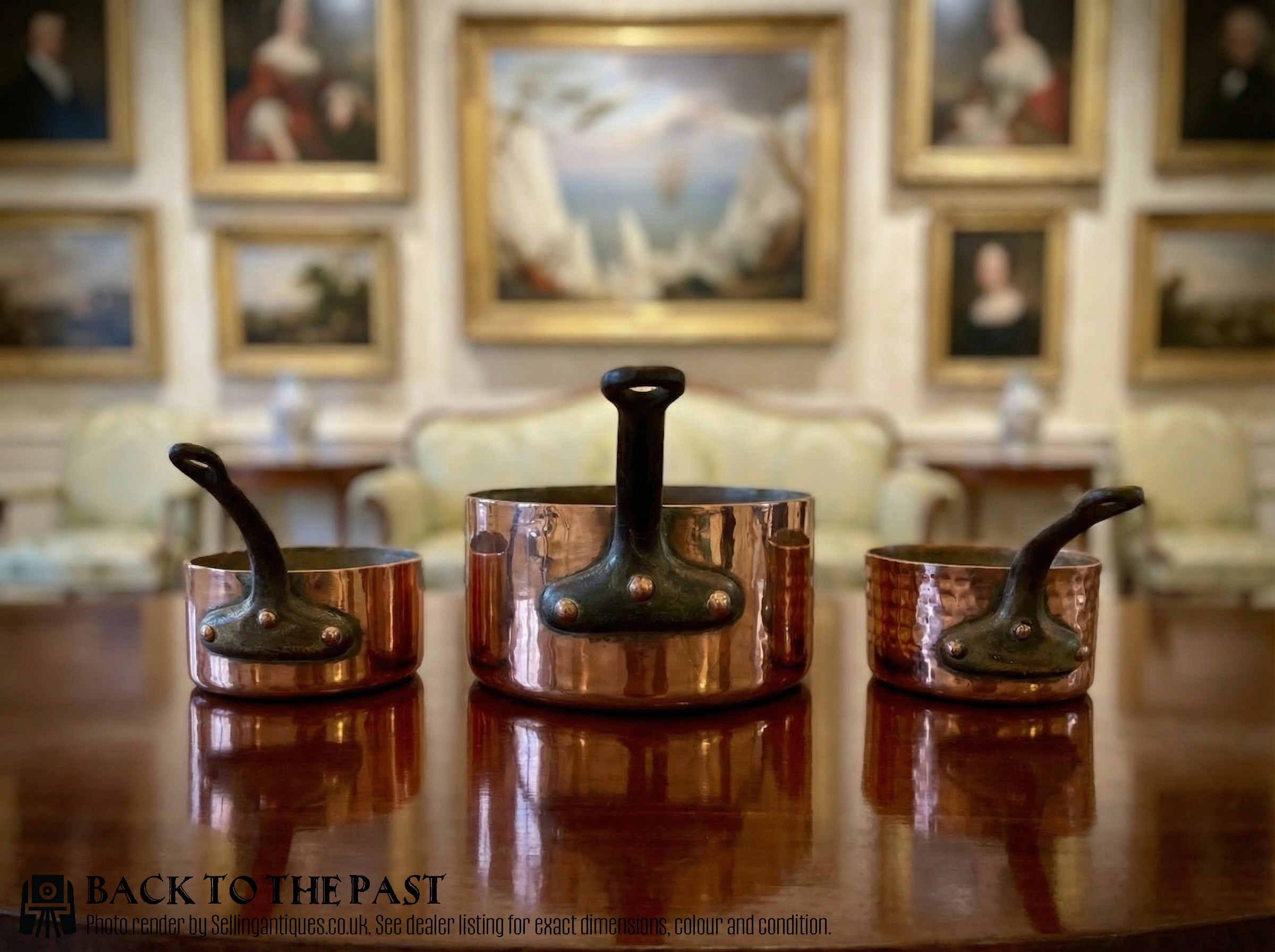
Craftsmen built these vessels using heavy gauge copper hammered into shape, joined with visible rivets along the seams. The metal provides excellent thermal conductivity for cooking and rich warmth for display.
Handles and swing bails utilise wrought iron or cast iron, securely attached to the copper bodies. Tin linings frequently coat the interior surfaces of culinary pans to prevent direct contact with food.
Listings feature copper, iron, wrought iron, cast iron, tin, and brass across Georgian and Victorian periods.
Factors of quality
The weight and thickness of the copper gauge distinguish superior vessels from lighter domestic items. Heavy gauge metal retains structural integrity and resists denting through decades of use.
The precision of hand-beating and the security of the iron handle attachment reflect the maker's skill. Clean riveting and well-balanced proportions mark the finest pieces in this range.
Hodges and Sons·Liptons·Griffiths Patent
The Iron Handle Copper Pot Glossary
- Gauge
- The thickness of the metal sheet used to form the pot. A heavier gauge indicates a more substantial and durable vessel.
- Verdigris
- The green patina that forms naturally on copper over time through oxidation. This surface finish adds age and visual character.
- Cauldron
- A large round pot with a swing handle designed for heating over an open fire. These deep vessels handle substantial volumes of liquid or fuel.
- Preserving pan
- A wide, open pan utilised for boiling fruits and sugars. The broad shape allows rapid evaporation during jam making.
- Riveted
- Joined together using metal pins hammered flat to secure overlapping sheets. This method predates modern welding techniques.
Iron Handle Copper Pot: Frequently Asked Questions
How do I clean a copper pot?
Traditional copper cleaner or a mixture of salt and acid removes tarnish effectively. Avoid abrasive pads that scratch the hand-beaten surface.
Preserving the natural patina is often preferred by collectors who value the aged appearance over a bright shine.
Were these pots used for cooking?
Many of these vessels functioned as active kitchen cookware for sauces, preserves, and boiling water. The tin lining protected food from reacting with the copper metal.
Larger cauldrons and log bins served hearth duties for heating water or storing fuel by the fireplace.
Can I use them on a modern hob?
Heavy gauge copper pans conduct heat efficiently on gas and traditional cookers. Modern induction hobs may require an interface disc unless the base is compatible.
Many buyers choose to display these pieces in kitchens or use them as planters rather than for daily cooking.
How do I date a copper pot?
Georgian and Victorian pieces display distinct handle forms, hammering techniques, and construction methods. Maker stamps and patent marks provide specific clues to manufacturing dates.
Hand-riveted seams and wrought iron fittings generally point towards nineteenth-century or earlier origins.