


Antique Copper Mold
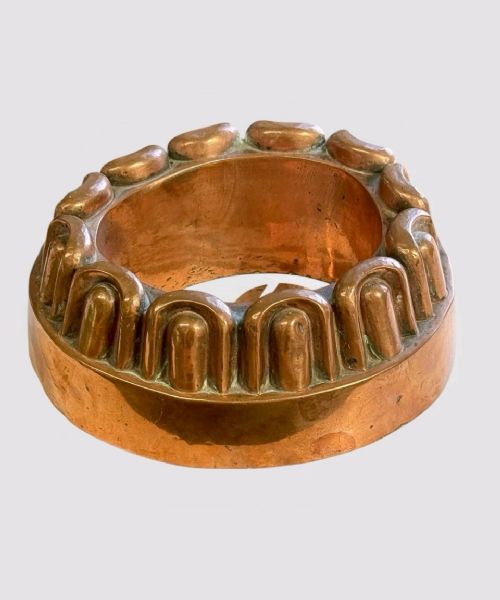
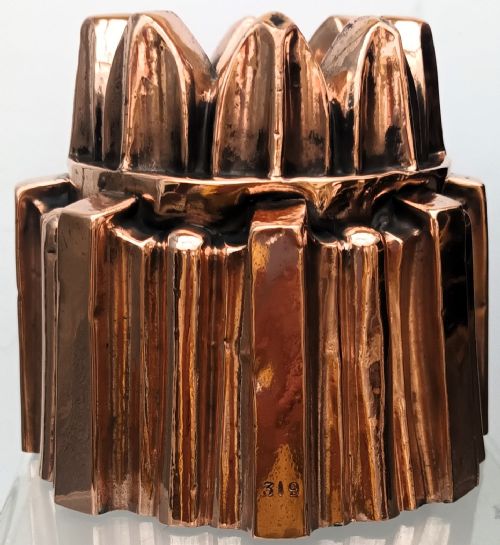
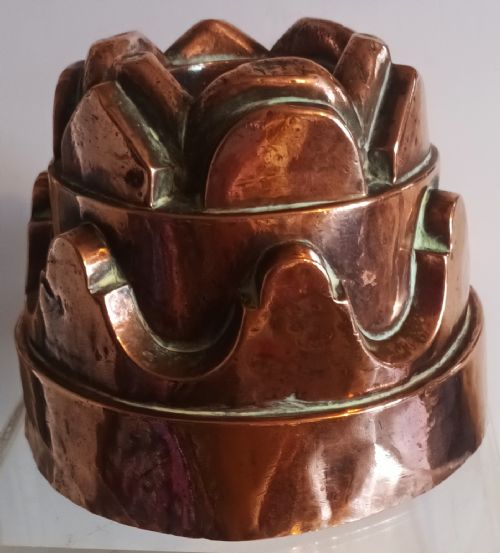
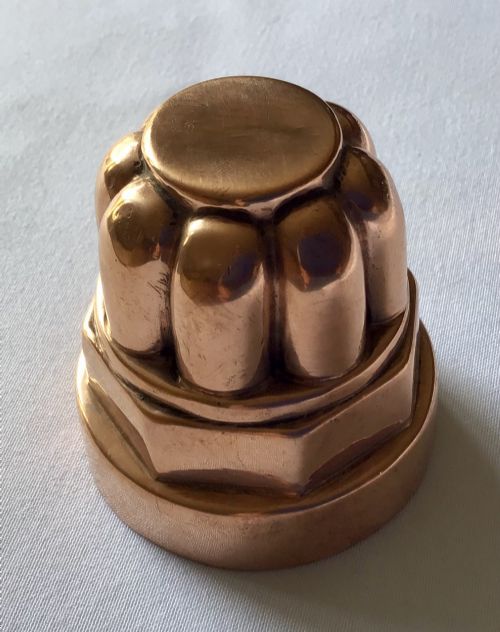
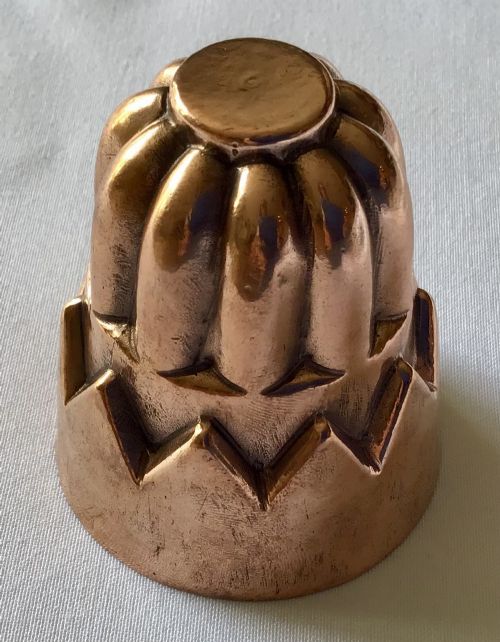
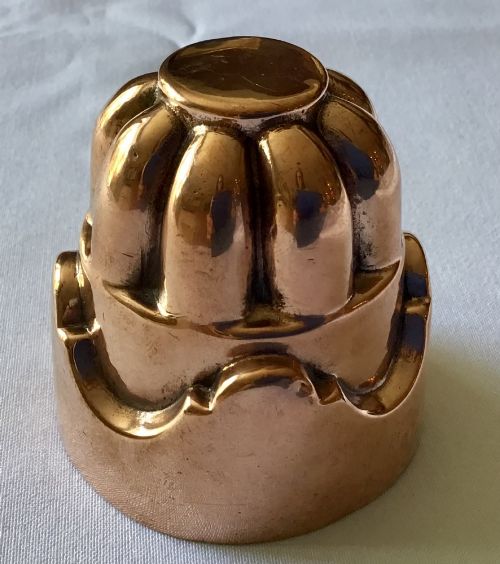
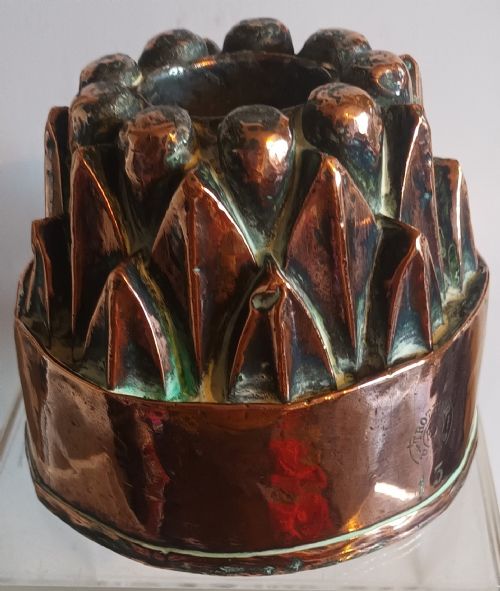
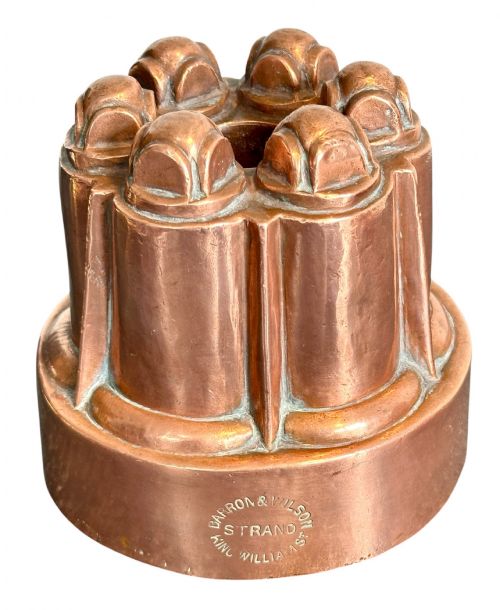
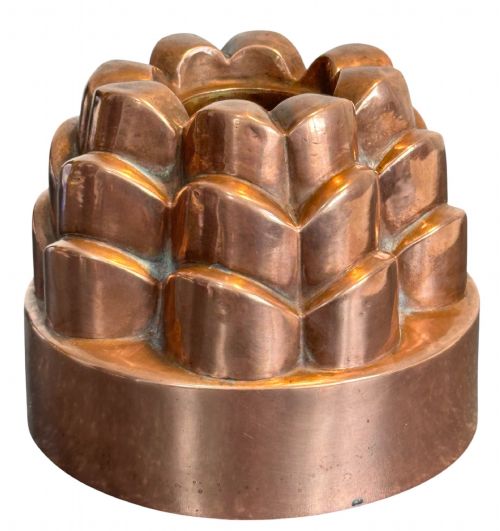
An antique copper mould is a heavy kitchen vessel designed to shape jellies and puddings with striking architectural or figurative patterns.
Antique Copper Mold
When you search for an antique copper mould, you encounter kitchenware spanning the nineteenth century, including Victorian jelly moulds and ice cream pots. These pieces range from standard kitchen containers to miniature jelly moulds and specialised culinary shapes such as castle tops and cat forms.
The versions you meet most frequently on this page belong to the Victorian era, often bearing English or French origins. Alongside standard kitchenalia, the selection also includes unrelated items that share material or period characteristics.
Moulds served a practical domestic purpose in period kitchens before appearing as wall art or kitchen collectables in modern homes. Their primary function was shaping culinary creations efficiently while presenting an ornamental design on the dining table.
Materials and construction
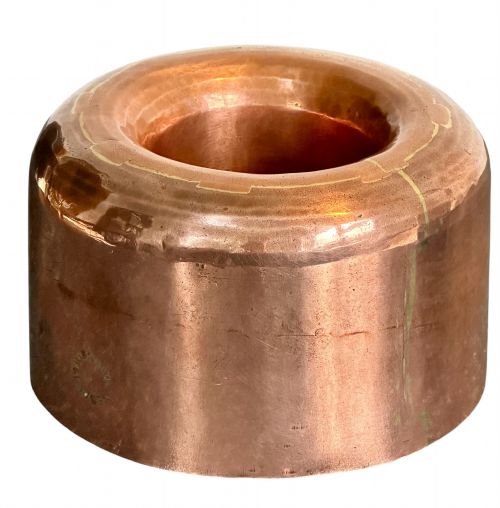
These items rely on heavy sheet copper hammered or raised to form intricate internal cavities. Makers lined the interior surfaces with tin to prevent food from reacting directly with the copper during use.
Some examples incorporate brass or enamel elements, while related items combine copper with frosted glass in chandelier fixtures or feature earthenware bodies in lustre jugs. Surviving pieces show the hand-working marks characteristic of nineteenth-century metalwork.
A nineteenth-century cat mould waits patiently among the copper vessels to turn out your next feline-shaped jelly.
Judging quality in copper moulds
Quality rests in the crispness and depth of the internal design, where sharper architectural details and well-defined figurative subjects separate superior pieces from plain forms. Miniature versions and specific figural shapes demand greater skill from the maker.
The integrity of the original tin lining and the weight of the copper sheet itself indicate the standard of production. Pieces bearing maker stamps or retailer marks demonstrate a higher level of historical interest.
Trottier·Harrods·Jean Gauthier
The Antique Copper Mold Glossary
- Tin Lined
- Coated on the interior with a thin layer of tin to create a safe barrier between food and the copper body. This traditional finish protected ingredients from metallic tastes during culinary use.
- Kitchenalia
- Domestic utensils and culinary equipment collected for their historical interest and decorative appeal. These items document past methods of food preparation and kitchen organisation.
- Castle Top
- A culinary mould featuring an architectural design modelled on fortifications or towers. Such shapes produced elaborate moulded jellies for formal dining tables.
- Earthenware
- Pottery fired at lower temperatures to produce a porous, opaque body. This material appears in lustre wares associated with nineteenth-century domestic ceramics.
Antique Copper Mold: Frequently Asked Questions
What were copper moulds used for?
These vessels shaped jellies, aspics, and frozen desserts in domestic kitchens. Cooks packed ingredients inside the cavity to set before turning the contents out onto a dish for presentation.
They functioned as both utilitarian kitchen equipment and decorative tableware for grand meals. The intricate designs created elaborate patterns on the food.
How do I clean an antique copper mold?
Maintenance depends on whether you intend to use the item for cooking or display. Traditional cleaning involves mild polishes formulated specifically for copper surfaces to reduce tarnish without removing the metal.
Preserving the interior tin lining requires care to avoid abrasive scrubbing. Many collectors prefer to leave a gentle patina rather than achieving a bright finish.
Are these moulds safe for modern cooking?
Using vintage kitchenware for food preparation depends entirely on the condition of the interior tin lining. If the tin has worn away to expose bare copper, the vessel is unsuited for culinary use.
Most buyers display these pieces as wall art or kitchen collectables rather than utilising them for cooking. Professional retinning is required to restore food safety.
How can I tell a Victorian mould apart?
Nineteenth-century examples display construction methods typical of the period, such as hand-dovetailed seams and heavy gauge metal. Design motifs often reflect Victorian tastes for Gothic architecture and figurative subjects.
Makers and retailers from the era occasionally stamped their names directly into the metal. Comparing weight and internal detail helps distinguish period pieces from later reproductions.