

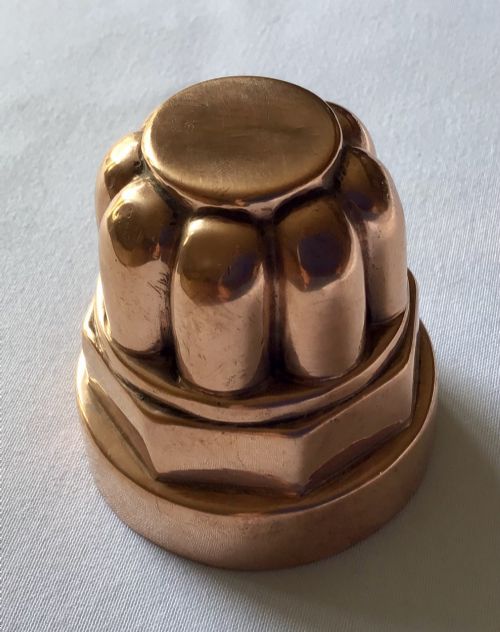


Vintage Copper Jelly Mold
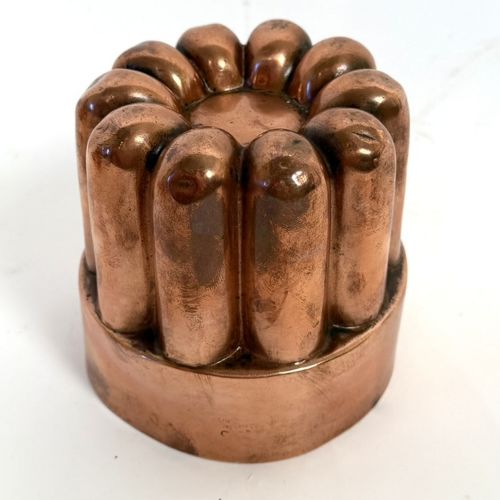
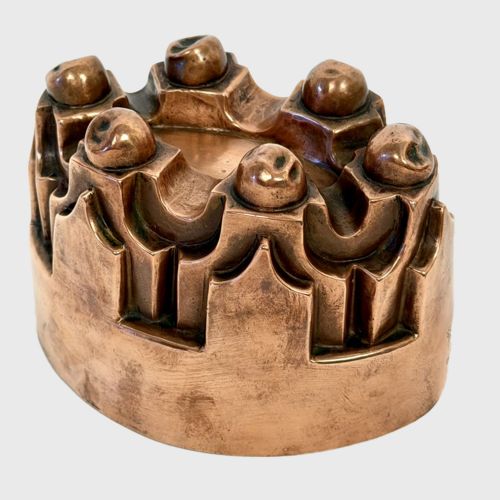
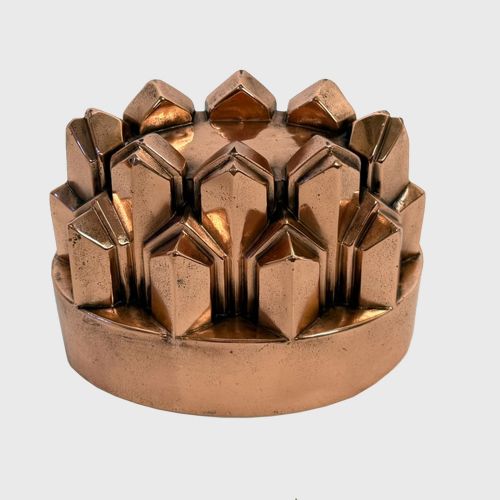
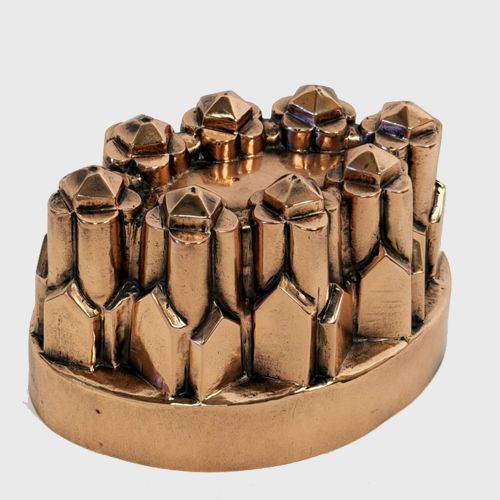
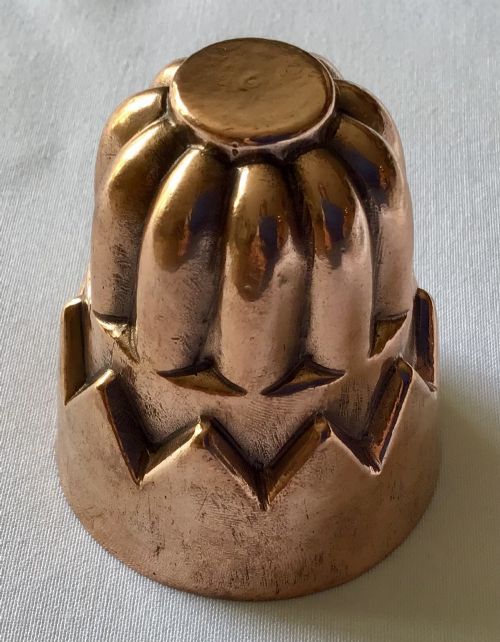
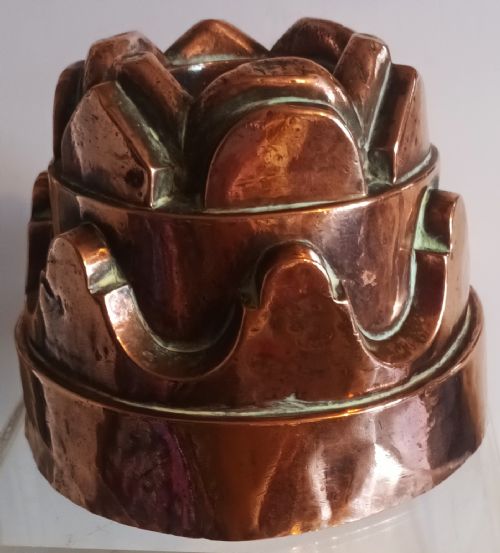
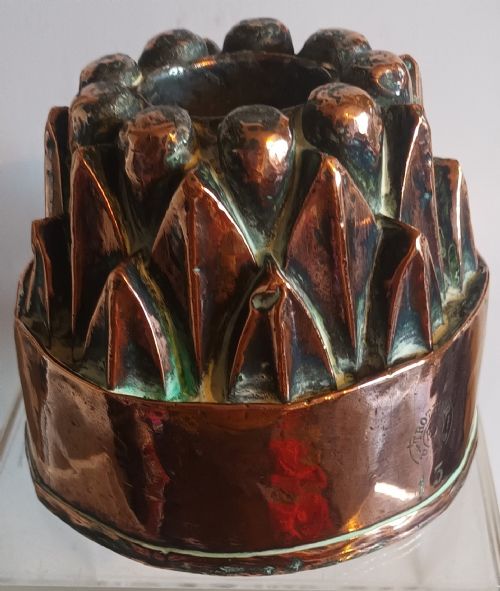
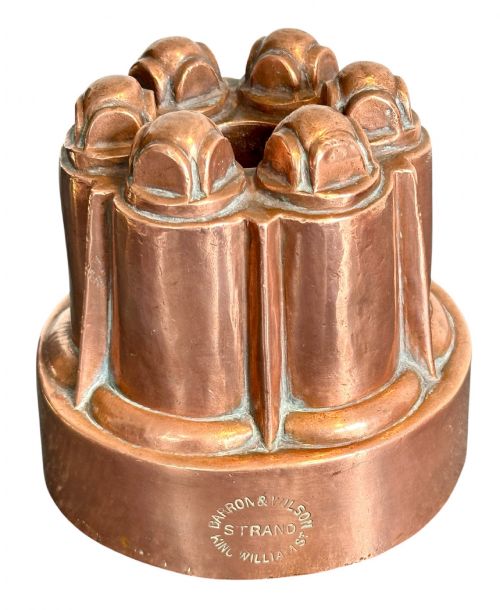
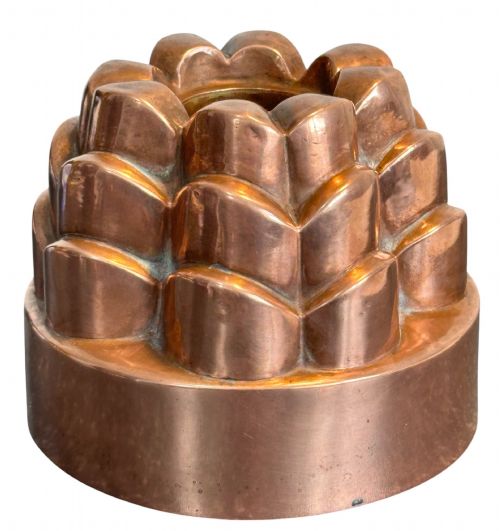
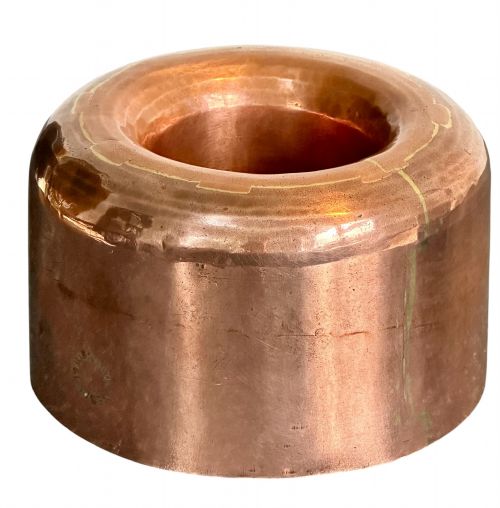
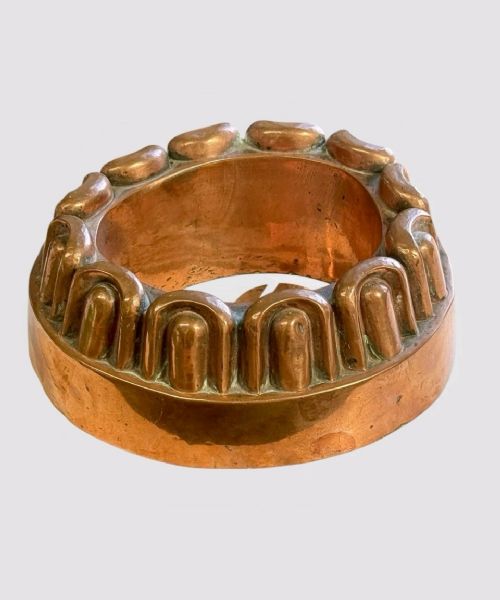
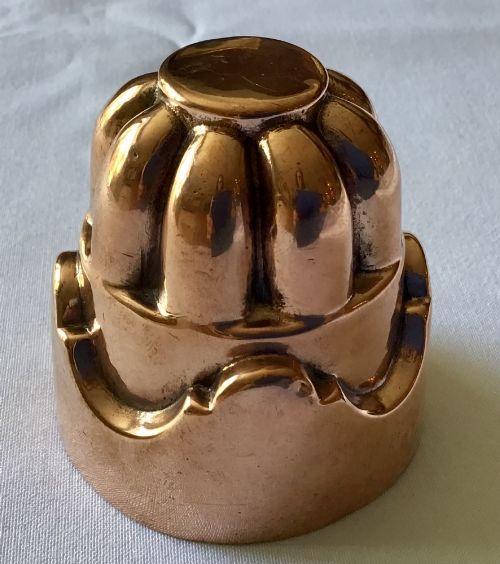
These vintage copper jelly mould pieces bring distinct nineteenth-century kitchenalia character to a display, offering heavy metal construction and decorative shapes.
Vintage Copper Jelly Mold
When you search for a vintage copper jelly mould, you are looking at functional nineteenth-century kitchenalia designed for shaping culinary dishes. These items range from standard jelly moulds to specialised kitchen moulds and ice cream pots.
You are most likely to meet Victorian and nineteenth-century French examples on this page. The forms include round shapes, oval profiles, miniature sizes, and castle tops, alongside specific animal motifs like a cat mould.
The origin varies between English and continental workshops, sometimes bearing retailer stamps or maker names from the period. Their dual life as practical kitchen equipment and decorative kitchen collectables explains their enduring appeal.
How they were made
The primary material visible across the inventory is heavy copper, paired with interior tin linings to prevent food interaction. Brass and bronze elements occasionally appear on fittings or paired lidded pots.
Makers shaped the metal by hand, raising the heavy copper over stakes to form intricate fluted designs, castle turrets, and figurative subjects. The interior tinning was applied manually, creating a protective layer inside the raw metal shell.
Vintage Copper Jelly Mold Retail Price Guide 2026
Typical asking prices for vintage copper jelly mold among the pieces listed under this phrase on Sellingantiques today, from the lower quarter to the upper quarter. They describe what is for sale here now, not the wider market.
What varies in quality
Quality rests upon the crispness of the raised design and the weight of the metal. Sharp details on architectural motifs like castle tops or figurative shapes separate superior pieces from simpler, worn forms.
The condition of the interior tin lining and the integrity of the heavy copper wall dictate the standard of survival. Original retailer markings or documented maker stamps add a layer of distinction to specific kitchenalia pieces.
Trottier·Harrods
The Vintage Copper Jelly Mold Glossary
- Tin-lined
- Coated on the interior surface with a thin layer of tin. This traditional process protected food from direct contact with the reactive copper metal.
- Kitchenalia
- Historical utensils and equipment used in food preparation. Collectors prize these items for their display qualities in domestic settings.
- Castle top
- A decorative mould shape featuring architectural battlements and turrets. This style produced elaborate moulded jellies for Victorian dining tables.
- Miniature
- A scaled-down version of a standard kitchen mould. These small items were often used for individual portions or specialised confectionery.
Vintage Copper Jelly Mold: Frequently Asked Questions
What were vintage copper jelly moulds used for?
These pieces served as kitchen implements for setting jellies, aspics, and blancmanges in nineteenth-century households. Cooks packed them with ingredients before chilling the contents to create ornate shapes for the dining table.
Today, buyers primarily collect them for display in kitchens and dining rooms. Their sculptural forms and warm metal tones suit traditional and modern interiors alike.
How do I tell Victorian pieces apart?
Victorian examples often feature distinct heavy copper construction paired with traditional tin linings. Look for specific architectural motifs like castle tops or detailed animal forms characteristic of the period.
Proportions also help distinguish age, with nineteenth-century pieces displaying hand-formed weight and construction methods. Continental pieces, such as French items, may show slightly different forming techniques compared to English equivalents.
Are miniature copper jelly moulds functional?
Miniature versions were originally created for making small, individual portions of desserts or savouries in wealthy households. Their smaller scale required delicate handling during the setting and unmoulding process.
In modern collections, miniatures are typically displayed in groups rather than used for cooking. Their tiny proportions and intricate fluting make them popular focal points for shelving displays.
How do I clean copper kitchenalia?
Maintaining nineteenth-century copper involves gentle cleaning to preserve the natural metal surface and aged patina. Harsh abrasives should be avoided to protect the original hand-raised texture and any remaining maker marks.
The interior tin lining should be treated with care to maintain its historical appearance. Regular dusting and occasional mild polishing keep the exterior metal bright without stripping its character.