



Victorian Culinary
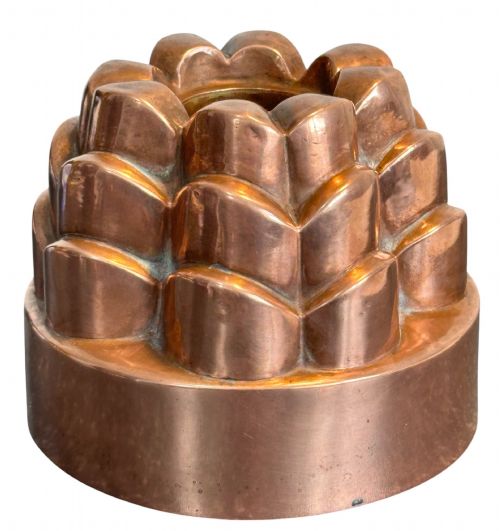
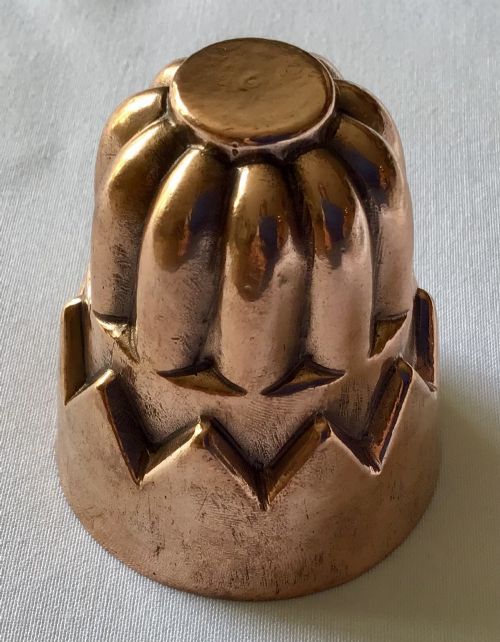
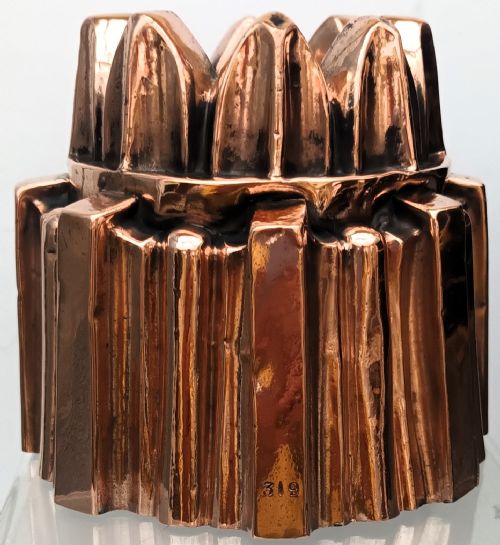
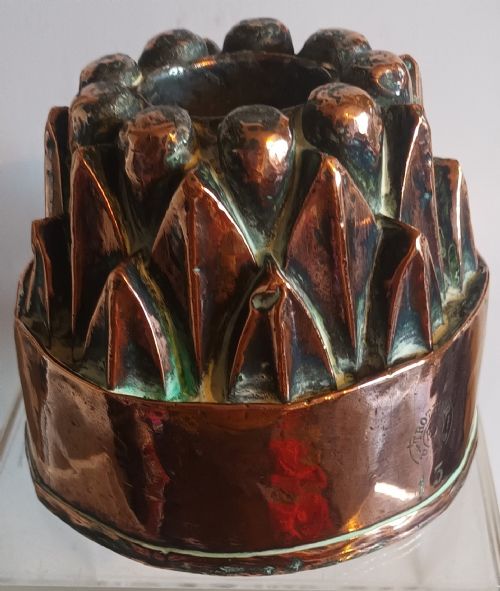
These Victorian culinary antique pieces are heavy copper jelly moulds and kitchen pans built for actual nineteenth-century work.
Victorian Culinary
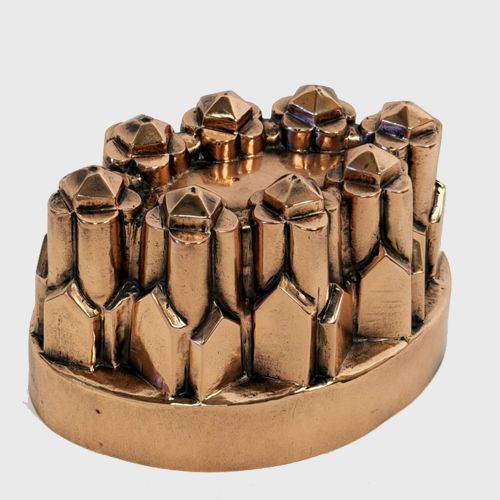
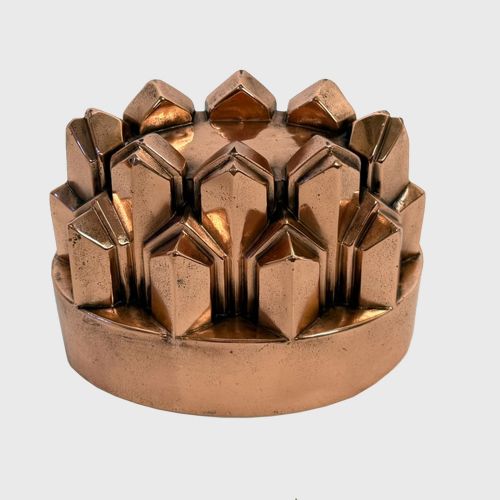
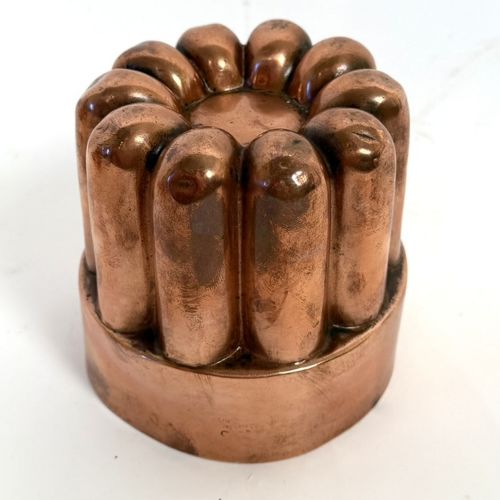
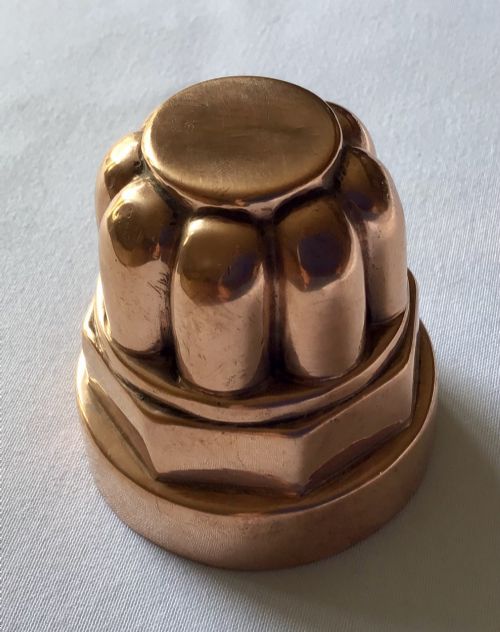
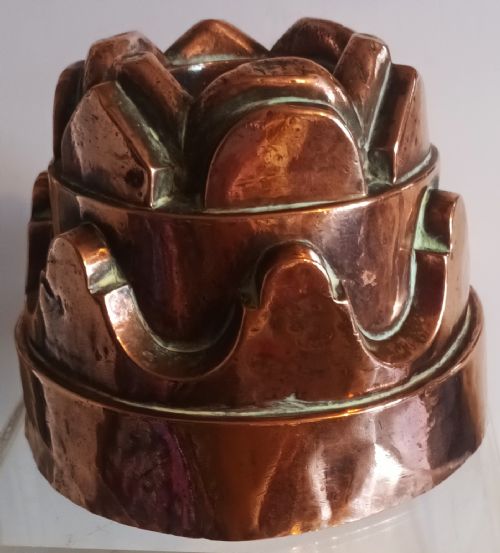
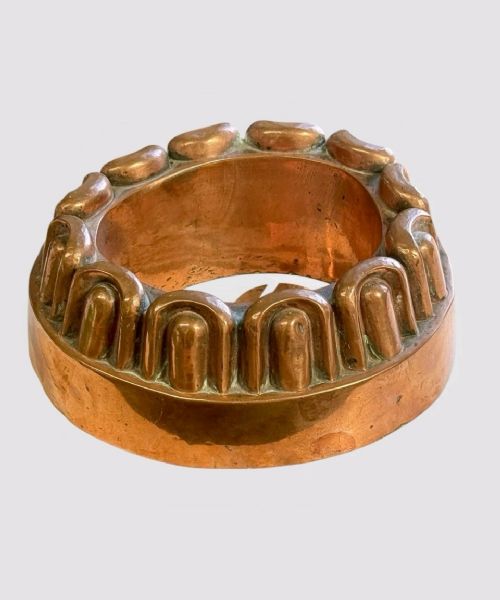
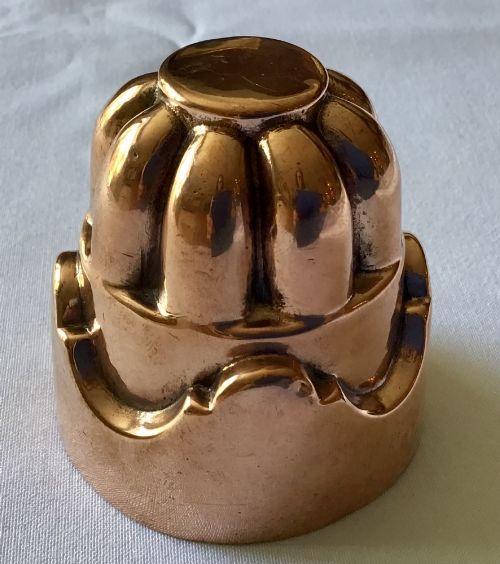
When you search for a Victorian culinary antique, you encounter heavy kitchenware made for nineteenth-century houses, including jelly moulds, copper pans, and cream setting pans. The form you meet most often on this page is the copper jelly mould, usually shaped with detailed motifs like castles, animals, or plain flutes.
These items originate from nineteenth-century English and French kitchens, spanning styles from rustic farmhouse to country house. Alongside moulds, you find kitchen collectables such as ice cream pots and saucepans from the period.
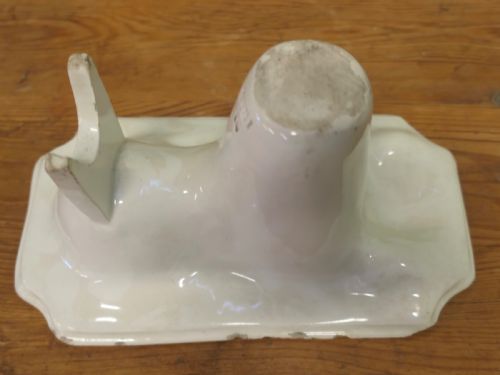
The assortment also includes earthenware items like cream glazed lion jelly moulds and practical cooking vessels in brass and iron. Every piece reflects the working domestic routines of the Victorian era.
Determinants of Quality
The standard of a copper culinary piece rests on the thickness of the metal sheet and the crispness of the raised design. Deeper, sharper details on mould tops indicate superior skill in shaping the metal.
Original tin linings that remain intact and smooth show better preservation, whereas worn surfaces reveal heavier kitchen use. Maker marks and patent stamps also distinguish standard utilitarian items from specialised pieces.
Victorian Culinary Retail Price Guide 2026
Typical asking prices for victorian culinary among the pieces listed under this phrase on Sellingantiques today, from the lower quarter to the upper quarter. They describe what is for sale here now, not the wider market.
The listings on this page span the nineteenth century, featuring copper, tin, brass, iron, and creamware.
Trottier·Harrods·Griffiths Patent
The Victorian Culinary Glossary
- Tin lined
- The protective coating of pure tin applied to the inside of copper vessels. This layer keeps acidic foods safe from direct contact with copper.
- Kitchenalia
- A modern collective term for antique kitchen utensils and culinary equipment. It encompasses everything from jelly moulds to copper saucepans.
- Setting pan
- A wide, shallow vessel used in dairies or large kitchens to let cream rise to the surface of milk. These pans distribute temperature evenly across the base.
Victorian Culinary: Frequently Asked Questions
Can I still cook with antique copper pans?
Most copper culinary pieces require a fresh tin lining before you use them for modern food preparation.
Items kept purely for display need only regular dusting and gentle cleaning to maintain their exterior finish.
How do I clean antique copper?
Use a mild, non-abrasive metal polish to remove tarnish and bring back the natural warmth of the metal.
Avoid harsh scouring pads that scratch the surface and wear down the underlying copper.
What is a castle top mould?
A castle top mould is a jelly or pudding mould featuring a detailed architectural fortification design on the interior end.
When turned out, the jelly or blancmange reveals a miniature replica of a castle rampart.
Why are some moulds made from creamware?
Creamware moulds offered an affordable, hygienic alternative to metal for shaping jellies and custards in Victorian kitchens.
The smooth glazed surface allowed the set dessert to slide out cleanly when inverted.