


Victorian Copper Jelly Mould
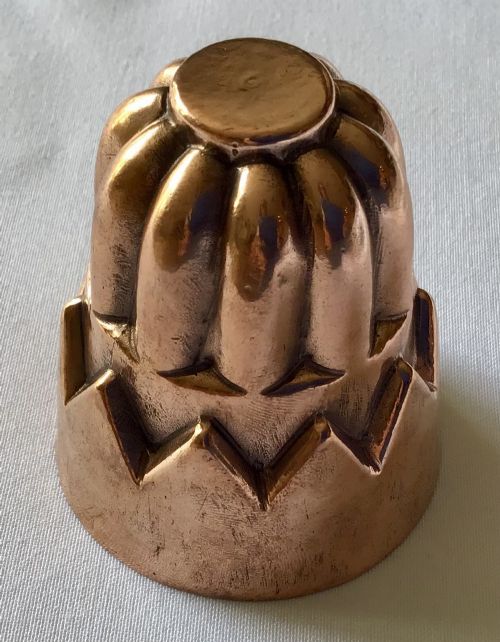
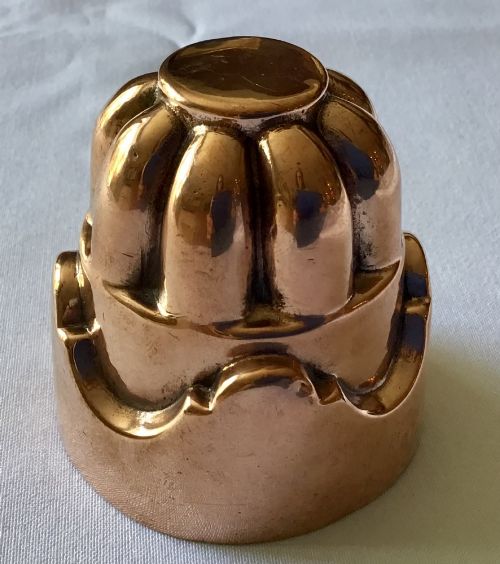
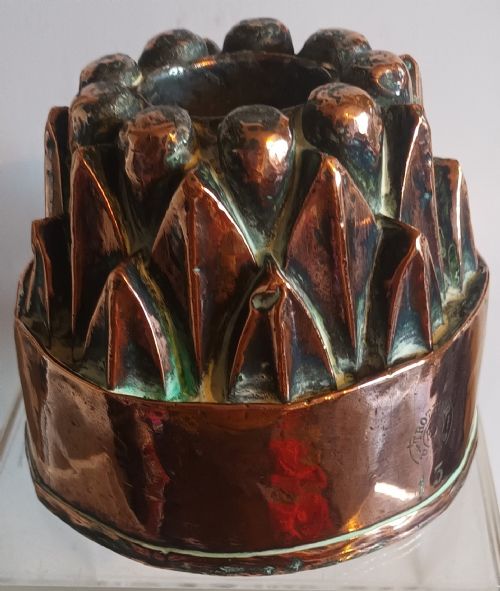
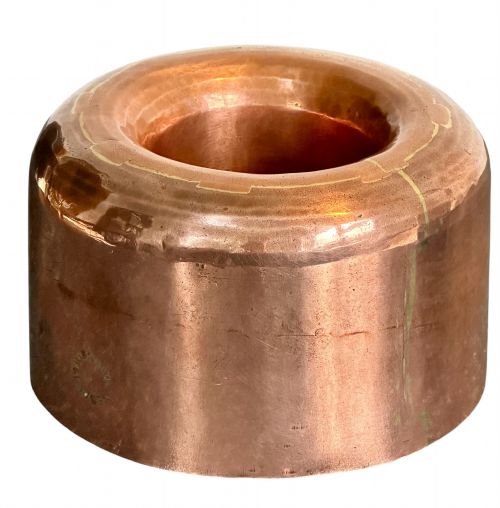
These Victorian copper jelly mould examples bring tactile weight and decorative geometry straight from nineteenth-century kitchens into modern display.
Victorian Copper Jelly Mould
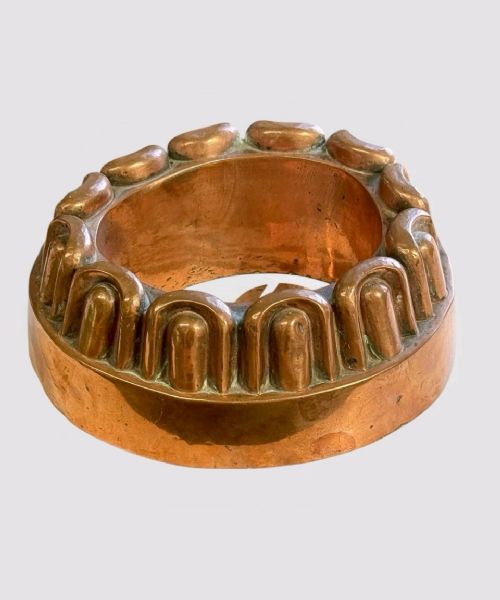
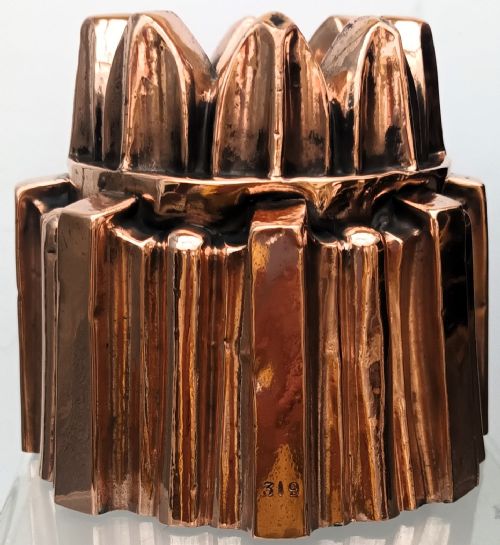
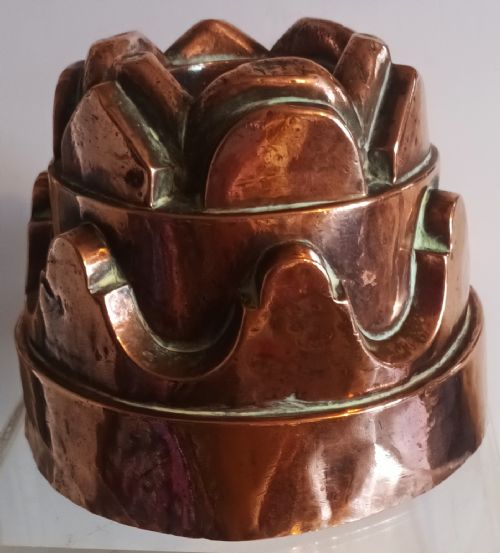
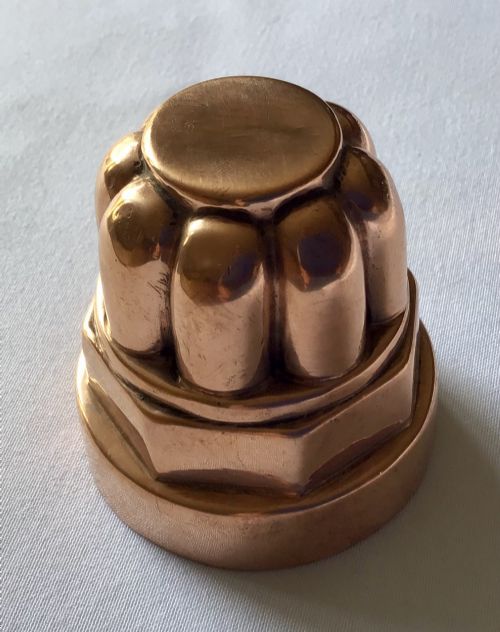
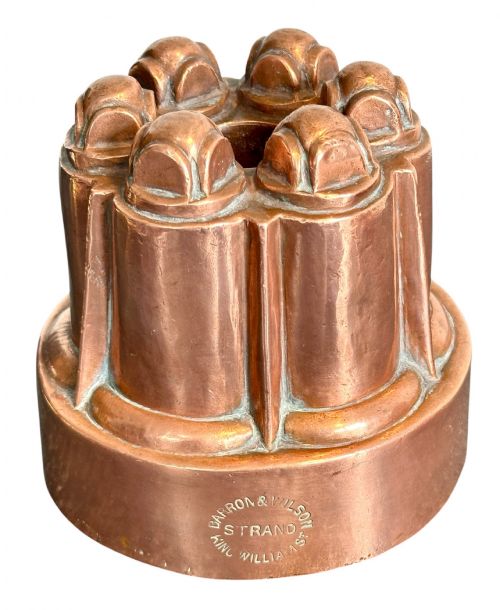
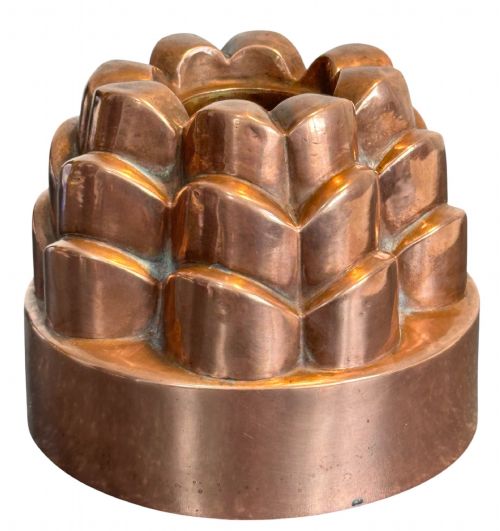
A victorian copper jelly mould is a kitchen object designed for shaping jellies, aspics and desserts during the nineteenth century. Buyers searching for a victorian copper jelly mould encounter forms ranging from simple round shapes to complex architectural castles and figural motifs such as cats.
The versions most commonly met on this page include standard individual sizes, miniature examples, and paired items. English and nineteenth-century French origins appear frequently alongside kitchenalia pieces bearing makers' marks or specific model numbers.
Moulds survive as both utilitarian kitchenware and collectable kitchen collectables. Their shapes utilise internal fluting and turrets to catch the light and create intricate patterns on turned-out food.
Copper construction and tin lining
Moulds are constructed primarily from heavy-gauge copper sheets, sometimes reinforced with brass or bronze elements. Metalworkers shaped the exterior by hand-beating or stamping the copper against iron stakes to achieve sharp architectural profiles and smooth curves.
Because copper reacts adversely with acidic foodstuffs, interiors were traditionally lined with a thin layer of protective tin. This internal coating ensured food safety while preserving the structural integrity of the outer copper shell over decades of culinary use.
Victorian dinner guests faced towering jelly castles containing layered fruit and cream, engineered purely to collapse gracefully on the tongue.
Assessing quality and form
Quality in these kitchen items rests upon the crispness of the internal design and the weight of the metal. Thicker gauge copper maintains its shape under pressure, whereas thinner metal distorts easily through repeated handling and cleaning.
Moulds featuring complex geometry, such as castle tops with multiple turrets or detailed animal subjects, demand higher technical skill from the metalsmith. Retaining an original tin lining and clear maker stamps further elevates an example above plain utilitarian items.
Trottier·Harrods·Benham & Froud·Adams·Jones Brothers
The Victorian Copper Jelly Mould Glossary
- Tin lined
- Coated on the interior surface with a thin layer of metallic tin to prevent food from contacting the reactive copper base. This protective barrier was essential for safe nineteenth-century culinary preparation.
- Kitchenalia
- Historic kitchen utensils and domestic equipment collected for display or historical interest. These items reflect the functional aesthetics of Victorian domestic spaces.
- Castle top
- A mould design featuring architectural crenellations, turrets, and walls reminiscent of medieval fortifications. When unmoulded, the dessert reproduces a miniature fortress.
- Miniature
- A smaller-scale version of a standard domestic object, produced either for individual servings or display. These compact pieces often require finer detail work from the metalsmith.
- Marked
- Bearing a stamp, punch, or maker's mark identifying the workshop, retailer, or manufacturer. Such stamps provide clues to provenance and production dates.
Victorian Copper Jelly Mould: Frequently Asked Questions
How were jelly moulds used?
Victorian cooks filled these metal vessels with gelatinous mixtures, aspics, or creams before chilling them in ice cellars or refrigerators. Once set, the contents were carefully inverted onto a serving dish to reveal the intricate architectural or figural pattern.
To release the dessert, cooks often dipped the exterior briefly in warm water. The conductive copper transferred heat quickly, loosening the contents without melting the main structure.
Are antique copper moulds safe for food?
While the copper itself conducts heat efficiently, antique pieces usually retain their original nineteenth-century tin linings. Over decades of scrubbing and use, this thin tin layer often wears thin or exposes the underlying copper.
Using them for modern cooking requires checking the interior condition carefully. Many collectors prefer to display these objects as decorative kitchenalia rather than risking wear to historic linings.
How do I clean a copper jelly mould?
Routine maintenance involves washing the surface with warm soapy water and drying it immediately to prevent water spots. Avoid harsh abrasive pads that scratch the metal or strip away remaining historic patina.
Polishing the exterior with a specialised copper cleaner restores brightness if a shiny finish is desired. Many owners, however, prefer leaving a dark, aged patina that highlights the age and handling history of the piece.
How can I tell a miniature from a standard mould?
Miniature versions measure significantly smaller than standard kitchen equipment, typically designed for single portions or decorative confectionary displays. They duplicate the complex fluting and turret designs of larger pieces on a reduced scale.
Proportions remain identical to full-sized models, requiring precise metalsmithing. Their diminutive size made them popular with Victorian households serving multi-course dinners.
What do maker marks tell us?
Stamps and touchmarks found on the rim or base identify the workshop, manufacturer, or high-end London retailer responsible for selling the item. Names associated with nineteenth-century metalwork help establish dates and geographic origins.
Marked examples offer greater historical documentation for collectors. Unmarked pieces, though common, rely on style, material thickness, and construction techniques for dating.