


Antique Kitchenalia Copper
These antique kitchenalia copper pieces bring warmth and working history to a modern kitchen, offering heavy metals forged for daily use.
Antique Kitchenalia Copper
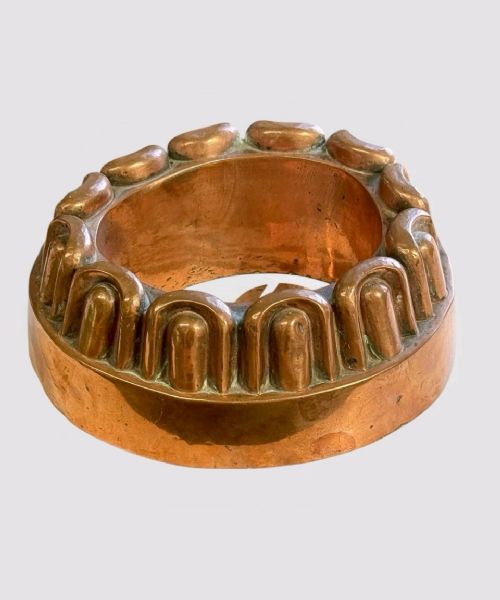
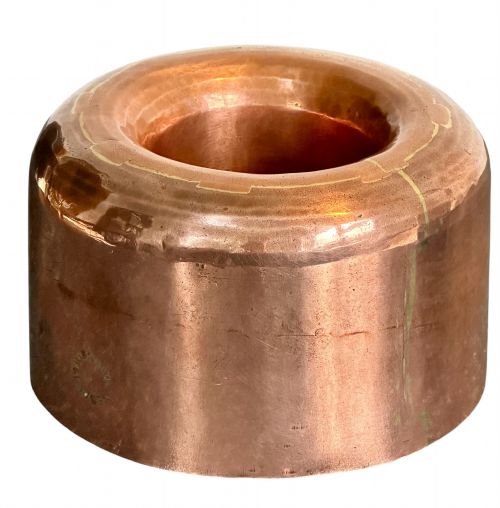
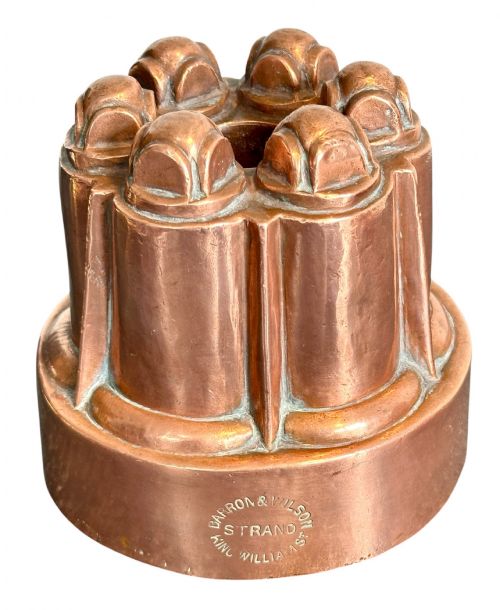
When you search for antique kitchenalia copper, you find utilitarian culinary equipment shaped by domestic and commercial cooks across centuries. The forms span robust jelly moulds, lidded saucepans, roasting pans, and specialised items like ice cream moulds and coffee pots.
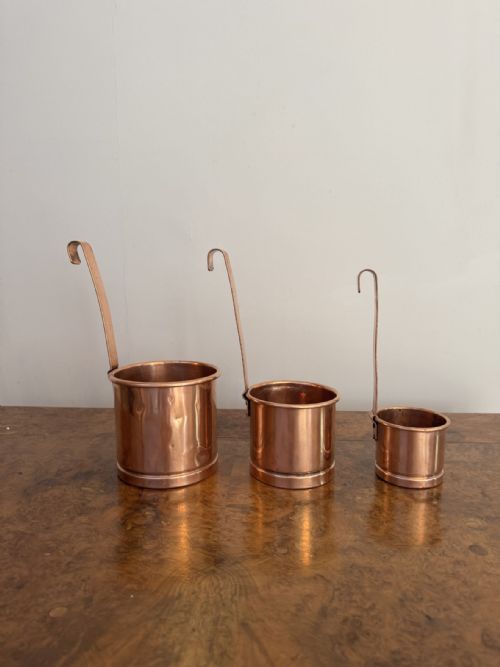
Most examples you meet on this page hail from the Victorian era and the nineteenth century, alongside earlier Georgian pieces. These survivors include nested measures, preserving dishes, and samovars that shifted from hearths to display shelves.
The objects reflect British culinary heritage, ranging from simple country kitchen utensils to branded department store pieces. Every item carries the marks of real kitchen work, whether through tin linings or riveted joints.
How they were made
Makers shaped sheet copper by hand, hammering the metal over stakes to form deep vessels like saucepans and fluted jelly moulds. Rivets of brass or copper joined handles and seams before finishing.
Interiors required protective coatings of tin to prevent copper toxicity during food preparation. Handles incorporated turned wood, iron, or brass, secured firmly to heavy copper bodies.
The listings on this site span the eighteenth, nineteenth, and twentieth centuries, incorporating materials like brass, iron, bronze, and tin alongside copper.
What varies in quality
Gauge and weight separate robust kitchenware from lighter display pieces. Heavy-gauge copper distributed heat evenly and withstood decades of vigorous scrubbing on open fires.
Integrity of construction and original surface patination define the better examples. Dovetailed seams, substantial brass handles, and surviving internal tin linings show superior craftsmanship.
The Antique Kitchenalia Copper Glossary
- Kitchenalia
- Utilitarian objects and utensils once used in domestic food preparation. These items now form collectible displays.
- Tin lined
- A protective coating applied to the interior surface of copper cookware. This layer prevents toxic reactions between copper and acidic foods.
- Jelly mould
- A rigid culinary vessel used to shape chilled desserts and aspics. Victorian versions often featured intricate geometric or figurative designs.
- Samovar
- A heated metal container traditionally used to boil water. These vessels feature a central internal pipe and a spigot.
Antique Kitchenalia Copper: Frequently Asked Questions
Can I still cook with these copper pans?
Most antique copper cookware requires a fresh tin lining before food contact. Modern safety standards demand intact internal plating to prevent metal leaching.
Many collectors prefer to display these pieces rather than subject them to modern stovetops. Gentle cleaning maintains the exterior patina without removing historic wear.
How do I clean antique copper?
Warm soapy water and a soft cloth remove dust and grease safely. Avoid harsh abrasive compounds that strip away the aged surface.
Specialist metal polishes restore brightness if a high shine is desired. Unpolished copper displays a deeper, more historic tone over time.
How do I date Victorian copper?
Makers shifted from hand-dovetailed seams to machine-rolled sheets during the nineteenth century. Dovetailed bases and heavy hammered marks typically point towards earlier manufacturing methods.
Victorian pieces frequently feature stamped capacity marks or maker stamps. Comparing handle styles and rim construction helps narrow down the production decade.
Why are some copper pieces lined with tin?
Copper reacts dangerously with acidic ingredients during cooking. Tin creates a safe barrier between the metal and the food.
Re-tinning was a regular maintenance task in historical kitchens. Surviving internal tin indicates whether a piece remained in active service.