
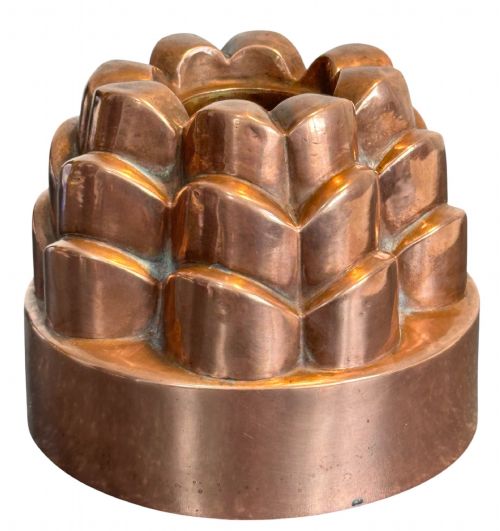


Vintage Copper Jelly Mould
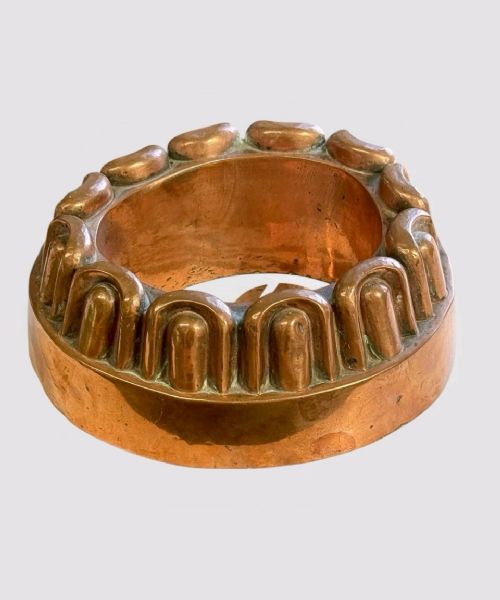
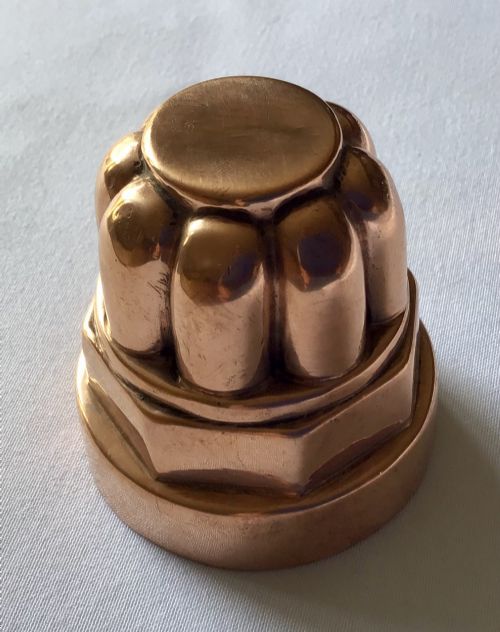
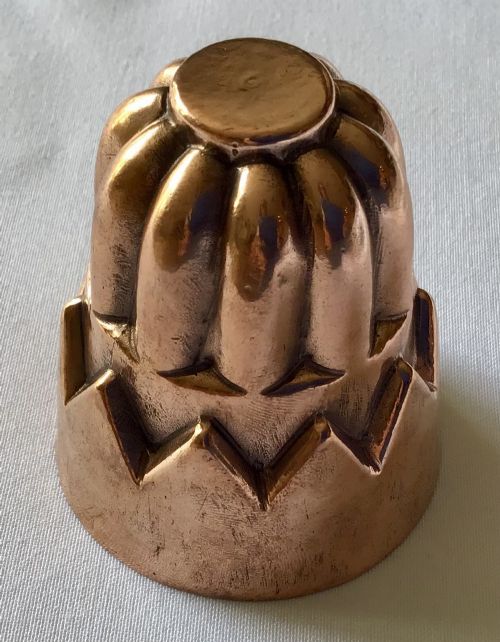
These vintage copper jelly mould pieces are heavy culinary kitchenware shaped for the dining table, offering striking forms that suit modern kitchens.
Vintage Copper Jelly Mould
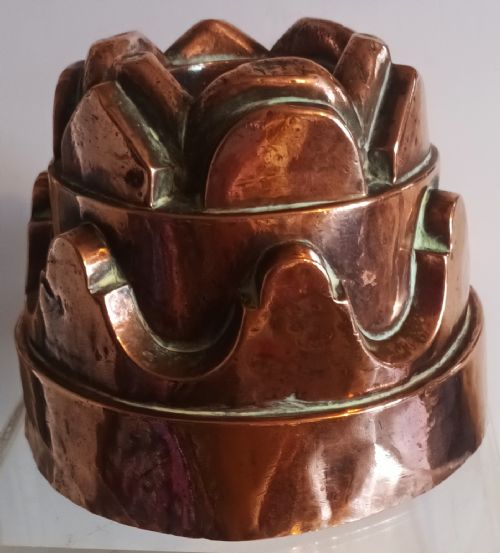
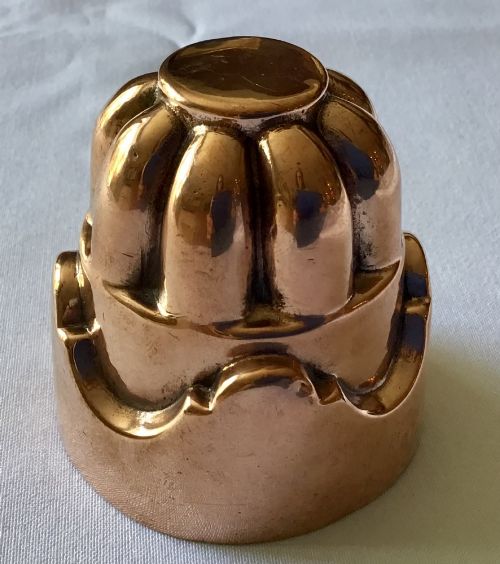
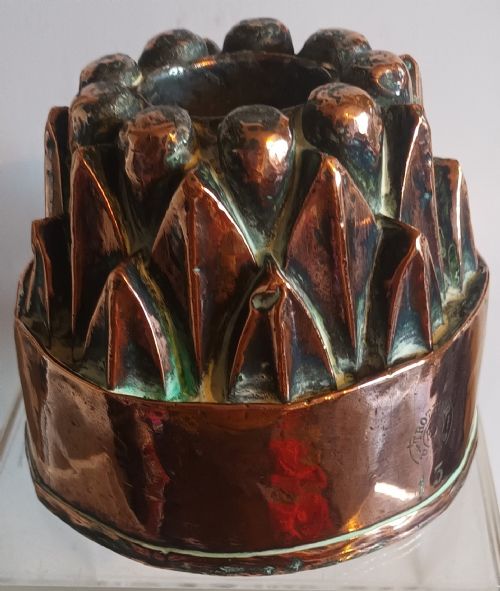
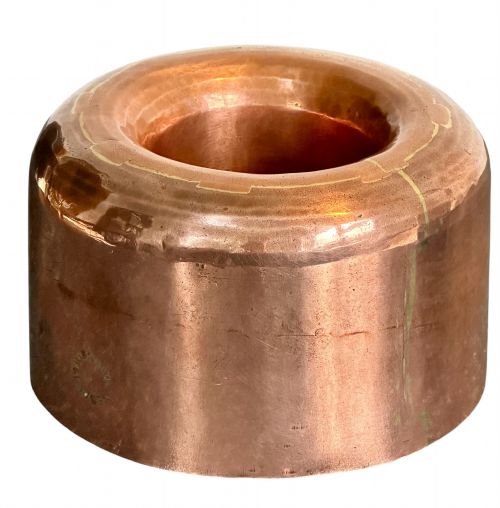
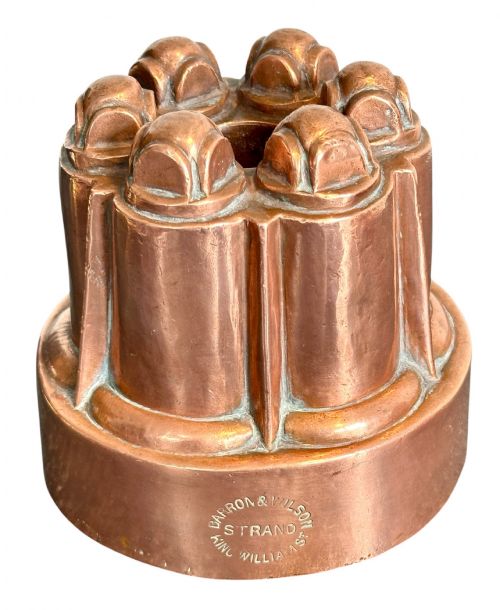
When you search for a vintage copper jelly mould, you are looking at kitchenware designed to shape jellies, puddings and frozen desserts. The pieces available here span Victorian and 19th Century origins, taking forms such as standard kitchen moulds, culinary moulds, miniatures and specific shapes like castle tops or cats.
You are most likely to meet Victorian pieces on this page, alongside 19th Century French examples and English items associated with retailers like Harrods. These objects bridge the gap between utilitarian kitchenalia and decorative collectables for the home.
How they were made
The makers formed these vessels primarily from copper, often pairing the metal with tin linings to ensure safe contact with food. Additional materials include brass, bronze and mixed metal elements found in specific fittings or lidded pots.
Workshops constructed these culinary moulds by hammering and shaping the metal to achieve intricate interior designs like architectural motifs or animal shapes. The resulting objects combined durability for the kitchen with decorative exterior presence.
What varies in quality
Quality in these kitchen pieces lies in the crispness of the interior shaping and the integrity of the metalwork. Sharply defined details on forms like castle tops or figural shapes indicate superior execution by the maker.
The condition of the interior tin lining and the weight of the copper body distinguish everyday kitchenalia from finer display pieces. Harrods examples or named maker pieces such as Trottier demonstrate distinct provenance that elevates the object.
Trottier·Harrods
The Vintage Copper Jelly Mould Glossary
- Tin lined
- A protective coating applied to the interior of copper cookware and moulds to prevent the copper from reacting with food acids. This layer is essential for safe food preparation in period kitchens.
- Kitchenalia
- Antiques and collectables originating from historical domestic kitchens and food preparation areas. This category includes utilitarian vessels, moulds and baking equipment valued for display.
- Castle top
- A decorative architectural design motif formed on the top or interior of a jelly mould. These shapes create elaborate turrets and walls on the finished moulded dessert.
- Culinary mould
- A heavy metal vessel used to shape savory or sweet dishes before turning them out for the table. These items range from miniature sizes to large lidded pots.
Vintage Copper Jelly Mould: Frequently Asked Questions
What are vintage copper jelly moulds made of?
These items are constructed primarily from copper, frequently featuring a protective tin lining on the interior surface. Some pieces incorporate brass, bronze or other metal elements in their construction.
Craftsmen shaped the metal to create rigid vessels capable of holding and cooling jellies and desserts before they were turned out.
How were jelly moulds used originally?
Cooks filled these metal vessels with gelatin mixtures, aspics or creams and chilled them until the contents set. Once firm, the mould was inverted to release a shaped, decorative dish for the dining table.
In period kitchens, these objects served both a functional cooking purpose and a decorative function for grand dinners.
Are these copper moulds safe for cooking?
Many historical pieces retain their original tin linings, but the condition of this interior coating varies across individual items. Buyers often use these objects as decorative kitchenalia rather than active cookware.
Evaluating the interior surface helps determine whether a specific piece remains suitable for food contact.
How do I identify a Victorian copper mould?
Victorian examples display characteristic construction methods, heavy copper gauges and specific forms such as castle tops or miniature sizes. Many pieces date from the nineteenth century and reflect the kitchenware styles of that era.
Associated markings or retailer names like Harrods help confirm the period and origin of the piece.