



Copper Washing Tub
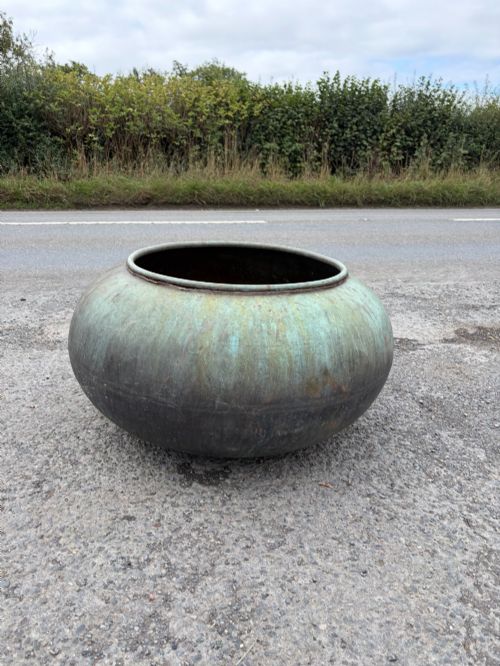
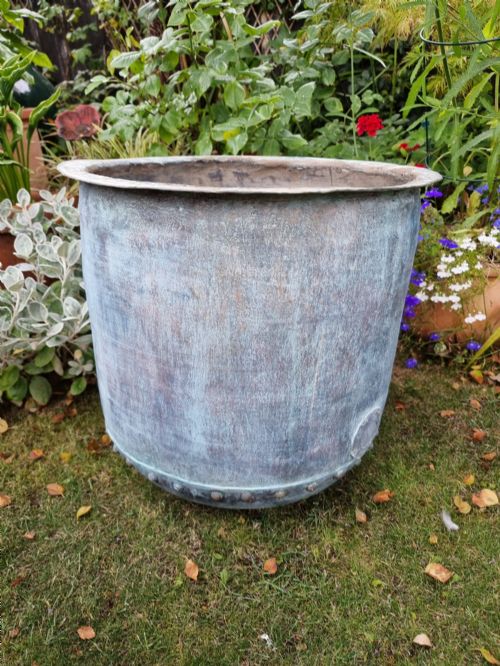
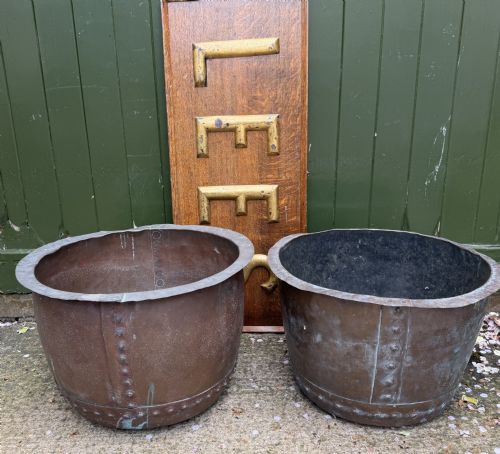
These heavy copper washing tub examples bring tactile warmth and utilitarian heritage into modern interiors as planters and log bins.
Copper Washing Tub
A copper washing tub encompasses heavy metal vessels originally forged for domestic boiling, dairy work, and laundering across the eighteenth, nineteenth, and early twentieth centuries. Buyers search for these pieces to repurpose them as substantial log bins, garden planters, and decorative cauldrons in rustic farmhouse and industrial settings.
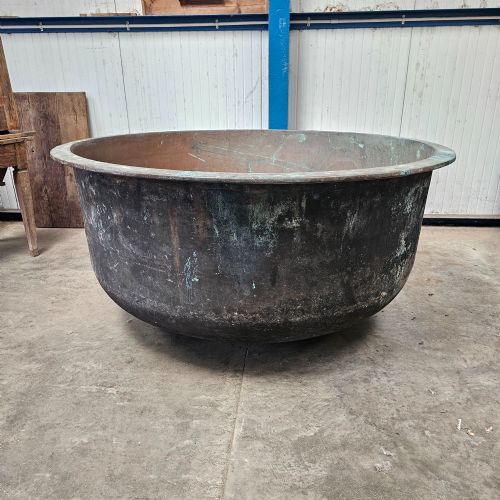
The inventory on this page consists predominantly of nineteenth-century items, alongside Georgian and early twentieth-century examples, spanning English and French origins. Common forms include riveted boilers, cheese vats, cream setting pans, grain measures, and large cooking vessels rather than pristine modern reproductions.
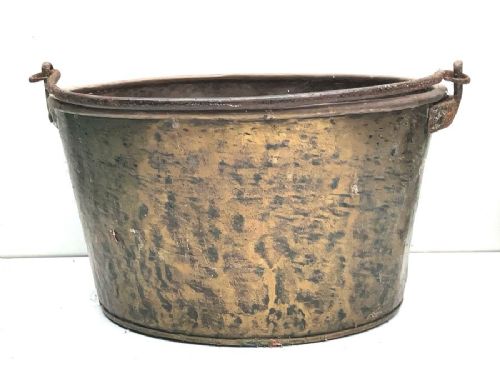
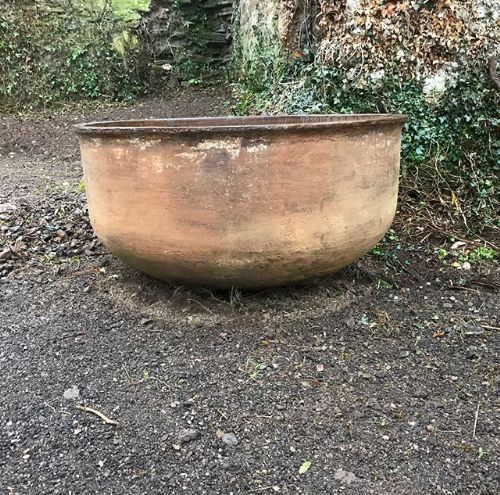
Many of these containers show their working history through converted functions, appearing now as log buckets or plant pots while retaining their original scale. They range from compact pans to huge garden display pots with heavy metal fittings.
How they were made
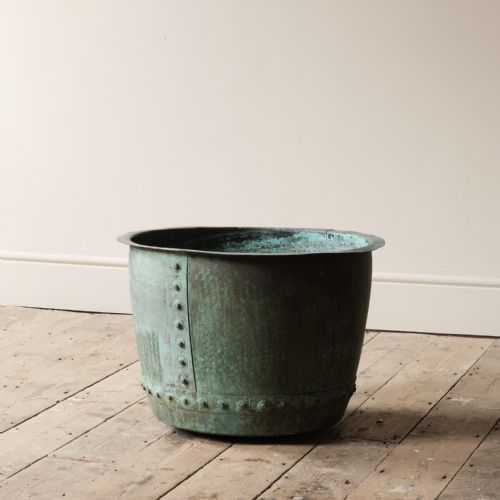
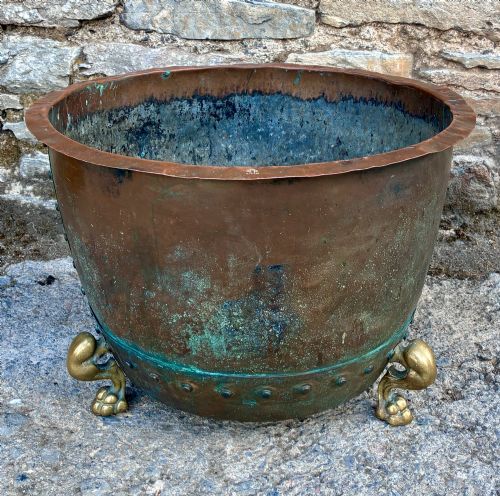
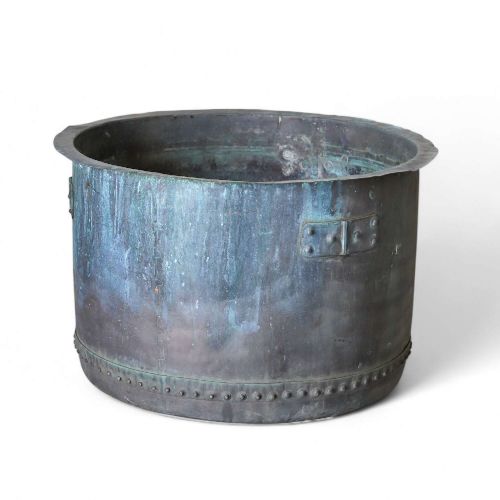
Makers constructed these vessels primarily from sheet copper, joining heavy metal plates together using hand-riveting techniques to ensure watertight durability under high heat. Wrought iron, cast iron, and brass often appear as swing handles, rims, and structural reinforcements.
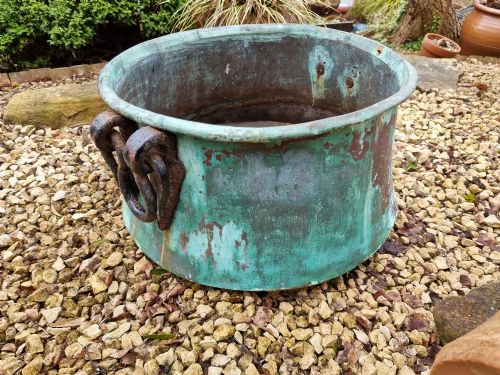
Surfaces developed their character through active use, exposure, and time, yielding natural patinas, verdigris finishes, and weathered textures. Some pieces incorporate painted elements or steel components alongside the primary copper body.
Copper Washing Tub Retail Price Guide 2026
Typical asking prices for copper washing tub among the pieces listed under this phrase on Sellingantiques today, from the lower quarter to the upper quarter. They describe what is for sale here now, not the wider market.
Some heavy grain measures ended their days bubbling wash in French farmhouses before finding a second career holding parlor ferns.
What varies in quality
Quality rests in the integrity of the hand-riveted construction and the thickness of the original metal sheet used to form the body. Substantial weight, robust iron fittings, and balanced proportions distinguish the sturdier utilitarian vessels from lighter decorative items.
The character of the surface finish plays a major role, distinguishing pieces with rich natural patina and stable verdigris from those with unappealing alterations. Original handles and authentic structural wear elevate an example above standard utility wares.
The Copper Washing Tub Glossary
- Verdigris
- A green patina formed naturally on copper through atmospheric weathering and oxidation. This surface layer acts as an indicator of age and exposure to the elements.
- Riveted
- Joined together using metal pins hammered flat to secure overlapping sheets of copper. This traditional method preceded modern welding techniques.
- Cauldron
- A large metal pot with a wide mouth, often equipped with a swing handle for suspension or lifting over a fire. These deep vessels served heavy domestic and agricultural duties.
- Patina
- The deep surface sheen and coloration acquired by copper over decades of handling and oxidation. Good examples display a rich, undisturbed tonal variety across the metal.
Copper Washing Tub: Frequently Asked Questions
How do I use a copper tub at home?
These vessels transition easily into practical domestic accessories such as fireside log bins or large plant pots. Their generous proportions accommodate heavy loads while adding warmth to contemporary or rustic interiors.
Ensure that indoor planters utilise protective inner liners if moisture control is necessary for delicate floors. For outdoor garden displays, the robust metal construction withstands seasonal weather without structural loss.
How can I tell a Victorian copper tub apart from a Georgian one?
Georgian examples often display specific utilitarian forms like cream setting pans or early iron-rimmed pans associated with eighteenth-century domestic economies. Victorian pieces frequently include heavy riveted boilers and stamped manufacturing traits typical of nineteenth-century industrial output.
Examining the handling of the rivets and the style of the iron swing attachments helps distinguish the earlier hand-finished work from later standardised production.
Are these tubs waterproof?
Many of these vessels were designed to hold liquids for boiling, washing, or dairy production during their working lives. However, age, historic repairs, and seam separation mean individual testing is sensible before relying on them to hold water indoors.
Using them for dry storage, logs, or potted plants avoids any concerns regarding minor leaks while preserving the original metal structure.
How do I clean a weathered copper tub?
Maintenance depends on whether you wish to preserve the stable verdigris and dark natural patina or reveal the bright metallic shine underneath. Gentle washing with warm soapy water removes dust and surface grime without disturbing the historic surface.
Avoid harsh chemical abrasives that strip away the authentic character and aged coloration accrued over centuries of use.