



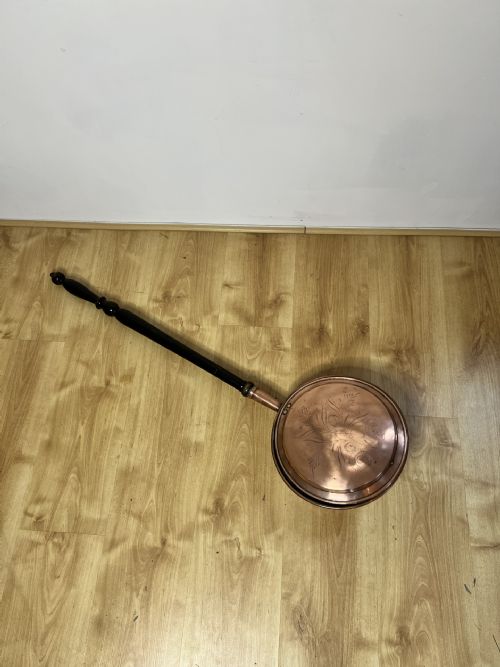
Georgian Copper Pan
A georgian copper pan brings heavy-gauge metalwork and practical kitchen utility from the eighteenth and early nineteenth centuries into modern spaces.
Georgian Copper Pan
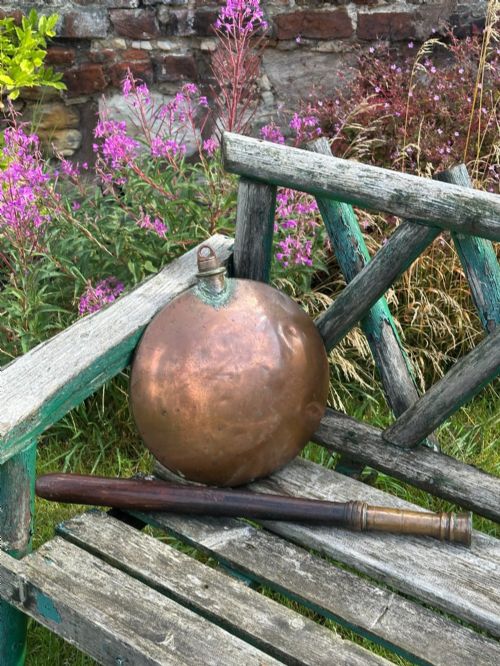
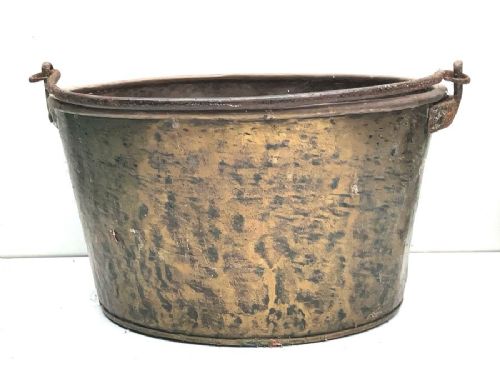
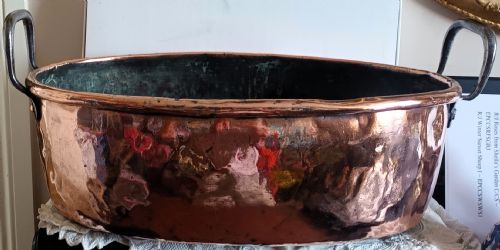
A georgian copper pan encompasses domestic kitchenware spanning deep saucepans, dairy setting pans, and specialised roasting dishes from the eighteenth and nineteenth centuries. You meet heavy two-handled cooking vessels alongside brandy warmers and moon-shaped warming flasks.
English country kitchens and grand townhouses utilised these pieces for boiling, preserving, and simmering before mass-manufactured steel replaced heavy metalwork. Surviving examples display the utilitarian shapes required for open hearths and early range cooking.
Materials and Construction
Smiths hammered thick copper sheets into hollow forms, joining seams with dovetail joints or heavy rivets to withstand daily kitchen heat. Iron handles and wrought iron mounts provide robust structural support for heavy vessel walls.
Interiors typically received a protective lining of tin to prevent copper from reacting with acidic foodstuffs during cooking and preserving. Turned oak or wood handles appear on specific warming flasks and pans to protect the user from conducted heat.
Georgian Copper Pan Retail Price Guide 2026
Typical asking prices for georgian copper pan among the pieces listed under this phrase on Sellingantiques today, from the lower quarter to the upper quarter. They describe what is for sale here now, not the wider market.
Listings combine copper with brass, iron, wrought iron, wood, tin, oak, and bronze across domestic forms.
Standards of Manufacture
Gauge thickness dictates the durability and structural integrity of the vessel, with heavier metal separating utilitarian workhorses from lighter decorative pieces. The refinement of the hand-beating marks and the neatness of the dovetail or riveted seams reveal the hand of a skilled metalsmith.
Makers' stamps or ownership marks elevate specific pieces, showing commercial workshop output alongside domestic kitchen inventory. The survival of original iron handles and intact wooden grips alters the historical completeness of the object.
Liptons·Mores London
The Georgian Copper Pan Glossary
- Dovetail seam
- Interlocking fingers of metal hammered together to join sheet copper before brazing or sealing. This method creates a strong bond capable of holding liquids under heat.
- Tin lining
- A protective layer applied to the interior surface of copper cookware. It stops copper from leaching into food during preparation.
- Cream setting pan
- A wide, shallow vessel used in dairies to allow cream to rise to the surface of milk. These feature broad rims for easy handling.
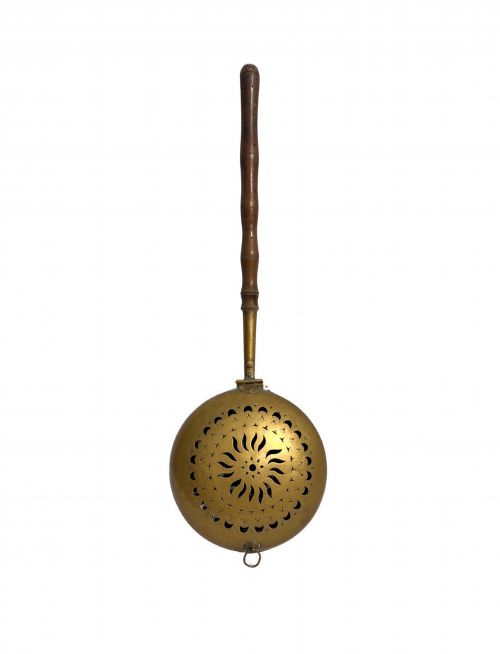
- Brandy warmer
- A small vessel with a long handle designed for heating spirits over a low flame. They often include pouring lips for controlled transfer.
Georgian Copper Pan: Frequently Asked Questions
Can I still cook with a Georgian copper pan?
These vessels were designed for open hearths and early cooking ranges, utilising heavy-gauge metal and hand-forged iron handles to manage heat.
Modern use requires checking the condition of the interior lining to ensure the metal remains food-safe.
How do I clean antique copper?
Regular maintenance involves removing dust and light tarnishing with appropriate metal cleaners formulated for historic copper surfaces.
Avoid abrasive scourers that remove the hand-beaten texture and historic patination built up over centuries.
What is a cream setting pan used for?
Dairy production relied on wide, shallow copper pans to hold milk while cream naturally separated to the top.
These pieces reflect the agricultural routines of English country kitchens during the Georgian period.
How do I distinguish an 18th-century pan?
Early pieces display hand-beaten surfaces, heavy dovetailed seams, and forged iron handles characteristic of pre-industrial metalworking.
Later nineteenth-century examples often introduce machine-rolled sheets and lighter riveted construction.