





Antique Copper Trough
These heavy metal vessels built for holding plants and water carry warmth and weight into a room.
Antique Copper Trough
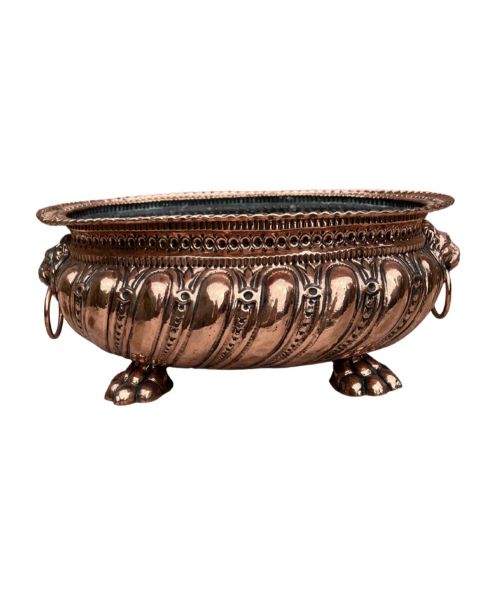
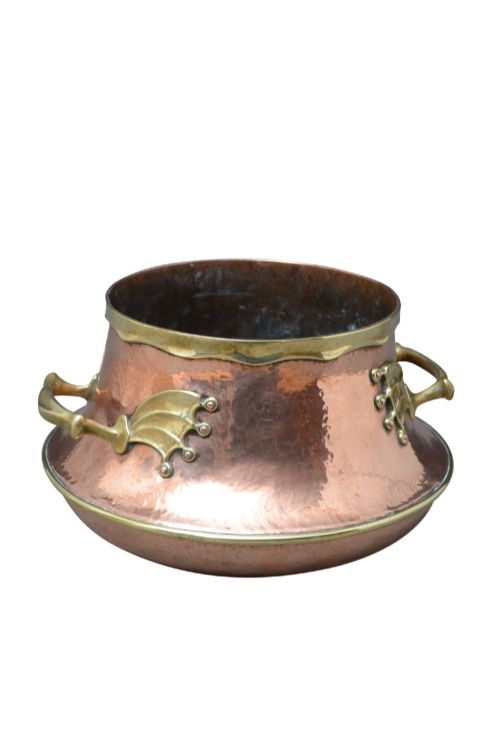
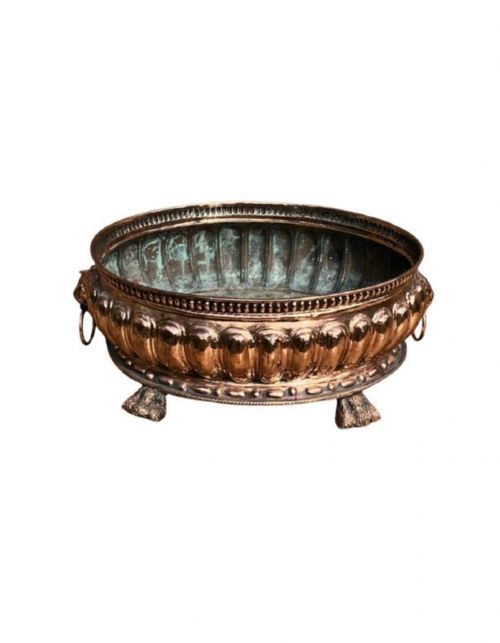
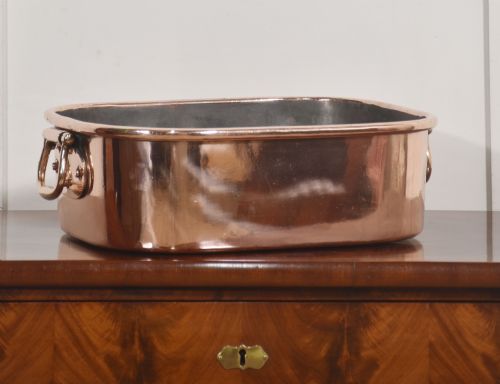
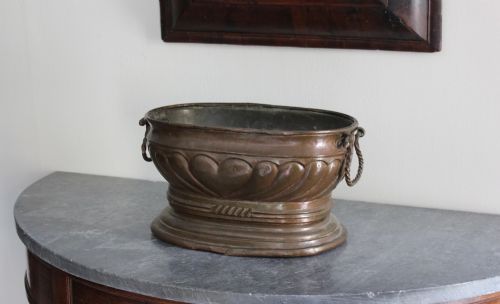
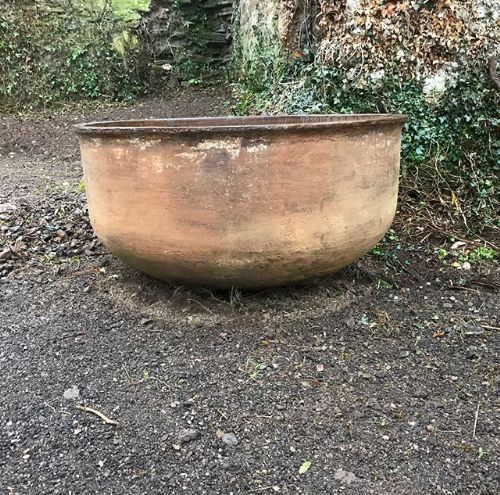
The style runs from austere Victorian utilitarian pieces to decorative Arts and Crafts and Italian Neo-Classical examples. Forms include oval and rectangular troughs alongside fish kettles and bowls on stands, reflecting how varied British and continental metalwork was. Most pieces rely on hand-beaten or riveted construction rather than mass production, giving each vessel its own weight and character.
Materials and construction
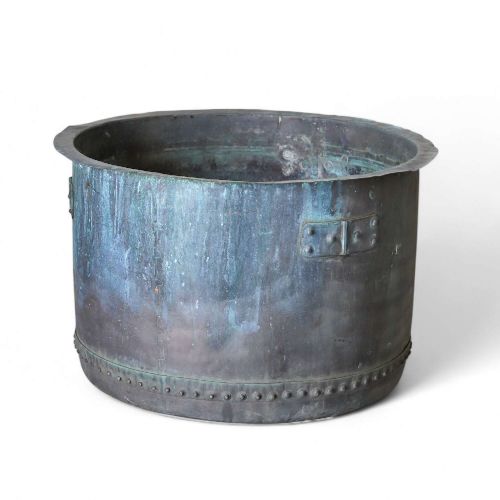
These vessels are built from sheet copper, frequently combined with brass handles, iron rivets, and wrought iron supports. The metal sheets are joined with visible hand-riveting or dovetailing, creating structural seams that double as decoration. Interior linings of tin were often added to protect the copper from moisture and chemical corrosion.
Antique Copper Trough Retail Price Guide 2026
Typical asking prices for copper trough among the pieces listed under this phrase on Sellingantiques today, from the lower quarter to the upper quarter. They describe what is for sale here now, not the wider market.
One unexpected nineteenth-century copper Gladstone bag proves that metalworkers occasionally possessed a very dry sense of humour.
Judging quality in copper troughs
Quality rests in the gauge of the metal and the integrity of the handwork. Thicker copper sheets hold their shape under strain and resist denting, whereas thin metal buckles easily. The neatness of the riveted seams and the proportion of any brass or iron mounts distinguish careful workshop production from crude utility items.
Surface integrity also separates the better examples. A rich, undisturbed natural patina indicates age and gentle care, while over-polished metal loses the subtle tonal shifts that collectors value. Original brass handles and uncompromised structural joints elevate a piece far above heavily repaired or altered vessels.
The Antique Copper Trough Glossary
- Patina
- The surface layer developed on metal through age and oxidation. This chemical skin ranges from dark brown to green and serves as proof of age.
- Jardiniere
- An ornamental pot or trough designed to hold growing plants or flowers. These sit on tables or floors rather than hanging.
- Riveted
- Joined using metal pins hammered flat to hold overlapping sheets together. This method provides the characteristic industrial texture seen on nineteenth-century pieces.
- Fish kettle
- A long, shallow vessel fitted with a lid and handles, originally used for poaching whole fish. Their elongated shapes make them sought after as plant troughs today.
Antique Copper Trough: Frequently Asked Questions
What is an antique copper trough?
An antique copper trough is a metal container originally forged for practical tasks like washing, cooking, or holding plants. Over time, their robust construction and warm metal tones made them popular for interior display.
Today, buyers use them primarily as planters or decorative focal points in rooms and gardens.
How do I care for antique copper?
Copper requires minimal intervention to maintain its character. Dust it gently with a dry cloth and avoid harsh chemical cleaners that strip away the aged surface.
If you use it to hold live plants, place a waterproof liner inside to protect the metal and any tin lining from constant moisture.
How can I tell the age of a copper trough?
Age is determined by the construction methods, such as hand-hammering and visible iron rivets, which indicate nineteenth-century or earlier manufacture. Stylistic clues like Arts and Crafts motifs or Georgian proportions also help narrow down the period.
Examine the uniformity of the metal sheets and the wear patterns on the handles for further confirmation.
Were these troughs made for plants originally?
Some were built specifically as jardinieres for interior greenery, while others started life as fish kettles, wine coolers, or dairy vessels. Their generous rectangular or oval proportions made them easy to repurpose for horticulture.
This crossover between utility and decoration defines much of the metalwork from the Victorian and Edwardian eras.