
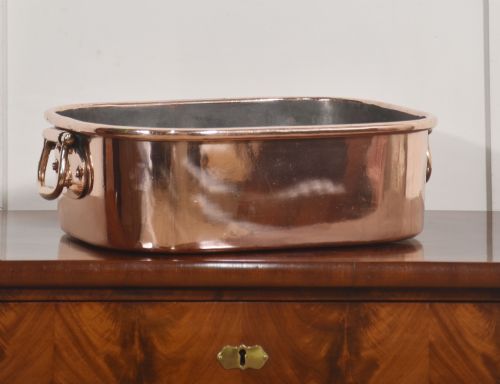


Brass and Copper Planter
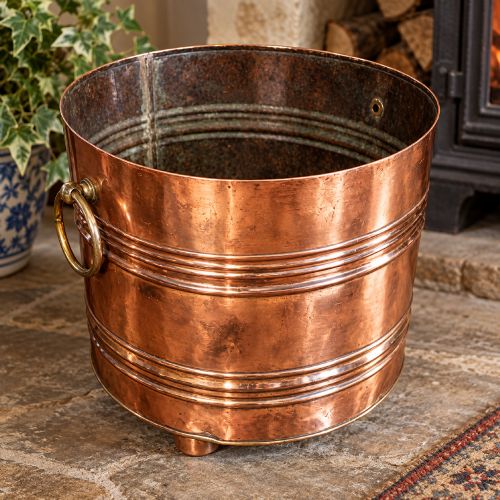
A brass and copper planter brings warmth and industrial texture to a room, functioning equally well for houseplants or fireside storage.

Brass and Copper Planter
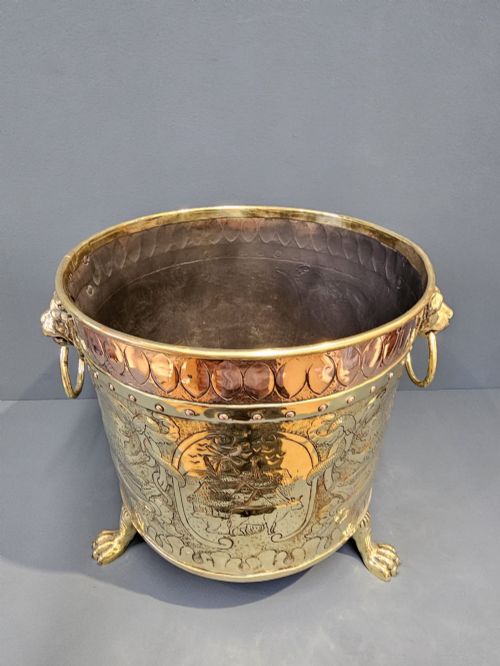
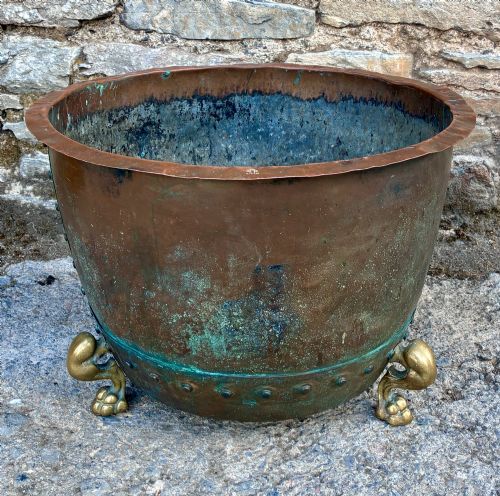
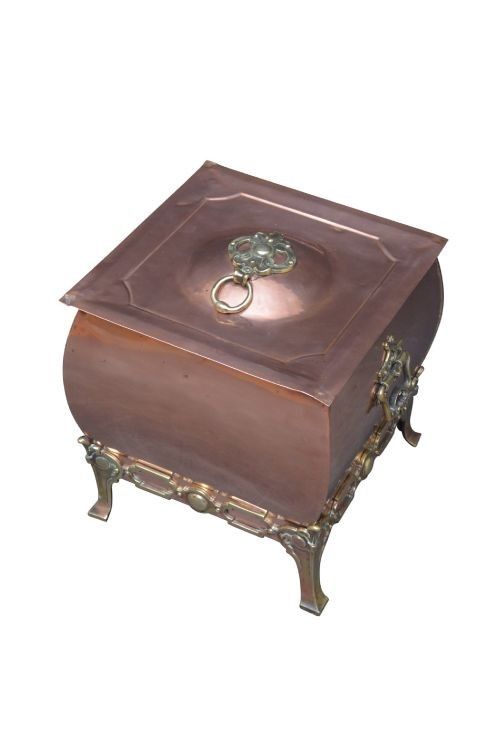
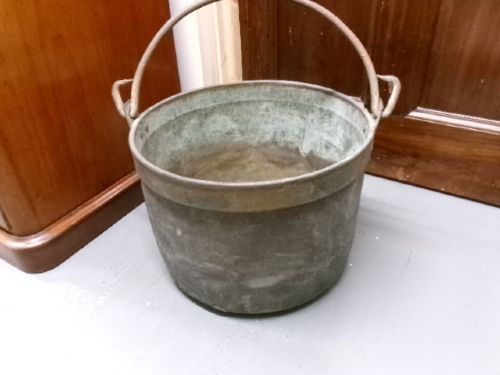
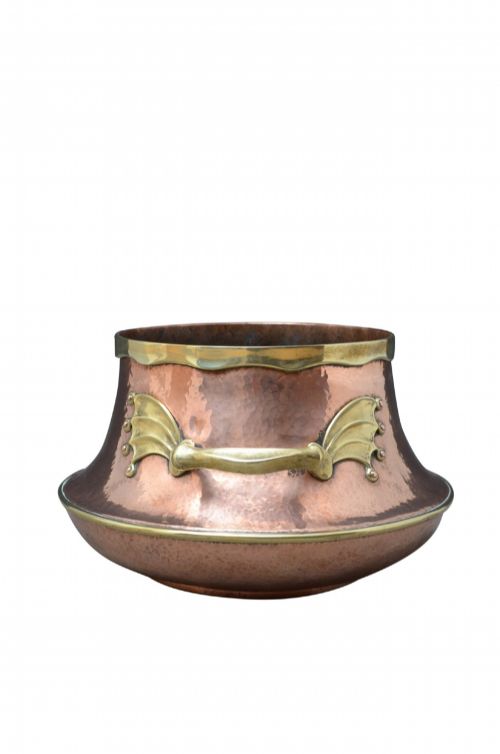
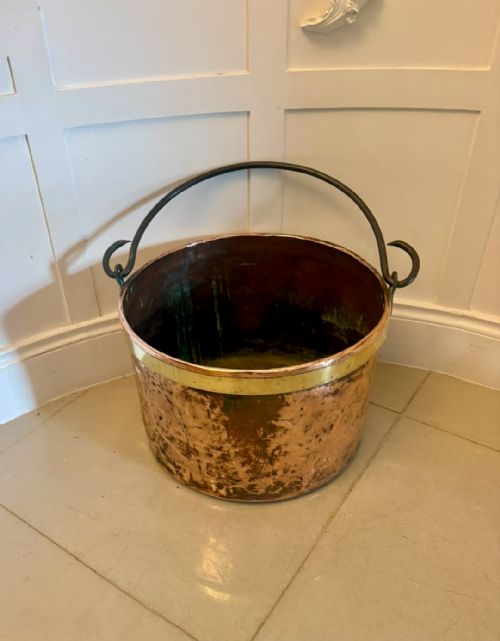
A brass and copper planter combines two metals to create functional vessels that double as decorative pieces for domestic interiors. When exploring this selection, buyers encounter jardinières, log bins, coal buckets, and cauldrons spanning the nineteenth and early twentieth centuries.
The majority of these pieces originate from the Victorian period, alongside Georgian, Edwardian, and Arts and Crafts examples. Makers adapted utilitarian cookware and coal scuttles into planters, utilising the natural contrast between gleaming brass fittings and warm copper bodies.
Materials and Construction
Makers constructed these vessels using heavy gauge copper and brass sheets, frequently joining the seams with visible hand-driven rivets. Iron, zinc, and wrought iron provided structural reinforcement for larger log bins and cauldrons.
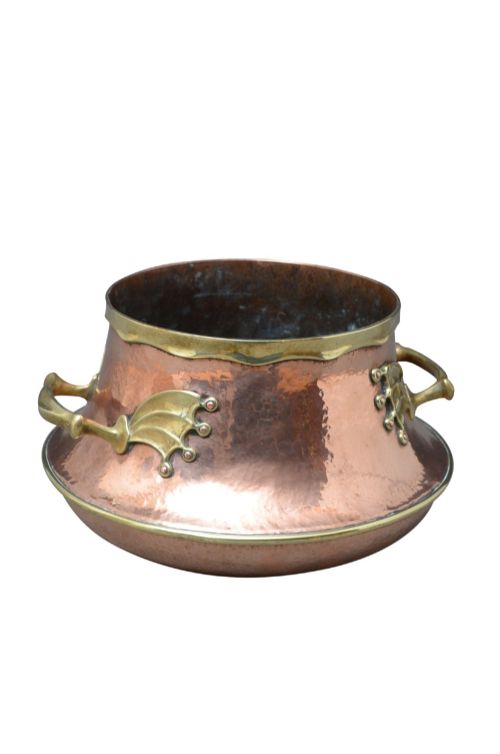
Surface decoration relied on hand-beating, hammering, and repoussé techniques to create textured finishes. Some domestic pieces incorporate wooden elements, including walnut bodies and ebonised wood details.
Materials seen across these listings include copper, brass, iron, tin, wrought iron, walnut, ebonised wood, and zinc.
Assessing Quality
Quality rests in the weight of the metal and the integrity of the construction rather than pristine surfaces. Substantial gauge copper resists denting, while securely fastened brass bands and handles indicate sturdy domestic engineering.
Artistry in the hand-hammered repoussé work separates standard utility vessels from superior decorative pieces. The crispness of the riveting and the harmonious proportion of brass trim against the copper body define the upper tier.
Orme Evans & Co
The Brass and Copper Planter Glossary
- Jardiniere
- An ornamental pot or stand for holding plants or flowers. These vessels often feature heavy copper bodies with contrasting brass handles and rims.
- Repoussé
- A metalworking technique in which a malleable metal is ornamented or shaped by hammering from the reverse side. This method creates raised relief patterns on the exterior of the vessel.
- Dinanderie
- Objects made of beaten brass, copper, or bronze, particularly medieval and later wares from the Meuse Valley. In later contexts, the term applies to decorative art metalware.
- Coopered
- Made with stave construction similar to wooden casks or barrels, held together by metal bands. This technique occasionally appears in walnut peat buckets used for fireside storage.
- Cauldron
- A large metal pot with a swing handle, traditionally used over an open hearth. Many examples serve secondary lives as substantial log bins or plant holders.
Brass and Copper Planter: Frequently Asked Questions
What is a brass and copper planter?
A brass and copper planter is a metal vessel designed to house plants, though many historical examples began life as coal scuttles, log bins, or cauldrons. The combination of warm red copper and bright yellow brass creates a striking visual contrast suited to both floral displays and fireside organisation.
Craftsmen often utilised durable base metals to ensure these items could withstand heavy domestic use. Today, buyers repurpose these antique vessels to hold large indoor house plants or to store firewood beside a hearth.
Can I use these outdoors?
These vessels were originally manufactured for interior domestic environments such as parlours, drawing rooms, and hearth sides. Exposing antique copper and brass to constant weather will accelerate oxidation and potentially weaken riveted joints.
If placed on a patio or in a garden, position the vessel in a sheltered spot away from standing water. Lining the interior provides a barrier against damp soil and prevents accelerated corrosion.
How do I date a piece?
Dating relies on observing construction methods, material choices, and stylistic movements. Pieces from the Georgian era often feature simpler, heavy-gauge construction, while Victorian examples frequently showcase elaborate embossed brass bands and swing handles.
Arts and Crafts and Art Deco pieces from the late nineteenth and early twentieth centuries display distinct hand-hammered surfaces and stylised motifs. Maker stamps or registration marks, where present, offer definitive production dates.