




Vintage Copper Basin
A vintage copper basin provides utilitarian warmth and honest texture, moving easily between country kitchens and contemporary living spaces.
Vintage Copper Basin
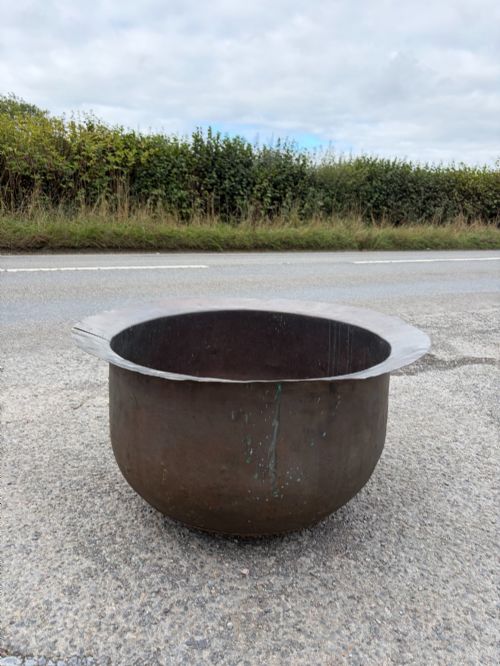
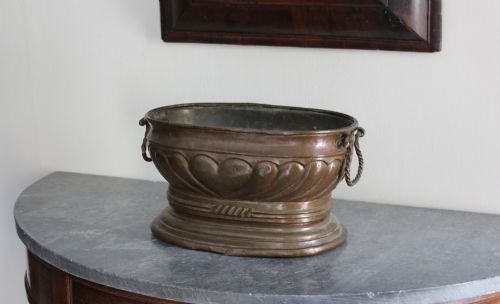
A vintage copper basin spans domestic cookware, heavy preserving pans, planters and wine coolers originating primarily from the nineteenth century. These vessels served practical roles in kitchens, dairies and gardens before finding new life as decorative display pieces.
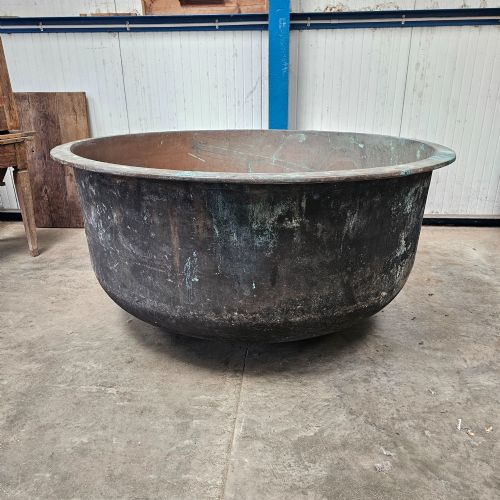
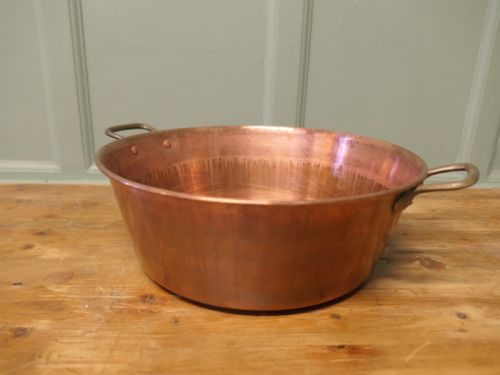
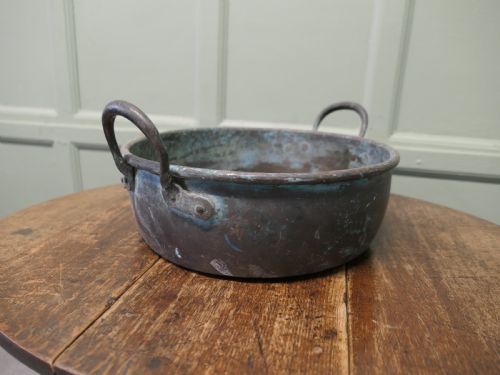
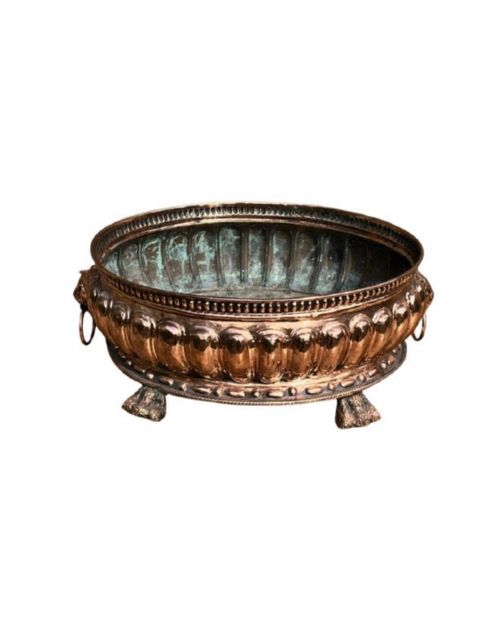
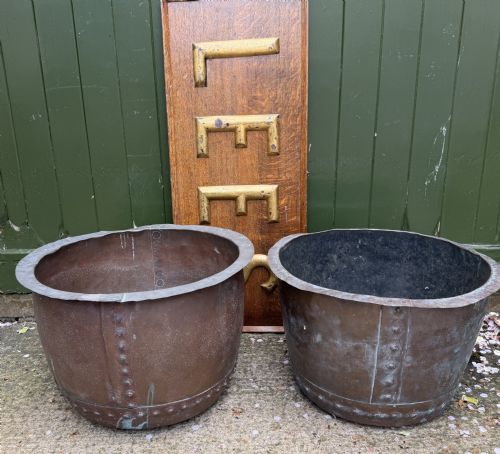
The version most frequently met on this page is the large nineteenth century preserving pan or cooking vessel, often shaped with sturdy handles and generous proportions. Alongside these sit French cheese vats, Spanish braseros, and heavy jardiniere pots suited for interior greenery.
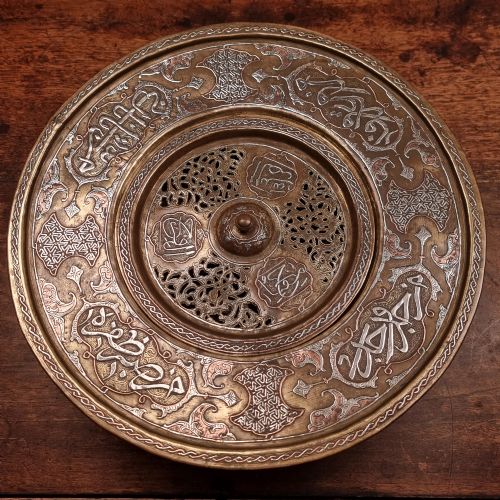
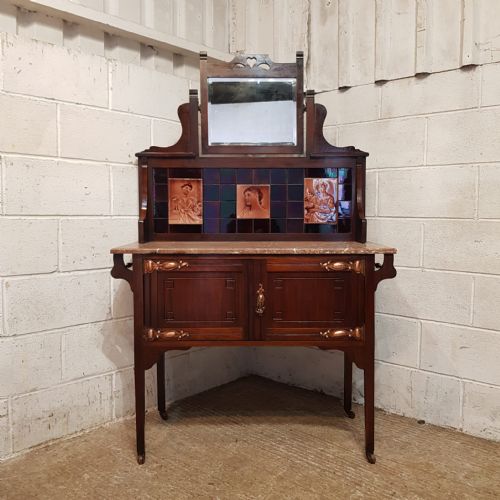
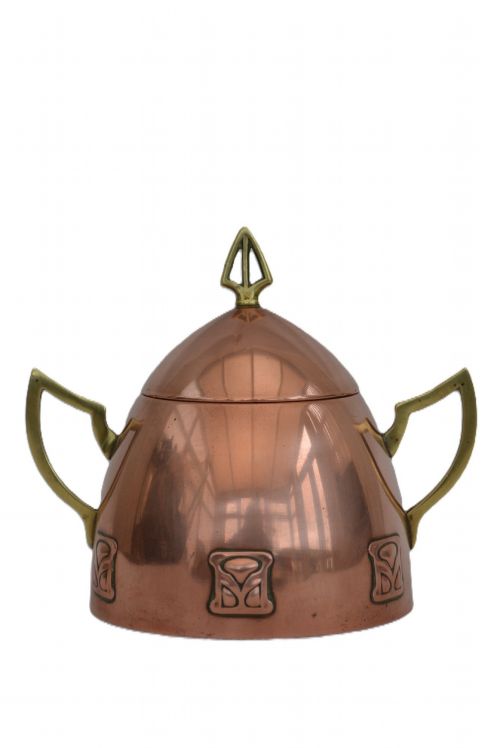
Makers and origins stretch across English country workshops, French provincial kitchens and specialised continental metalworking traditions. Pieces range from plain utilitarian cookware to elaborate Art Nouveau bowls and inlaid Islamic vessels.
Materials and Construction
Construction relies heavily on hammered or spun sheet copper, frequently joined by hand-hammered rivets that secure iron or brass handles. Many cooking vessels feature interior tinned linings designed to prevent food toxicity during food preparation.
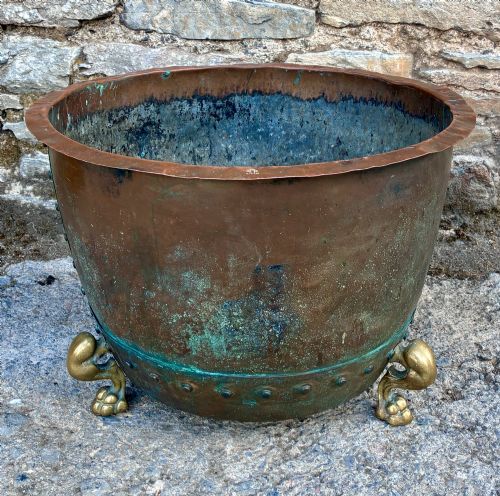
Surface finishes include aged patinas, verdigris oxidation, and mixed metal elements incorporating brass, wrought iron, and silver inlay. Supporting structures occasionally integrate wood, such as mahogany stands or mounts paired with the metal bowls.
Listings feature items spanning the eighteenth, nineteenth, and early twentieth centuries, constructed from copper, brass, iron, and silver.
Judging Quality and Character
Quality rests upon gauge thickness and structural integrity, where heavy-gauge metal resists warping and maintains a solid weight in the hand. Thinner decorative items serve lighter display roles, whereas thick commercial pans indicate genuine utilitarian origins.
Surface character distinguishes exceptional examples, visible in the depth of natural patination, the neatness of hand-riveting, and the balance of handles. Surviving maker marks, manufacturer stamps, or unusual decorative techniques such as silver inlay elevate individual vessels.
WMF·Barker Ellis·Hodges & Sons
The Vintage Copper Basin Glossary
- Verdigris
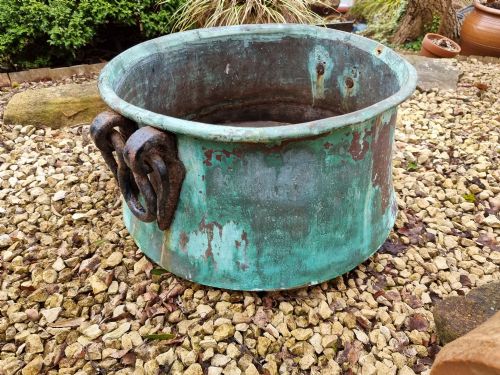
- A green patina or crust that forms naturally on copper and brass through long exposure to weather and moisture. This oxidation layer contributes significantly to the visual character of antique garden planters.
- Jardiniere
- An ornamental pot or stand designed to hold live plants or floral arrangements indoors. These vessels often feature decorative handles or repoussé patterns.
- Dinanderie
- Objects made of beaten brass, copper, or bronze, named after the Belgian town of Dinant famous for medieval metalworking. The term describes decorative cauldrons and planters produced in later revival styles.
- Brasero
- A traditional Spanish heating pan or brazier used to hold hot coals for warmth. These heavy vessels often possess distinctive handles and wide bowls.
- Preserving pan
- A deep circular pan with a flat base and single or double handles, originally utilised for boiling fruit and sugar. Their generous capacity makes them popular today for log storage.
Vintage Copper Basin: Frequently Asked Questions
How were copper preserving pans used?
Preserving pans were designed for boiling large batches of fruit and sugar over open flames, utilising copper's superior heat conductivity to prevent burning.
Their wide rims and heavy loop handles allowed cooks to stir mixtures safely and lift the heavy vessels off heat sources.
Can I plant directly in a vintage copper basin?
Planting directly into copper is possible, though moisture and soil acids will accelerate natural verdigris formation and alter the metal surface over time.
Many owners prefer placing a plastic nursery pot inside the basin to protect the historic interior while retaining the decorative exterior.
How do I clean an antique copper basin?
Cleaning depends entirely on the desired finish, as many collectors prefer preserving the dark historic patina rather than achieving a bright shine.
Gentle washing with warm soapy water removes dirt, while chemical polishes will strip away decades of accumulated oxidation.
How can I date a nineteenth century copper vessel?
Dating relies on observing construction methods, such as hand-cut dovetail joints, handmade iron rivets, and early handle attachments.
Comparing the gauge thickness and surface wear against documented nineteenth century kitchenware helps narrow the period of manufacture.