





Copper Centrepiece Bowl
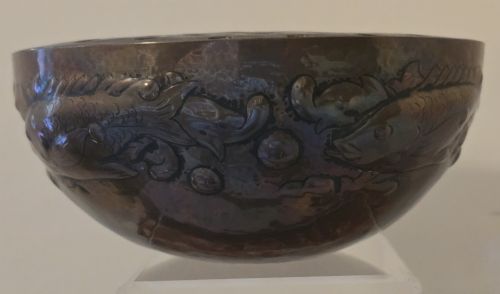
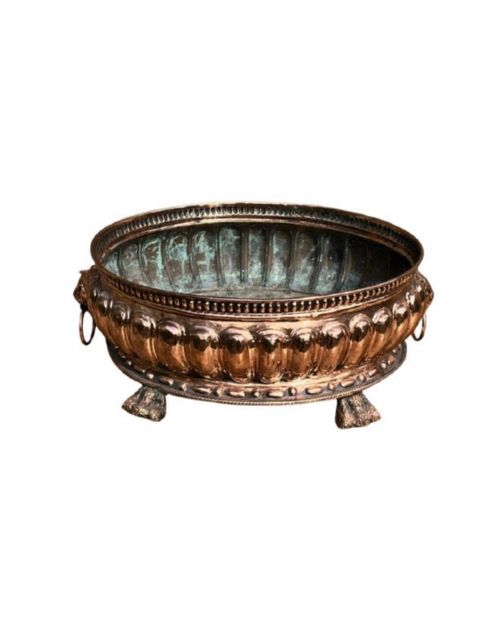
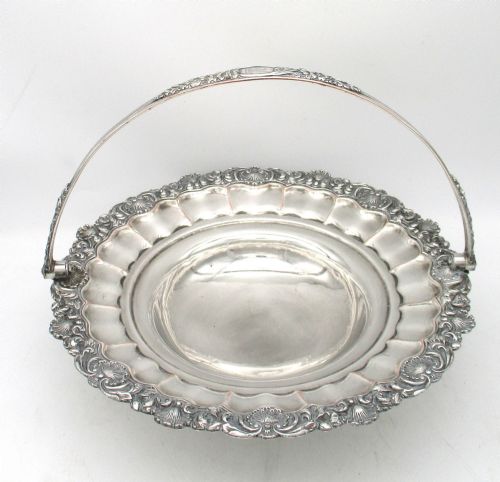
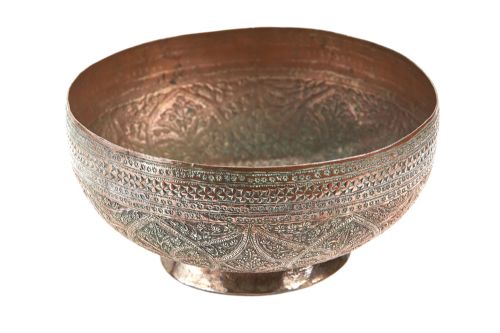
These copper centrepiece bowl examples range from Arts and Crafts hammered vessels to ornate Italian wine cisterns, offering striking focal points for a table.
Copper Centrepiece Bowl
A copper centrepiece bowl serves as a dramatic table focal point, drawing the eye with warm metallic tones and generous proportions. These items encompass rose bowls, pedestals, jardiniere vessels, and wine cisterns originating from various periods.
Victorian and Arts and Crafts examples dominate the selection, often featuring hammered surfaces, riveted construction, or inset enamel cabochons. Pieces span from simple nineteenth-century kitchenware forms to elaborate revival designs and imported Asian cloisonne work.
Buyers encounter distinct regional and stylistic variations, including British Newlyn work, Italian copper vessels, and Indian metalware. Each object brings a different aesthetic to a dining table or sideboard, functioning equally well for floral arrangements or as standalone display items.
Materials and construction methods
Makers formed these vessels primarily from sheet copper, sometimes combining brass, silver plating, or mixed metals to create visual contrast. Hammering and hand-beating left distinctive surface textures that catch the light.
Decoration often involved applied enamel cabochons, such as Ruskin ceramic inserts, or intricate pierced lids designed to hold floral stems. Riveted joints and folded seams reveal the manual labour involved in shaping rigid metal into rounded bowls.
Copper Centrepiece Bowl Retail Price Guide 2026
Typical asking prices for copper centrepiece bowl among the pieces listed under this phrase on Sellingantiques today, from the lower quarter to the upper quarter. They describe what is for sale here now, not the wider market.
Some bowls arrived with pierced lids intended to keep stubborn rose stems upright, proving that Victorian table disputes predated modern floristry.
Assessing quality in metalwork
Quality rests in the weight of the metal and the precision of the hand-hammering, which distinguishes robust workshop pieces from lighter decorative items. The integrity of soldered joints, handles, and applied feet indicates the care taken during initial construction.
The presence of original decorative elements, such as fitted pierced lids or intact enamel cabochons, elevates the integrity of an object. Patina development should appear even and natural rather than stripped by harsh cleaning agents.
Newlyn Copper·Barker Ellis
The Copper Centrepiece Bowl Glossary
- Arts and Crafts
- A design movement valuing manual skill and simple forms over mass production. This style produced many of the hammered copper vessels found in this category.
- Jardiniere
- An ornamental pot or bowl designed to hold plants or flowers. These items often feature waterproof liners or heavy metal walls.
- Cabochon
- A polished gemstone or enamel insert cut without facets, frequently set into the rims or pedestals of Arts and Crafts metalwork.
- Wine Cistern
- A large basin originally filled with ice and water to chill wine bottles at the table. These deep vessels double effectively as grand centrepiece bowls.
- Tazza
- A shallow bowl or dish mounted on a stem and foot, elevating floral displays or fruit above the surface of a table.
Copper Centrepiece Bowl: Frequently Asked Questions
How were copper centrepieces used?
These vessels served functional roles on dining tables and sideboards, holding iced wine bottles, cut flowers, or seasonal fruit displays.
Larger cisterns managed heavy hospitality duties, while smaller pedestals and rose bowls provided domestic decoration in Victorian and Edwardian dining rooms.
How do I clean an antique bowl?
Maintenance requires minimal intervention to preserve the natural oxidation and dark patination accumulated over decades of age. Harsh chemical polishes strip the historic surface finish and reduce the visual depth of the metal.
Dusting with a dry microfibre cloth usually suffices for daily care. If washing is necessary, use mild soap and dry thoroughly to prevent water spotting.
Are these bowls waterproof?
Many metal vessels held water historically for floral arrangements or wine cooling, but soldered joints can weaken over long periods. Inspecting the interior for past repairs helps determine if a piece can safely hold liquids today.
Using a hidden plastic or glass liner inside the bowl provides a sensible precaution for holding fresh water and flowers.
How do I date a copper bowl?
Dating relies on observing construction marks, stylistic cues, and manufacturing techniques like machine rolling versus hand-hammering. Rivet styles and mounting methods often point toward specific decades.
Comparing surface decoration to documented examples from periods like the Arts and Crafts movement or the Victorian era helps narrow down the decade of production.