

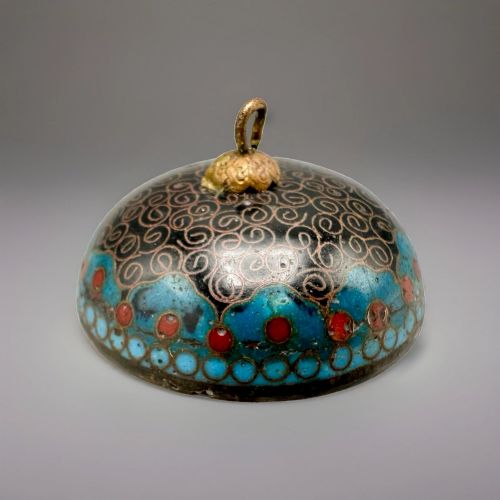
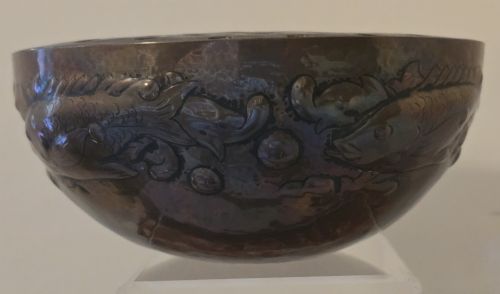


Edwardian Copper Bowl
An Edwardian copper bowl brings warmth and hand-hammered character to any room, offering a tactile focal point for modern interiors.
Edwardian Copper Bowl
How they were made
Artisans formed these vessels primarily from sheet copper, often shaping them by hand to create the characteristic undulations and tool marks prized by collectors. Construction techniques frequently involved riveting or soldering structural components, while decorative pedestals and stands occasionally utilised cast iron, wrought iron, or brass.
Surface enrichment formed an integral part of the manufacturing process, with workshops applying rich patinas or setting colourful enamel and Ruskin cabochons directly into the metalwork. Pierced lids on specific forms like rose bowls required precise metal-cutting skills to achieve symmetrical floral or geometric patterns.
Edwardian Copper Bowl Retail Price Guide 2026
Typical asking prices for edwardian copper bowl among the pieces listed under this phrase on Sellingantiques today, from the lower quarter to the upper quarter. They describe what is for sale here now, not the wider market.
Materials utilised across the current selection include copper, brass, cast iron, ceramic, wrought iron, tin, and enamel.
What varies in quality
The distinction between standard examples and superior pieces often lies in the ambition of the design and the presence of decorative embellishments. Items featuring integrated enamel work or Ruskin cabochon sets demand a higher level of artisanal skill than plain metal vessels.
The integrity of the original form and the retention of authentic surface patination significantly influence the standing of a piece. Accessories such as original pierced lids or matching stands elevate the completeness and visual impact of the work.
Newlyn Copper
The Edwardian Copper Bowl Glossary
- Cabochon
- A polished, unfaceted gemstone or coloured glass set flush into the metalwork. These decorative elements add a vibrant splash of colour against the dark copper surface.
- Jardiniere
- A large ornamental pot or bowl designed to hold plants or flowers. These vessels often sit on pedestals or stands and frequently appear in nineteenth-century and Edwardian interiors.
- Pedestal
- A raised base supporting a bowl or tazza above the tabletop. This architectural feature lifts the vessel to create a more prominent display piece.
- Tazza
- A shallow bowl or dish mounted on a stem and foot. Originating from classical forms, these footed dishes serve as striking centrepieces.
Edwardian Copper Bowl: Frequently Asked Questions
What is an edwardian copper bowl used for?
These vessels served various domestic purposes historically, functioning as flower holders, table centrepieces, or decorative jardiniere planters for indoor greenery.
Today, collectors utilise them primarily as decorative accent pieces on tables, sideboards, or mantels to add warmth and historic character to interior spaces.
How do I clean an edwardian copper bowl?
Cleaning historic metal requires a gentle touch to preserve the natural ageing and dark patination accumulated over more than a century. Avoid harsh abrasive polishes that strip away character, opting instead for mild, pH-neutral cleaners specifically formulated for antique metals.
Frequent polishing is generally discouraged by purists who value the mellow, undisturbed tone developed by the copper over decades. A soft, dry cloth suffices for routine dust removal.
Are all these bowls from the Edwardian period?
While the overarching style aligns with the early twentieth century, the listings encompass related pieces spanning from the late nineteenth century through to nineteen-ten. Stylistic overlap with Victorian manufacturing and the enduring Arts and Crafts movement accounts for this broader chronological range.
Examining the construction methods, materials, and design motifs helps place each individual vessel within its proper historical context.
What distinguishes Arts and Crafts copper?
Arts and Crafts metalwork celebrates visible craftsmanship, hand-hammered textures, and simple, honest construction rather than machine-made perfection. Makers in this tradition often highlighted the natural qualities of the copper through subtle patination and organic forms.
The inclusion of decorative accents like enamel cabochons further defines this artistic approach, separating plain utility items from expressive decorative art.