

Vintage Brass Container
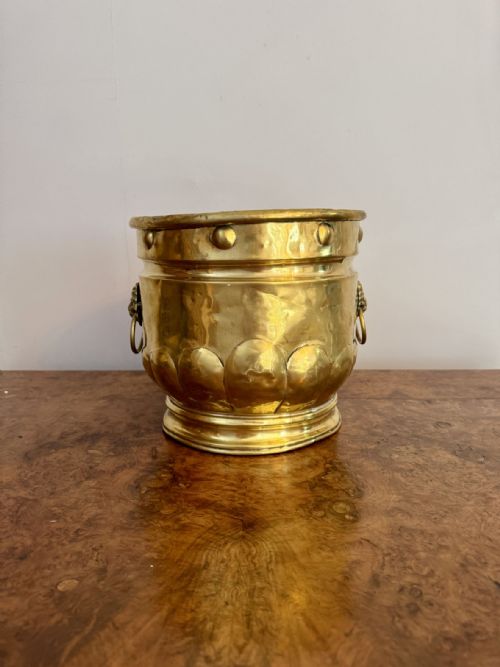
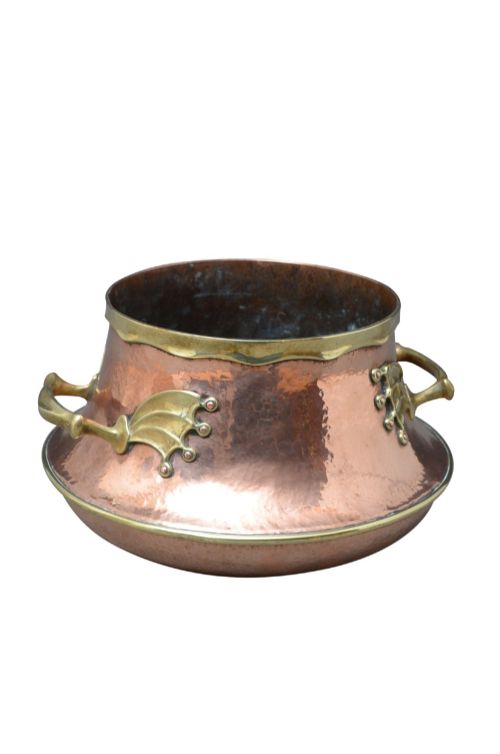
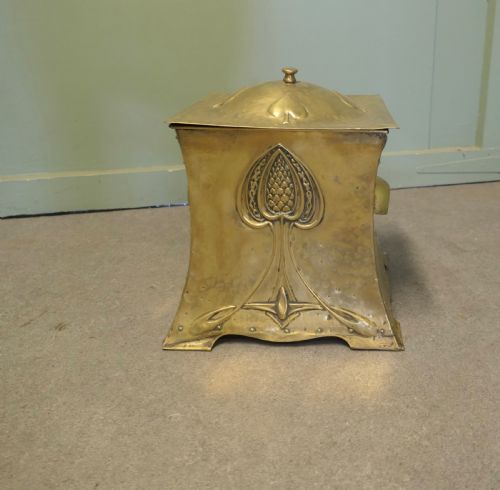
A vintage brass container serves multiple domestic roles, offering robust metalwork from the Victorian, Edwardian and earlier periods to hold everything from coal to umbrellas.
Vintage Brass Container
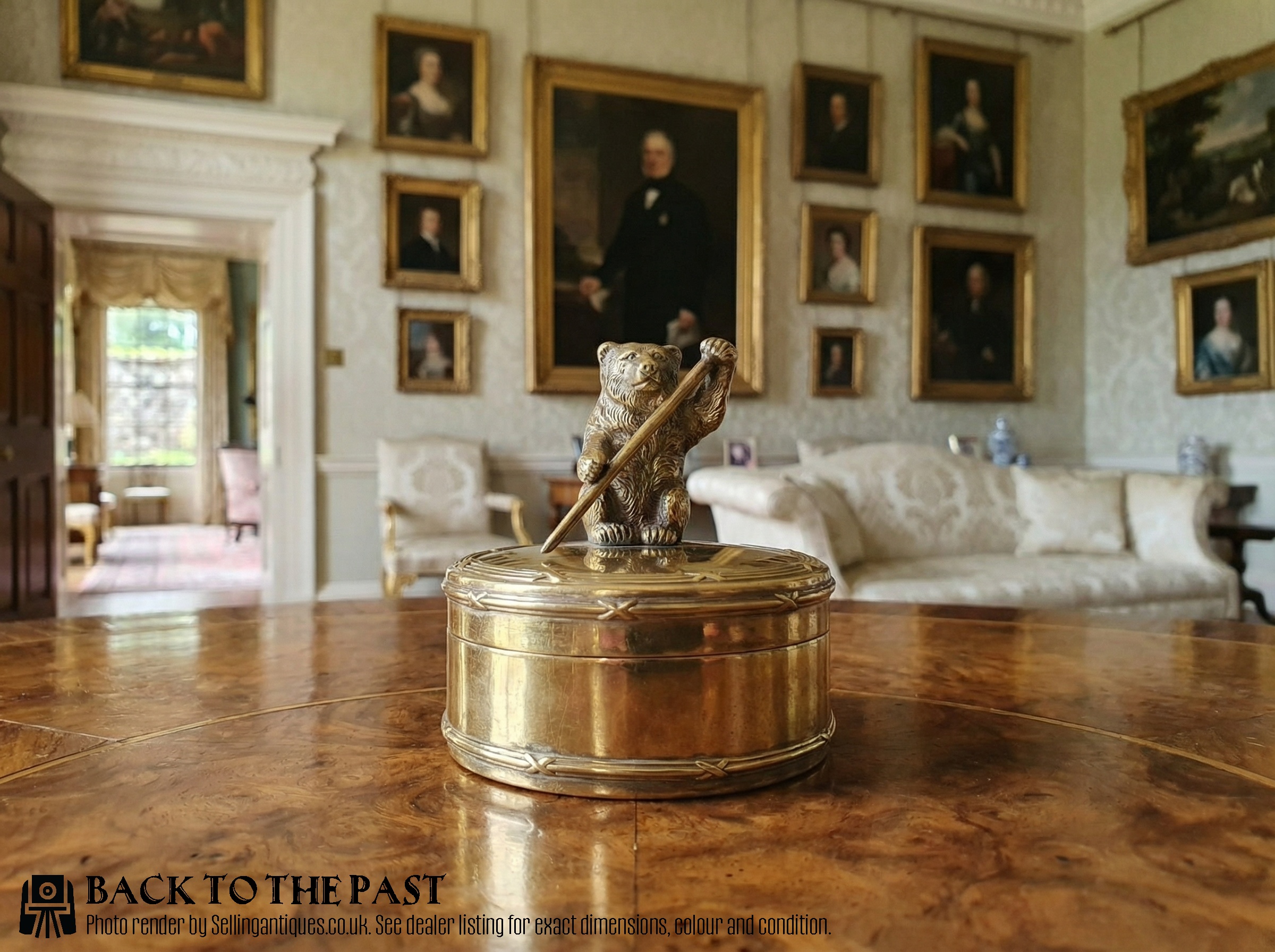
A vintage brass container encompasses utilitarian household vessels and smaller decorative boxes spanning the eighteenth to the twentieth centuries. Buyers searching for this phrase encounter substantial hearth furniture alongside smaller personal items.
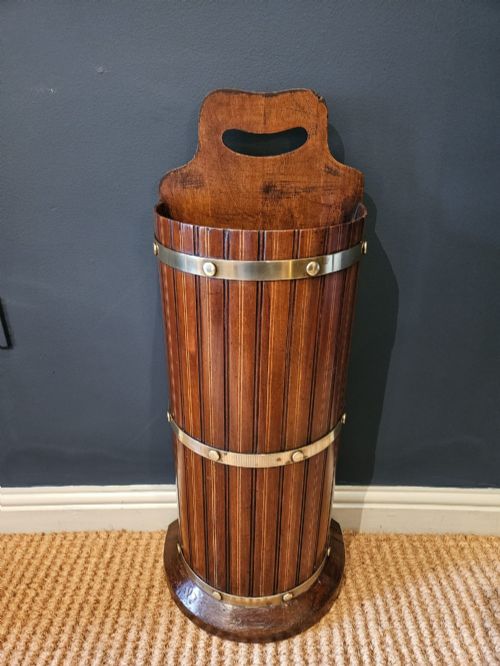
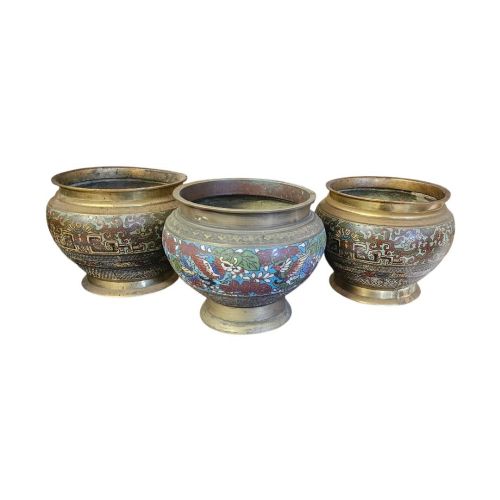
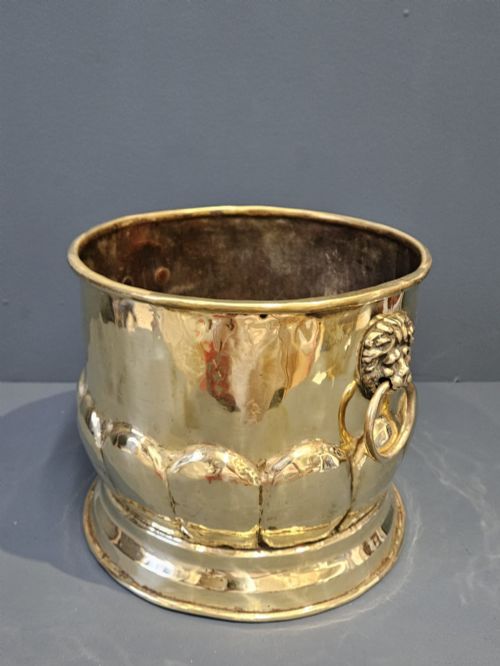
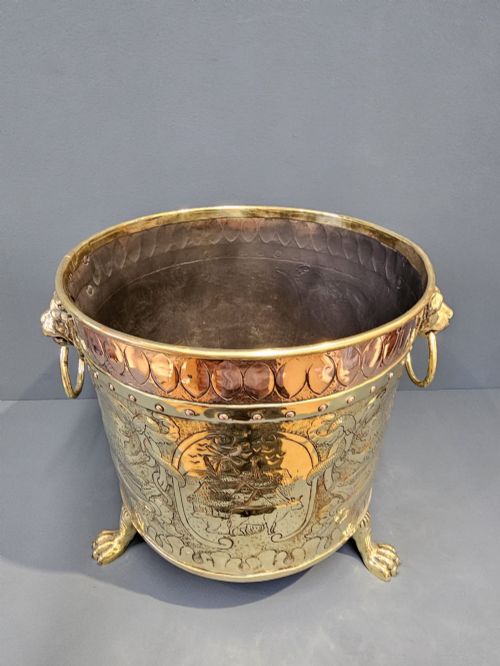
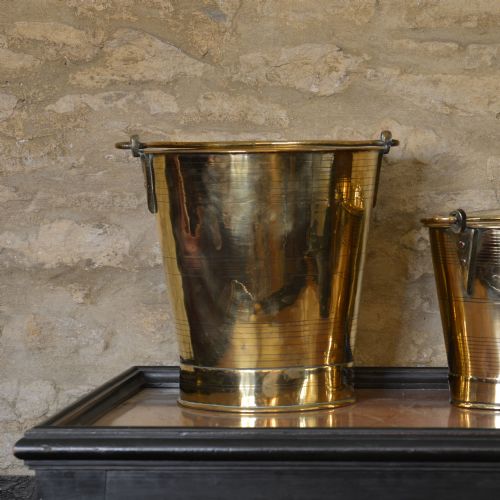
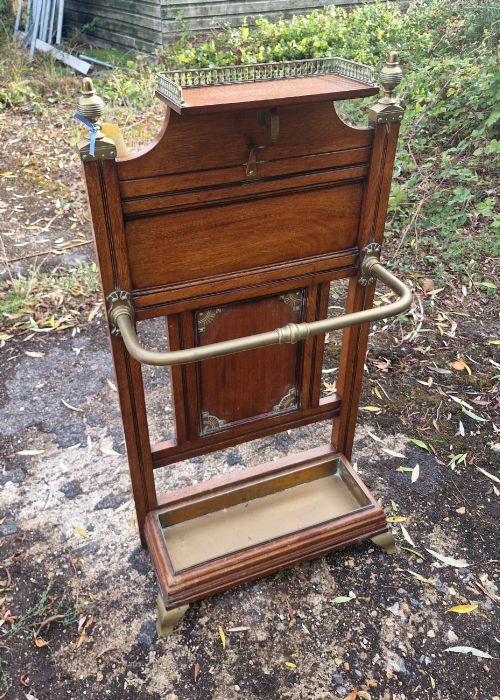
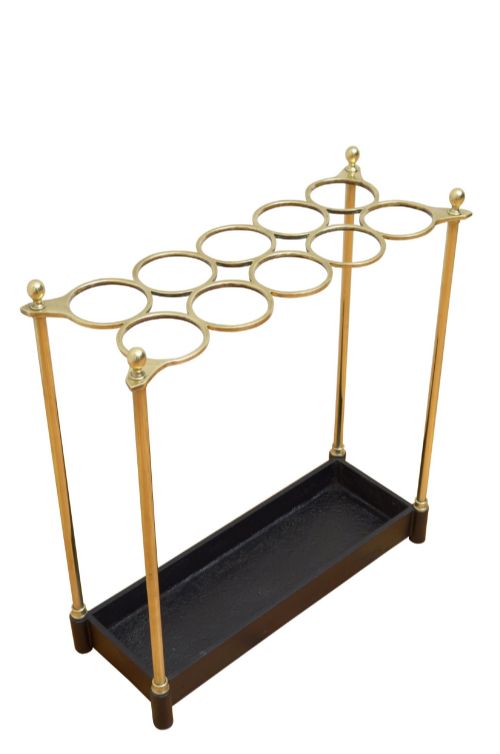
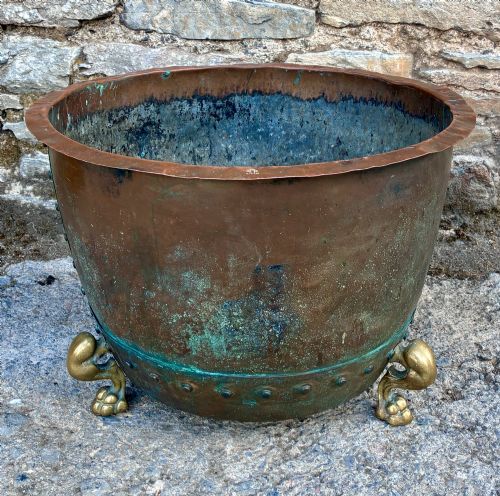
The larger forms dominate this selection, notably umbrella stands, stick stands, log bins, coal buckets and jardiniere planters. These hearth and hallway accessories reflect the heavy metal manufacturing of Victorian and Edwardian households.
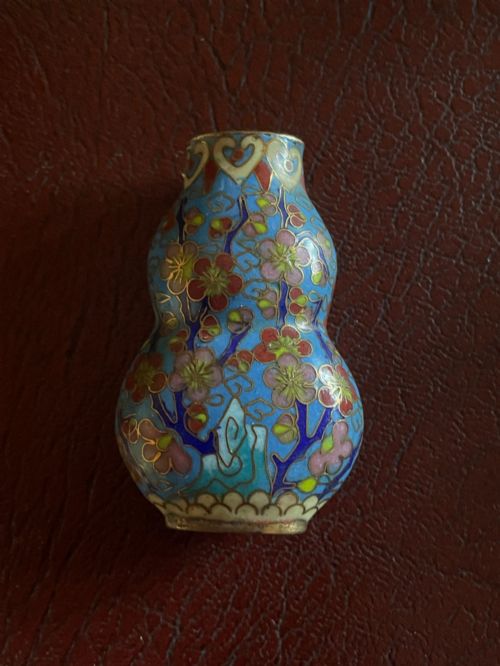
Smaller examples appear frequently alongside the large floor vessels, including table snuff boxes, trinket boxes and jewellery boxes. Materials extend beyond pure brass to include copper, oak, mahogany and cast iron combinations.
Materials and construction
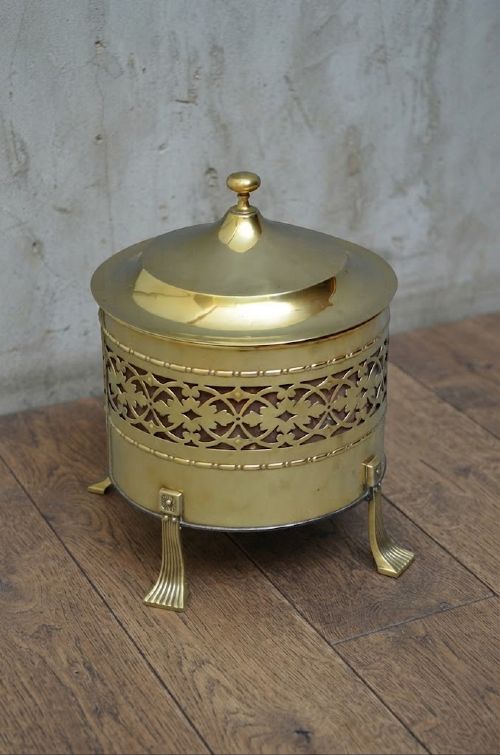
Metalworking techniques shape these pieces through riveting, embossing, fretwork and casting in brass and copper. Many large vessels feature added copper bands, cast iron components or decorative ball finials.
Wooden elements support the metal structures in specific forms, using coopered oak, mahogany and red lacquer. These mixed material constructions combine timber bodies with brass bindings or swing handles.
The inventory combines nineteenth-century brass hearth accessories with Edwardian umbrella stands and eighteenth-century wooden snuff boxes.
Judging the standard
Construction methods and decorative depth divide simpler utility items from finer decorative pieces. Riveted joints, crisp embossing and original matching elements like shovels indicate higher production standards.
Stilistic execution ranges from plain country house utility items to detailed Arts and Crafts, Art Nouveau or Anglo-Indian designs. The presence of specific fretwork, engraved naming or specialised joinery elevates individual containers.
The Vintage Brass Container Glossary
- Jardiniere
- An ornamental pot or stand designed to hold plants or flowers indoors. These vessels often appear in brass, copper or ceramics during the Victorian period.
- Coal scuttle
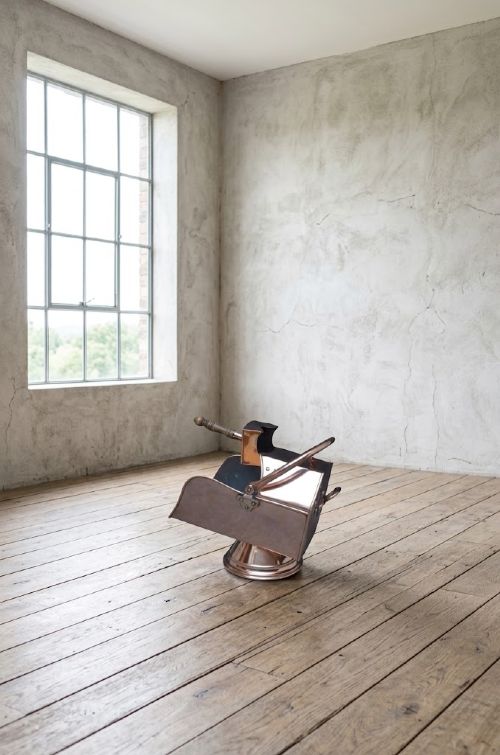
- A bucket or box designed for carrying and storing domestic coal for a fireplace. Many include matching shovels and swing handles for ease of transport.
- Snuff box
- A small hinged container used to hold powdered tobacco. Georgian and Victorian examples frequently employ brass, wood or silver.
- Coopered
- Constructed using wooden staves fitted together and bound by metal hoops. This technique appears in barrels and log bins.
- Navette
- A boat-shaped decorative form with pointed ends. This profile appears frequently on Georgian table snuff boxes.
Vintage Brass Container: Frequently Asked Questions
What is a brass log bin?
A brass log bin is a heavy metal container designed to store firewood beside a domestic hearth. These pieces often feature copper bands or decorative embossing to enhance their appearance.
Many date from the Victorian and Edwardian eras when metal coal and log holders formed standard elements of room heating equipment.
How do I use an umbrella stand?
An umbrella stand provides a dedicated hallway vessel for housing wet walking sticks and umbrellas. Their heavy brass or cast iron bases catch drips while keeping entranceways orderly.
Demi-lune and cylindrical designs allow these tall containers to sit flush against hallway walls or inside narrow porches.
Are these containers solid brass?
Many items feature heavy sheet brass or cast brass construction, occasionally combined with copper panels. Other variants integrate wooden bodies such as oak barrels with brass bindings.
Cast iron and bronze components also appear in structural frames, particularly on nineteenth-century umbrella and stick stands.
How do I identify a Victorian piece?
Victorian metalwork often displays characteristic heavy casting, riveted seams and embossed ornamentation. Styles span utilitarian coal scuttles to decorative planters bearing period design motifs.
Reference to specific periods like 1880 or the wider Victorian era helps date these robust domestic containers accurately.