


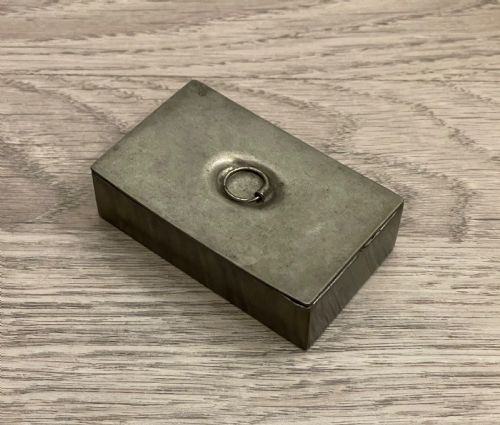
Antique Tobacco Tin
An antique tobacco tin is a sturdy receptacle for leaf or snuff, prized for its engraved metalwork and historic utility.

Antique Tobacco Tin
An antique tobacco tin encompasses pocket snuff boxes, shop storage jars, and hinged receptacles created across several centuries. You encounter small brass pocket pieces alongside larger ceramic jars and painted metal storage vessels.
The periods represented span the eighteenth century through to the art deco era, reflecting diverse social habits and smoking customs. Examples range from plain Georgian and Victorian designs to commemorative military pieces.
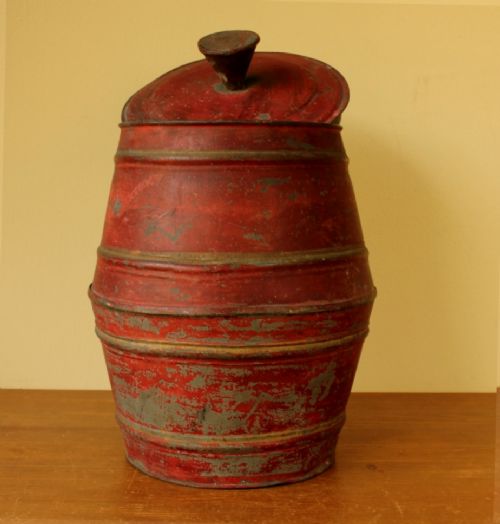
Forms include round storage jars, rectangular pocket boxes, and staved barrels designed to keep leaf moist or snuff dry. Metal and glazed earthenware dominate the selections available to collectors.
Materials and construction methods
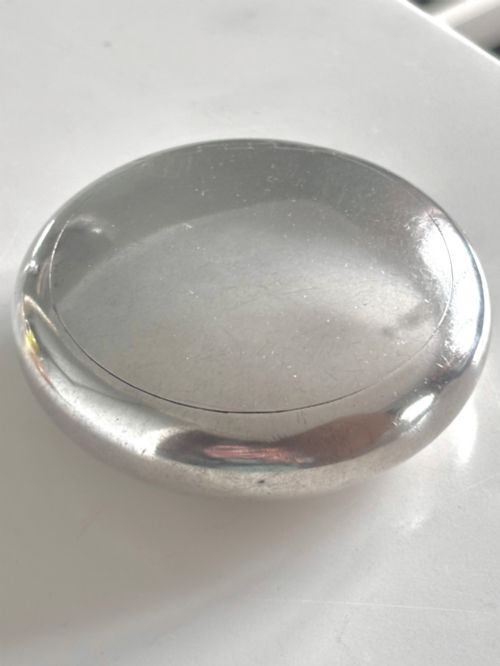
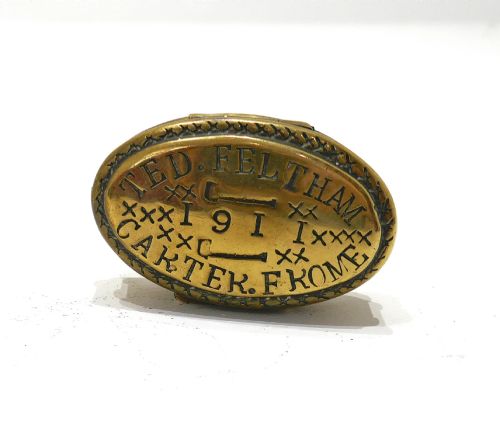
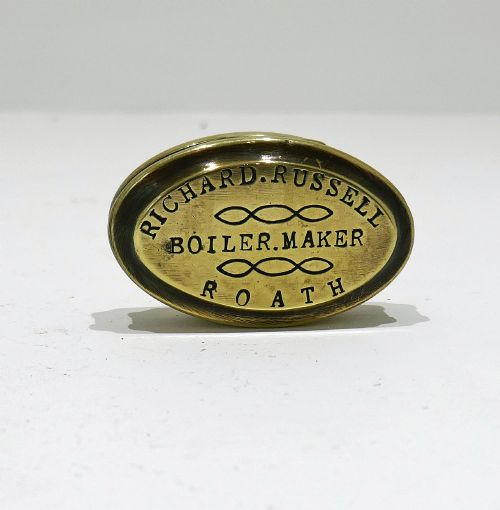
Metals such as brass, copper, pewter, and sterling silver form the backbone of these pieces, often worked by hand or shaped in early industrial workshops. Engraving decorates the brass surfaces with names, dates, and historical scenes.
Ceramic vessels utilise tin-glazed earthenware, known as delft, painted with pigments to create decorative storage jars for shop counters. Painted tin and toleware provide lighter alternatives with colourful surface finishes.
Antique Tobacco Tin Retail Price Guide 2026
Typical asking prices for tobacco tin among the pieces listed under this phrase on Sellingantiques today, from the lower quarter to the upper quarter. They describe what is for sale here now, not the wider market.
Regional styles include eighteenth-century Dutch, German, and French industrial designs alongside British Georgian and Edwardian metalware.
Assessing quality and finish
Quality rests upon the crispness of the engraving, the integrity of the hinges, and the skill evident in the hand-painted ceramic glazes. Superior items display careful detailing by named silversmiths or skilled metalworkers rather than mass production.
The condition of the original surface patina and any historic inscriptions greatly influence desirability among collectors. Heavy wear or later alterations diminish the historical value of the piece.
Mappin & Webb·Nathaniel Mills
The Antique Tobacco Tin Glossary
- Snuff box
- A small pocket container designed to hold powdered tobacco. These typically feature tight-fitting lids to preserve the contents.
- Delft
- Tin-glazed earthenware originating from Dutch and English potteries. It provides a smooth white ground for painted cobalt decoration.
- Toleware
- Lacquered or painted metalware popular for domestic storage. It offers a durable surface decorated with pigments.
- Pewter
- A malleable metal alloy containing tin, used for utilitarian boxes and pocket containers. It develops a dull grey patina over time.
- Treen
- Small domestic wooden objects turned or carved from timber. Dutch tobacco barrels utilise staved wooden construction.
Antique Tobacco Tin: Frequently Asked Questions
How do I date a brass snuff box?
Examine the style of engraving, the construction of the hinge, and any stamped maker marks or personal inscriptions. Eighteenth-century examples often display deeply chased battle scenes or armorial motifs, whereas Victorian pieces favour floral scrolls and machine engraving.
Compare the wear patterns around the thumbpiece and hinge to confirm age. Contemporary nineteenth-century pieces frequently record the owner's name and occupation directly onto the brass lid.
Were delft jars used for tobacco?
Large tin-glazed earthenware jars served as counter displays in European tobacconist shops to store loose leaf. Their thick ceramic walls helped regulate moisture and temperature for bulk tobacco.
Smaller domestic examples also existed, though shop jars remain the most prominent ceramic form. They usually feature painted blue lettering indicating specific tobacco blends.
What is the difference between a tobacco box and a snuff box?
Tobacco boxes are generally larger receptacles designed to hold cut leaf or plugs for pipe smoking, often kept at home or carried in a pocket. Snuff boxes are smaller pocket-sized containers made for powdered tobacco consumed nasally.
Both categories utilise tight lids, but tobacco boxes frequently incorporate secondary compartments or tamper tools. Materials range from engraved brass and silver to turned wood and pewter.