


Engraved Brass Snuff Box
An engraved brass snuff box sits comfortably in the palm, carrying names, dates, and histories etched into metal by hands long gone.

Engraved Brass Snuff Box
An engraved brass snuff box is a pocket-sized container fashioned to hold ground tobacco, featuring surface decoration cut directly into the metal. These small receptacles appear across several periods, most frequently emerging from the nineteenth and eighteenth centuries alongside occasional Edwardian and twentieth-century examples.
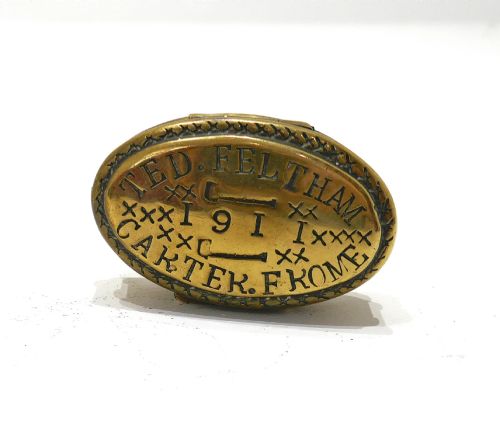
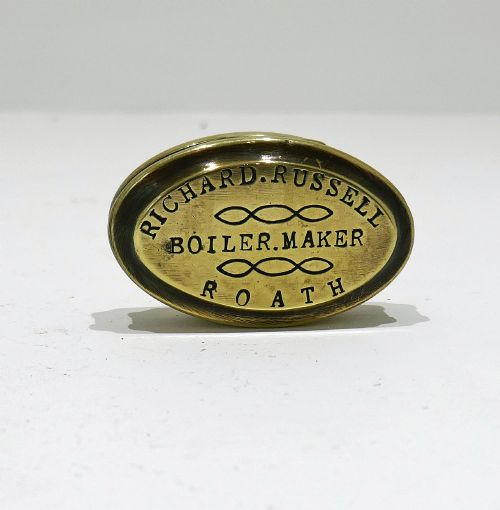
The varieties span standard rectangular and oval pocket models to larger tobacco boxes and novelty shapes such as shoes, bears, and bellows. Many pieces display detailed inscriptions recording names, towns, occupations, and significant dates like the Battle of Minden.
Origin points stretch across England, Wales, Germany, and particularly the Netherlands, with Dutch Baroque and eighteenth-century Dutch workshops contributing heavily to the surviving pool. Alongside plain brass, forms occasionally incorporate copper, agate, gilt brass, gold plate, and fruitwood.
How they were made
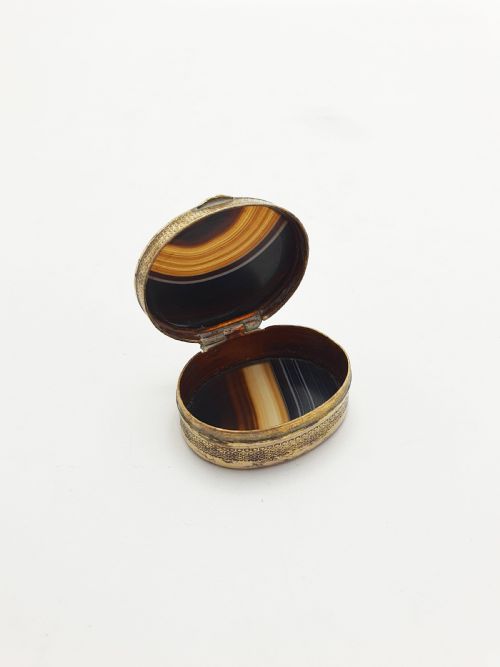
Makers shaped heavy gauge brass and copper sheets through folding, joining, and casting, often pairing the primary metal with wooden inserts, gilt brass mounts, or inset agate panels. Construction methods relied on precise folding and snug-fitting lids designed to keep dry snuff protected from moisture.
Surface patterns and lettering were applied by hand using gravers and scoring tools to cut directly into the brass. Engravings range from simple initials and dates to elaborate portraits, commemorative battle scenes, and detailed personal dedications.
Engraved Brass Snuff Box Retail Price Guide 2026
Typical asking prices for engraved brass snuff box among the pieces listed under this phrase on Sellingantiques today, from the lower quarter to the upper quarter. They describe what is for sale here now, not the wider market.
What varies in quality
Quality rests heavily upon the crispness and depth of the hand engraving, where confident, fluid lettering and detailed pictorial scenes distinguish superior examples from plain or hastily scratched work. Metal gauge also matters, as heavier brass plates hold their structural integrity and hinge alignment far better over centuries of handling.
The sophistication of the form dictates distinction, elevating standard utilitarian boxes into remarkable pieces through unusual novelty shapes, figural finials like bears, or luxury material combinations such as gilt brass and polished agate.
The Engraved Brass Snuff Box Glossary
- Snuff box
- A small container designed to hold finely ground tobacco inhaled through the nose. These pocket vessels often feature hinged lids and personalised engravings.
- Tobacco box
- A larger container used for storing pipe tobacco rather than snuff. They frequently share the brass construction and engraved commemorative designs of smaller pocket boxes.
- Gilt brass
- Brass treated with a thin layer of gold applied to the surface. This finish adds a warm, lustrous sheen and protects the base metal from tarnishing.
- Novelty brass
- Metalware shaped to resemble everyday objects, animals, or clothing items such as shoes and bellows. These playful forms became particularly popular during the early twentieth century.
- Heavy gauge
- A term describing metal of substantial thickness and weight. Heavier plates provide greater durability and resistance to bending.
Engraved Brass Snuff Box: Frequently Asked Questions
What is an engraved brass snuff box?
An engraved brass snuff box is a small lidded container used historically for carrying powdered tobacco. Artisans decorated the metal surfaces with personal names, dates, and commemorative scenes.
These pocket-sized objects reflect personal milestones, trades, and military events through hand-cut inscriptions.
How were snuff boxes used?
Owners carried them in pockets or waistcoats to social gatherings where taking a pinch of snuff was a common ritual. Opening the hinged lid allowed users to pinch the tobacco powder for nasal consumption.
Many boxes carried sentimental value, serving as personal tokens marked with owner names, initials, and specific dates.
How do I date an antique brass snuff box?
Dating relies on examining the engraved names, specific dates, styles of lettering, and manufacturing characteristics. Eighteenth-century Dutch and German boxes often display distinct pictorial compositions compared to Victorian or Edwardian pieces.
Inscribed dates and maker details provide the clearest chronological anchors for individual boxes.
Where were these brass boxes made?
Production centres spanned England, Wales, Germany, and the Netherlands. Dutch workshops produced a significant proportion of surviving eighteenth-century tobacco and snuff boxes.
Regional differences appear in the weight of the brass, the style of the hinges, and the motifs chosen for the engraved decoration.