




18th Century Tobacco Box
An 18th century tobacco box is a compact container for smokers, offering tactile history and functional pocket-sized art that collectors prize.

18th Century Tobacco Box
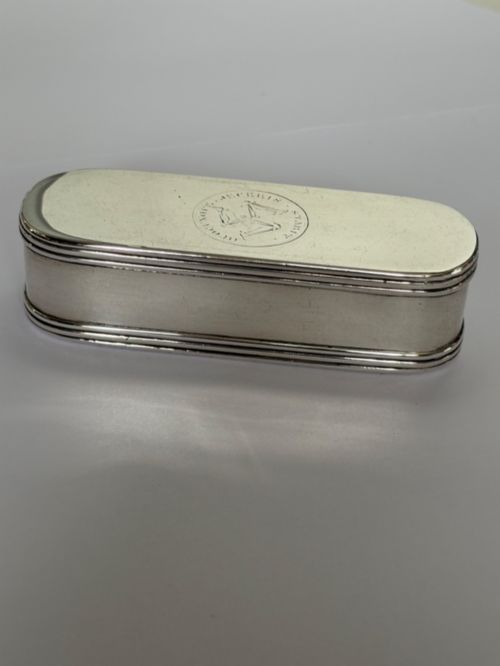
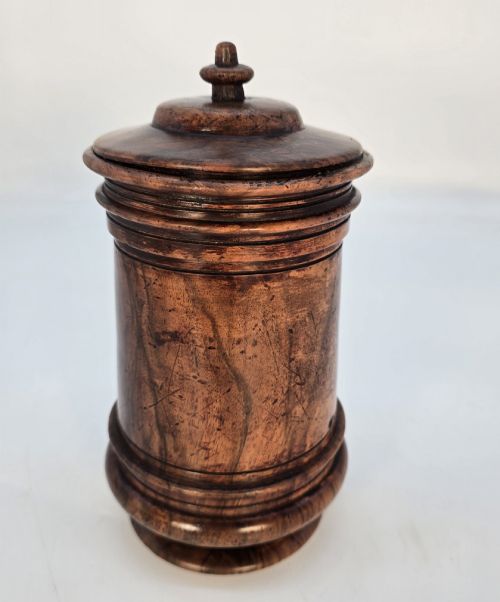
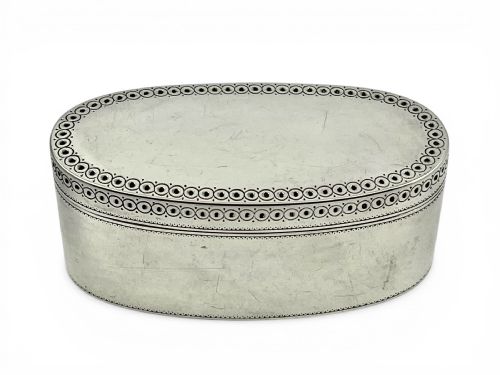
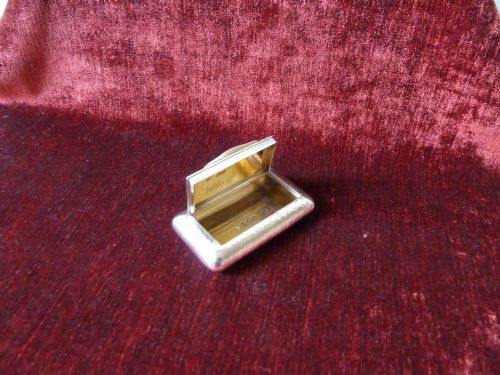
An 18th century tobacco box represents a portable container designed for personal use, taking the form of boxes, tins and snuff boxes. The pieces seen on this page span the 18th century, incorporating Georgian designs and specific regional identities.
Sailors and civilians alike carried these items, reflecting the everyday habits of the period. Alongside larger table snuff or tobacco boxes, small pocket companions survive in brass, copper and wood.
How They Were Made
Metals form the backbone of the craft, utilising brass, copper, lead and solid silver gilt. Makers shaped these materials through heavy gauge casting, hand wrought techniques and staved construction.
Engraving added detailed maritime scenes and figures directly onto the metal surfaces. Alternatively, pressed maple provided a lighter wooden option with intricate surface moulding for snuff boxes.
18th Century Tobacco Box Retail Price Guide 2026
Typical asking prices for 18th century tobacco box among the pieces listed under this phrase on Sellingantiques today, from the lower quarter to the upper quarter. They describe what is for sale here now, not the wider market.
Sailors guarded their tobacco boxes fiercely at sea, turning humble brass into salt-worn companions adorned with cherubs and ships.
What Varies in Quality
The distinction between standard examples and superior items rests on the depth and clarity of the engraved or pressed decoration. Crisp maritime imagery and defined cherubs separate finely worked pieces from simpler surfaces.
Gauge and weight signal the standard of metalwork, where heavier brass and solid construction indicate more substantial workshop output. The sophistication of the regional style, from German craftsmanship to Dutch staved containers, guides the tier of the piece.
The 18th Century Tobacco Box Glossary
- Tobacco Box
- A lidded container historically used to store loose leaf tobacco for smoking. These vessels protected the leaf from moisture and damage.
- Snuff Box
- A small pocket container designed specifically for holding powdered tobacco. They frequently feature tight-fitting lids to preserve the scent.
- Staved
- Constructed from narrow vertical strips of material joined together. This technique appears in specialised wooden containers.
- Hand Wrought
- Formed and shaped manually using traditional hammer and anvil methods. This process leaves subtle tool marks characteristic of period metalwork.
18th Century Tobacco Box: Frequently Asked Questions
How were tobacco boxes used?
Owners carried them in pockets or kept them on tables for easy access to smoking leaf or snuff throughout the day. Sailors and civilians relied on them to keep tobacco dry.
The robust metal construction ensured the contents survived daily handling and travel.
How do you date an 18th century box?
Dating relies on stylistic clues, manufacturing techniques and specific historical events commemorated on the surface, such as the Battle of Minden. Material choices like brass, lead and pressed maple also align with period standards.
Examining the engraving style helps separate 18th century work from later reproductions.
What materials are used for these boxes?
The selection includes brass, copper, lead, solid silver gilt and pressed maple. Metal versions often feature hand wrought or heavy gauge construction.
Wooden examples utilise pressed techniques to achieve detailed exterior decoration.