


18th Century Brass Box
An 18th century brass box is a small, functional vessel for tobacco, snuff or documents, prized for its tactile warmth and engraved detail.
18th Century Brass Box
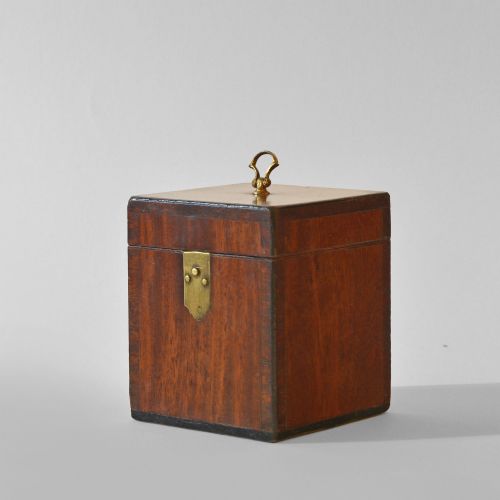
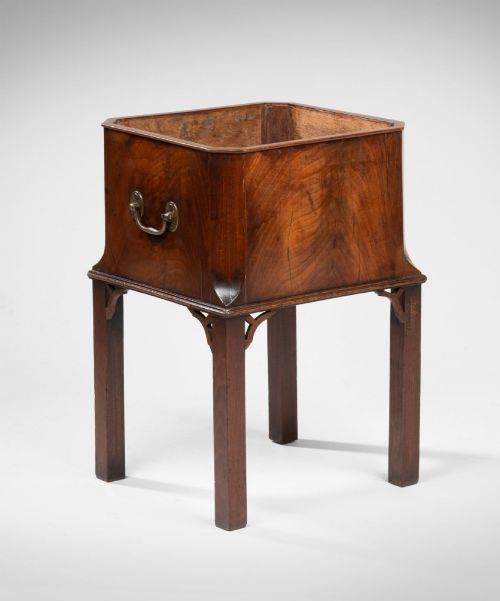
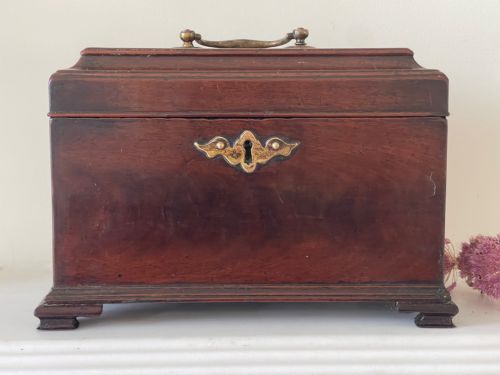
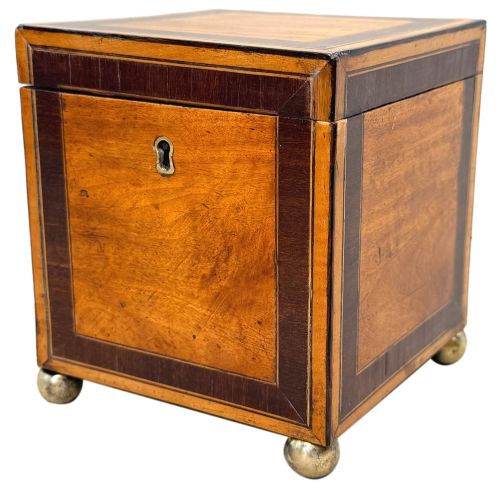
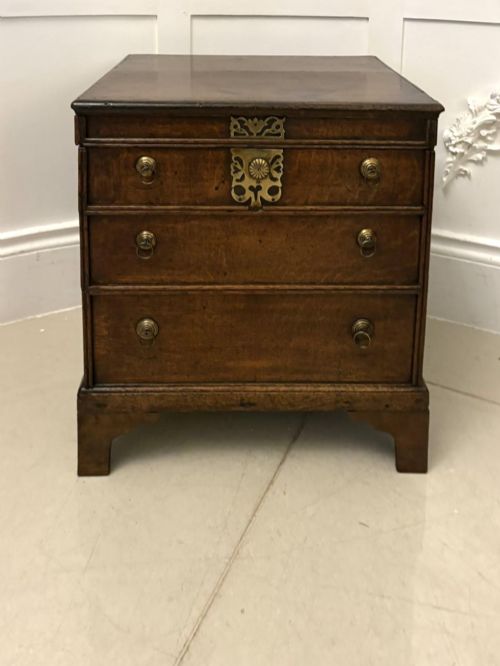
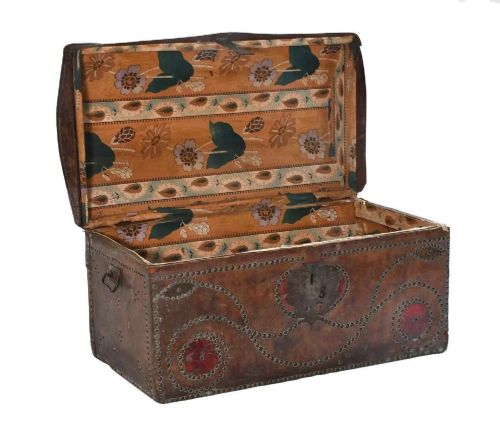
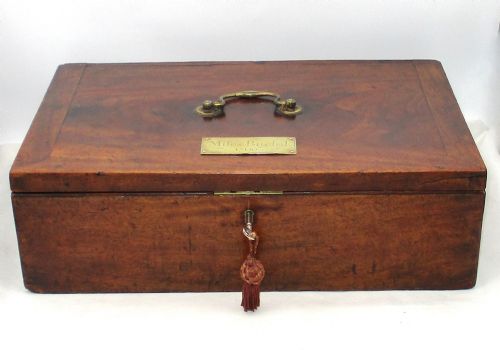
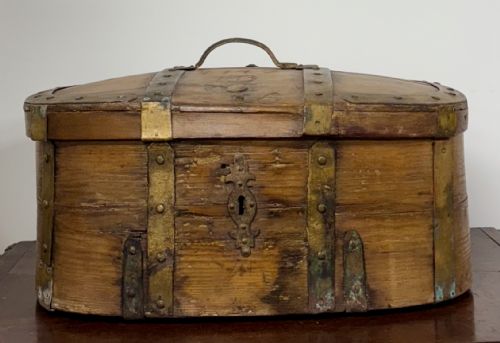
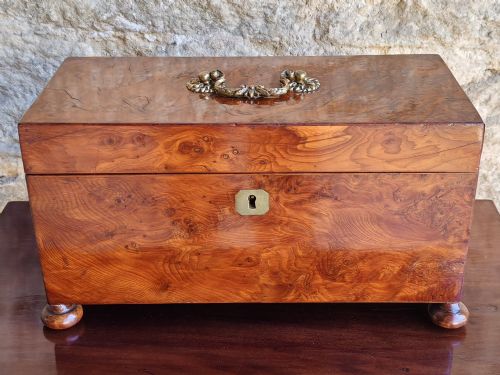
An 18th century brass box encompasses small table vessels alongside larger brass-mounted wooden caskets and chests. The search phrase frequently brings up items where brass forms the primary plate or mounts enclosing timber structures like oak, mahogany, walnut and padouk.
Buyers regularly encounter pocket-sized tobacco and snuff boxes, often Dutch or English in origin, alongside foot warmers and document caskets. These pieces combine utilitarian metalwork with domestic timber storage from the Georgian period.
The objects span domestic containers and travelling equipment, including compasses and apothecary boxes. Their shared characteristic is the integration of brass plates, hinges, or mounts with period woods.
Materials and Construction
Makers utilised sheet brass, frequently hand-engraved with figural scenes, scrolling foliage, or commemorative inscriptions. This metalwork was joined to timber bodies using dovetail joints, iron pins, and hand-beaten hinges.
Wooden carcasses in oak, walnut, mahogany, and padouk provide structural integrity for brass mounts, hinges, and lock plates. Boxwood, ebony and mother of pearl frequently appear as stringing or inlaid details on the exterior surfaces.
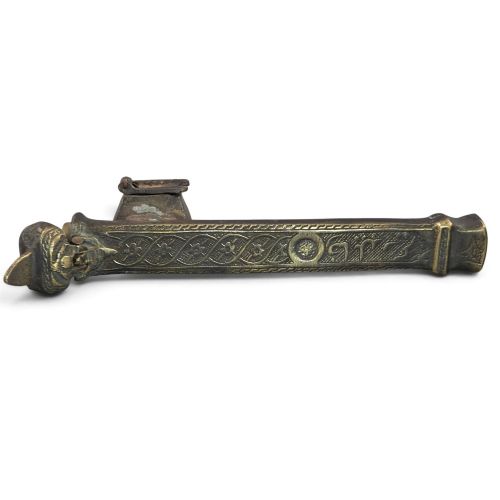
Casting and hand-hammering techniques shaped the heavier brass elements, such as foot stoves and tobacco boxes. Engraving tools cut linear patterns directly into the metal surface.
18th Century Brass Box Retail Price Guide 2026
Typical asking prices for 18th century brass box among the pieces listed under this phrase on Sellingantiques today, from the lower quarter to the upper quarter. They describe what is for sale here now, not the wider market.
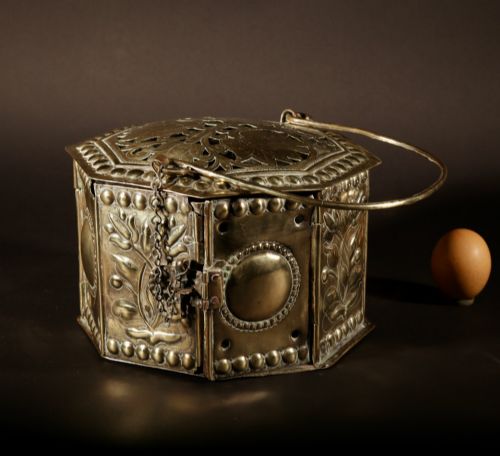
Some survival items show evidence of hot coals inside perforated brass lids, once keeping eighteenth-century feet warm during long sermons.
Assessing Quality and Execution
Quality rests upon the crispness of the hand-engraving on brass panels and the precision of the dovetail joinery in the underlying timber. Heavy gauge brass indicates a sturdier vessel compared to thin, pliable sheet metal.
The integrity of original hinges, locks, and fastening pins distinguishes a well-preserved container from one assembled with replacement components. Integration between the brass mounts and the timber body reveals the maker's skill.
The 18th Century Brass Box Glossary
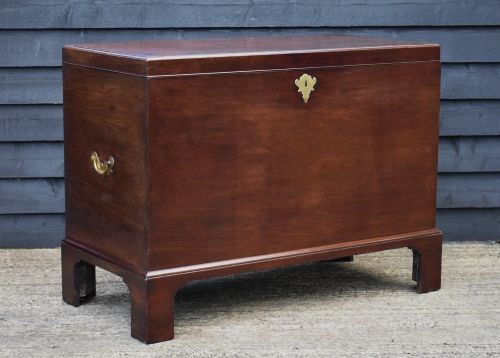
- Cellarette
- A lockable container designed to hold bottles or decanters safely during storage or travel. These pieces frequently incorporate substantial brass carrying handles and banding.
- Tobacco Box
- A pocket or table container specifically manufactured to keep loose leaf tobacco dry and fresh. Many examples feature sliding or hinged lids with engraved Dutch inscriptions.
- Snuff Box
- A small receptacle intended to hold powdered tobacco consumed nasally. They are often navette-shaped or oval and constructed from brass, sometimes paired with tortoiseshell or mother of pearl.
- Foot Stove
- A pierced brass and wood container holding hot coals to warm the feet during carriage rides or church services. The brass lid typically displays hand-embossed floral or geometric motifs.
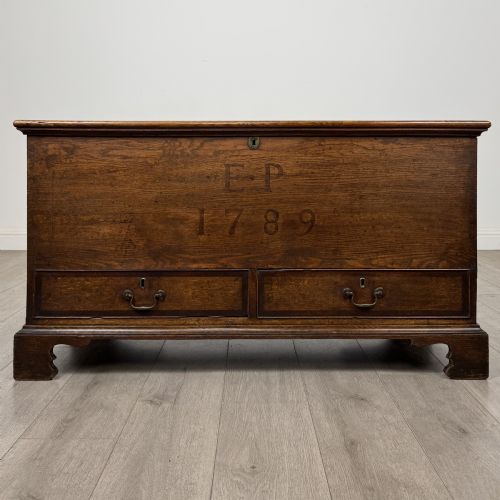
- Mule Chest
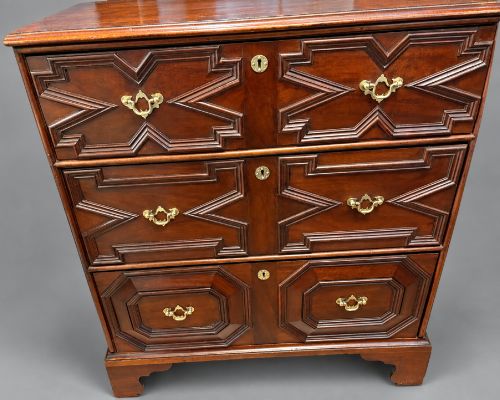
- A storage chest featuring one or two drawers beneath the main compartment. This regional form combines trunk storage with drawer access.
18th Century Brass Box: Frequently Asked Questions
What were brass boxes used for?
These containers served practical domestic and personal storage needs, holding dry goods, smoking materials, documents, and valuables.
Smaller lidded vessels kept tobacco and snuff secure for daily use, while larger mounted chests safeguarded important papers and household items.
How do I care for an antique brass box?
Keep the object away from direct sunlight and sources of extreme heat to protect the underlying timber and any decorative inlays.
Dust the metal and wood surfaces gently with a soft dry cloth, avoiding abrasive cleaning agents that might remove the historic patina.
Are these boxes English or continental?
Origin varies across Britain, the Netherlands, and wider European or colonial workshops, depending on the specific construction and decorative motifs.
Dutch and continental examples frequently display hand-engraved tobacco boxes, while English production leans toward mahogany tea caddies and oak mule chests with brass mounts.
How can I tell the period?
Dating relies on observing structural characteristics, timber species, hinge types, and the style of hand-engraving on the brass plates.
Georgian and eighteenth-century pieces display specific joinery methods and hardware configurations that distinguish them from later nineteenth-century revival items.