

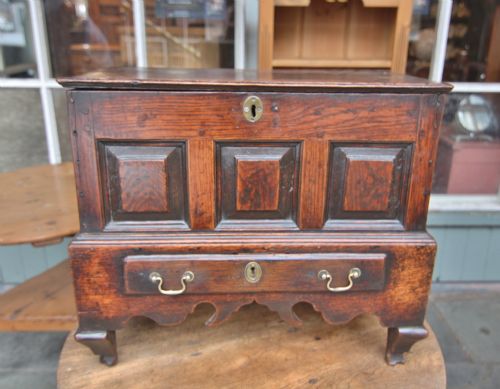

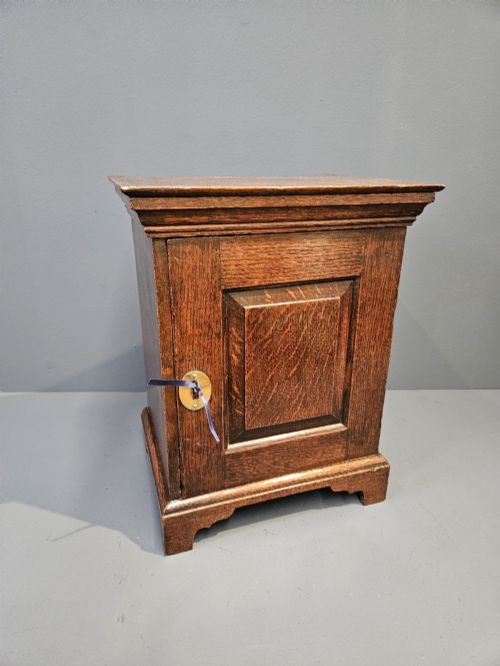
Small Wooden Box
A small wooden box gathers a room's small treasures, holding fast to centuries of clever joinery and daily use.
Small Wooden Box
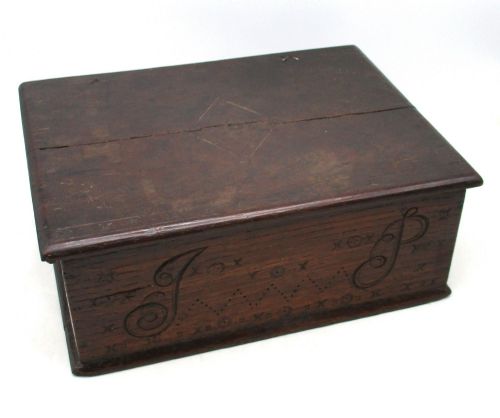
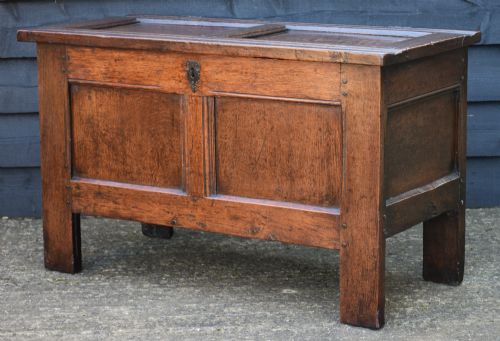
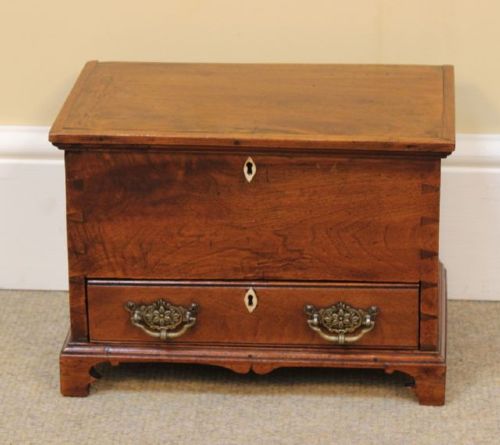
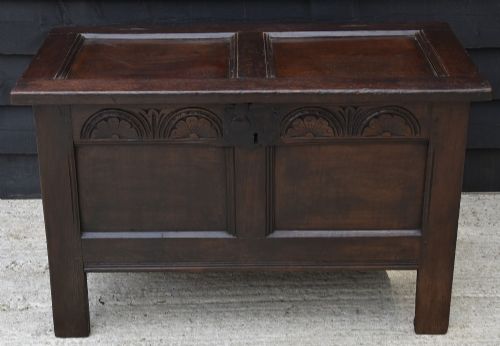
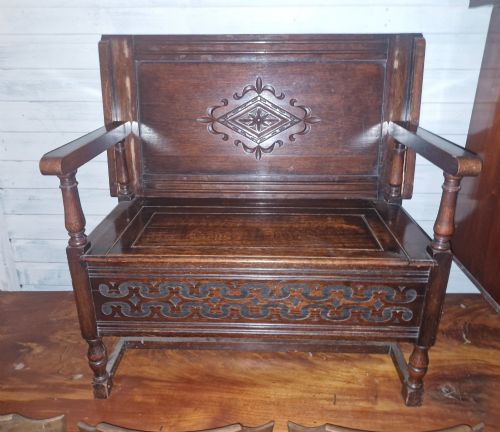
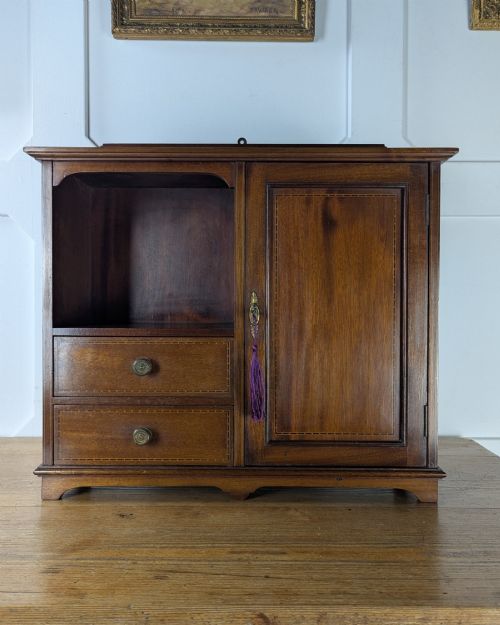
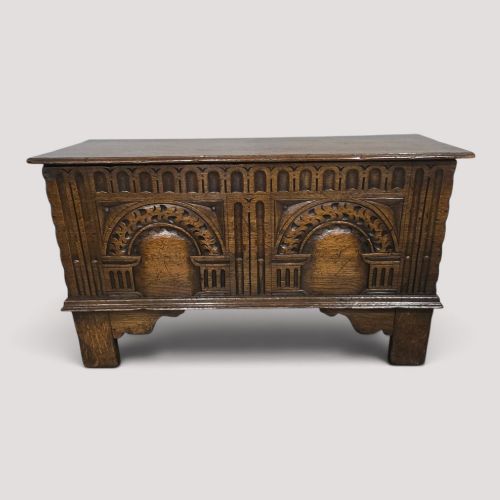
When you search for a small wooden box, you encounter centuries of compact storage ranging from document chests and bible boxes to miniature furniture and apprentice pieces. These items served intimate, domestic purposes, safeguarding papers, spices, or valuables within domestic spaces.
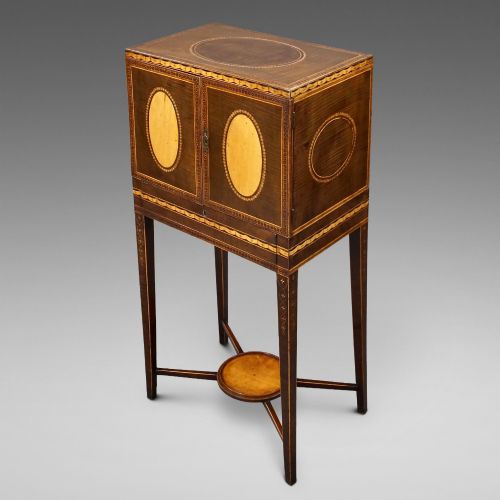
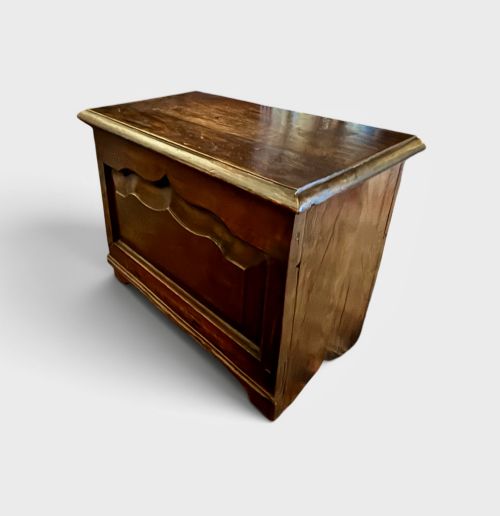
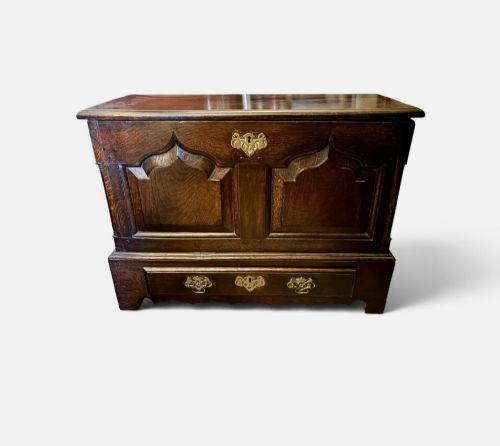
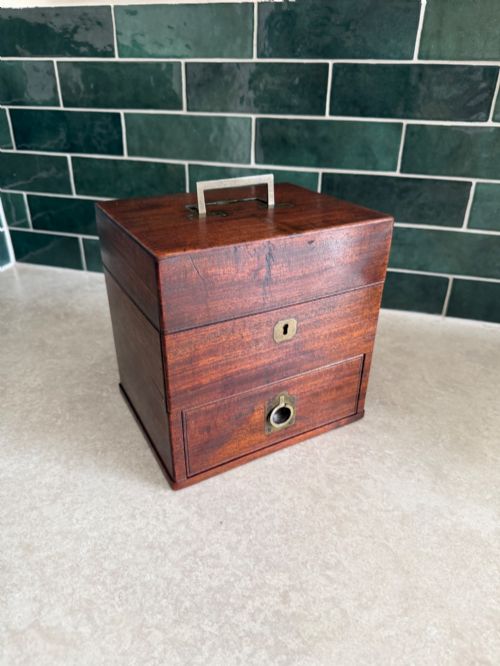
The versions most frequently met on this page are oak and mahogany pieces spanning the seventeenth century through the Edwardian era. You will find tabletop coffers, tea caddies, and small drawers that demonstrate how past households kept their prized belongings secure.
Regional variations also appear among these listings, including Welsh coffer bach chests and Anglo-Indian collector cabinets. Each form reveals the specific storage needs of the period in which it was built, from travelling strong boxes to apothecary containers.
How they were made
Maker's hands shaped these pieces primarily from solid oak, mahogany, walnut, and pine, often embellishing surfaces with satinwood, harewood, and fruitwood. Structural integrity relied on traditional timber framing, panel construction, and tight joints that endured heavy daily handling.
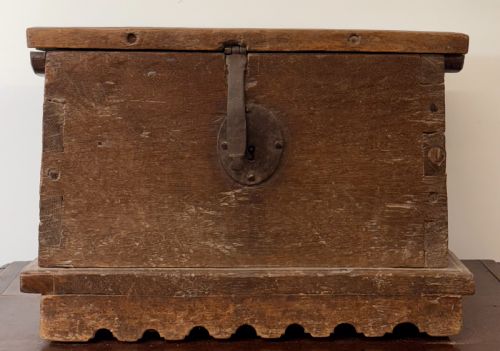
Metal accents played a functional and decorative role, incorporating brass hinges, iron locks, and fitted keys to secure contents. Inlays of contrasting wood and specialised carving further distinguished finer examples from utilitarian containers.
Listings span multiple centuries from the sixteen-hundreds through the Edwardian era, predominantly utilising oak, mahogany, and walnut.
What varies in quality
Quality rests in the precision of the timber selection and the restraint of the decoration. Pieces built with well-figured grain and balanced proportions show a maker's true discipline, whereas hasty construction betrays clumsy panel shrinkage and crude ironwork.
The sophistication of the internal fittings elevates certain pieces above standard utility. Original hardware, intact linings, and working locks separate standard workshop output from exceptional survivals.
The Small Wooden Box Glossary
- Coffer bach
- A small Welsh oak chest traditionally presented as a wedding gift or dowry. These diminutive storage pieces often mirror the proportions of full-sized furniture.
- Document box
- A rigid container designed to protect important papers and legal deeds from moisture and wear. Many seventeenth-century examples feature sloping lids and carved oak panels.
- Spice drawers
- A set of small interior compartments or a standalone chest intended for storing culinary or medicinal spices. Fruitwood and oak were commonly employed for these compartmentalised structures.
- Tea caddy
- A lidded container built to store expensive loose tea leaves safely under lock and key. Victorian examples often feature domed lids and internal foil or wooden partitions.
Small Wooden Box: Frequently Asked Questions
What were small wooden boxes used for?
These boxes held valuable documents, personal letters, money, spices, and small household trinkets. Their portable nature allowed owners to keep important items secure and close at hand.
Many styles evolved for specific trades or domestic tasks, ranging from apothecary storage to tobacco cabinets and miniature display cases.
How do I identify a seventeenth century box?
Seventeenth-century pieces typically feature heavy oak construction, hand-carved panels, and pegged joinery. Iron strap hinges and simple boarded lids are common characteristics of this early period.
Makers relied on traditional hand tools, leaving subtle surface toolmarks that distinguish genuine antique work from later revival pieces.
What is an apprentice piece chest?
An apprentice piece is a miniature furniture item made by a craftsman proving their skill to a guild. These small chests display the same dovetail joints and proportions as full-sized furniture.
They serve as charming tabletop storage while representing a historical standard of woodworking education.
How should I care for an antique box?
Keep wooden boxes away from direct sunlight and sudden temperature shifts to prevent timber splitting. Gentle dusting and occasional application of appropriate wax maintain the historic finish.
Avoid harsh chemical cleaners that can strip patination built up over centuries of handling.