
Vintage Wooden Keepsake Box
These vintage wooden keepsake box examples span centuries of domestic storage, offering practical harbour for trinkets and documents alike.
Vintage Wooden Keepsake Box
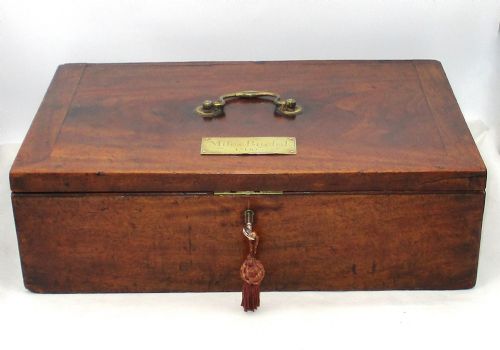
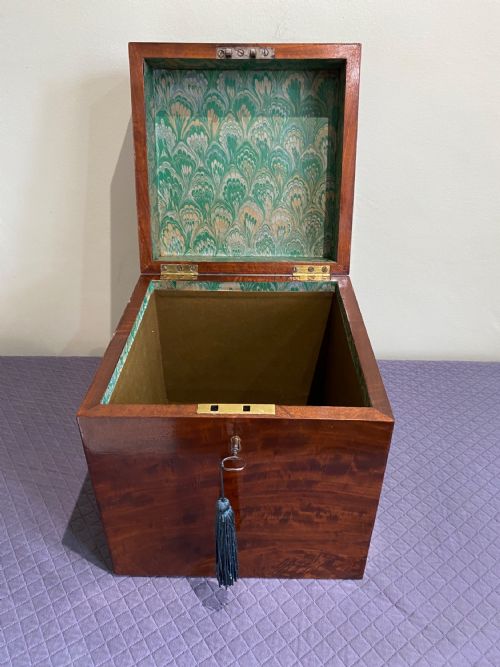
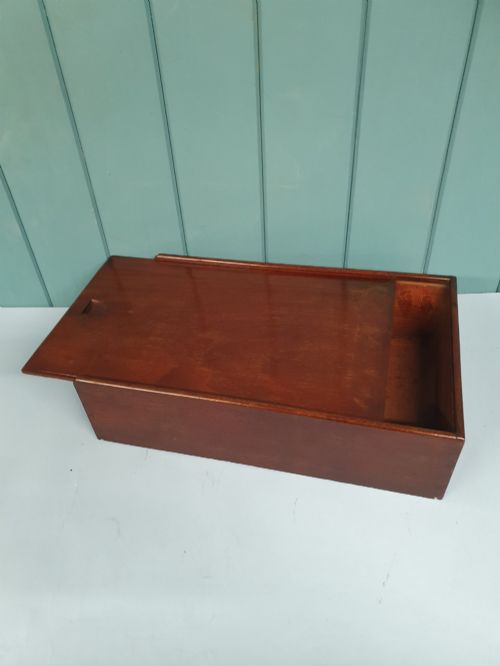
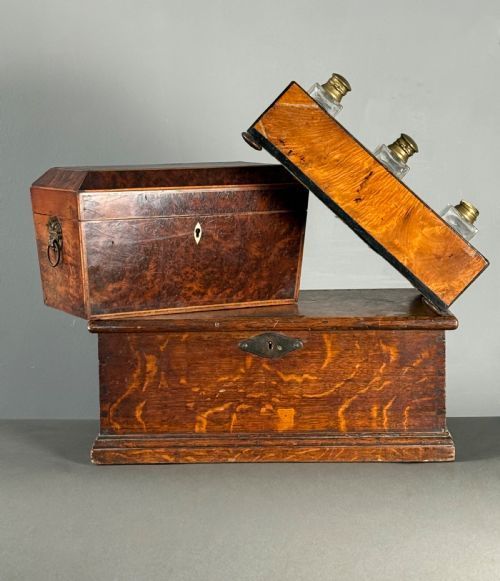
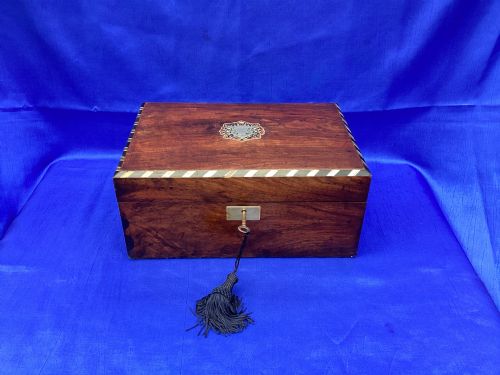
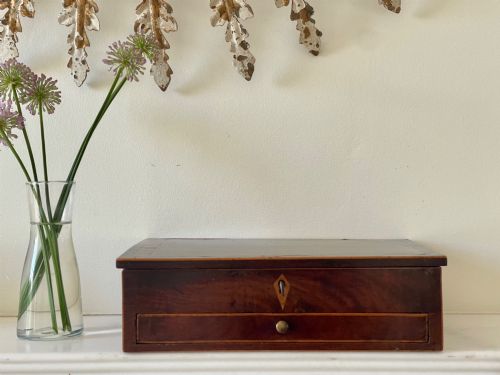
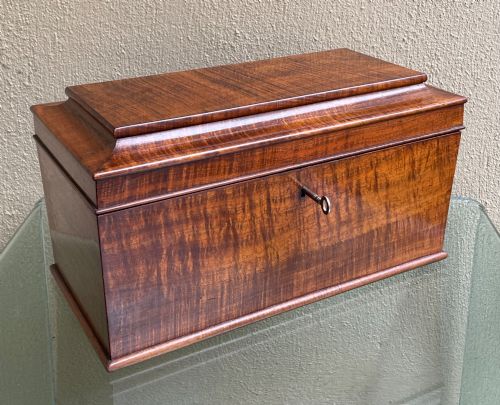
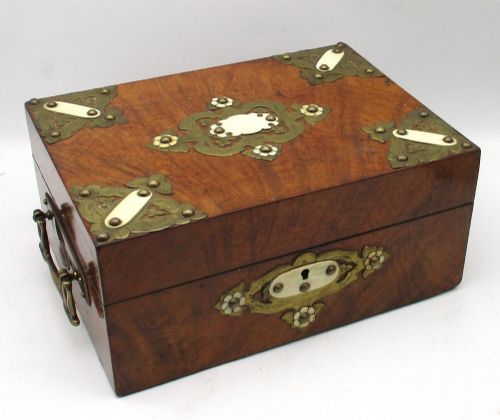
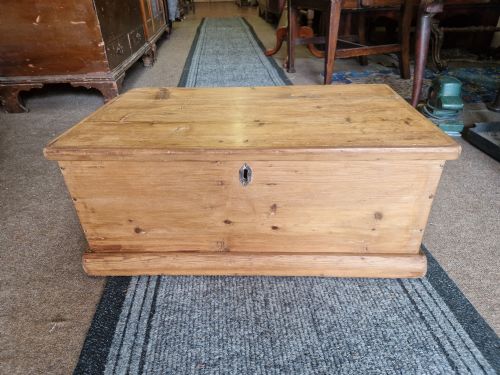
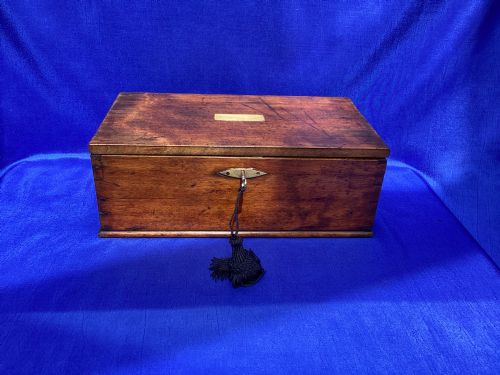
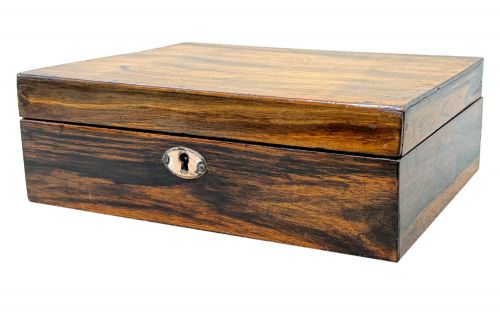
A vintage wooden keepsake box covers everything from simple pine storage trunks and hand-painted folk art boxes to fitted rosewood work cases and mahogany tea caddies. The selection here leans heavily towards 19th-century pieces, Victorian jewellery boxes, and Georgian document chests, alongside occasional 18th-century boxes and regional variants.
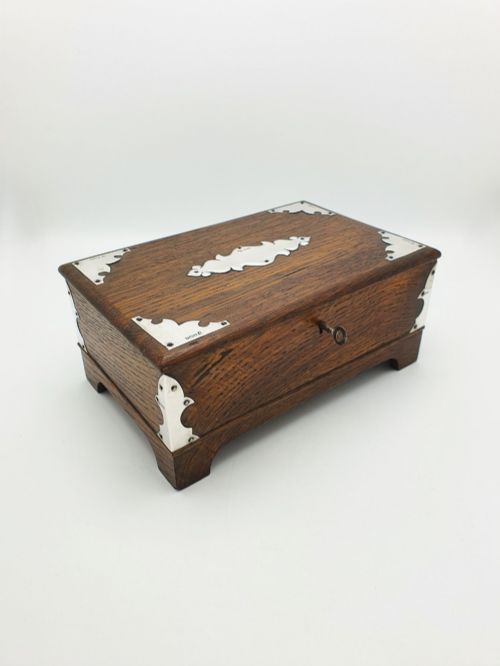
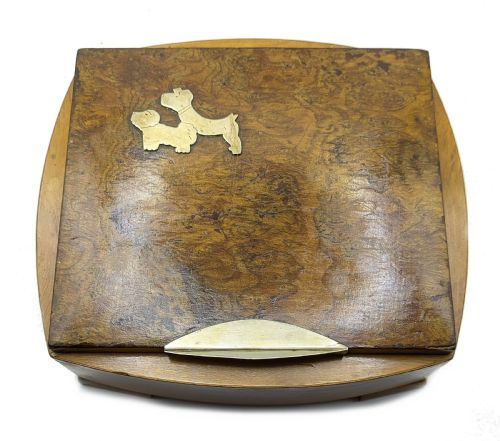
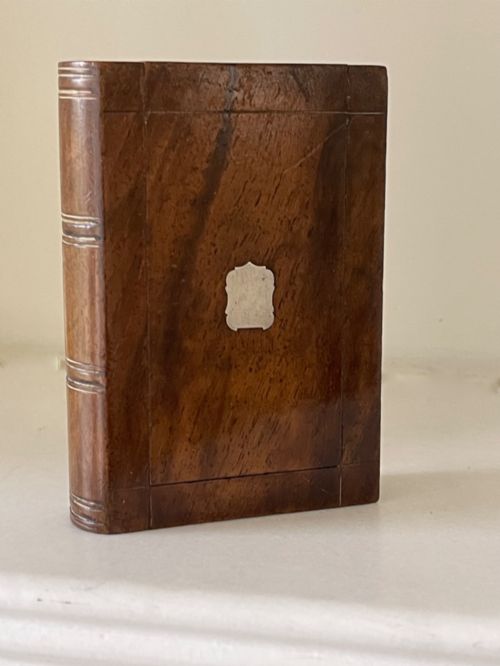
Buyers look for these objects to store jewellery, letters, or small valuables while adding period character to a room. You will encounter specialised forms such as cigar boxes with sterling silver mounts, campaign boxes with brass binding, and book-shaped storage containers.
Origins range across British workshops, Scandinavian folk art traditions, and international pieces including Indian sandalwood boxes and Afghan containers. The core of what is available remains British and European utility and decorative boxes from the Georgian and Victorian eras.
Materials and Technique
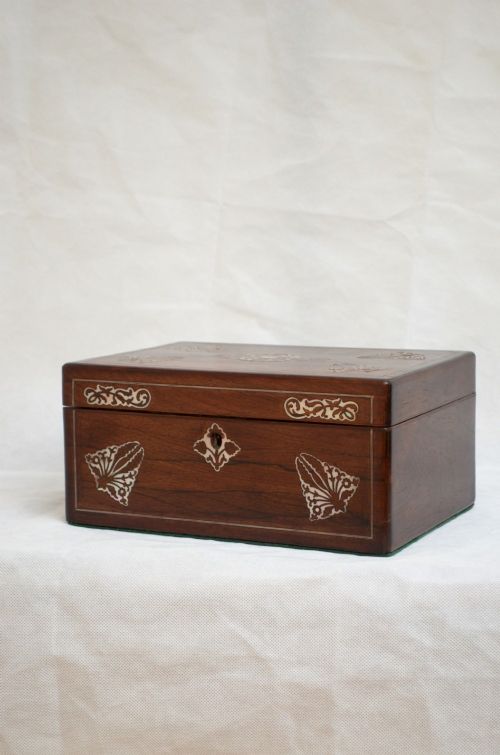
Cabinet makers utilised dense hardwoods like mahogany, rosewood, and walnut for finer table boxes and tea caddies, frequently employing flame mahogany veneers or intricate mother of pearl and bone details. Pine served for simpler storage boxes and painted folk art pieces.
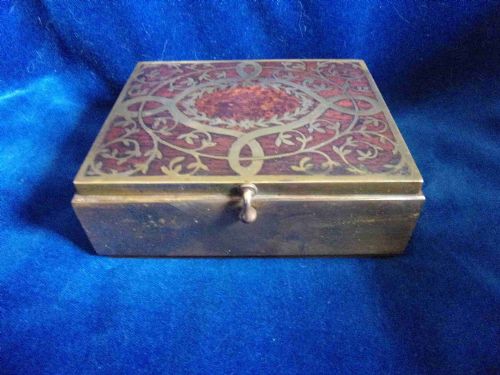
Metal fittings played a structural and decorative role, with brass bound edges on campaign boxes, iron hardware on strong boxes, and sterling silver mounts on Edwardian cigar boxes. Paintwork, lacquer, and carved relief work distinguished decorative items from plain utility chests.
Listings feature woods spanning oak, mahogany, pine, rosewood, walnut, camphor wood, and sandalwood alongside metals such as brass, iron, and sterling silver.
The Distinction in Craft
Quality rests in the selection of timbers and the precision of the construction, where figured woods like rosewood and flame mahogany indicate higher status than plain pine or utilitarian oak. The integration of fitted interiors, working locks, and interior trays separates personal dressing boxes from basic storage.
Decorative embellishment marks the upper tier, seen in crisp brass binding, delicate mother of pearl inlay, and original hand-painted folk art surfaces. The hand of the maker, whether expressed through Holtzapffel toolbox precision or skilled Scandinavian painting, determines the standing of the piece.
Holtzapffel and Co·Erhard and Sohne·Mappin and Webb
The Vintage Wooden Keepsake Box Glossary
- Tea caddy
- A box designed specifically for storing dry tea leaves, often featuring internal compartments or canisters. These frequently date from the Georgian and Regency periods.
- Campaign box
- Portable furniture and storage utilised by military officers on active service, characterised by robust construction and protective brass corners or flush-fitting hardware.
- Work box
- A container fitted with internal trays and compartments for sewing implements, threads, and small crafting tools. They often utilise decorative veneers like rosewood or coromandel.
- Folk art
- Utilitarian items decorated by untrained or regional artisans, frequently seen in hand-painted Scandinavian and British pine storage boxes from the nineteenth century.
- Document box
- A lidded chest proportioned for holding deeds, letters, and important papers, sometimes secured with a lock and reinforced with brass bands.
Vintage Wooden Keepsake Box: Frequently Asked Questions
What were antique wooden boxes used for?
These boxes served specialised domestic roles ranging from holding tea leaves and correspondence to securing jewellery and small personal valuables. Many were built for specific tasks such as containing cigars or sewing equipment.
Larger chests and document boxes protected important deeds and military papers during travel or home storage. Over time, their utility evolved as owners adapted them to keep modern trinkets and keepsakes.
How do I date a wooden box?
Dating relies on observing the timber species, construction techniques, and decorative styles characteristic of periods like the Georgian, Regency, or Victorian eras. Fine rosewood veneers and brass binding often point towards the early nineteenth century.
Maker marks, lock types, and regional folk art painting styles also provide clues to the decade of manufacture. Earlier pieces from the eighteenth century frequently display simpler dovetail joints and solid mahogany construction.
How should I care for a rosewood box?
Keep wooden keepsake boxes out of direct sunlight and away from rapid temperature changes to prevent the timber and veneers from splitting. Maintain a stable indoor humidity level.
Dust the surface gently with a dry, soft cloth and avoid harsh chemical polishes. Period wax can be applied sparingly to nourish dry wood if necessary.
What is a campaign box?
Campaign boxes were built for travel, typically featuring recessed brass handles and reinforced corners to withstand the rigours of military movement. They allowed officers to transport personal papers and valuables securely.
These pieces are identified by their rugged construction and practical hardware designed to prevent damage during transit. Rosewood and mahogany were common materials for officer-grade examples.