
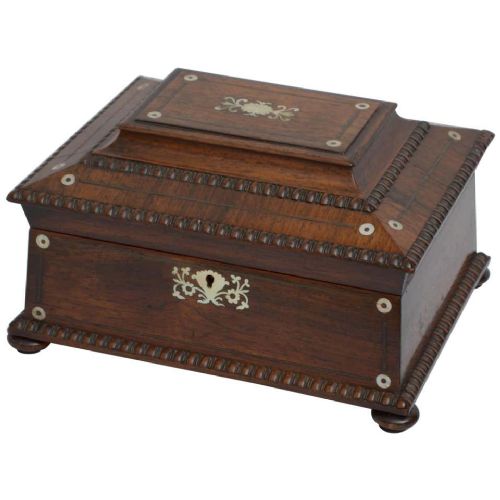
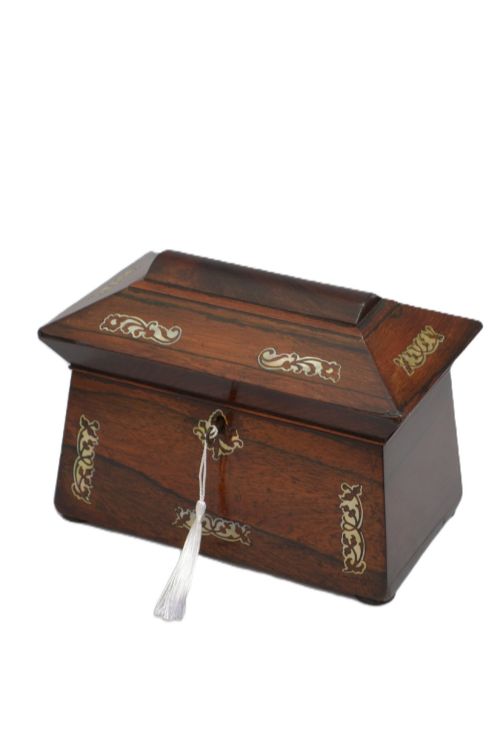
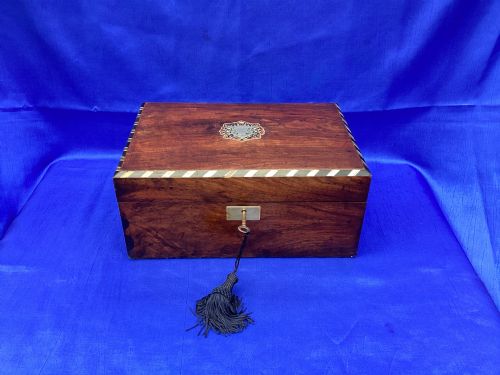
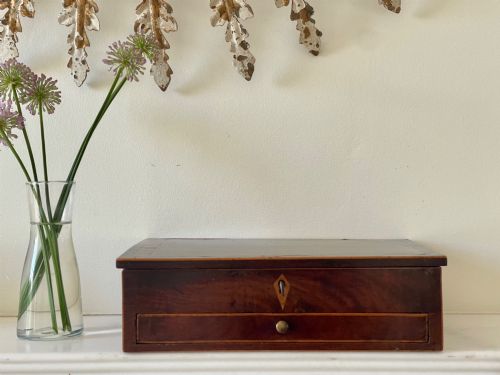




Dark Wood Casket
These dark wood casket pieces offer rich period character and heavy timber craftsmanship, bringing genuine historical depth to any room.
What these pieces are
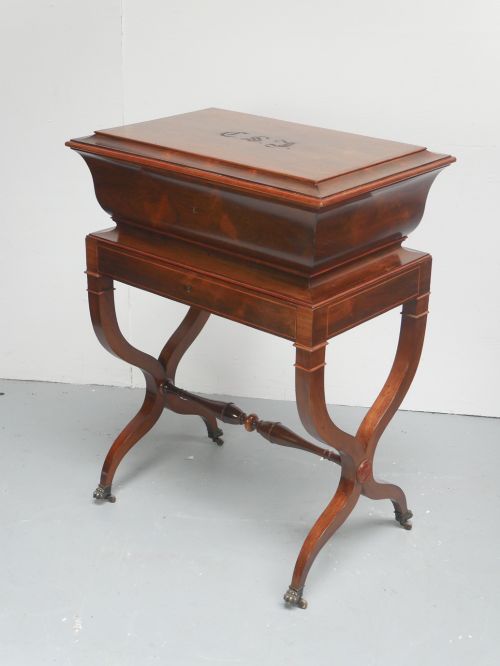
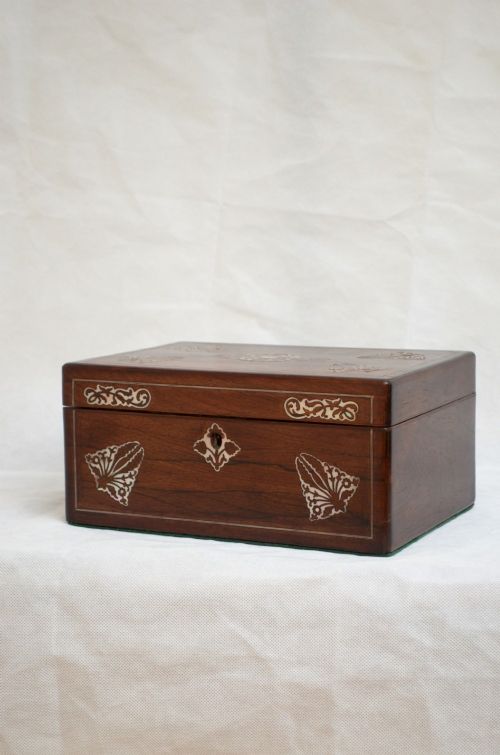
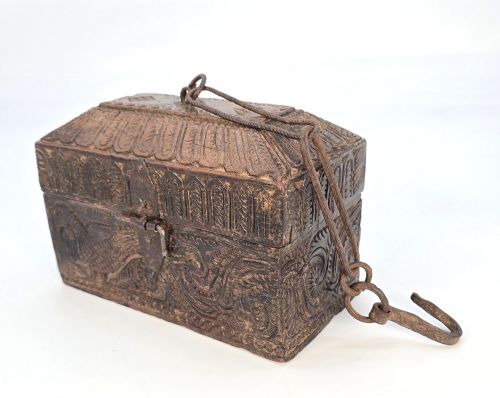
When you search for a dark wood casket, you are looking at substantial storage containers shaped by centuries of global trade and domestic British craftsmanship. The examples appearing on this page span several centuries, reaching from sixteenth-century iron-banded coffers down to late Victorian veneered boxes.
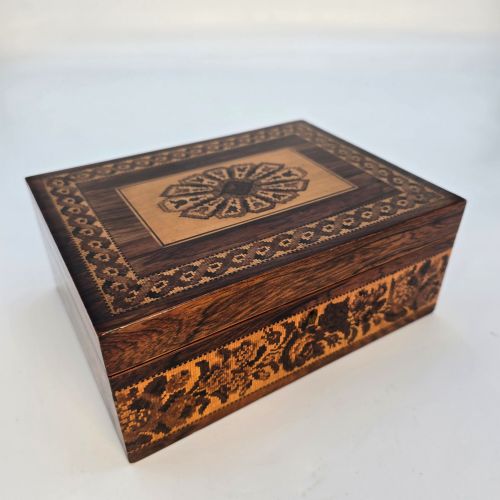
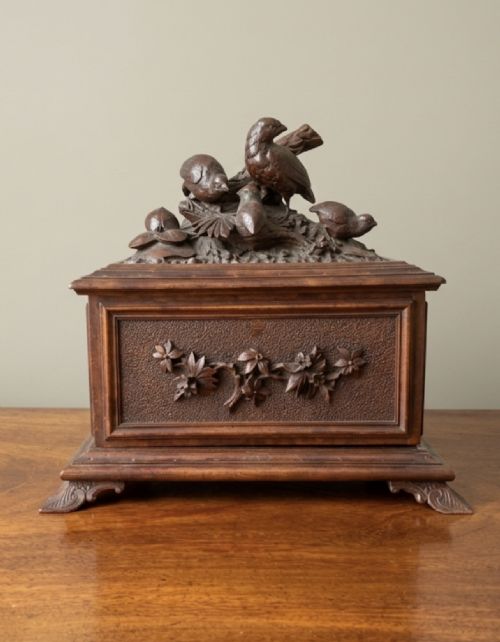
Origins vary widely across the selection, ranging from English Tunbridge ware and Scandinavian folk art to German Renaissance ironwork and Anglo-Indian carving. This geographic spread means buyers encounter distinct regional construction methods rather than a single uniform design.
How they were made
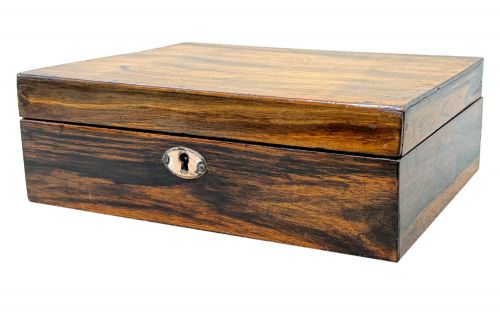
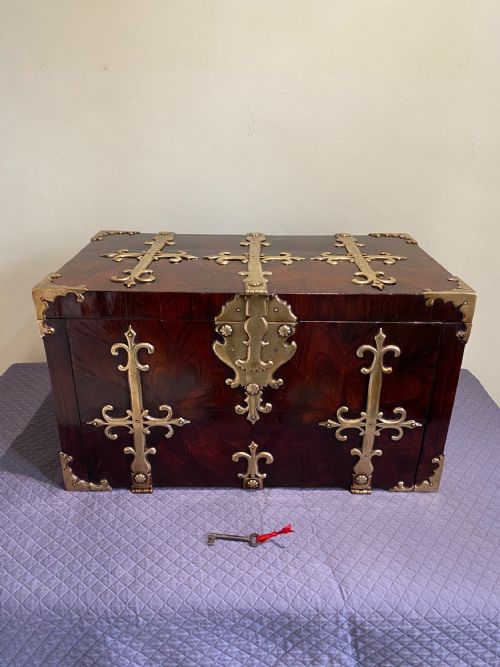
The construction relies heavily on dense exotic and native timbers, including teak, rosewood, walnut, and coromandel, often reinforced with brass mounts and wrought iron hinges. Makers utilised precise joinery and surface embellishments such as marquetry, intricate hand-carving, and bone inlay.
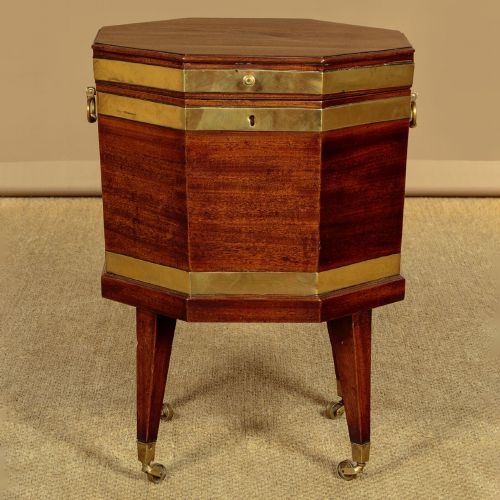
Metalwork played a critical structural and decorative role, particularly in pieces featuring forged iron bands, functional brass carrying handles, and secure locking mechanisms. Surface finishes were carefully applied to highlight the natural grain patterns of the dark woods without obscuring their organic depth.
Retail Price Guide 2026
Typical UK retail prices for dark wood casket, calculated from the Sellingantiques database of over a million retail prices indexed since 2003. This retail price guide relies exclusively on Sellingantiques data; no external sources or auction records are used, so the figures do not describe the wider market.
Some nineteenth-century boxes feature secret compartments that require pressing hidden wooden springs just to reveal a tiny resting place for a ring.
What varies in quality
Quality rests upon the precision of the timber selection and the complexity of the decorative techniques employed by the maker. Superior pieces display seamless marquetry, flawless geometric wood mosaics, or deeply undercut carvings that retain crisp definition across the entire surface.
The integration of secondary materials defines the upper tier of the range, where heavy cast brass hardware, fitted velvet interiors, and robust locking mechanisms survive in original condition. Poorer examples show uneven timber shrinkage, simplified joints, or replacement hardware that disrupts the period integrity.
Edmund Nye
The Dark Wood Casket Glossary
- Tunbridge ware
- A form of woodwork characterised by tiny mosaic tiles formed from naturally coloured woods, creating detailed pictorial or geometric scenes. This technique reached its height in nineteenth-century England.
- Marquetry
- The art of applying thin veneers of different coloured woods to a structural carcass to form decorative patterns. It requires immense patience and precision from the artisan.
- Campaign box
- Portable furniture and storage designed for military officers on active service during the British colonial era. These pieces typically feature recessed brass handles and reinforced corners for travel.
- Nuremberg casket
- A secure metal coffer featuring complex internal locking mechanisms concealed beneath the lid. These sixteenth-century German boxes were widely exported across Europe.
Frequently Asked Questions
What were dark wood caskets used for?
These containers served varied purposes depending on their origin, functioning as secure storage for personal valuables, jewellery, or aromatic spices. Military examples protected documents and officer belongings during active campaigns.
Domestic versions sat prominently on Victorian dressing tables or writing desks to hold keepsakes. Their sturdy construction ensured contents remained safe from dust, moisture, and theft.
How do I date a dark wood casket?
Dating relies on observing the combination of timber species, hardware styles, and construction techniques present in the piece. For example, coromandel veneer and elaborate brass escutcheons often point toward the Victorian period.
Earlier pieces from the sixteenth or eighteenth centuries display heavy wrought iron bands, hand-forged hinges, or deep traditional carving. Examining secondary woods inside the box also helps confirm the period.
How do I care for antique wood caskets?
Protect the timber by keeping the casket away from direct sunlight, central heating radiators, and sudden changes in humidity. These environmental factors can cause dense woods and delicate veneers to warp or split.
Apply a minimal amount of appropriate conservation wax occasionally to nourish the surface and preserve the grain. Avoid modern liquid polishes that contain silicones or harsh chemicals.