
English Box
When you handle an english antique box, you touch centuries of practical storage shaped by changing social habits and domestic needs.
English Box
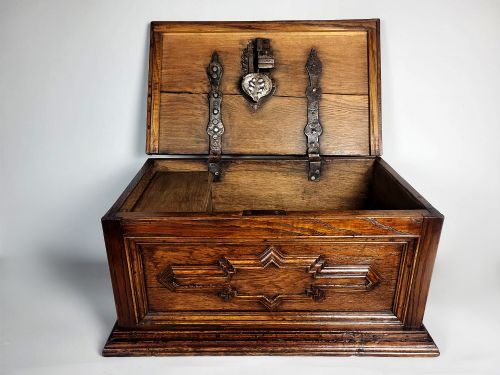
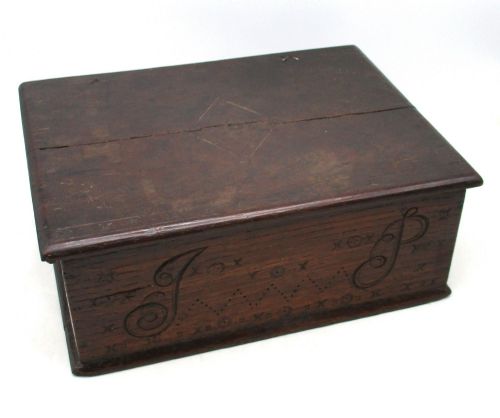
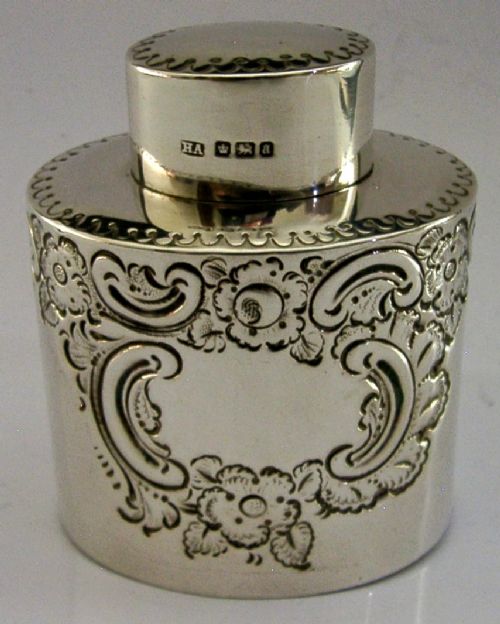
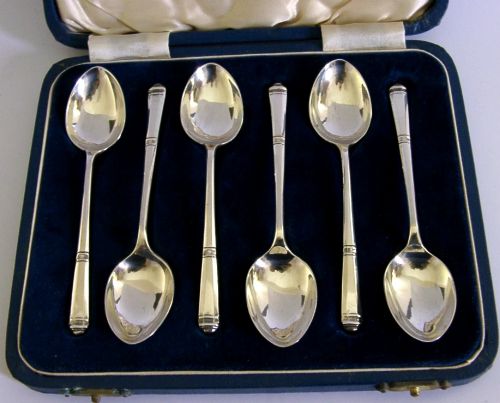
An english antique box encompasses a vast domestic vocabulary ranging from heavy seventeenth century oak coffers and document chests to delicate Georgian and Victorian tea caddies, silver pill boxes, and stationery cases. These vessels held personal wealth, tea leaves, tobacco, correspondence, and precious trinkets, serving essential organising roles before the advent of modern mass storage.
Surviving examples reflect the material culture of successive eras, appearing in substantial country woods like oak, elm, and fruitwood alongside polished mahogany, rosewood, walnut, and sterling silver. Buyers encounter everything from utilitarian strong boxes and cutlery trays to velvet lined jewellery caskets and novelty shellwork pieces created during the interwar period.
The objects on this page bridge domestic utility and decorative art, showing how families across the seventeenth, eighteenth, and nineteenth centuries secured their valuables and displayed their social standing. Whether you examine a humble candlebox or an elaborate inlaid writing slope, each item reveals the specific functional demands of its period.
How They Were Made
Early examples rely on heavy joining techniques, utilising solid oak and fruitwood assembled with pegged joints, hand carving, and iron strapwork to withstand rigorous daily use. Carpenters shaped panels by hand, leaving tool marks that distinguish seventeenth century coffers and strong boxes from later production.
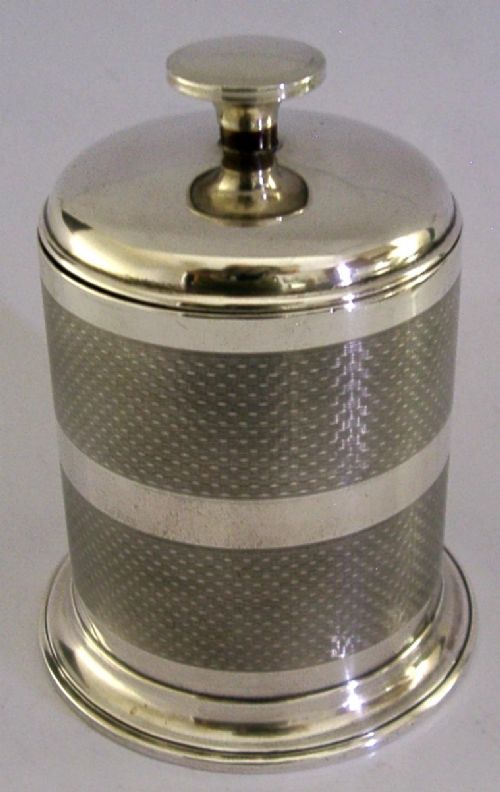
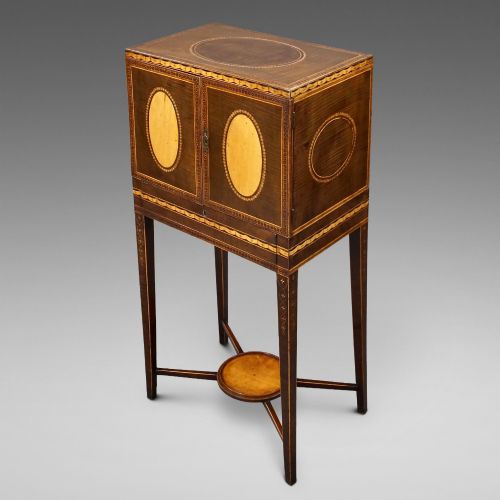
Later Georgian and Victorian pieces showcase refined cabinetmaking skills, incorporating mahogany and rosewood veneers, delicate stringing, and precise dovetail joints for small drawers and compartments. Silversmiths and metalworkers added embossed decoration, gilding, and enamel work to sterling silver snuff boxes and tea caddies, while treen items utilised boxwood and turned fruitwood.
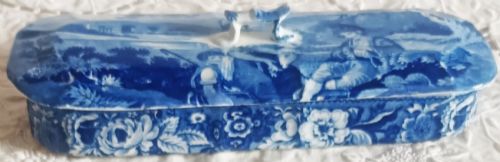
Surface treatments range from waxed natural timbers and painted leather to intricate shellwork and transfer printed ceramics, demonstrating how makers adapted available materials to prevailing fashions across the centuries.
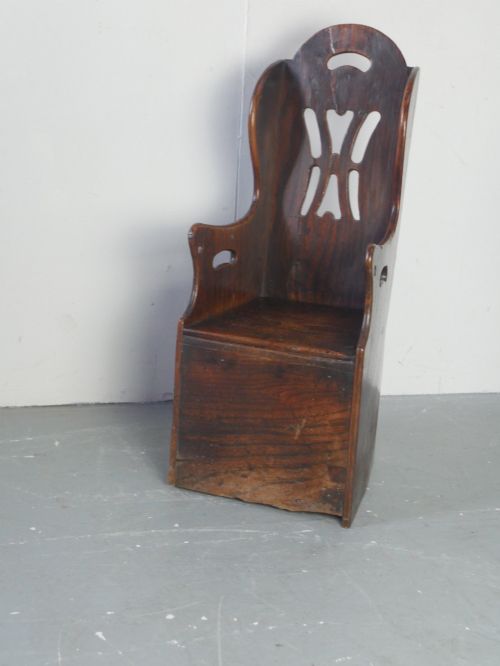
Common domestic forms range from large coffers and settles to small treen snuff boxes, vesta cases, and tea caddies.
What Varies In Quality
The integrity of construction distinguishes superior pieces from ordinary examples, visible in the tightness of dovetail joints, the correct alignment of lids, and the presence of original locks and hinges. Master cabinetmakers and renowned silversmiths invested greater care in internal fittings, secret drawers, and the grain selection of veneers.
The preservation of original surfaces and decorative elements dictates the standing of an item, as later replacements, stripped finishes, or poorly executed repairs diminish historical integrity. Fineness of hand engraving on silver, precision in wood inlay, and the retention of original velvet linings separate exceptional survivors from standard utilitarian wares.
Samuel Pemberton Birmingham·Henry Matthews Birmingham·De Grave Short And Co·Mappin And Webb·Sampson Mordan
The English Box Glossary
- Coffer
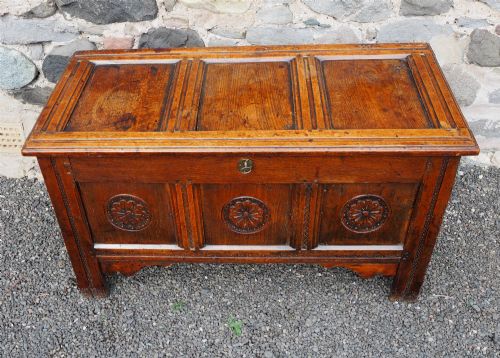
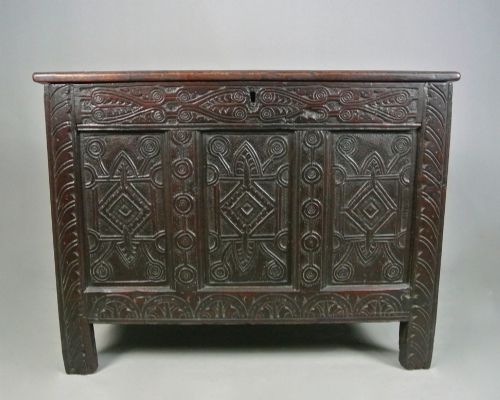
- A heavy wooden chest, usually constructed from oak with boarded or panelled sides, used for storing valuables and household goods. These sturdy receptacles represent some of the earliest domestic storage furniture surviving today.
- Tea Caddy
- A specialised container designed to keep precious tea leaves dry and secure under lock and key. Georgian and Victorian versions frequently feature internal compartments and fine wood veneers.
- Vinaigrette
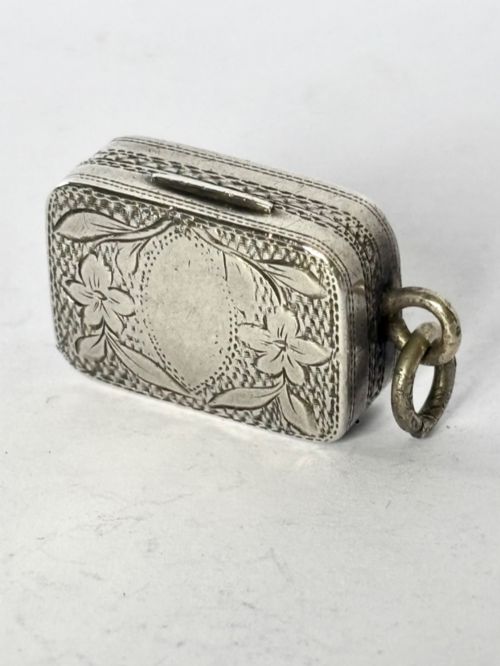
- A small metal box containing a perforated internal grille, holding a sponge soaked in aromatic vinegar. These personal accessories were carried by gentlemen and ladies to mask unpleasant odours.
- Writing Slope
- A portable desk that opens to reveal a slanted writing surface, inkwell compartments, and storage for stationery. Regency and Victorian examples often incorporate leather inserts and secret drawers.
English Box: Frequently Asked Questions
What was a tea caddy used for?
Tea was an extremely valuable commodity in the eighteenth and nineteenth centuries, requiring secure storage to prevent theft and preserve flavour. A tea caddy held the precious leaves under lock and key, often featuring internal compartments for different varieties.
Servants or the master of the house typically kept the key, releasing the leaves only when tea was to be prepared. This practical necessity elevated the tea caddy into a decorative focal point of the Victorian and Georgian parlor.
How do I date an oak coffer?
Dating an early oak coffer involves examining the construction methods, such as pegged mortise and tenon joints, hand-split panels, and forged iron hardware. Early seventeenth century pieces display robust joined construction and simple carved motifs like gouge work or lozenges.
As time progressed into the eighteenth century, proportions shifted and panels became thinner, often incorporating machine-sawn elements in later revivals. Comparing the patination and tool marks against established examples helps pinpoint the era of manufacture.
What is the difference between a snuff box and a pill box?
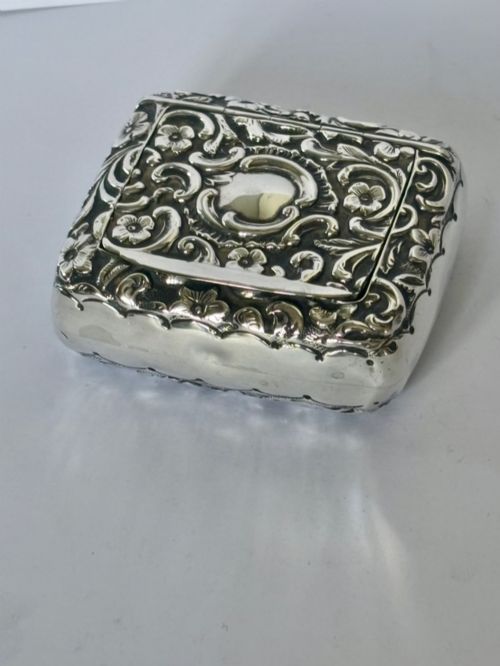
Snuff boxes were designed to hold powdered tobacco, which users inhaled or applied to the gums during the eighteenth and nineteenth centuries. These pieces required tight-fitting lids to preserve the moisture and aroma of the tobacco.
Pill boxes served a similar domestic role on a smaller scale, housing medicinal or breath-freshening pills for personal carriage. Silversmiths often decorated both types with intricate chasing, enamel, or inset stones.
How should I care for antique wood boxes?
Antique wooden boxes respond best to stable environmental conditions away from direct sunlight, extreme heat sources, and rapid humidity fluctuations. Keeping timber away from radiators prevents the wood from drying out, shrinking, and splitting.
Applying a light coat of traditional beeswax periodically nourishes the wood and preserves the natural finish without building up heavy chemical residues. Avoid using modern aerosol polishes or harsh cleaning agents that strip historical patination.