


Antique Lockable Trinket Box
An antique lockable trinket box keeps precious things safe while bringing rich timber and polished brass into a room.
Antique Lockable Trinket Box
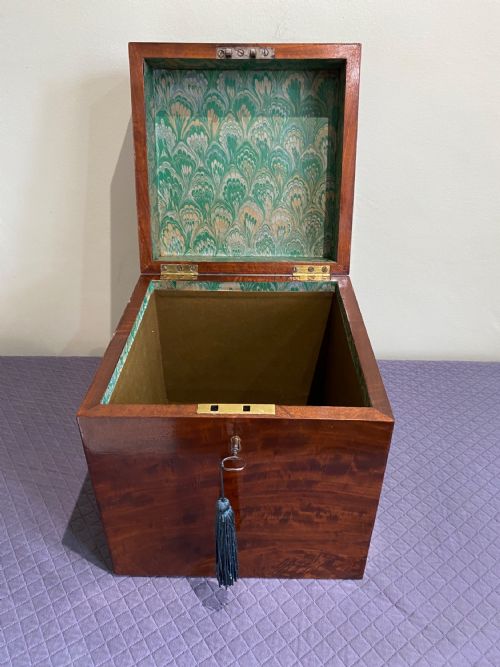
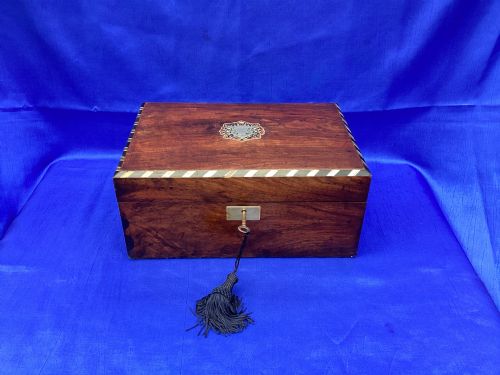
An antique lockable trinket box spans diverse timber forms from Georgian mahogany tea chests to Victorian burr walnut dressing cases.
The pieces on this page lean heavily toward nineteenth-century rosewood, mahogany, and walnut varieties intended for jewellery, keepsakes, and letters.
Makers designed these small chests to sit on dressing tables or desks, securing valuables with integrated brass locks and key mechanisms.
Materials and construction
Craftsmen built carcasses from dense hardwoods like rosewood, mahogany, and walnut, often applying elaborate veneers to display rich grain patterns.
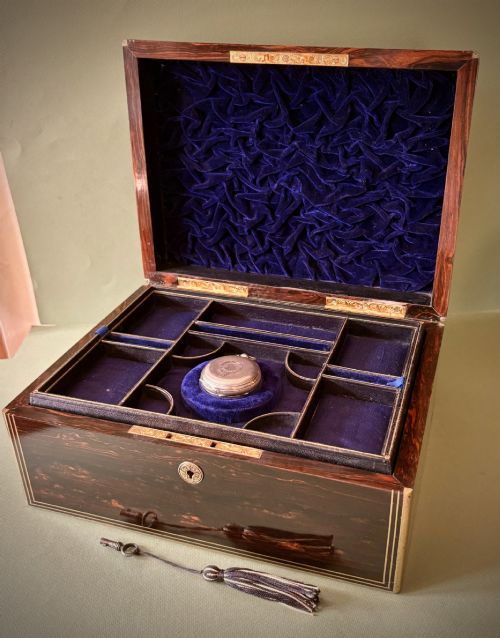
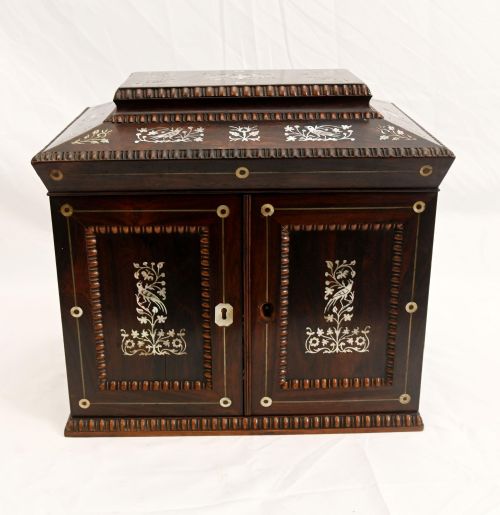
Many examples incorporate inlaid mother-of-pearl, cut brass marquetry, or Sorrento wood panels alongside fitted velvet and leather interiors.
One curious Victorian specimen even incorporates crocodile hide, proving that Victorians loved wrapping their keepsakes in unusual textures.
Judging quality and finish
Quality rests on the depth of the timber grain, the precision of the brass or mother-of-pearl inlay, and the complexity of the interior fittings.
Superior examples retain their original working locks and keys, alongside intact velvet linings and multi-tiered internal compartments.
The Antique Lockable Trinket Box Glossary
- Burr walnut
- A figured timber harvested from the gnarled growth of a walnut tree. It produces swirling patterns prized for decorative box veneers.
- Tea caddy
- A container originally made to store dry tea leaves. Many period examples share the same lockable compartment construction as trinket boxes.
- Marquetry
- The art of applying small pieces of veneer to a structure to form decorative patterns. Sorrento work is a prominent Italian style of this technique.
- Writing slope
- A portable desk box that folds open to reveal a slanted writing surface. These pieces often double as storage for letters and trinkets.
- Grand Tour
- A cultural journey undertaken by wealthy young Europeans in the eighteenth and nineteenth centuries. Souvenirs from this travel often included inlaid wooden boxes.
Antique Lockable Trinket Box: Frequently Asked Questions
What did people keep inside an antique lockable trinket box?
Owners stored personal valuables such as rings, brooches, pocket watches, and letters away from prying eyes.
The inclusion of a lock and key offered basic security for private items in shared household spaces.
How do I date an antique wooden box?
Dating relies on identifying the timber species, decorative styles, and construction techniques used by the maker. Georgian pieces tend to show simpler mahogany or yew lines, while Victorian examples often feature elaborate rosewood, mother-of-pearl, or burr walnut.
Interior linings and hardware also provide clues, as machinery methods shifted across the nineteenth century.
Are keys usually included with these boxes?
Many surviving pieces retain their working keys, though some rely on the original brass lock mechanism remaining functional without one.
Locks can often be opened by specialists if a key is absent, but finding a period match adds considerable appeal.
How should I care for a rosewood or walnut trinket box?
Keep wooden boxes out of direct sunlight and away from rapid temperature changes to prevent the delicate veneers from cracking or lifting.
A light application of appropriate wax polish helps maintain the lustre of the polished hardwood surface over time.