
Dark Wood Table Box
A dark wood table box brings together timber and fitted storage, offering a surface to write or tend to small tasks.
Dark Wood Table Box
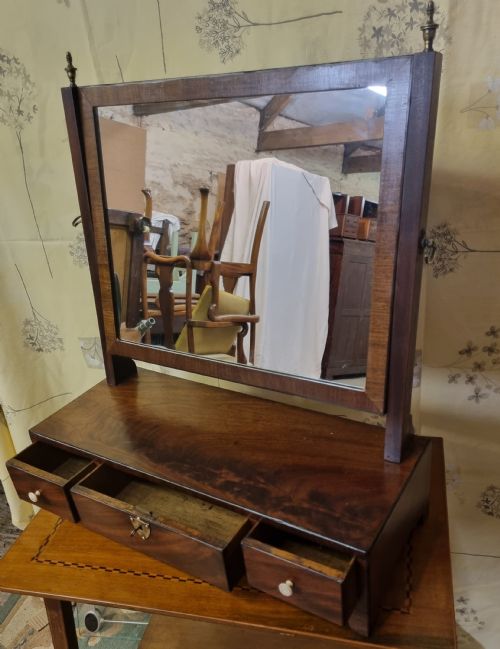
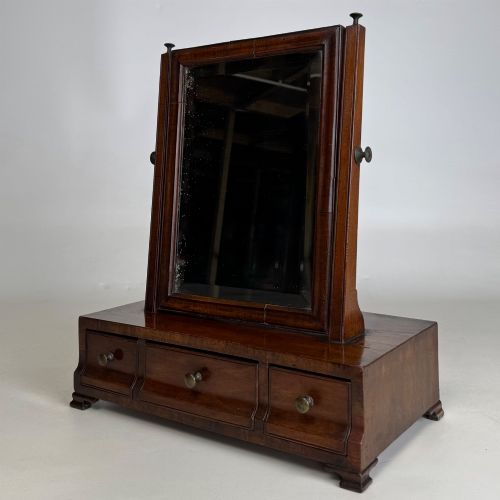
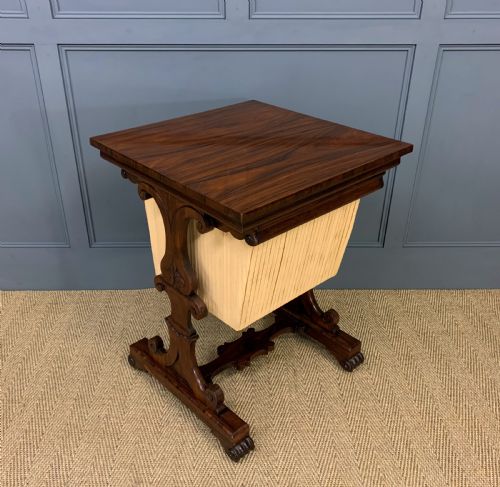
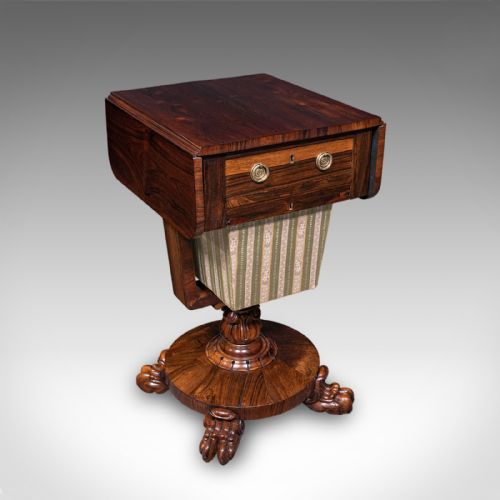
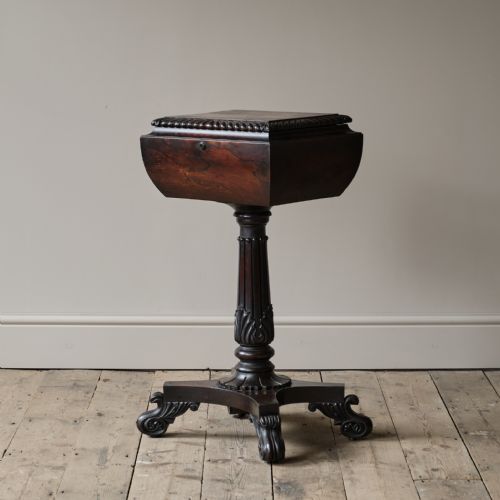
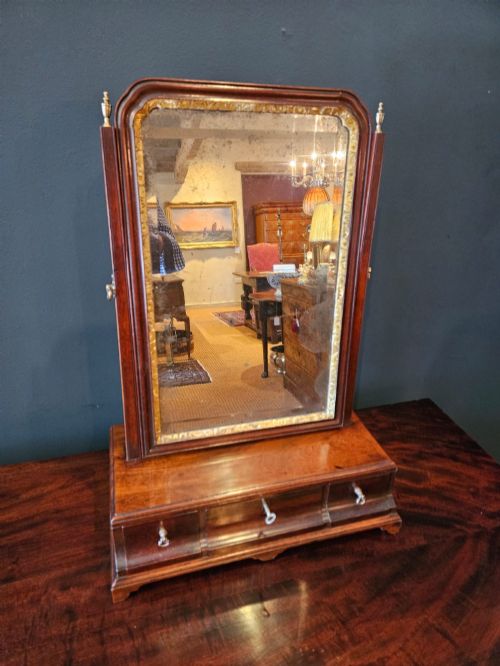
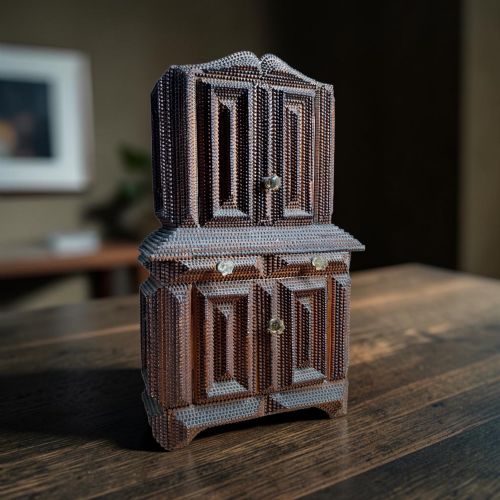
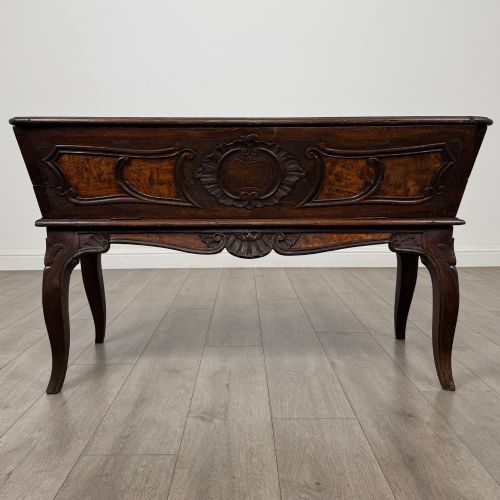
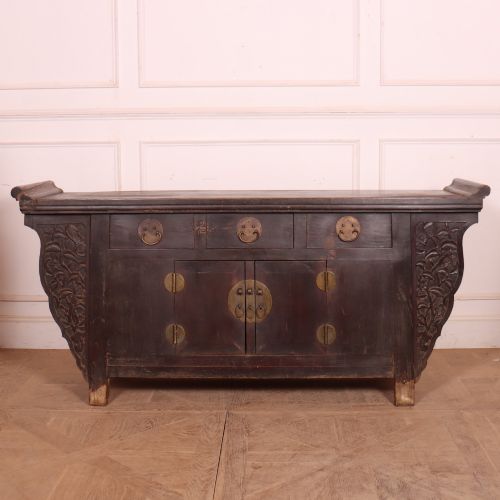
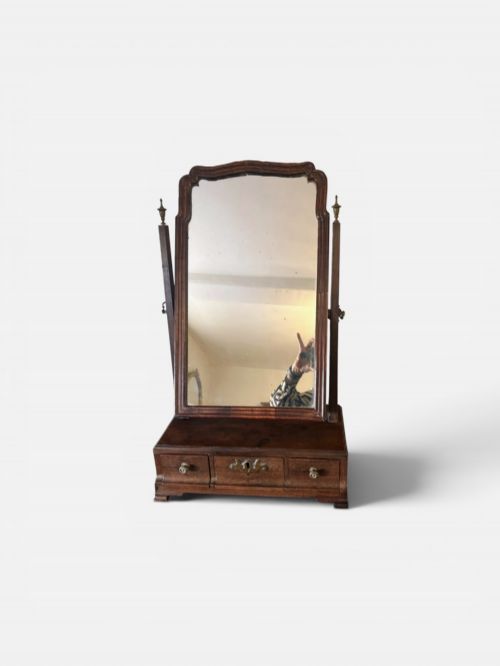
A dark wood table box encompasses freestanding furniture pieces with lidded compartments, small chests on stands, and portable cases designed for personal items, sewing, or correspondence. The listings show forms ranging from Georgian dressing mirrors with fitted drawer bases to Victorian rosewood work tables and lidded teapoys.
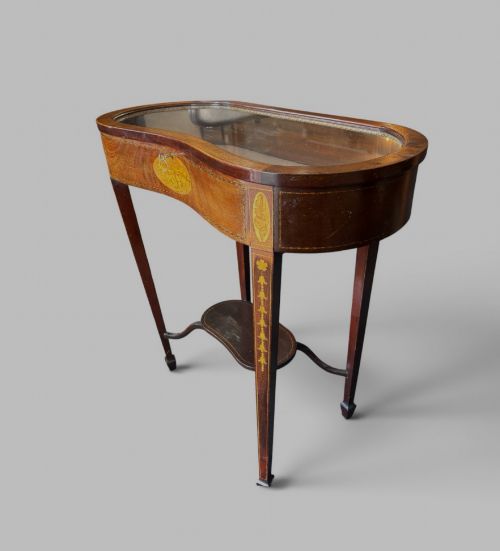
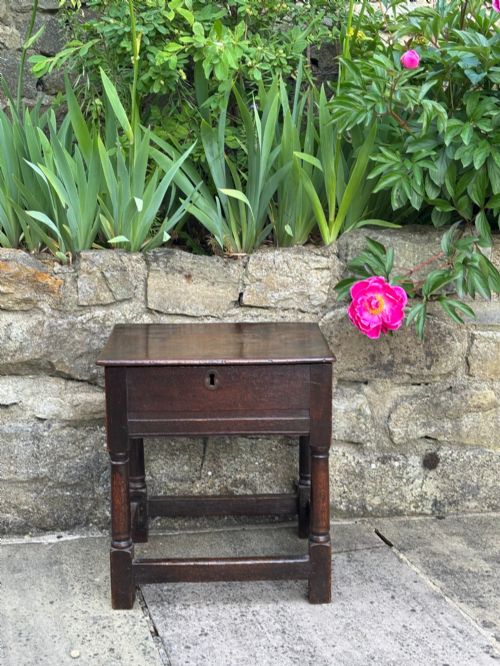
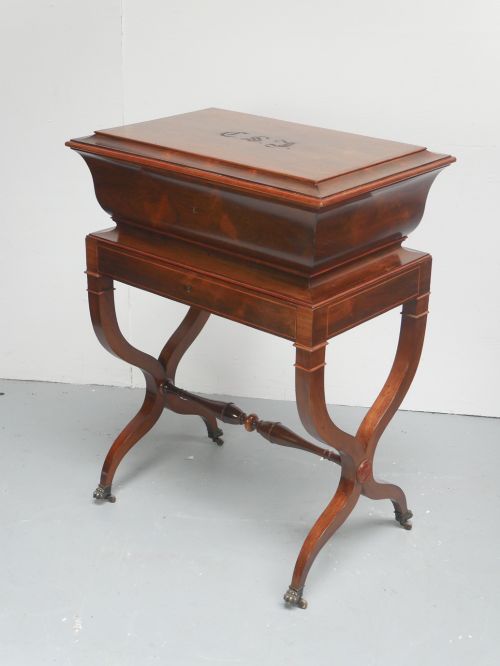
Buyers seeking a dark wood table box most frequently encounter nineteenth century examples in mahogany or rosewood, often configured as sewing tables, work tables, or tabletop cabinets. These pieces combine an elevated work surface or display top with enclosed storage space for keepsakes, vanity items, or writing equipment.
Origins span English, French, and colonial traditions, utilising deep-toned timbers such as walnut, padouk, and coromandel alongside traditional British cabinet-making woods. The selection bridges miniature tabletop storage and substantial pedestal or table-mounted boxes intended for the parlour or dressing room.
How they were made
Makers constructed these boxes and tables predominantly from dense hardwoods such as mahogany, rosewood, walnut, and oak, occasionally incorporating contrasting veneers like satinwood or kingwood. These timbers provided the structural stability and rich grain patterns necessary for items handled daily.
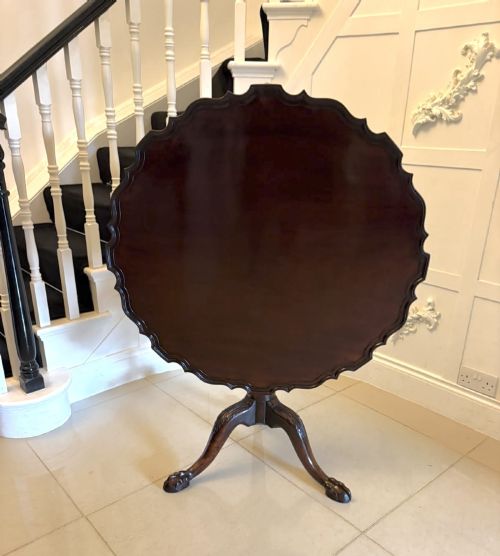
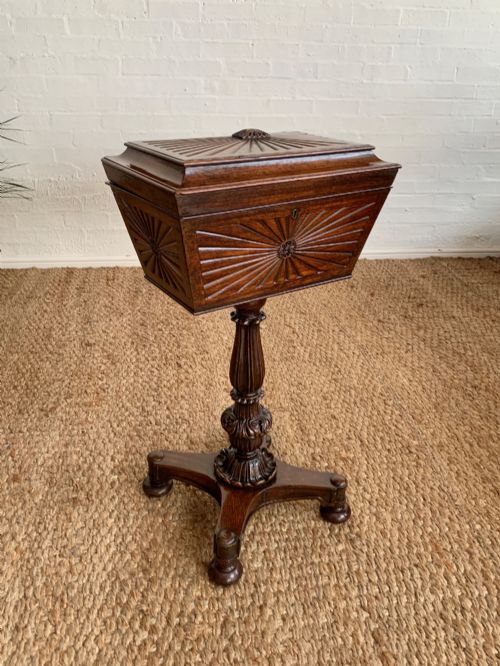
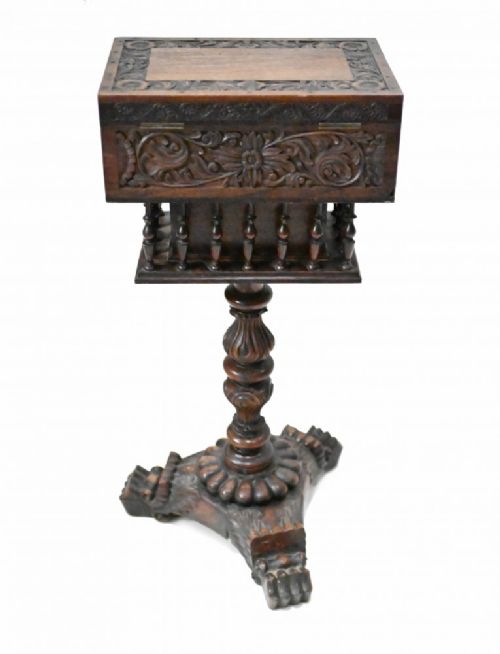
Construction techniques relied on precise joinery, dovetailed drawer boxes, and framed panel assembly to accommodate the seasonal movement of solid wood. Decorative embellishments included brass fittings, mother of pearl inlay, marquetry, and carved details such as sunburst motifs or piecrust edges.
Surfaces received hand-applied finishes that enhanced the natural depth and colour of the grain, protecting the timber while developing a warm sheen over centuries of use.
Some nineteenth century sewing tables hide surprisingly deep compartments beneath their caddy tops, engineered to keep endless yards of silk ribbon from tangling.
What varies in quality
The degree of refinement in the timber selection and veneer matching sets individual examples apart, with superior pieces displaying continuous grain patterns across multiple surfaces. Craftsmanship in the interior compartments, such as secret drawers, fitted trays, and precise division layouts, indicates the original maker's investment of time.
The sophistication of decorative techniques, from subtle satinwood stringing to intricate mother of pearl inlay and carved mouldings, distinguishes standard production from exceptional work. Original hardware, including brass escutcheons, hinges, and functioning locks with keys, preserves the integrity of the piece.
H Mitchell of Oxford Street·Lesage
The Dark Wood Table Box Glossary
- Teapoy
- A small box or chest, often mounted on a pillar and claw foot or a table base, originally used for storing loose tea leaves.
- Work table
- A small freestanding table equipped with drawers, bags, or compartments specifically designed to hold sewing and needlework supplies.
- Toilet mirror
- A pivoting looking glass mounted upon a small wooden box or plinth base fitted with one or more small drawers.
- Sarcophagus
- A box form featuring a convex or curved profile reminiscent of classical stone monuments, frequently seen on nineteenth century teapoys.
- Marquetry
- The art of applying decorative pieces of veneer to a structure to form intricate floral, geometric, or pictorial designs.
Dark Wood Table Box: Frequently Asked Questions
What is a teapoy used for?
A teapoy served as a secure receptacle for storing valuable tea leaves in the drawing room before tea became readily accessible to all households. Inside, they typically contained lidded canisters or compartments for different tea varieties.
Today, these lidded boxes function well as decorative accent pieces in a living space or bedroom, providing enclosed storage for small accessories while retaining their historical character.
How do I distinguish a work table from a side table?
A work table contains internal storage compartments, fitted trays, or a fabric sewing bag suspended beneath the main surface, distinguishing it from a simple occasional table. They were built to keep needles, thread, and personal projects close at hand.
Examining the interior layout reveals this specialised function, as most feature partitioned wooden trays or velvet-lined wells beneath the lid.
Are these boxes meant to sit on furniture?
Many examples, such as dressing mirrors and tabletop cabinets, were designed to rest directly upon chests of drawers or dressing tables. Other forms, including work tables and teapoys, stand on their own pedestals or legs.
Placement depends entirely on the specific form, with smaller boxed chests requiring a stable surface and pedestal tables functioning as independent furniture items.
How do I care for rosewood and mahogany surfaces?
Maintenance requires keeping these dark hardwoods away from direct sunlight and extreme temperature fluctuations to prevent the wood from drying or splitting. Regular dusting with a soft, dry cloth preserves the traditional sheen.
Occasional application of appropriate wax polish nourishes the timber and maintains the depth of the grain without creating a heavy buildup.