


Brown Wood Trinket Box
A brown wood trinket box brings warmth and compact storage to any dressing table, offering a tangible link to craftsmanship of past centuries.
What these brown wood trinket boxes are
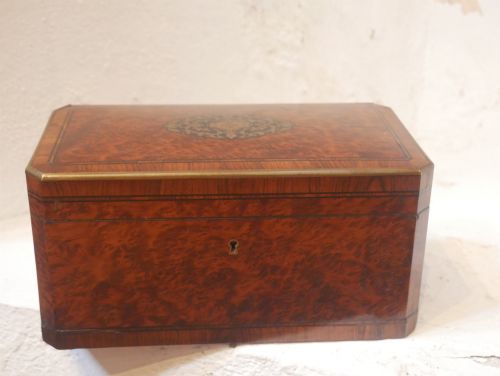
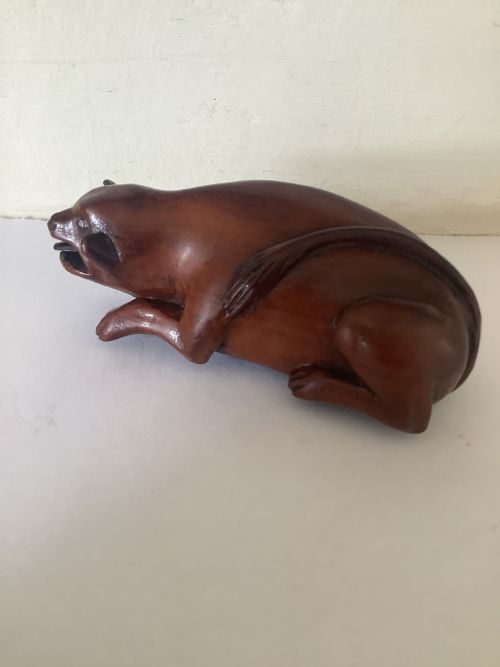
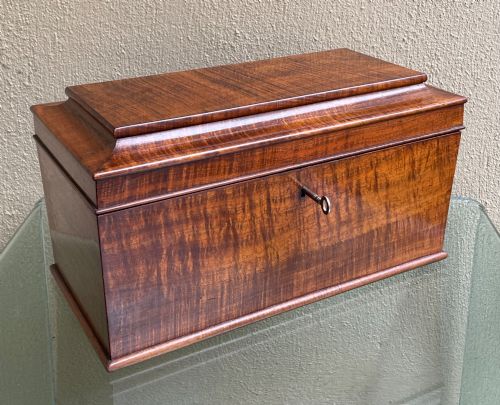
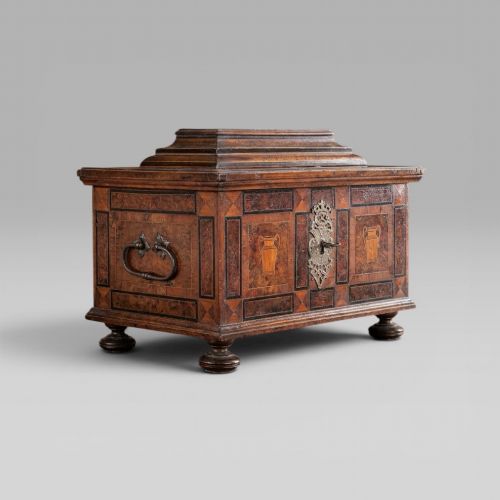
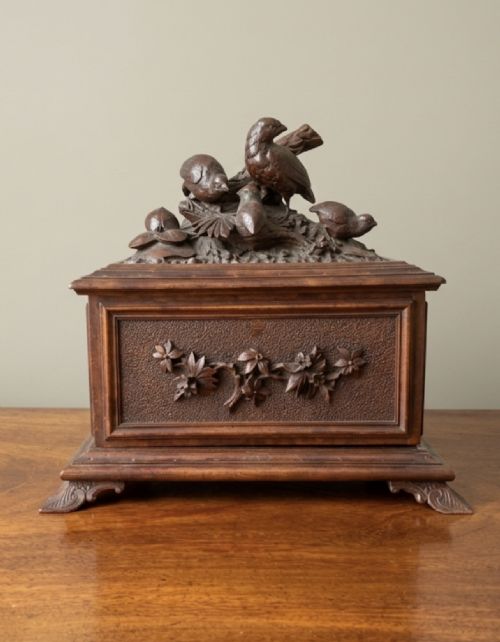
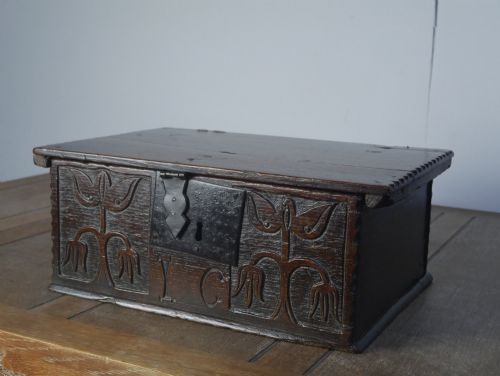
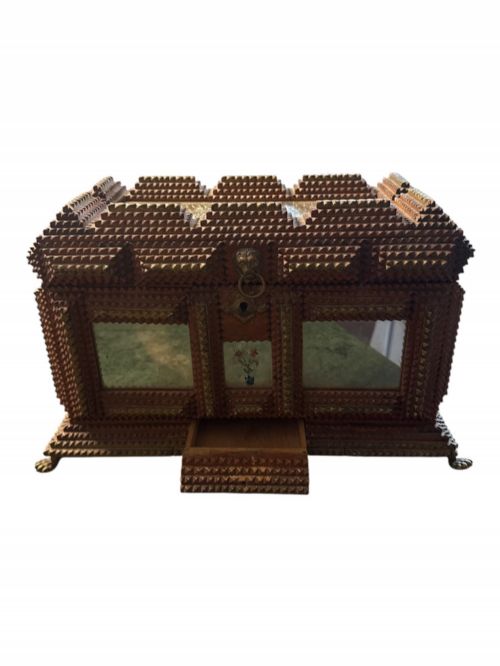
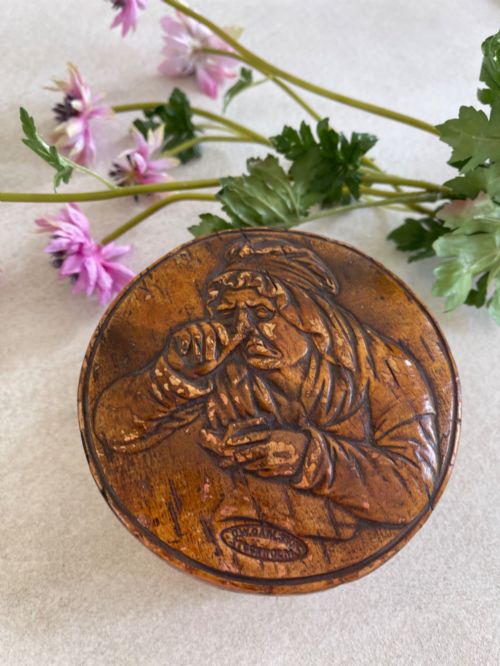
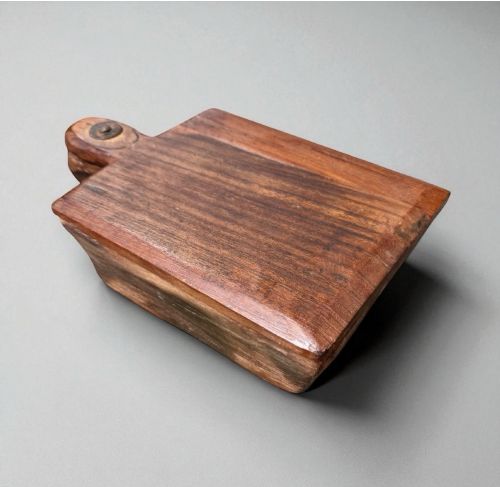
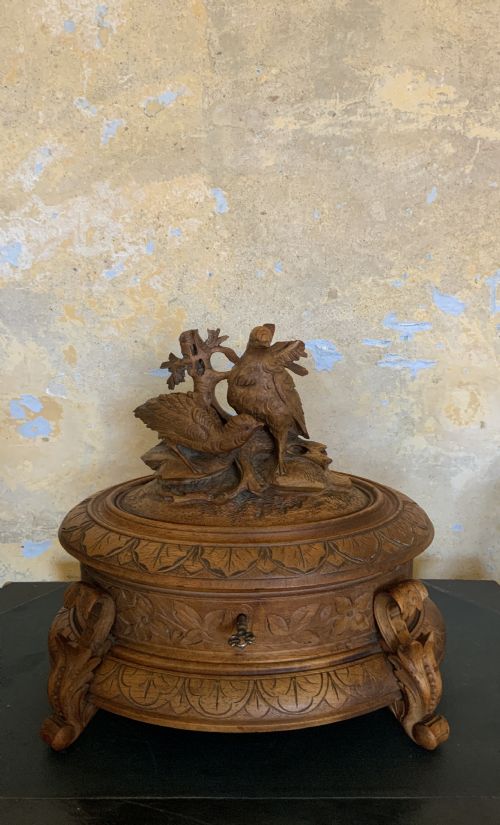
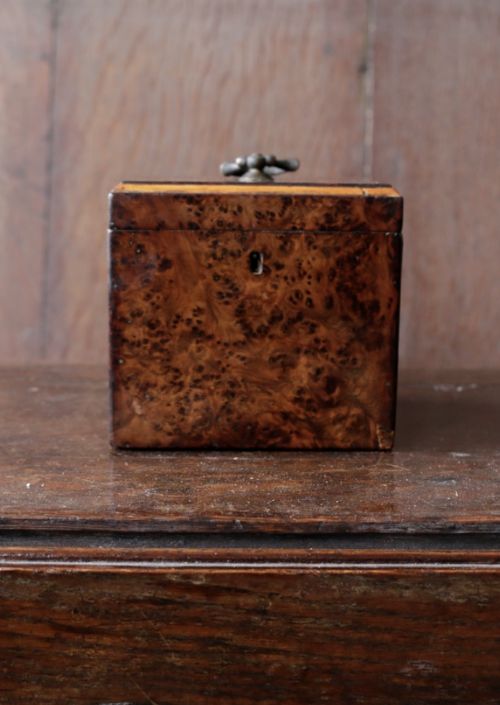
A brown wood trinket box encompasses a range of small lidded containers and miniature chests designed for personal valuables, originating from periods such as the nineteenth century, Victorian era, and Regency period. Buyers searching this phrase encounter diverse forms including carved sarcophagus-shaped caskets, cube tea caddies, miniature chests of drawers, and parquetry inlaid games boxes.
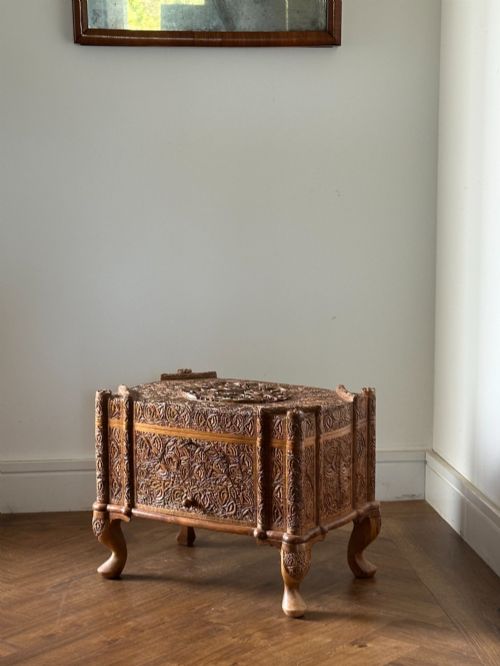
The selections span distinct geographic origins and stylistic traditions, featuring English, French provincial, Anglo-Indian, and Qajar Iranian examples. Materials vary from walnut and fruitwood to exotic veneers, reflecting the diverse utility of small caskets and desk boxes across different cultures and decades.
How they were made
Construction relies upon traditional cabinetmaking timbers, utilising hardwoods alongside decorative veneers such as burr yew and amboyna. Makers applied intricate parquetry inlay and surface carving to shape the exteriors of these pieces.
Surfaces often incorporate contrasting materials, combining wood with brass fittings and hand-painted details. Construction methods range from structural joinery in miniature furniture to detailed relief carving on sandalwood and other timbers.
Retail Price Guide 2026
Typical UK retail prices for brown wood trinket box, calculated from the Sellingantiques database of over a million retail prices indexed since 2003. This retail price guide relies exclusively on Sellingantiques data; no external sources or auction records are used, so the figures do not describe the wider market.
Current listings demonstrate a global range of nineteenth-century items, utilising timbers like walnut, burr yew, and amboyna across diverse decorative boxes.
What varies in quality
Quality separates through the selection and application of veneers, where choice burr timbers and precise parquetry inlay demonstrate superior technical mastery by the maker. The complexity of surface carving and the integrity of the joinery further distinguish finer pieces from standard utilitarian boxes.
The incorporation of distinctive decorative elements, such as hand-painted scenes, specialised brass hardware, or unusual miniature furniture formats, elevates certain examples above simpler counterparts.
The Brown Wood Trinket Box Glossary
- Parquetry
- Geometric mosaic woodwork formed by small pieces of veneer arranged in decorative patterns on a surface.
- Burr veneer
- Wood sliced from a tree growth or burl, prized for its swirling, highly figured grain patterns.
- Casket
- An ornate box or chest traditionally used for holding jewels, letters, or other small valuables.
- Tea caddy
- A container designed originally to store loose tea leaves, often built with internal compartments and a secure lid.
Frequently Asked Questions
What were brown wood trinket boxes used for?
These small boxes served various domestic purposes, holding precious jewellery, keepsakes, and correspondence. Many functioned as desktop storage or specialised containers for valuable commodities like tea.
Over time, their roles shifted as owners used them primarily for display and safe organisation of personal trinkets. Their compact size made them portable and versatile additions to period interiors.
How do I date a wooden trinket box?
Dating relies upon observing the construction techniques, timber choices, and stylistic motifs characteristic of specific periods like the Regency or Victorian eras. Examining the interior linings, hinges, and locks also provides clues regarding manufacturing age.
Makers often utilised specific exotic woods or inlay styles popular during particular decades, helping specialists narrow down the year of origin.
How should I care for antique wooden boxes?
Maintain these pieces by keeping them away from direct sunlight and extreme temperature fluctuations to prevent timber warping or veneer cracking. Gentle dusting with a dry cloth preserves the polished surface.
Avoid using modern chemical polishes, which can damage historic finishes. Occasional application of appropriate wax helps nourish older wood.
What is parquetry inlay?
Parquetry involves fitting small geometric pieces of wood veneer together to create intricate patterns across the surface of a box. This technique requires precise cutting and skilled hand assembly.
Master craftsmen utilised contrasting timber colours to achieve striking visual depth and decorative complexity on game boxes and desks.