




Antique Miniature Sideboard
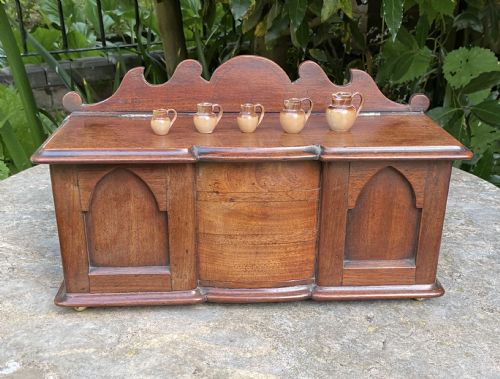
An antique miniature sideboard brings the grandeur of full-scale dining room furniture down to cabinet scale, perfect for a tabletop display.
Antique Miniature Sideboard
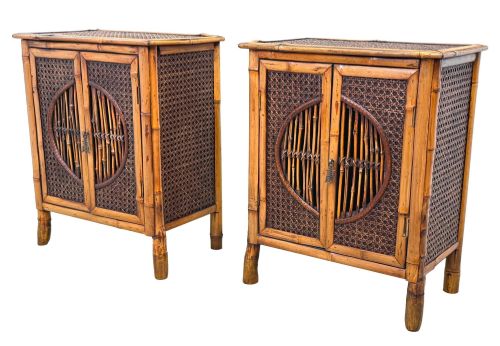
The materials recorded in these listings include mahogany, oak, rosewood, amboyna, pitch pine, and ebonised wood, often paired with brass fittings, glass, bamboo, cane, or rattan. Alongside traditional dressers and credenzas, the selection includes apprentice cabinets and table cabinets that served similar decorative or storage functions on a smaller footprint.
How they were made
Cabinetmakers constructed these miniature sideboards and dressers using dense hardwoods like mahogany, walnut, and rosewood, alongside softer woods such as pitch pine and oak. Surfaces often feature ebonised moulding, painted finishes, or intricate Boulle work, showing that makers applied the exact decorative techniques of domestic furniture to these small items.
Fittings and accents incorporate brass hardware, glass panels, and woven cane or rattan, particularly within bamboo and Aesthetic designs. The execution relies on traditional timber joinery suited to tabletop display rather than heavy domestic use.
The listings span from the 17th century to the late 19th century, featuring woods such as mahogany, rosewood, oak, and amboyna.
What varies in quality
Quality in these miniature pieces rests on the fidelity of the proportions and the precision of the timber selection. Finer examples display carefully chosen grain patterns in woods like mahogany, amboyna, or rosewood, matched with neat ebonised mouldings and crisp brass hardware.
The distinction between standard cabinet work and superior pieces lies in the complexity of the form, whether that involves sophisticated Boulle marquetry on a credenza or the intricate framing of a court cupboard.
The Antique Miniature Sideboard Glossary
- Apprentice piece
- A small item of furniture made by a trainee craftsman to demonstrate mastery of joinery before entering a guild. These often mirror full-sized sideboards and dressers.
- Credenza
- A sideboard or cabinet designed for displaying plate or serving food. In miniature form, it retains the decorative flourishes of the full-sized nineteenth-century original.
- Boulle
- A form of marquetry using tortoiseshell and brass inlay, developed in France. It appears on nineteenth-century miniature credenzas.
- Aesthetic Movement
- A late nineteenth-century design style emphasising visual beauty over narrative. Pieces in this style often incorporate bamboo and ebonised wood.
- Gustavian
- The Swedish interpretation of French neoclassical style, characterised by pale painted finishes. Miniature pieces in this style show light, restrained ornamentation.
Antique Miniature Sideboard: Frequently Asked Questions
What is an antique miniature sideboard?
An antique miniature sideboard is a small-scale model of a dining room serving table or cabinet, created by skilled makers. These pieces mirror the styles of their full-sized counterparts across various historical periods.
They served as decorative items, salesman samples, or apprentice pieces, allowing makers to showcase their mastery of timber and joinery on a compact scale.
How were miniature sideboards used?
Historically, these small pieces served as decorative display items in parlours, or as precise models created by craftsmen and apprentices. Some variations, such as tea caddy sideboards, also functioned as specialised storage containers for dry goods.
Today, collectors use them as focal points on tabletops or within specialised furniture cabinets, where their intricate proportions can be closely observed.
How do I date a miniature sideboard?
Dating relies on identifying the primary timbers, construction techniques, and stylistic markers associated with specific periods. For example, seventeenth-century examples utilise heavy oak or ebony, while nineteenth-century pieces often feature mahogany, pitch pine, or bamboo.
Comparing the decorative vocabulary - such as Regency curves or Aesthetic Movement framing - against standard furniture chronology helps narrow down the decade of manufacture.