
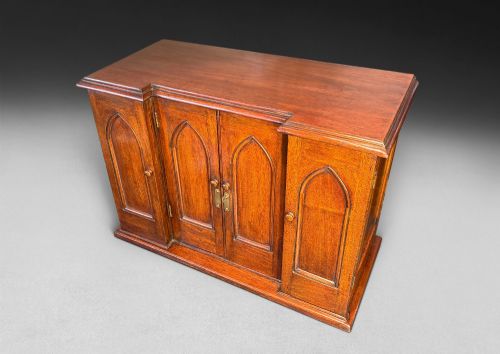
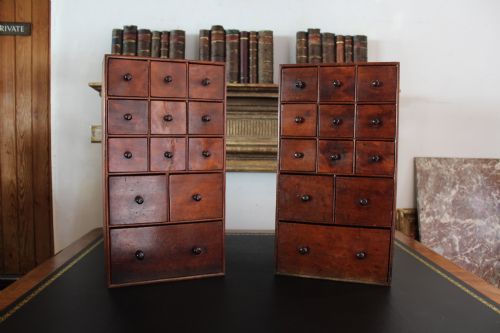
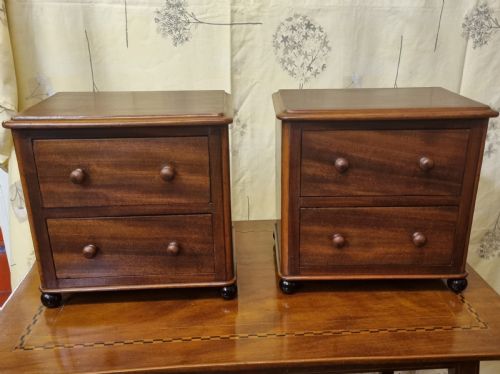
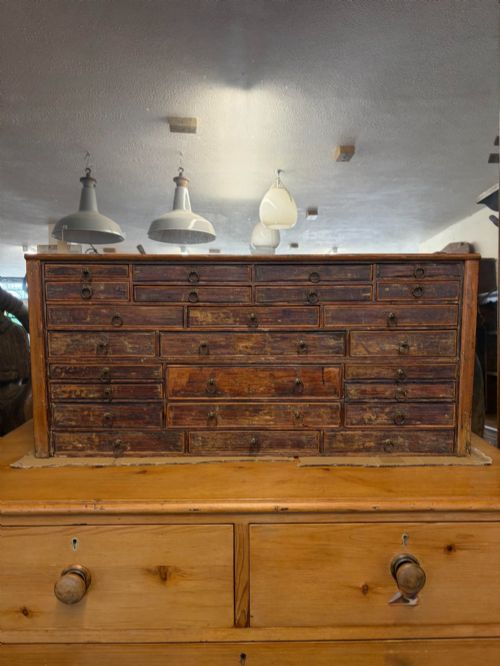
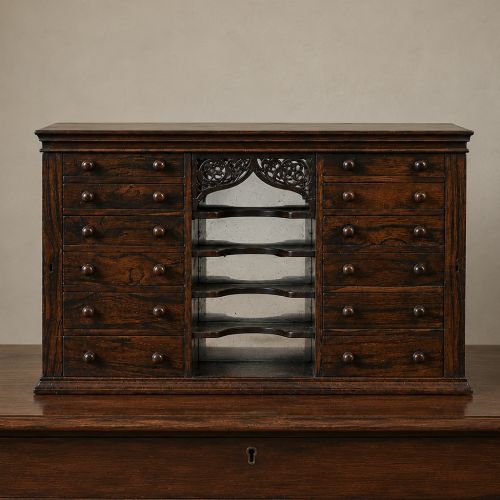
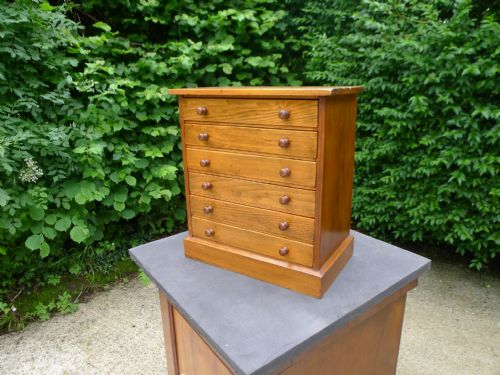
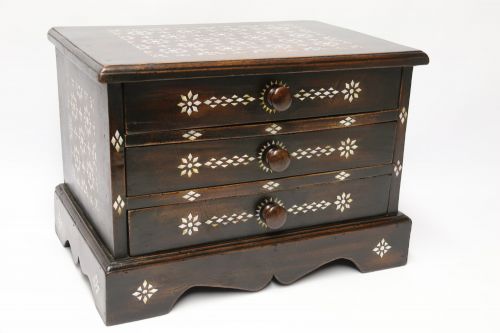
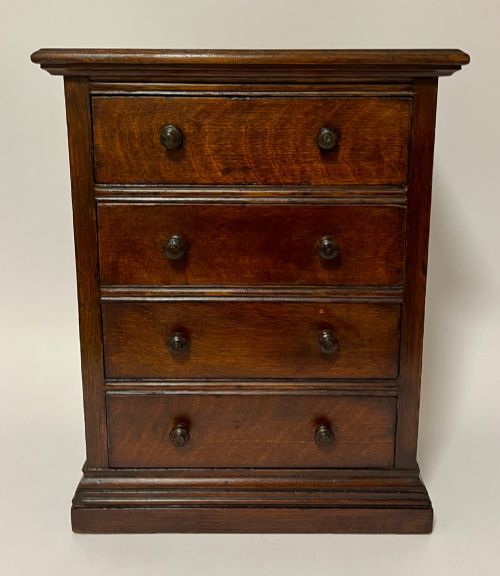



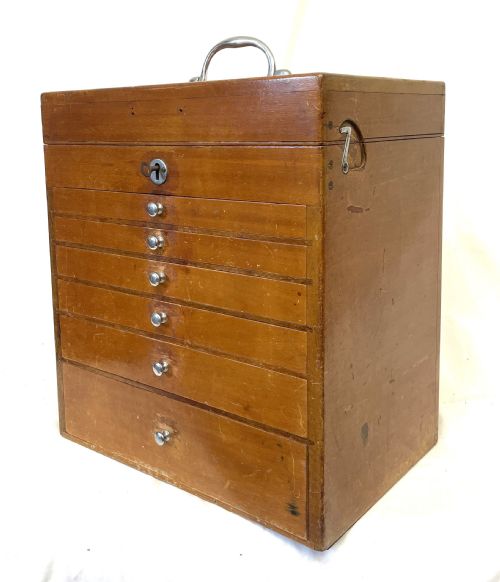
Tabletop Specimen Chest
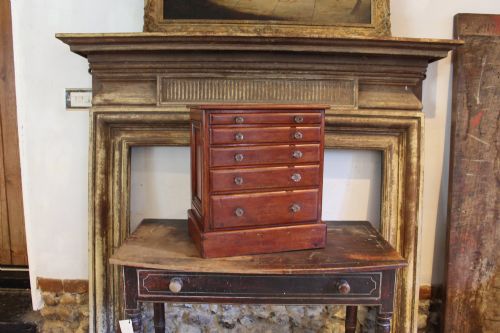
A tabletop specimen chest is a compact repository for small treasures, offering tidy drawer storage that fits neatly on a desk or counter.
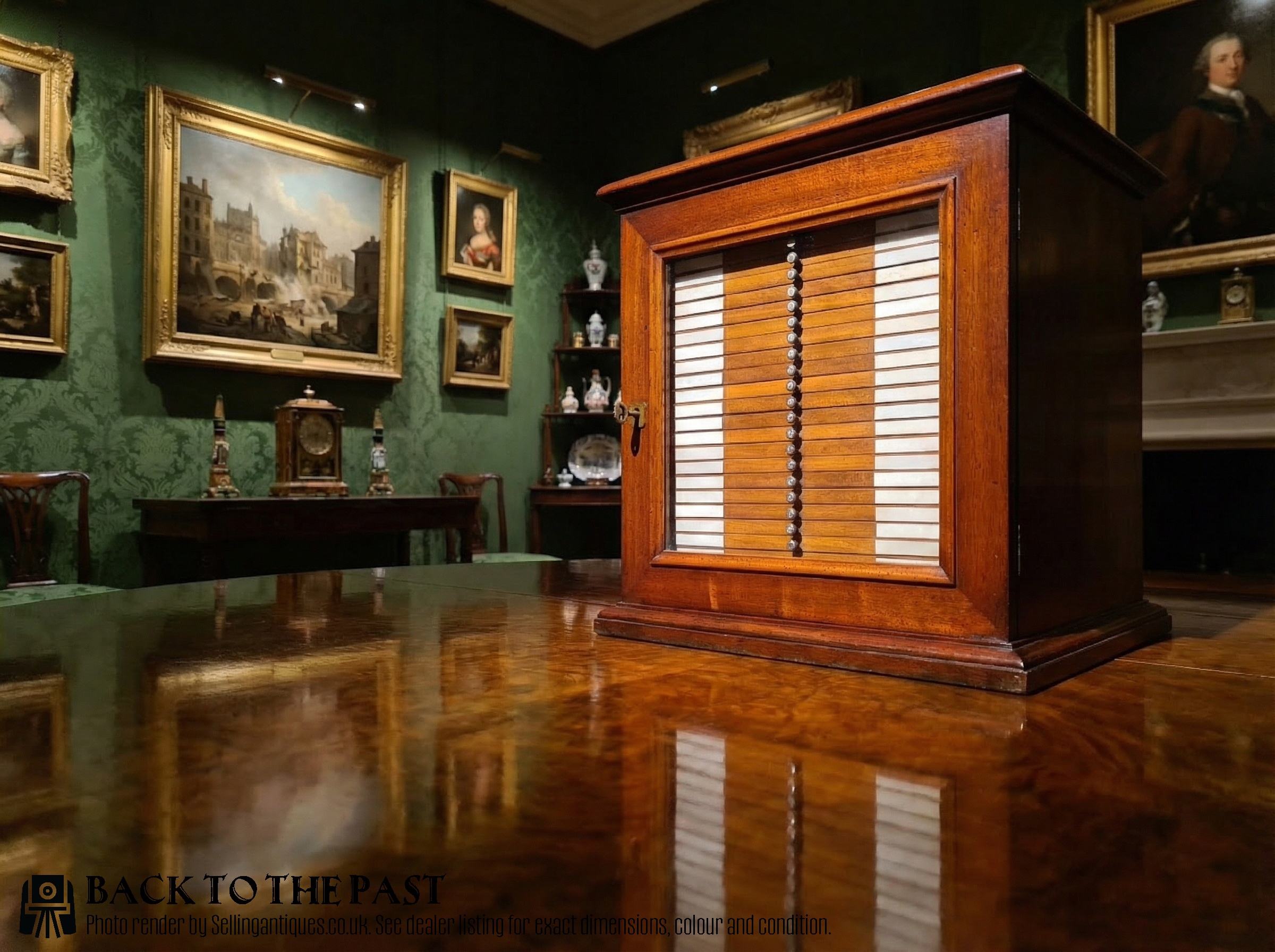
Tabletop Specimen Chest
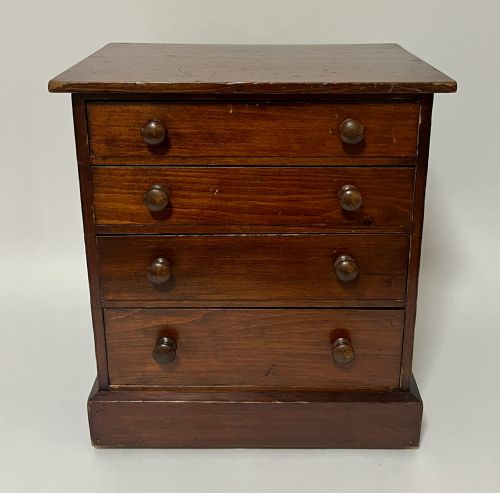
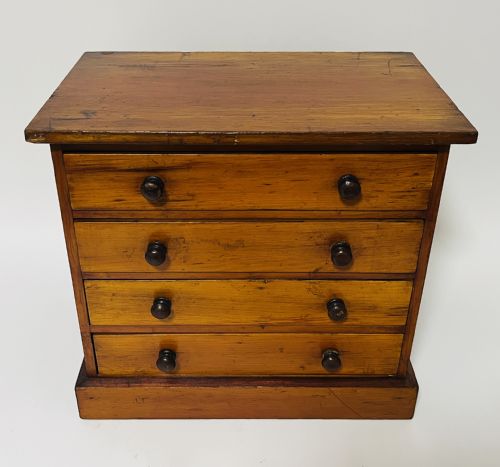
When you search for a tabletop specimen chest, you encounter miniature chests of drawers, collectors cabinets, and banks of small drawers designed to sit on furniture rather than stand on the floor. These pieces serve to organise tiny items, from coins and fossils to seeds and microscope slides, in compact banks of multi-drawer storage.
The most frequent examples on this page date from the nineteenth century and the Victorian era, constructed in timber with multiple shallow drawers. You also meet Georgian pieces, Edwardian examples, and occasional twentieth-century variants built for specialised contents like homeopathic remedies or dental equipment.
How They Were Made
Cabinetmakers built these chests using hardwoods such as mahogany, walnut, oak, and rosewood, alongside softer timbers like pine and deal. Many incorporate brass drop handles, small locks with keys, and glass panels on doors to protect the contents while keeping them visible.
Construction relies on traditional drawer joinery scaled down to miniature proportions, often housing numerous shallow trays designed to slide smoothly within a compact carcass.
Tabletop Specimen Chest Retail Price Guide 2026
Typical asking prices for tabletop specimen chest among the pieces listed under this phrase on Sellingantiques today, from the lower quarter to the upper quarter. They describe what is for sale here now, not the wider market.
Some miniature chests come equipped with tiny locking keys that still turn after two centuries of opening and shutting.
What Varies in Quality
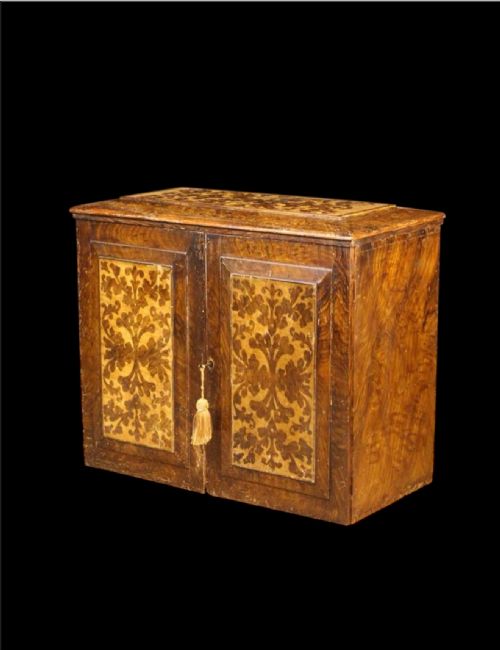
The grade of timber and the choice of facing veneers define the initial visual standard, with figured walnut, amboyna, and polished mahogany sitting at the higher end of the range. Simpler painted or stained pine versions offer a utilitarian aesthetic.
Internal configuration also drives distinction, where numerous small drawers, glazed doors, fitted compartments, and original brass hardware elevate a piece from a simple box to a dedicated cabinet.
Luxmore's of Ilfracombe
The Tabletop Specimen Chest Glossary
- Specimen cabinet
- A piece of furniture fitted with multiple shallow drawers designed to hold natural history collections or small artefacts. These cabinets protect delicate items from dust and light.
- Wellington chest
- A tall stack of drawers secured by a hinged vertical locking side bar that fastens with a key. This form is often scaled down for tabletop use.
- Apprentice piece
- A miniature item of furniture made to demonstrate a woodworker's proficiency to a guild or master. These small chests display the exact joinery methods used on full-sized furniture.
- Apothecary chest
- A set of small drawers built to store medical supplies, herbs, or remedies. They frequently feature numerous labelled compartments.
- Bank of drawers
- An arrangement of many small drawers stacked together in a grid format. They provide systematic organisation for large quantities of tiny objects.
Tabletop Specimen Chest: Frequently Asked Questions
What did people store in a tabletop specimen chest?
These chests originally held natural history specimens, including bird eggs, fossils, insects, and botanical samples. Collectors also used them for coins, stamps, jewellery, and microscope slides.
Today, they suit modern collections of small curiosities or desktop organisation for stationery and craft supplies.
How do I tell an apprentice piece from a standard miniature chest?
An apprentice piece typically demonstrates complex joinery and full-scale construction methods applied to a reduced scale, often created as a test of skill.
Standard miniature chests were usually produced as commercial items for domestic display or specific collecting hobbies.
Are these chests heavy to move?
Because they are designed for tabletops and desks, most examples remain portable despite solid timber construction and multiple drawers. Larger banks of drawers require two hands to lift safely due to the dense hardwood frames.
Their compact footprint allows them to sit securely on sideboards or tables without floor installation.
How do I care for the wood finish?
Maintain timber surfaces by keeping the chests away from direct sunlight and extreme temperature shifts that cause wood to dry or crack. Occasional application of suitable wax preserves the polish on mahogany and walnut.
Avoid excessive moisture on unsealed pine or deal interiors.