




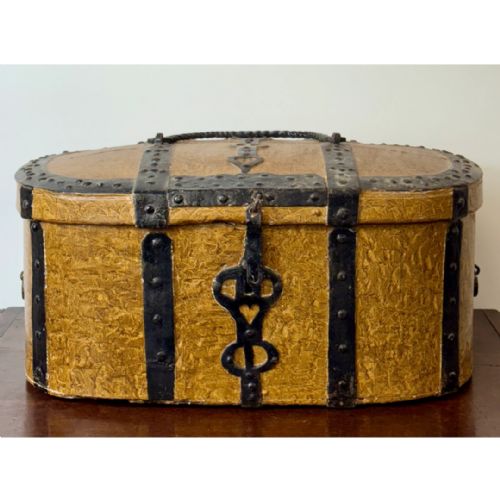
Antique Wooden Work Box
An antique wooden work box is a practical and decorative container designed to hold sewing implements, letters, and small valuables.
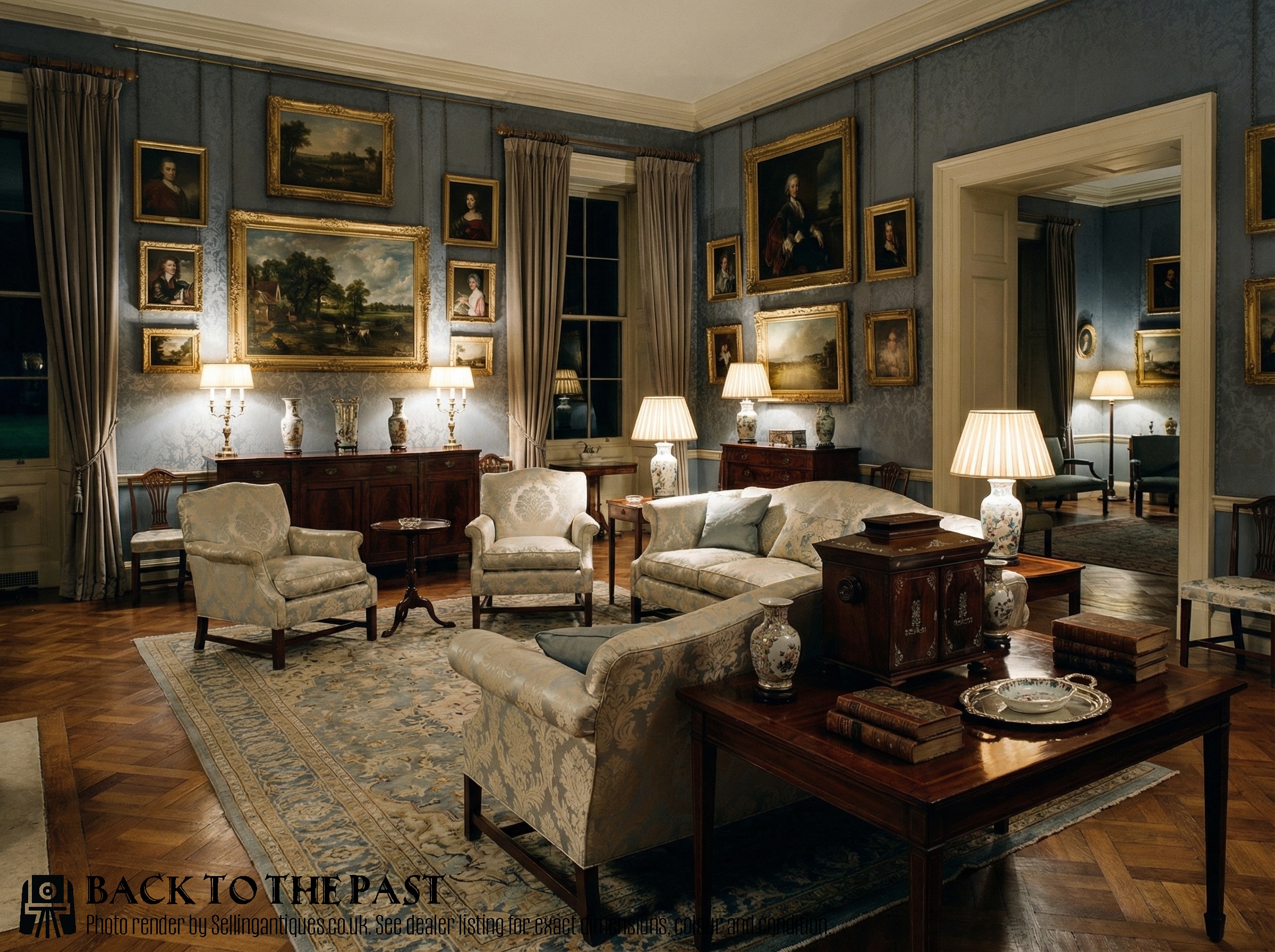
Antique Wooden Work Box
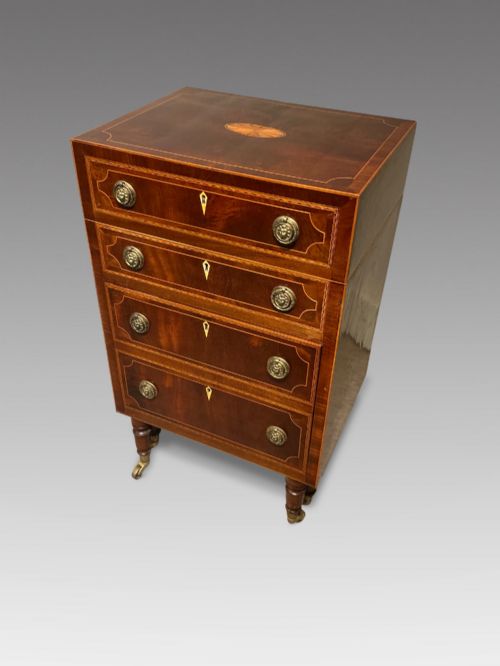
When buyers search for an antique wooden work box, they encounter containers designed to house sewing gear, needlework tools, and correspondence. The selections span periods from the Georgian and Regency eras through to the Victorian and Edwardian years.
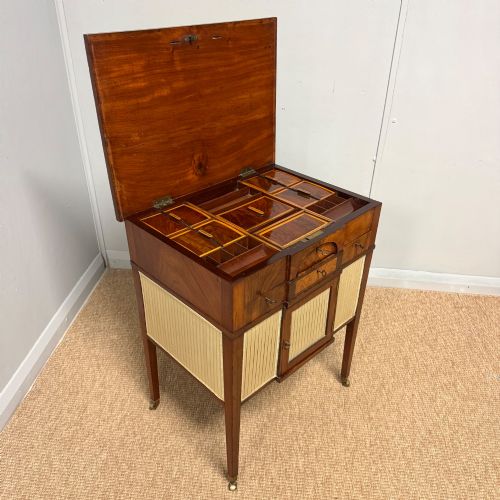
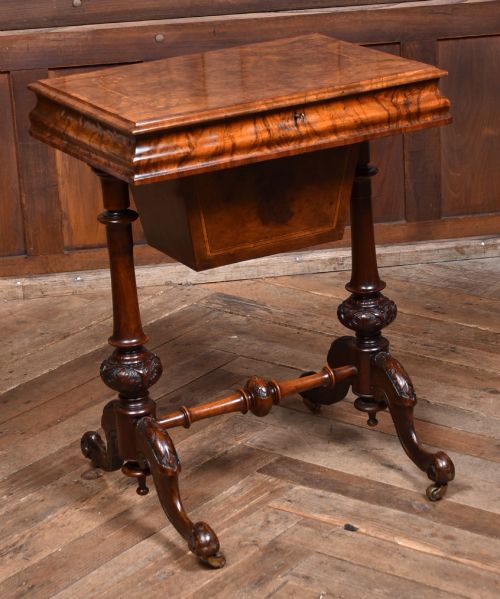
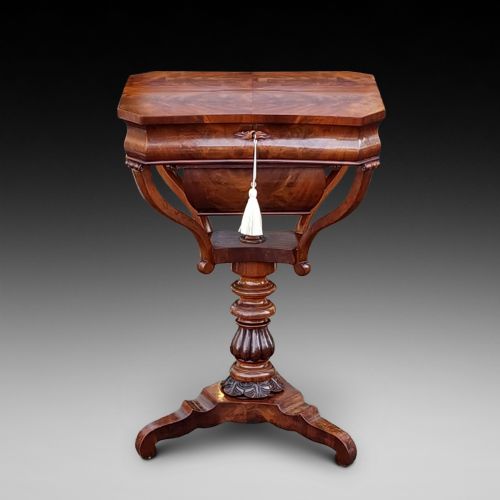
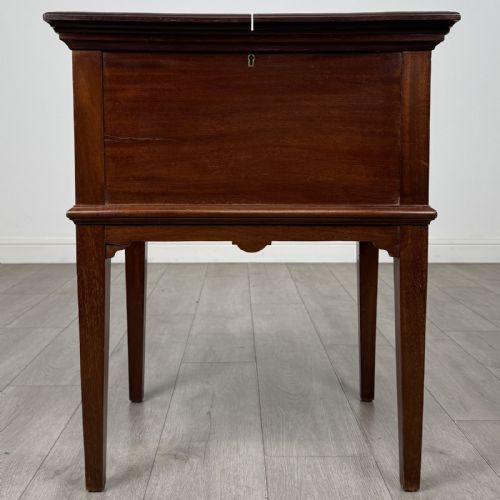
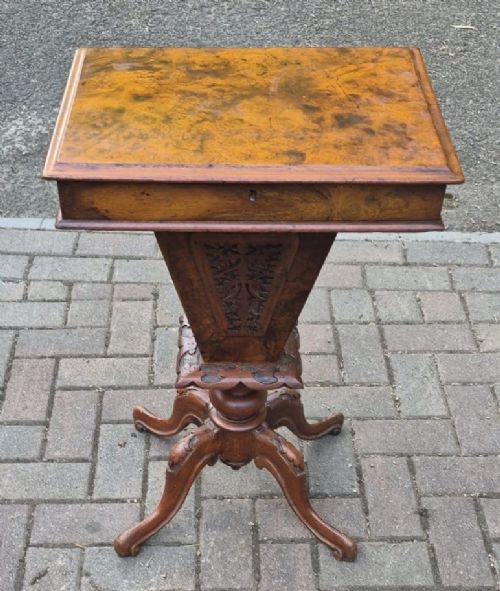
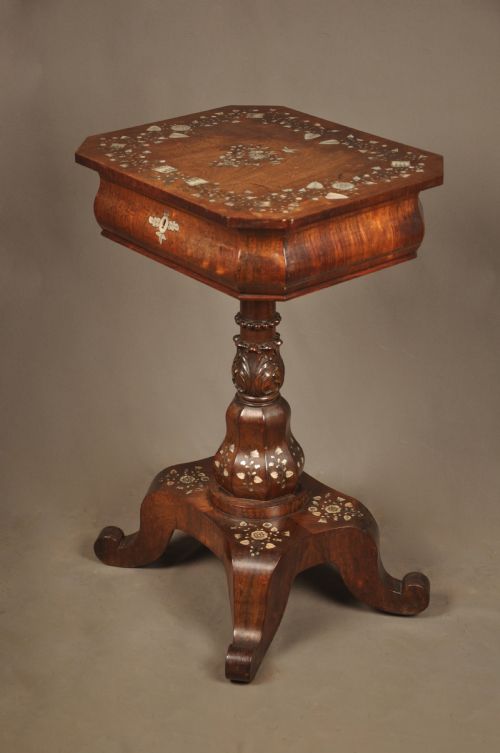
Most items appearing on this page take the form of tabletop boxes, writing slopes, or freestanding sewing tables. These pieces served domestic purposes in period homes, functioning as portable storage or dedicated furniture for needlecraft.
Materials range from dense hardwoods to figured veneers, reflecting the diverse tastes of makers across different centuries. Buyers find items featuring fitted interiors designed to organise spools, thimbles, and papers neatly.
How they were made
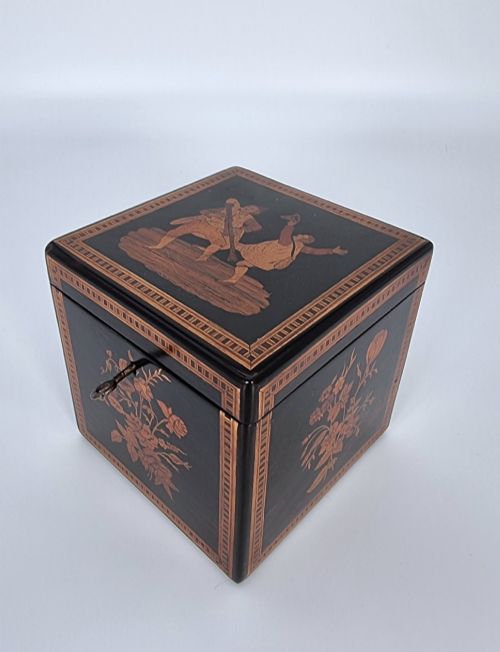
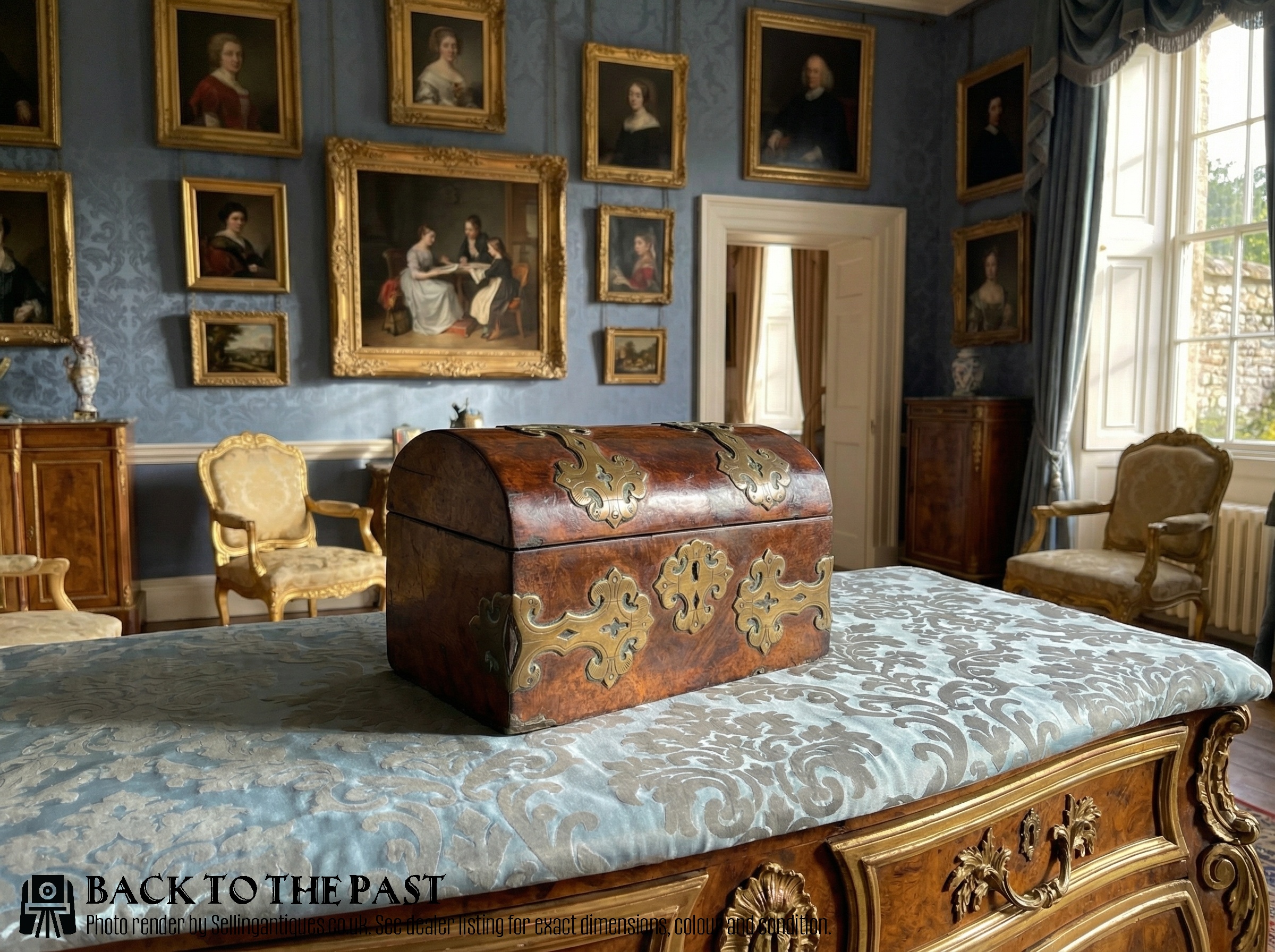
Cabinetmakers utilised solid timbers such as mahogany, oak, walnut, and elm for structural integrity, often applying decorative veneers like rosewood, burr walnut, and harewood to visible surfaces. These woods were chosen for both durability and aesthetic grain patterns.
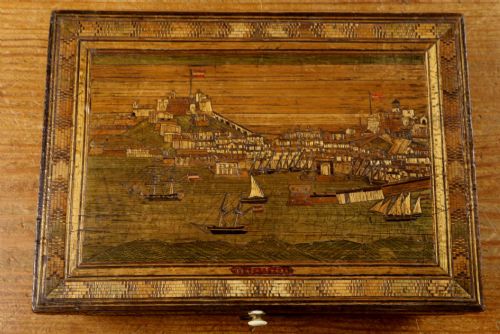
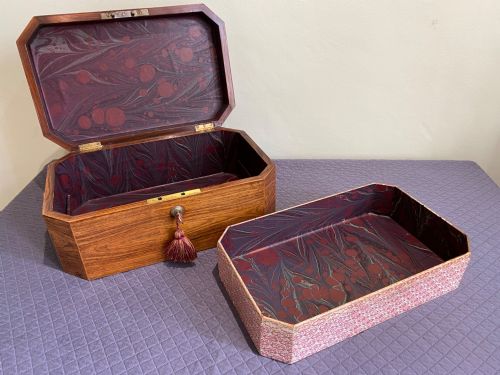
Construction involved traditional joinery techniques, supplemented by brass inlays, boxwood stringing, and Tunbridge ware ornamentation. Interiors often featured fitted compartments lined with velvet, silk, or leather to protect delicate tools.
Antique Wooden Work Box Retail Price Guide 2026
Typical asking prices for wooden work box among the pieces listed under this phrase on Sellingantiques today, from the lower quarter to the upper quarter. They describe what is for sale here now, not the wider market.
One historic box takes the curious shape of a miniature wooden shoe designed for snuff.
What varies in quality
Quality rests on the selection of timber veneers and the precision of the cabinetwork. Pieces utilising burr walnut, rosewood, or harewood with intricate inlay display superior craftsmanship compared to plain utility items.
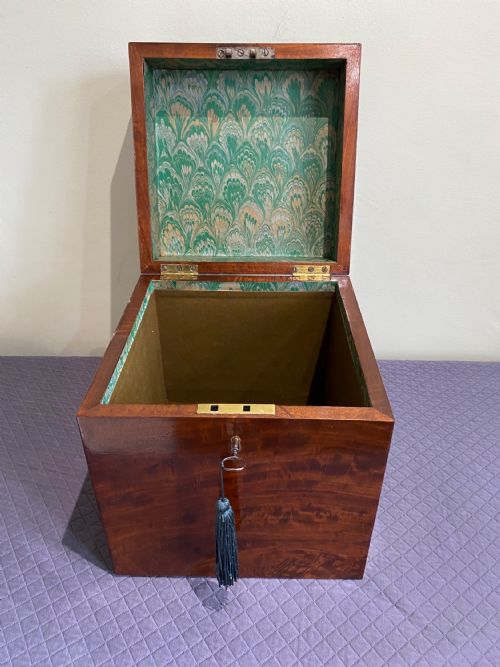
The sophistication of the internal fittings defines the tier of the piece. Fully fitted compartments with original trays, working locks with keys, and refined brass stringing distinguish finer examples.
G Cobb
The Antique Wooden Work Box Glossary
- Writing Slope
- A portable desk featuring a slanted writing surface that lifts to reveal storage space for paper and ink. These boxes often include hidden compartments and pen trays.
- Tunbridge Ware
- Woodworking characterised by mosaic designs created from tiny blocks of naturally coloured wood. This technique produced detailed geometric or pictorial motifs on box lids.
- Tea Caddy
- A container built to store loose tea leaves securely, often fitted with internal lids or mixing bowls. These boxes reflect the high value placed on tea during the Georgian and Regency periods.
- Campaign Box
- A sturdy container designed for travel, typically reinforced with brass corners and strapwork. Such items were built to withstand the rigours of military movement.
- Inlay
- A decorative technique where contrasting woods, metals, or shells are inserted into recesses cut into the base timber. This creates flat, ornate patterns across the surface of the box.
Antique Wooden Work Box: Frequently Asked Questions
What is an antique wooden work box?
An antique wooden work box is a lidded container historically used to store sewing equipment, threads, and personal letters. These items range from small portable caskets to larger freestanding tables with fitted internal trays.
Craftsmen built them from various timbers, incorporating compartments designed to keep needles, pins, and scissors organised during use.
How were work boxes used historically?
Households utilised these boxes for needlework, mending clothes, and storing correspondence in sitting rooms or bedrooms. Portable versions allowed users to carry their sewing projects easily from room to room.
Many included specialised slots for spools and pin cushions, serving as the central hub for domestic textile crafts before mass manufacturing.
How do I date an antique work box?
Dating relies on observing the timber species, construction methods, and stylistic cues present in the design. Georgian and Regency pieces often feature simpler proportions and mahogany or satinwood surfaces, whereas Victorian examples frequently display heavier burr walnut veneers and elaborate brass inlay.
Internal hardware, such as hinges and lock mechanisms, also provides reliable clues regarding the decade of manufacture.
Are these boxes suitable for modern storage?
These boxes provide practical storage for modern items like jewellery, stationery, and small accessories. Their partitioned interiors help keep contemporary trinkets neatly separated and protected.
Placing them on desks or dressing tables adds period character while serving a functional purpose in a contemporary home.