
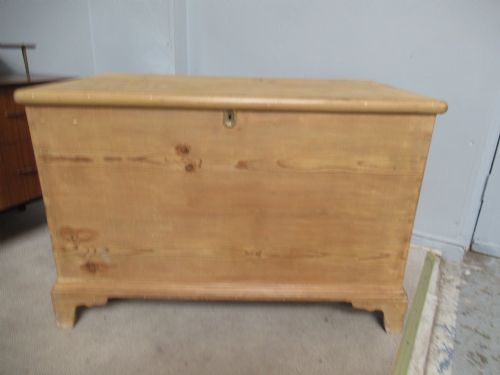
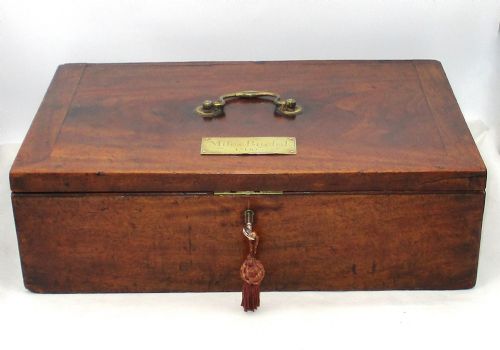
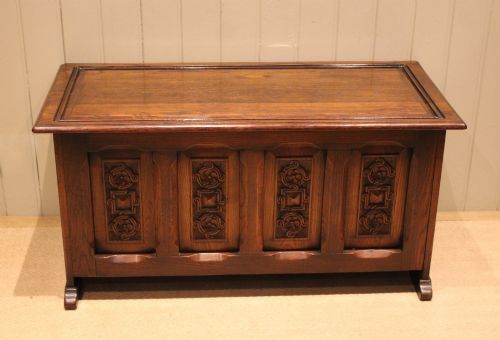
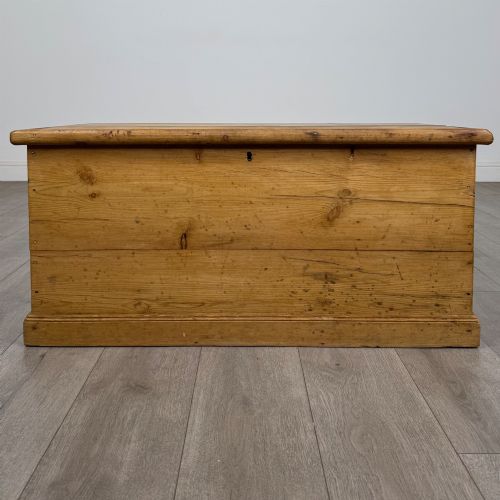

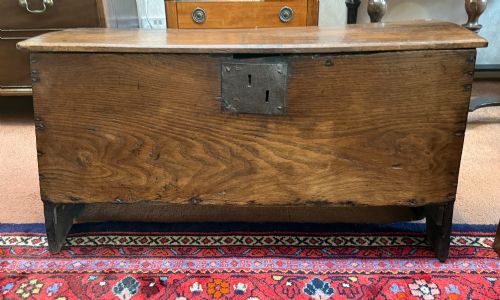
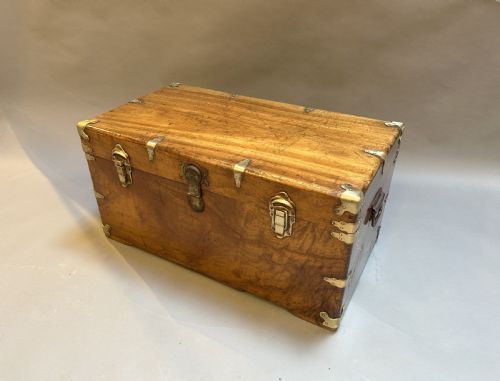
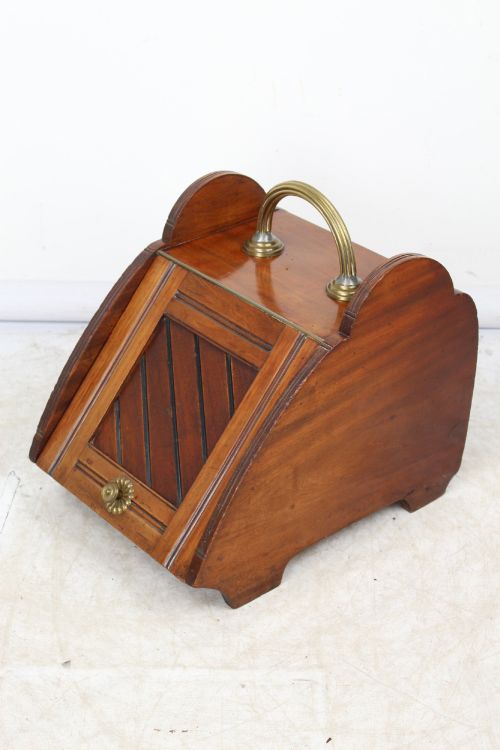
Vintage Wooden Storage Box
A vintage wooden storage box brings tactile warmth and period utility into a room, offering practical containment with the rich grain of burr woods and campaign hardware.
What these pieces are
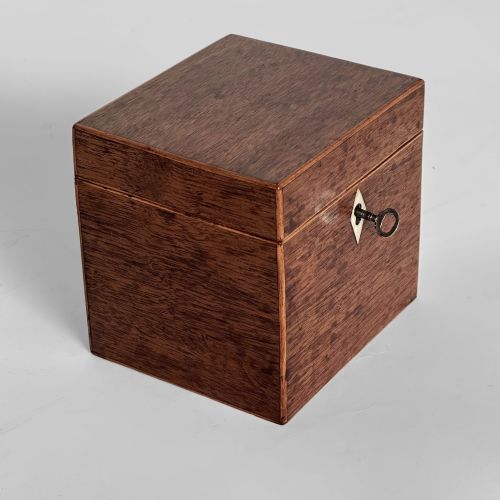
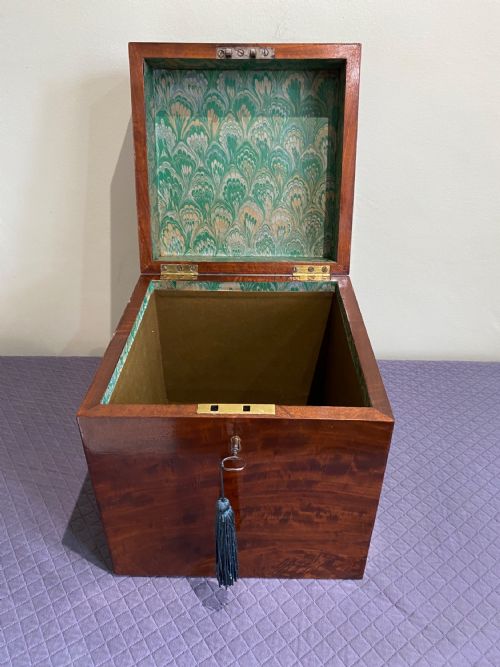
A vintage wooden storage box encompasses functional containers designed for specific domestic uses, spanning tea caddies, vanity boxes, and campaign trunks. These functional items translate historical utility into compact storage solutions for the modern home.
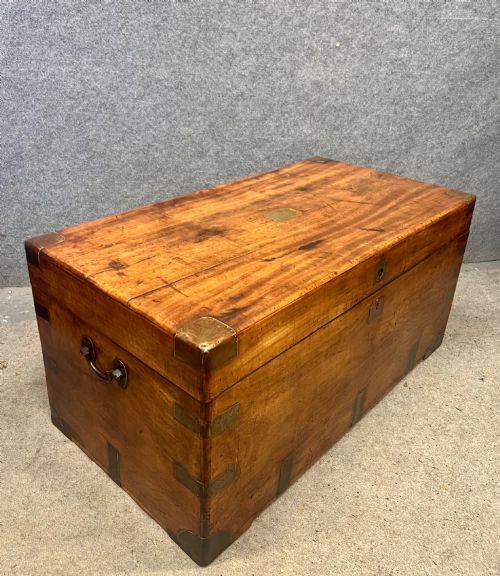
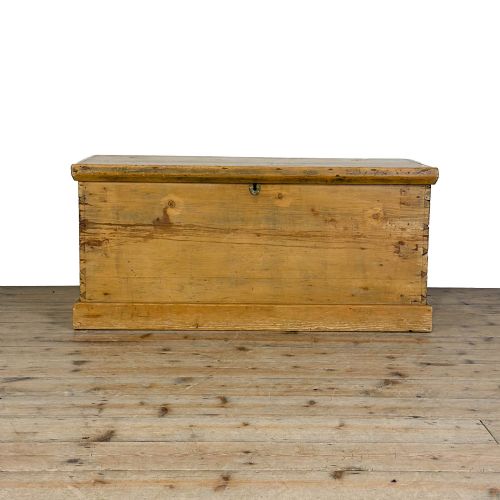
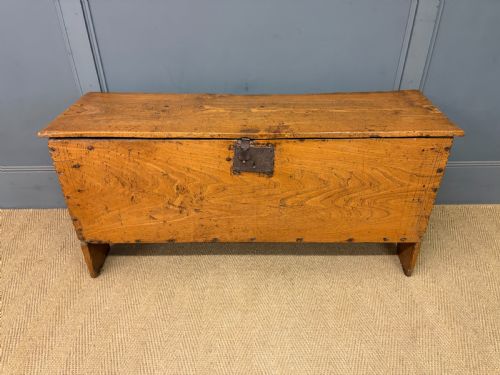
The selections encountered here range across several distinct eras, drawing from the Georgian, Regency, and Victorian periods. The most frequent forms include timber tea caddies and robust camphor wood trunks dating from the nineteenth century.
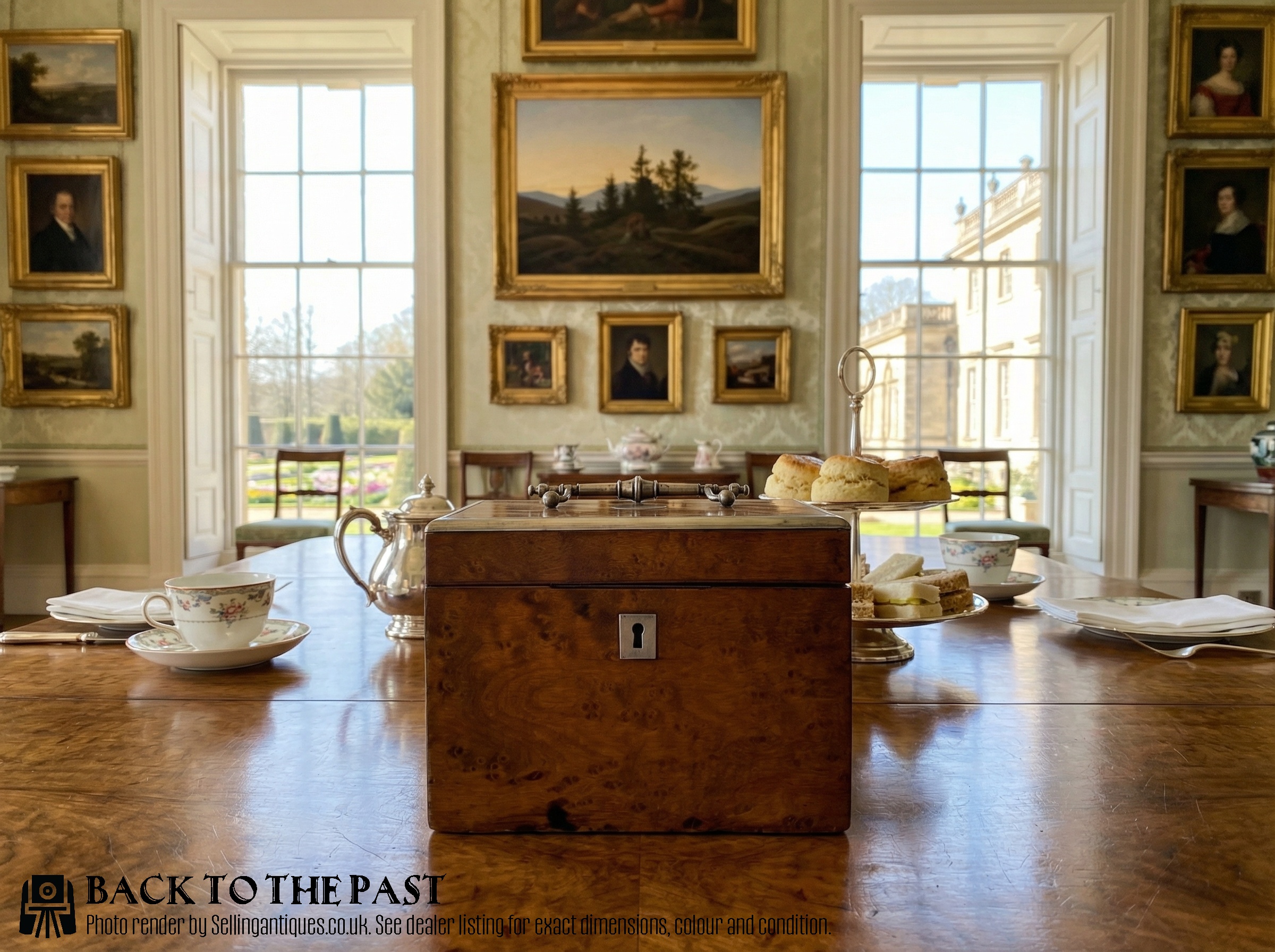
Makers shaped these containers from diverse timbers, incorporating specialised forms such as the George III burr yew cube and coromandel vanity boxes. Each surviving object reflects the specific storage needs of past households, from loose leaf tea to travel apparel.
How they were made
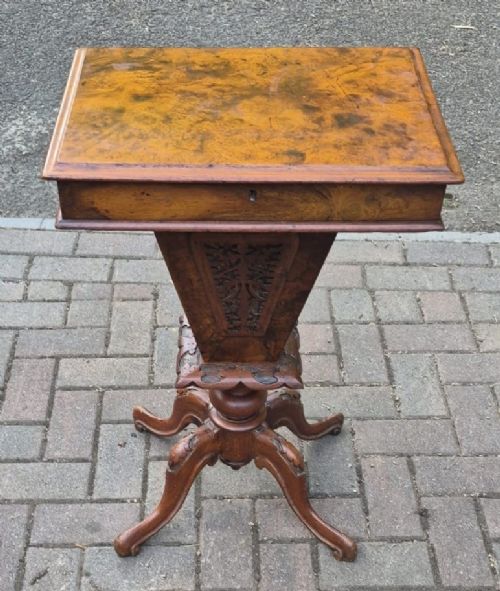
Craftsmen utilised a palette of decorative veneers, selecting burr yew, burr maple, burr walnut, and exotic coromandel to face the primary timber bodies. These figured woods were carefully cut and applied to display natural grain patterns across flat and curved surfaces.
Construction incorporated durable secondary materials, mounting brass handles, hinges, and corner brackets onto timber frames for structural strength. Camphor wood trunks and campaign chests relied on these metal fittings to endure frequent transit.
Retail Price Guide 2026
Typical UK retail prices for vintage wooden storage box, calculated from the Sellingantiques database of over a million retail prices indexed since 2003. This retail price guide relies exclusively on Sellingantiques data; no external sources or auction records are used, so the figures do not describe the wider market.
What varies in quality
The selection of timber veneer dictates visual hierarchy, with richly figured burr woods commanding higher regard than plain surfaces. Grain alignment and the preservation of polished finishes separate standard utility pieces from exceptional examples.
The integration of metal hardware marks another distinction in execution. Heavy brass mounts and flush-fitting campaign handles demonstrate superior coordination between the metalworker and the cabinetmaker.
The Vintage Wooden Storage Box Glossary
- Burr wood
- A growth deformity on a tree that produces highly figured, swirling grain patterns when sliced into veneer. Cabinetmakers prized these sections for decorative panels.
- Tea caddy
- A small box specifically designed to store loose tea leaves, often featuring internal compartments or mixing bowls. These containers were kept locked to protect valuable tea.
- Campaign trunk
- A robust storage chest built in sections with recessed brass fittings for military officers on the move. These pieces prioritise structural resilience and ease of transport.
- Vanity box
- A portable container fitted with compartments and mirrors for cosmetics and grooming implements. These dressing accessories often utilised exotic timbers like coromandel.
Frequently Asked Questions
What is a vintage wooden storage box used for?
These boxes serve as practical containers for small household items, documents, or jewellery while adding historical character to a room. Their compartmented interiors make them well suited for organising modern desk accessories or keepsakes.
Historically, specific forms held tea leaves, cosmetics, or travel garments for officers on the move. Today, they function as decorative objects on sideboards, coffee tables, or dressing chests.
How do I care for a wooden storage box?
Maintain the polished timber surfaces by keeping them away from direct sunlight and fluctuating heat sources that can dry out the wood. Dust gently with a dry or slightly damp soft cloth, avoiding harsh chemical polishes.
Occasional application of microcrystalline wax helps protect antique finishes and preserves the lustre of figured veneers. Ensure metal brass mounts remain dry to prevent tarnish accumulation.
How can I tell the period of a wooden box?
Dating relies on examining the timber species, construction methods, and hardware styles associated with eras such as the Georgian or Victorian periods. Specific timber choices like burr yew or coromandel often align with particular decades of popularity.
Interior fittings, paper linings, and lock mechanisms also provide clues to manufacturing dates. Comparing the dovetail joints and screw types helps confirm the age of the piece.
Where should I place a storage box in my home?
These boxes look effective placed upon larger surfaces like console tables, chests of drawers, or bookshelves where their grain patterns can be appreciated. Smaller tea caddies and vanity boxes suit dressing tables or desktop placement.
Larger camphor wood trunks function well as standalone statement pieces or at the foot of a bed. Their sturdy construction allows them to double as low display surfaces in living areas.