




Georgian Wooden Work Box
A georgian wooden work box is a portable chest designed for needlework and small valuables, prized for fine cabinet woods and delicate inlay.
Georgian Wooden Work Box
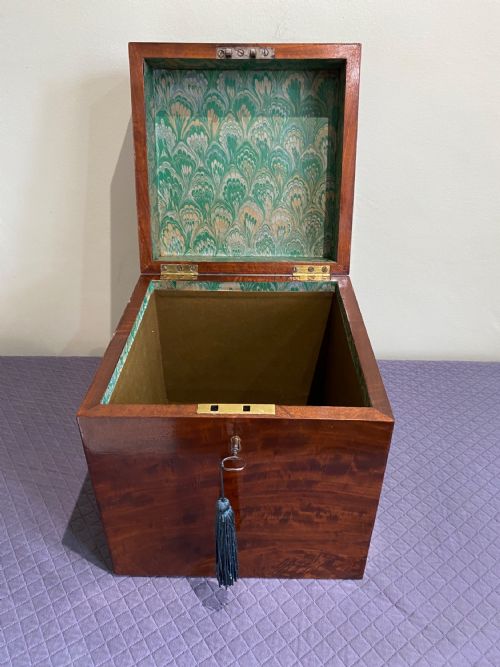
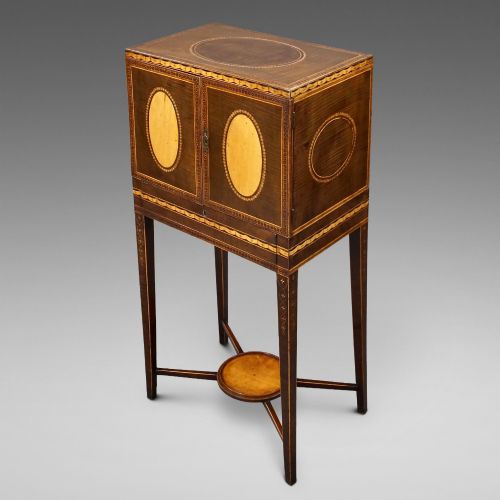
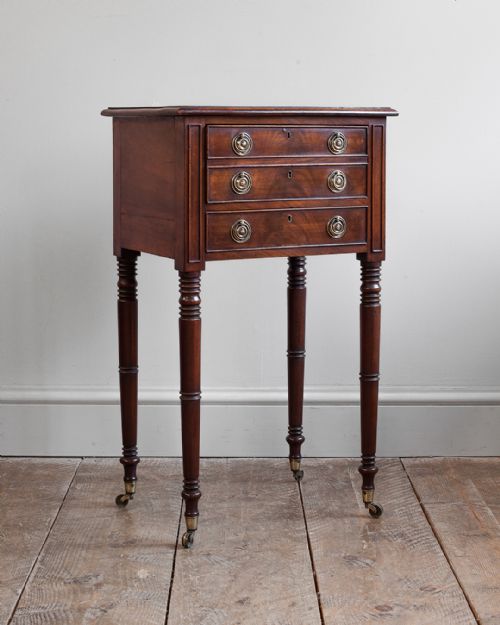
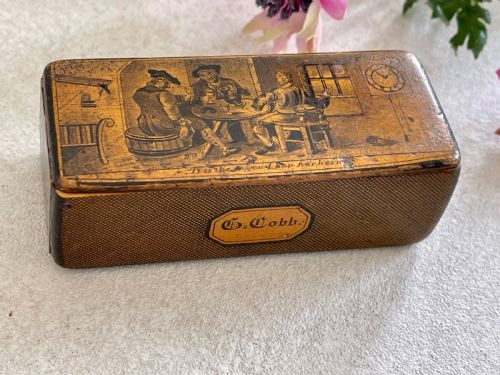
A georgian wooden work box encompasses portable containers and fitted chests produced across the eighteenth and early nineteenth centuries. The pieces on this page range from small personal receptacles for sewing and snuff to larger freestanding work tables designed for domestic utility.
The most typical examples met here are table boxes and sewing cases fashioned in mahogany, rosewood, and satinwood. Many retain internal compartments, trays, and original brass locks intended to secure valuable materials.
Beyond the standard desktop box, the selection includes related forms such as games boxes, tea caddies, and small occasional tables incorporating storage. These objects reflect the refined domestic storage needs of the Georgian and Regency periods.
How they were made
Cabinet makers constructed these pieces using dense hardwoods including mahogany, satinwood, and rosewood, frequently supported by secondary timbers like oak and pine. Selected veneers and solid boards were joined with precision to resist warping over time.
Surface decoration relies on contrasting materials such as boxwood stringing, brass pique work, mother of pearl inlay, and intricate penwork. Many boxes incorporate specialised internal fittings of silk lining and partitioned compartments for sewing implements.
Several makers shaped their work boxes into the form of gentlemen's shoes, complete with inlaid brass buttons.
What varies in quality
Quality rests primarily in the choice of timber figure, the crispness of the parquetry or inlaid details, and the integrity of the original construction. Finer specimens exhibit carefully selected burr woods and balanced grain patterns across every surface.
The sophistication of internal organisation and the survival of original hardware, such as working brass locks, keys, and hinges, distinguish standard utility containers from exceptional cabinet work.
G Cobb
The Georgian Wooden Work Box Glossary
- Penwork
- A decorative technique utilising fine ink drawings applied directly to a prepared wood surface, often depicting floral or geometric motifs. This ornamentation is frequently encountered on Regency period boxes.
- Satinwood
- A lustrous timber native to the tropics, prized for its golden yellow colour and reflective grain. It was widely utilised by Georgian cabinet makers for high-status veneer and stringing.
- Tunbridge Ware
- Small wooden objects decorated with intricate mosaic patterns formed from multiple tiny segments of naturally coloured woods. This specialised craft reached great popularity during the nineteenth century.
- Parquetry
- Geometric wood mosaic work used for surface decoration on boxes and games boards. Craftsmen arranged contrasting wood veneers in repeating patterns such as cubes or diamonds.
- Stringing
- Thin inlay lines of contrasting wood or light-coloured boxwood used to outline panels and drawers. It defines the structural edges of quality Georgian cabinet pieces.
Georgian Wooden Work Box: Frequently Asked Questions
What was a georgian wooden work box used for?
These boxes served as portable repositories for sewing gear, threads, needles, and personal trinkets. Ladies utilised them in the parlour or bedchamber for needlework and correspondence.
Many examples included specialised internal trays and compartments to keep small tools organised. Some double as games boxes or writing slopes for daily use.
How do I tell a Regency box from a Georgian one?
Georgian pieces generally emphasise architectural proportions and solid mahogany or satinwood surfaces with restrained inlay. Regency boxes often display bolder decorative techniques like penwork, brass pique, and exotic veneers such as rosewood or birdseye maple.
Stylistic shifts toward classical revival and richer surface contrasts mark the transition into the nineteenth century.
Are original locks and keys common?
Original brass locks appear frequently on these pieces, though keys are less often preserved due to centuries of displacement. Surviving keys add considerable interest for collectors.
Lock mechanisms varied from simple latches to more complex lever locks designed to protect valuable sewing implements.
How do I care for antique wood boxes?
Keep these boxes away from direct sunlight and sudden humidity changes to prevent timber movement and veneer lifting. Occasional application of appropriate wax maintains the lustre of the polished surface.
Handle internal silk linings and delicate hinges with care to preserve their original condition.