
Anglo Indian Box
An anglo indian box brings together native craftsmanship and British colonial utility in exotic woods, tortoiseshell, and quill.
Forms and Origins
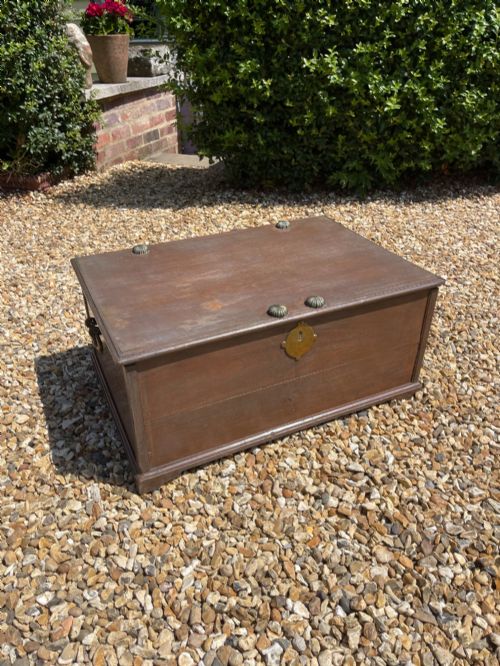
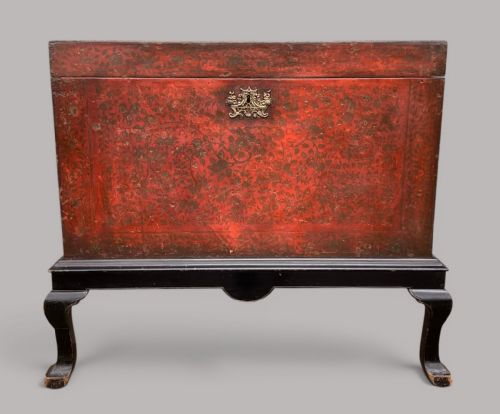
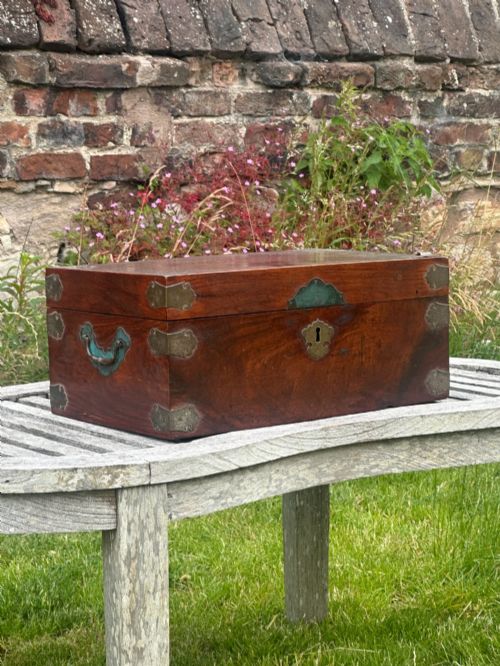
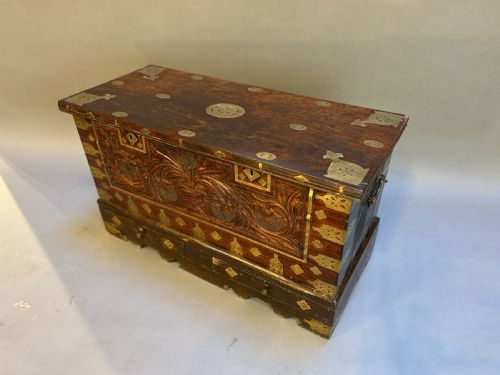
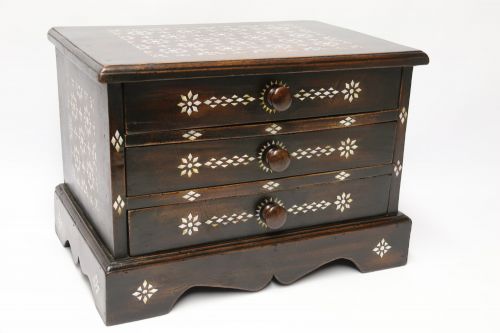
When you search for an anglo indian box, you encounter objects built for travel, correspondence, and safe storage made during the nineteenth century. The examples on this page span decorative caskets, writing boxes, campaign trunks, and workboxes originating from regions such as Ceylon, Sri Lanka, and Vizagapatam.
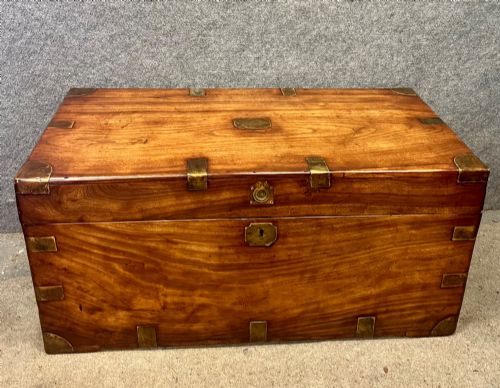
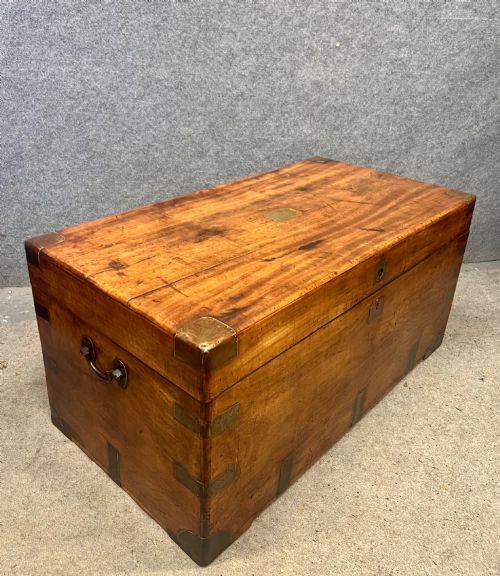
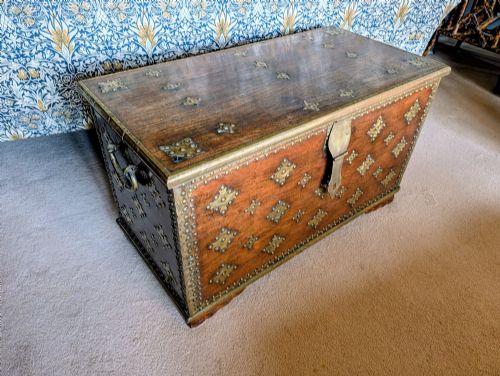
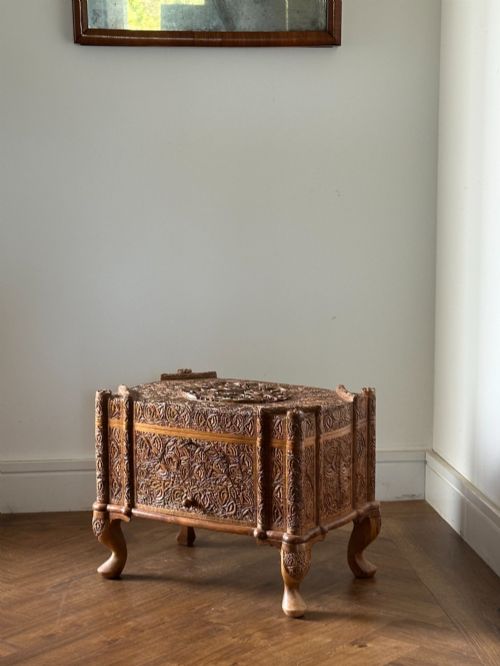
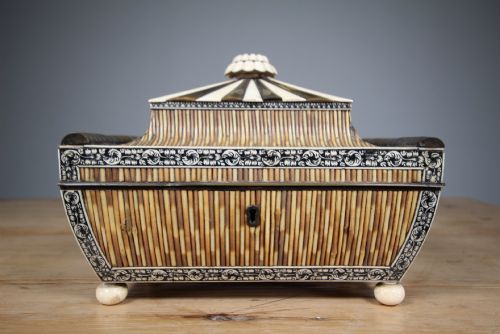
The most frequent version on this page is the nineteenth-century porcupine quill box, often combined with ebony and bone inlay. Other standard forms include brass-mounted teak campaign boxes and intricately carved sandalwood or coromandel workboxes.
These pieces reflect the intersection of British domestic habits with South Asian artisan traditions. They served colonial officers, travellers, and collectors who required portable security for letters, jewellery, and valuables.
Materials and Techniques
Constructed from dense tropical timbers such as teak, ebony, coromandel, padouk, sandalwood, and rosewood, these boxes rely on stable hardwoods that withstand varied climates. Artisans faced boards meticulously and lined interiors with finer secondary woods or velvet.
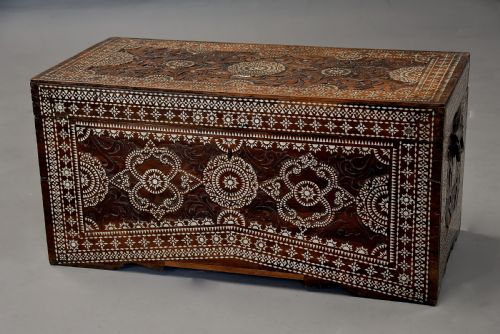
Specialised decorative techniques define the group, notably the painstaking assembly of porcupine quills banded with ebony and bone, and intricate Sadeli mosaic work employing microscopic geometric tiles of horn, ivory, and metal. Carved surfaces feature low-relief foliate motifs executed in sandalwood or walnut.
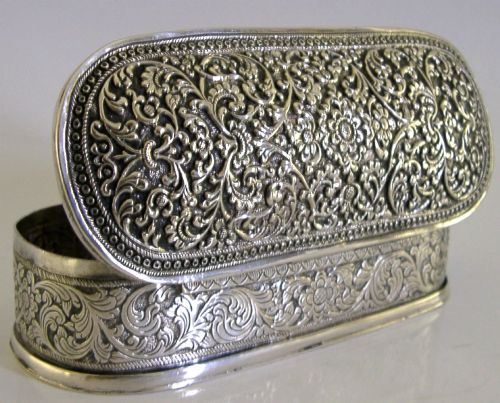
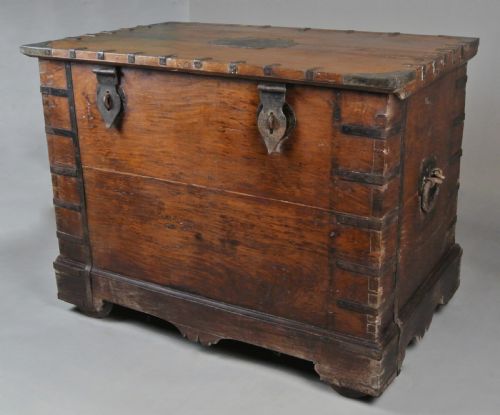
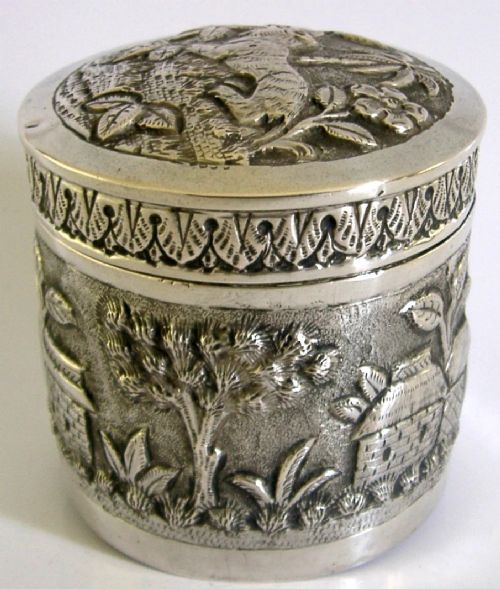
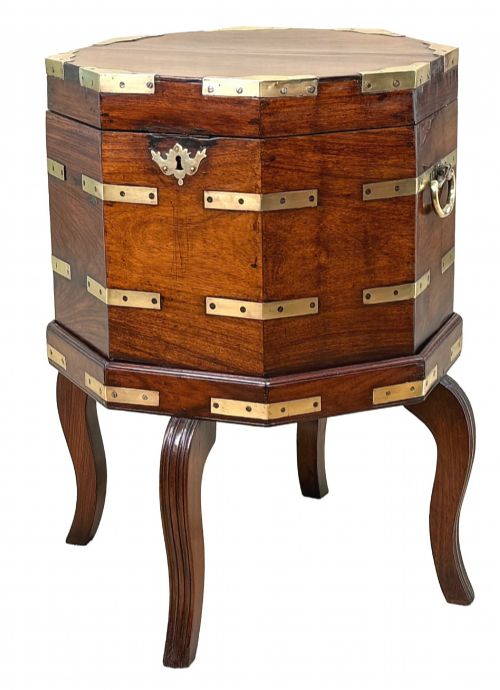
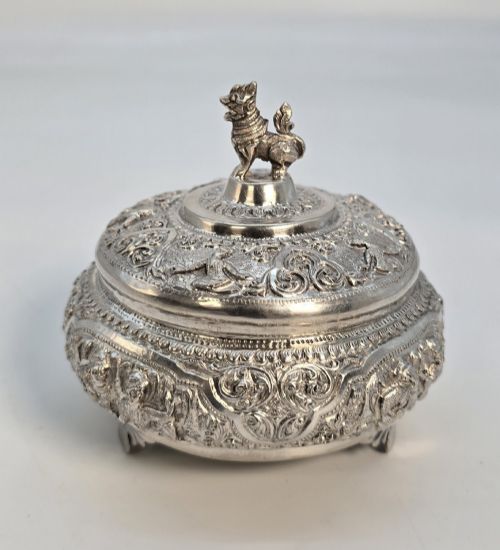
Hardware consists of brass corners, flush campaign handles, straps, and locks designed for durability during transit. Silver mounts and sterling elements appear on select presentation and cigar boxes.
Retail Price Guide 2026
Typical UK retail prices for anglo indian box, calculated from the Sellingantiques database of over a million retail prices indexed since 2003. This retail price guide relies exclusively on Sellingantiques data; no external sources or auction records are used, so the figures do not describe the wider market.
Porcupine quills double as natural toothpicks if you lose your ivory ones halfway across the Indian Ocean.
Judging Quality
The distinction between ordinary and superior examples rests on the precision of the surface decoration and the integrity of the materials. Porcupine quill boxes with intact, uniform quill arrangements and crisp bone stringing command greater respect than those with missing quills or replacement banding.
Carved boxes reveal quality in the depth and undercut of the foliage or animal figures, where sharp chisel work separates master carvers from routine production. In Sadeli mosaic pieces, the complexity of the geometric patterns and the absence of lost tiles indicate superior workshop output.
Structural joinery and original brass mounts also separate standard utility items from luxury campaign pieces. Dovetailed carcases that retain their original working locks, keys, and fitted velvet interiors represent the upper tier of surviving examples.
The Anglo Indian Box Glossary
- Porcupine quill
- A natural material harvested from porcupines, used in alternating rows with ebony and bone on nineteenth-century Ceylonese boxes. It requires careful cleaning and stable humidity to prevent splitting.
- Sadeli mosaic
- A complex micro-mosaic technique native to Western India, featuring geometric patterns built from tiny slivers of horn, ivory, pewter, and coloured woods. It decorates the surfaces of luxury workboxes and trinket caskets.
- Campaign box
- A sturdy portable chest or writing desk designed for British military officers on colonial postings. These pieces feature recessed brass handles, reinforced corners, and robust teak or camphor wood carcases.
- Coromandel wood
- A heavy, durable timber derived from Diospyros species, featuring dark brown stripes against a lighter background. It provides a striking, polished exterior for high-status nineteenth-century writing boxes.
Frequently Asked Questions
What is an anglo indian box?
An anglo indian box is a nineteenth-century decorative or utilitarian container manufactured in South Asia for British colonial officials and the export market. These objects combine indigenous materials like porcupine quill and sandalwood with British furniture forms.
They encompass writing desks, sewing boxes, tea caddies, and campaign trunks. Each piece demonstrates the fusion of local artisan techniques with European functional requirements.
How do I date an anglo indian box?
Dating relies primarily on the style of construction, the hardware used, and recorded exhibition periods. Most surviving examples date from the nineteenth century, particularly the Victorian era and the Regency period.
Campaign boxes with flush brass mounts often point to the middle and late nineteenth century. Quill and ivory boxes generally align with the height of British trade in Ceylon and Vizagapatam during the same timeframe.
How were campaign boxes used?
Campaign boxes served British officers and administrators who travelled frequently across the colonies. They provided secure storage for documents, writing materials, and personal valuables during transit.
The sturdy teak construction and recessed brass handles protected the contents from rough handling and moisture. Many opened out into writing slopes or contained fitted compartments for inkwells and stationery.
How do I care for porcupine quill?
Porcupine quill boxes require stable indoor humidity and protection from direct sunlight to prevent the quills from drying and splitting. Dust them gently with a soft, dry brush rather than liquid cleaners.
Handling the box by its solid wooden frame rather than protruding decorative elements preserves the fragile quill work. Regular light waxing of the surrounding ebony keeps the timber nourished.