
Brass Inlaid Chest
A brass inlaid chest unites functional timber storage with precision metalwork, spanning intimate tea caddies and grand campaign drawers.
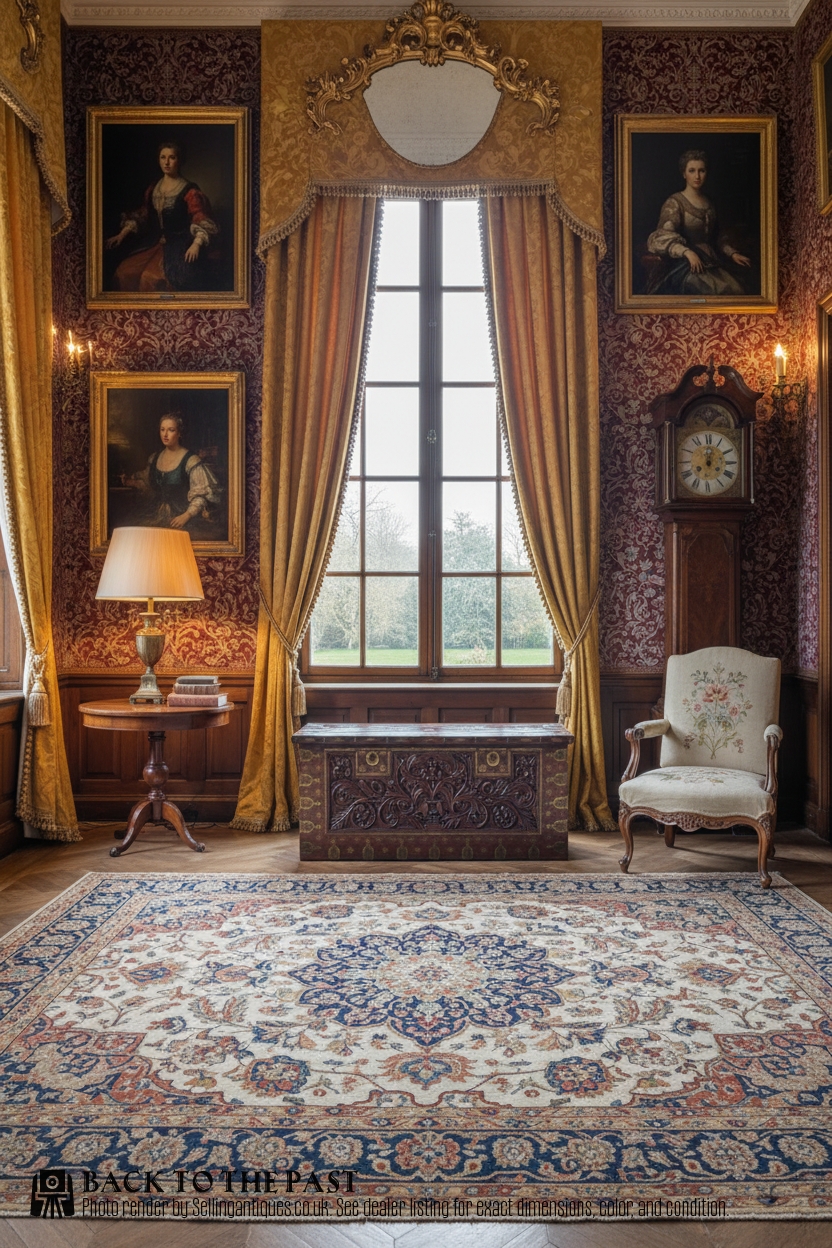
Brass Inlaid Chest
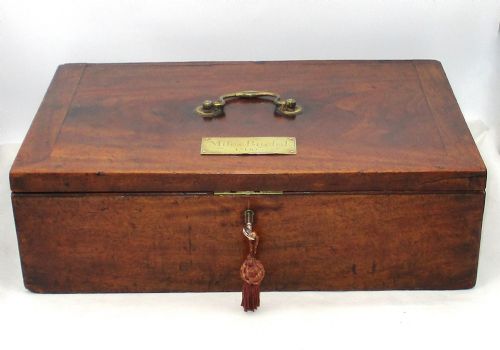
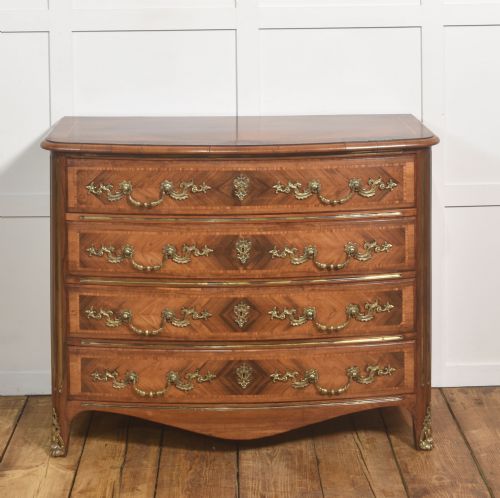
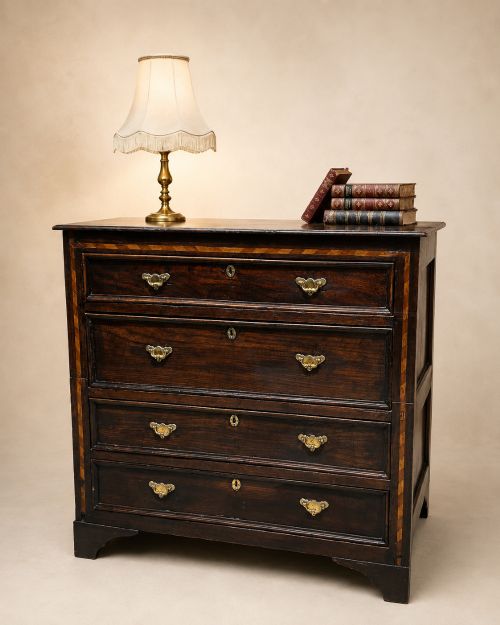
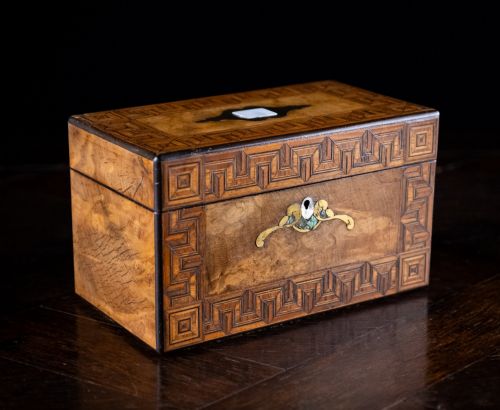
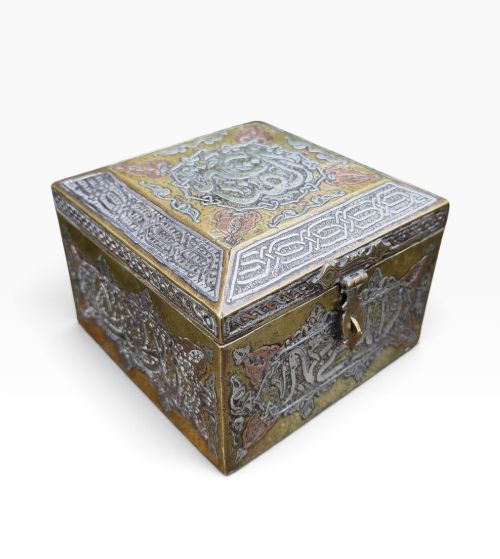
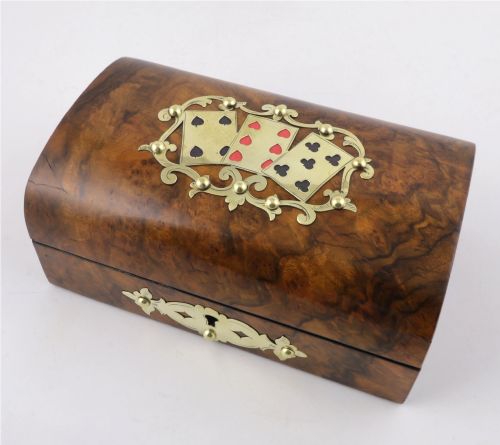
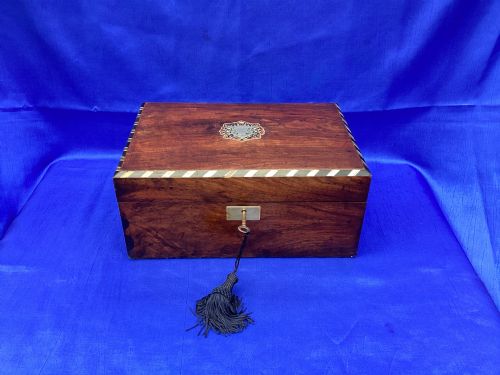
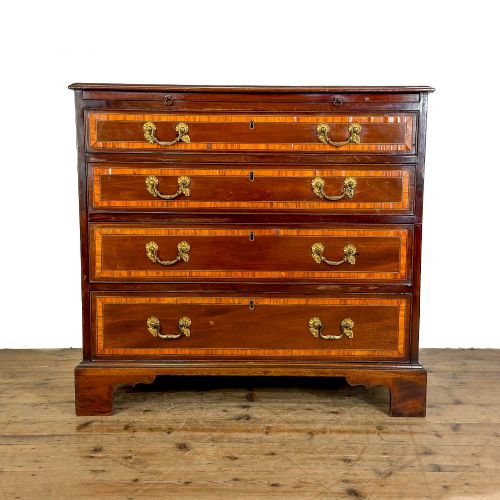
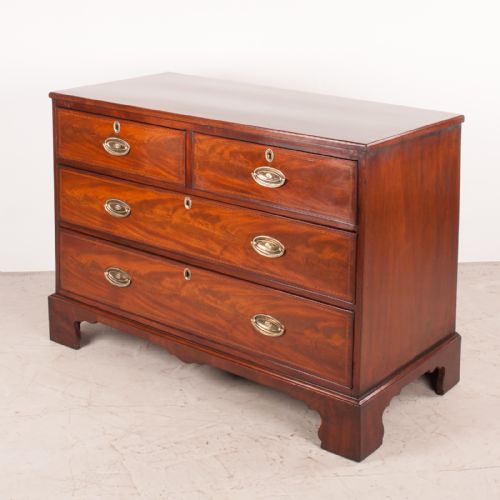
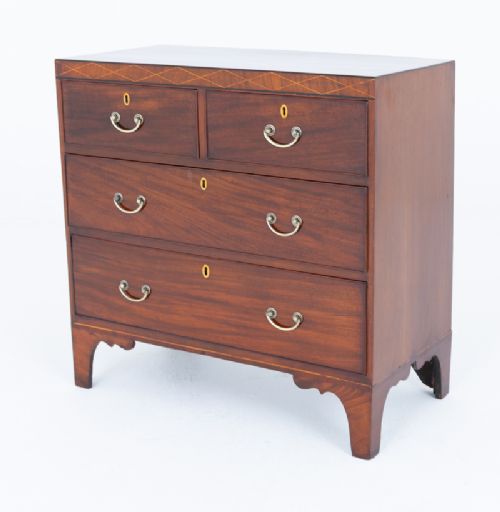
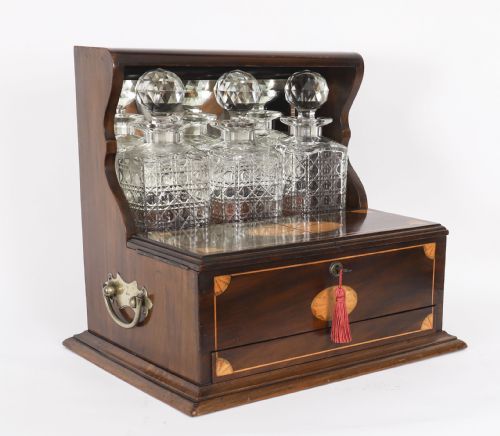
A brass inlaid chest encompasses a broad spectrum of timber containers designed to secure valuables, linens, or documents, with brass wire and sheet metal set directly into the wooden surface. These pieces range from substantial Regency and Georgian chests of drawers to compact Victorian tea caddies, jewellery boxes, and campaign trunks.
The materials span dense hardwoods such as mahogany, walnut, rosewood, and satinwood, frequently paired with contrasting borders of boxwood or mother-of-pearl. British and continental workshops utilised these timbers to create durable storage solutions that doubled as decorative focal points.
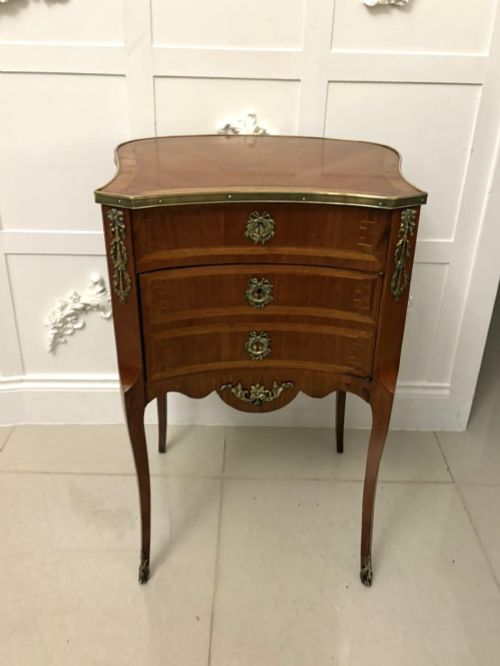
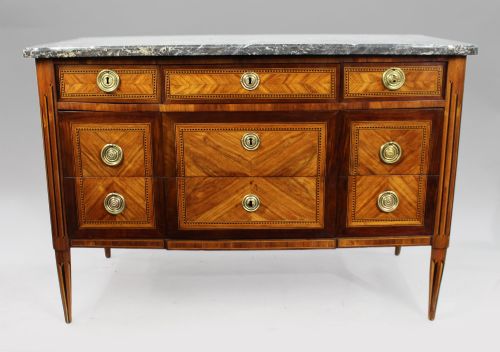
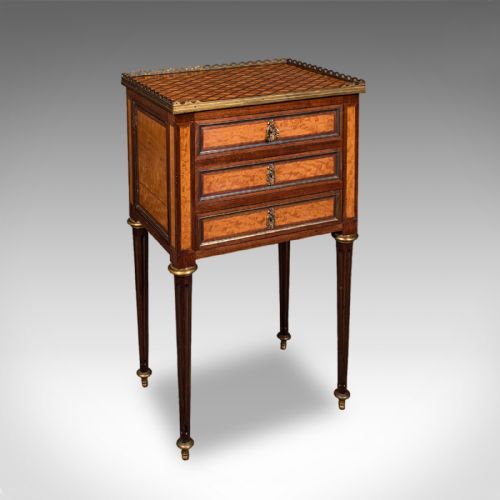
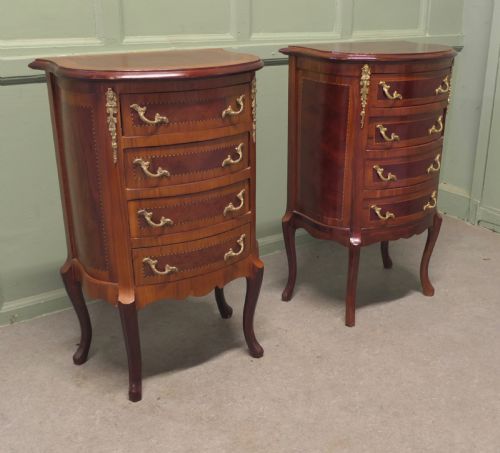
Buyers will encounter multiple regional traditions on this page, including English campaign pieces designed for travel, French commodes featuring elaborate marquetry, and heavier dowry chests. Each version employs brass inlay to accentuate the structural lines of the cabinetwork.
Materials and construction
Cabinetmakers constructed the carcase using solid woods or stable veneers over secondary timbers, cutting precise channels into the grain to receive thin strips of brass wire or shaped sheet metal. This metalwork was tapped flush into the timber surface, often accompanied by contrasting wood stringing in satinwood or boxwood to frame drawer fronts and lids.
Structural integrity relied on traditional joinery such as dovetails for drawer construction and mortise-and-tenon joints for the main frame. Surfaces were then hand-polished with wax or French polish to highlight the deep tones of mahogany, walnut, and rosewood against the bright metallic flash of the brass.
Some miniature chests intended for jewellery hide secret drawers behind dummy facades, proving that small boxes held the biggest secrets.
Judging quality and craftsmanship
The standard of a brass inlaid chest is defined by the precision of the metalwork and the selection of the timber figures. Superior examples display tightly fitted brass lines with minimal filler, while lesser pieces show wider gaps around the metal insertions where the wood has shrunk or moved over time.
Consider the harmony between the timber and the brass embellishment, as master makers balanced intricate inlay with the natural grain of flame mahogany or figured walnut rather than relying on metalwork to disguise plain wood. Original brass drop handles, escutcheons, and locks further elevate the standing of any cabinet or chest.
Edwards and Roberts·Holtzapffel and Co
The Brass Inlaid Chest Glossary
- Campaign chest
- A portable storage unit made in two or more sections for military transport, typically fitted with recessed brass handles and corner brackets to prevent damage on the march.
- Marquetry
- An elaborate decorative technique where thin veneers of various woods, metals, and shell are assembled into pictorial or geometric patterns before being glued to the carcase.
- Escutcheon
- A protective metal plate surrounding a keyhole, which on these pieces is frequently cast in brass and integrated into the surrounding inlay scheme.
- Crossbanding
- A border veneer applied around the edges of a drawer front or tabletop so that the grain runs perpendicular to the central panel, often separated from the main wood by a fine line of brass.
- Sarcophagus caddy
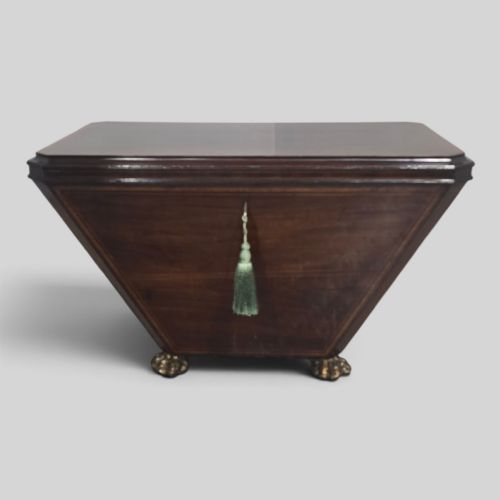
- A tea container shaped like a classical burial vault, sitting on carved feet and frequently decorated with brass lion mask handles and intricate stringing.
Brass Inlaid Chest: Frequently Asked Questions
What is a brass inlaid chest used for?
These pieces served varied domestic and travel purposes, from storing precious dry tea leaves and jewellery to housing military equipment or clothing. Smaller caddies and boxes kept valuables secure on a table, while larger carcases organised garments in the bedroom.
Today, they adapt easily to modern interiors as bedside cabinets, coffee table alternatives, or standalone statement storage. Their robust timber construction ensures they remain entirely practical for holding everyday items.
How do I date a brass inlaid chest?
Dating relies on observing the cabinet timber, the style of the feet, and the complexity of the brasswork. Georgian and Regency pieces favour clean architectural lines in mahogany and rosewood, whereas Victorian versions often incorporate heavier moulding and eclectic revival styles.
Examining the drawer construction and interior linings provides further clues to the decade of manufacture. Hand-cut dovetails and original locks correspond to specific periods of British and European cabinetmaking.
Are brass inlaid chests fragile?
While built from durable hardwoods, the combination of wood and metal requires stable environmental conditions. Extreme shifts in central heating can cause timber to expand or contract, which occasionally loosens the delicate brass wire embedded in the surface.
Routine care involves dusting with a soft cloth and applying a microcrystalline wax to nourish the wood. Keeping the pieces away from direct sunlight preserves the rich colour of the rosewood and mahogany.
How do I distinguish regional styles?
British pieces typically emphasise structural restraint, utilising linear brass stringing to accent mahogany or satinwood grain. Continental examples, particularly from French workshops, lean towards elaborate parquetry, serpentine fronts, and floral marquetry.
Campaign items feature utilitarian brass corners and flush handles designed for travel, marking them out clearly from static domestic furniture. Comparing the overall silhouette helps identify the origin of the workshop.