
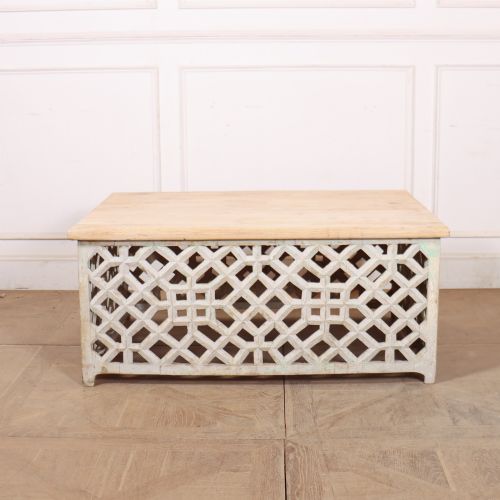
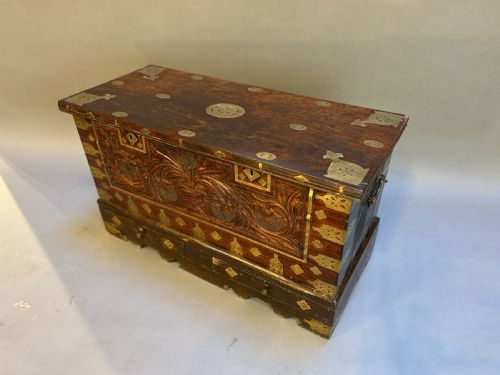
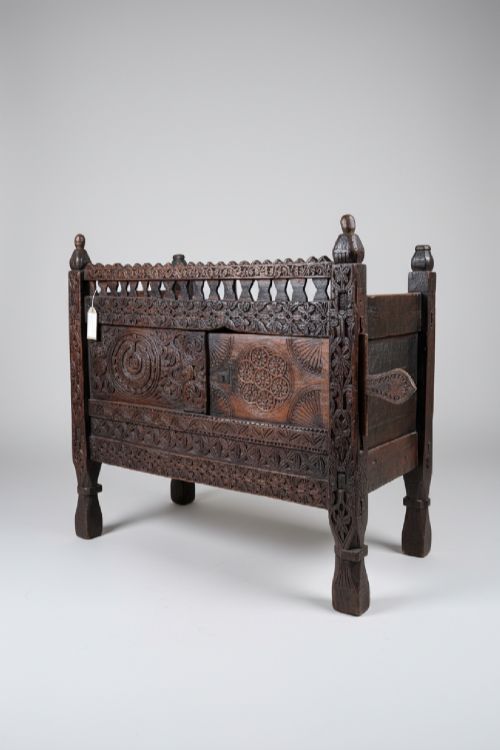

Antique Indian Trunk
An antique Indian trunk is a heavy timber storage piece built for travel or household wealth, prized for rich wood and metal mounts.
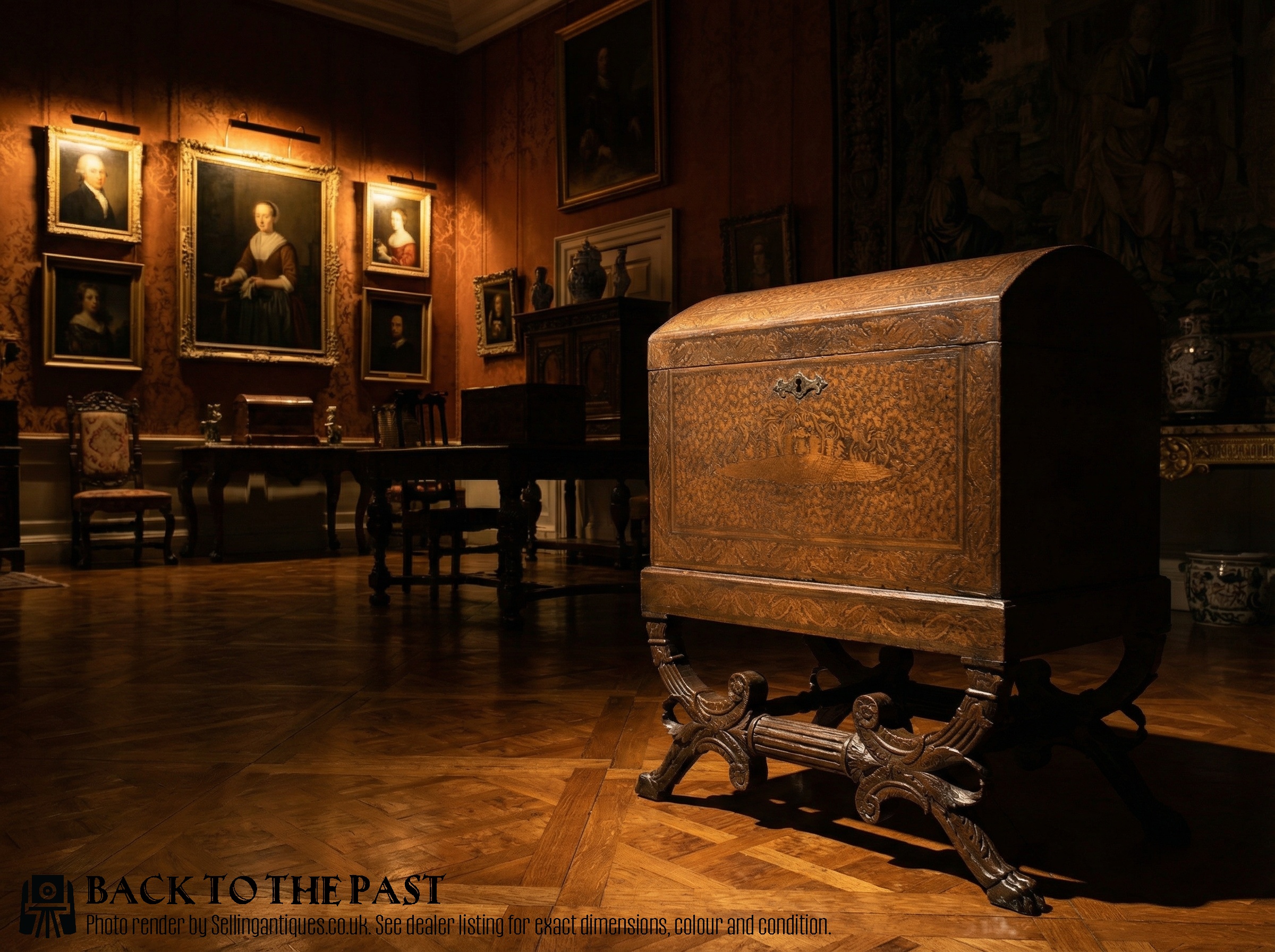
Antique Indian Trunk
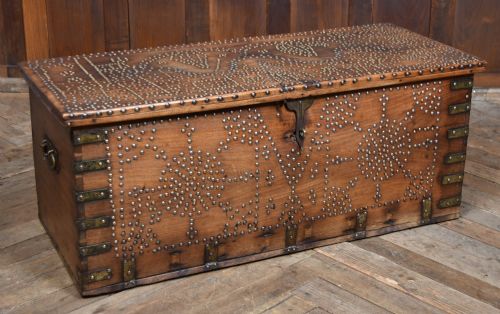
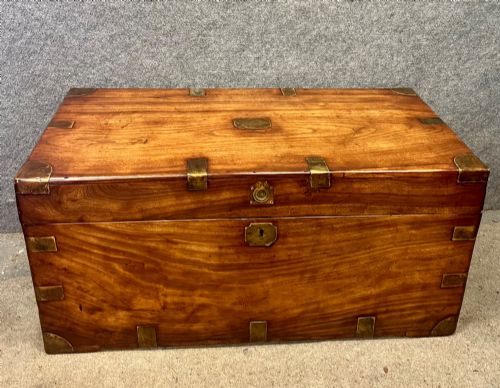
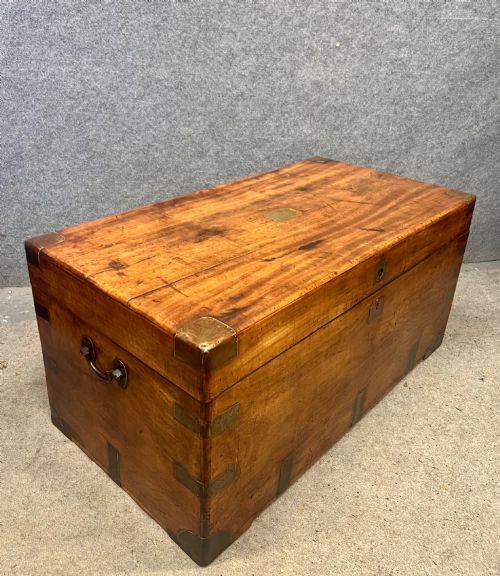
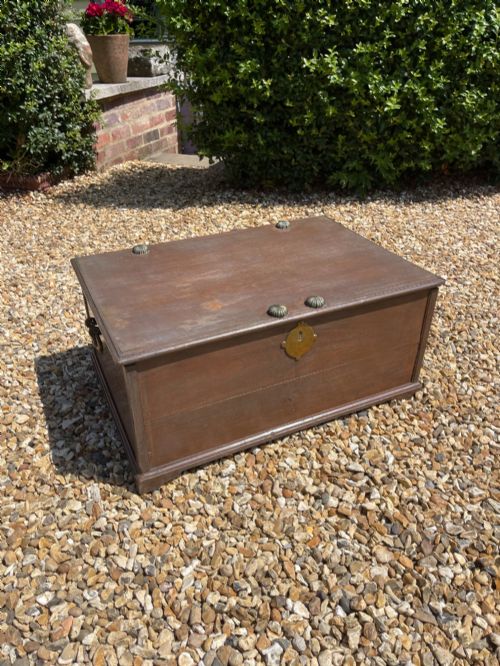
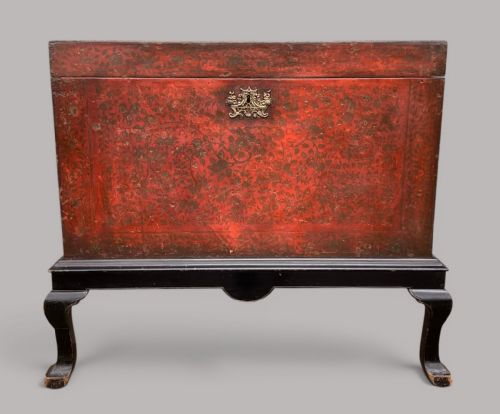
When you search for an antique Indian trunk, you examine heavy timber storage containers built for travel, domestic use, or marriage dowries. The pieces on this page span the nineteenth century and the early twentieth century, taking forms such as campaign chests, blanket boxes, and dowry coffers.
You will frequently meet teak, camphor wood, and padouk examples styled in Anglo-Indian, Victorian campaign, or traditional regional designs. These functional containers served merchants, military officers, and households, adapting solid timbers for secure transport and long storage.
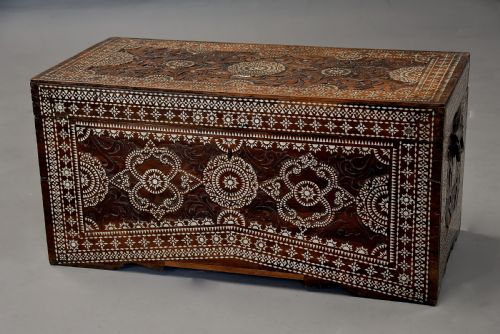
Regional variations appear across the selection, including dowry chests from the Swat Valley or Rajasthan alongside heavily brass-bound Zanzibar models. Each variant reflects the specific utility of its origin, from portable deed boxes to monumental wedding furniture.

How they were made
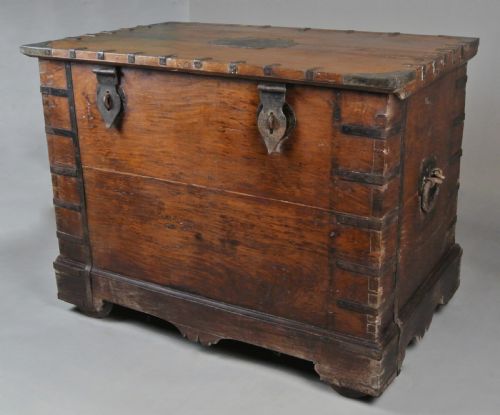
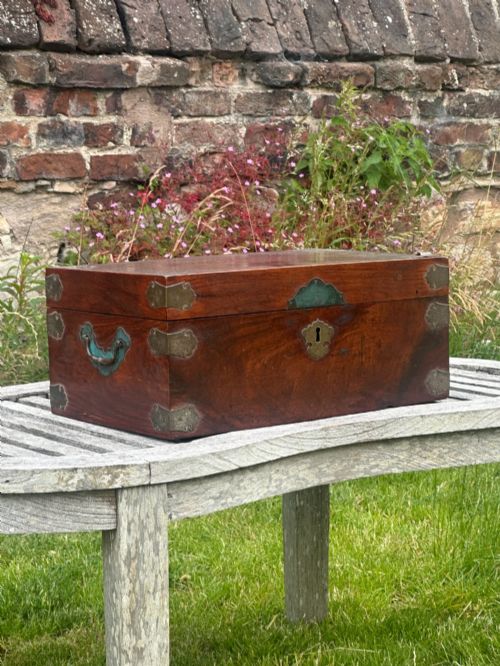
Carpenters constructed these trunks from dense tropical hardwoods such as teak, padouk, and camphor wood, selected for durability and resistance to insects. Iron and brass straps, corner brackets, and heavy lock plates were fastened across the timber to reinforce the structure against the strains of long journeys.
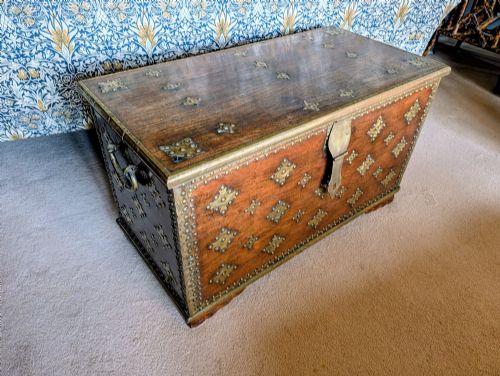
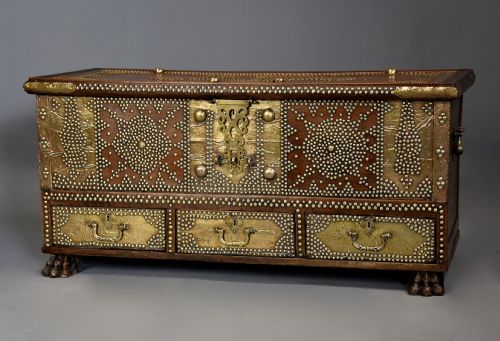
Many examples incorporate decorative details alongside structural metalwork, utilising brass studding, bone inlay, and carved wooden panels. Handles and hinges were cast and fitted by hand, ensuring that the heavy lids and drop-sides remained secure during transit.
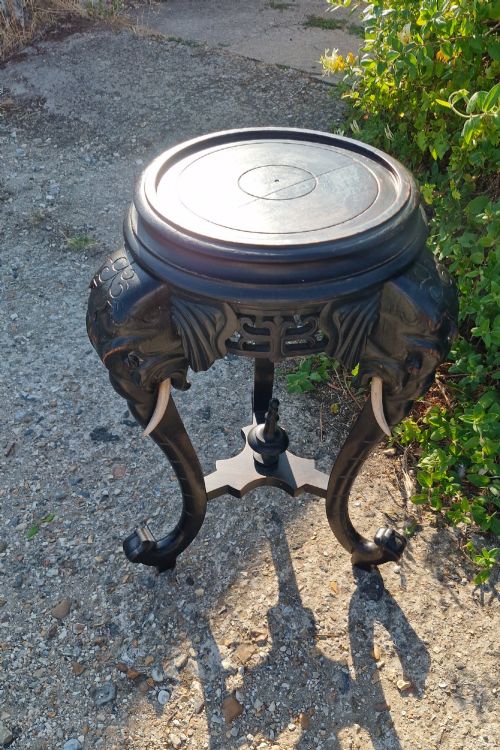
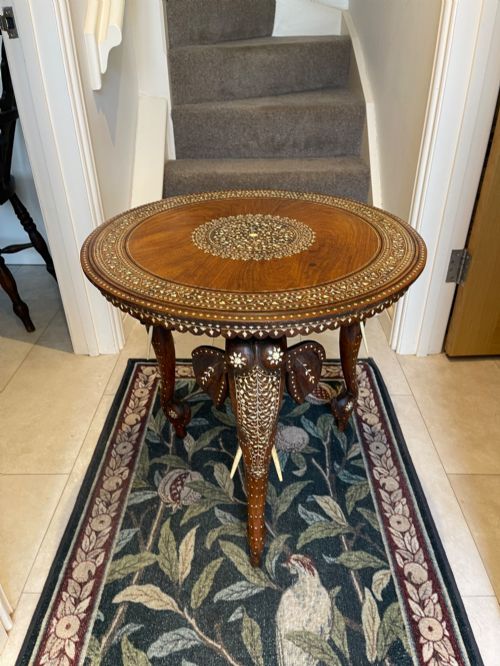
Several elephant tables in the selection feature painted wooden tusks alongside their brass and hardwood storage forms.
What varies in quality
Quality rests upon the selection of timber, the integrity of the original joinery, and the weight of the metal hardware. Heavy padouk or teak combined with substantial brass binding and working locks marks out the sturdier specimens.
The fineness of hand-carved panels, intricate bone inlay, and intact original surface finishes distinguish simpler utility containers from decorative reception pieces. Complete sets of recessed carrying handles and original internal compartments further elevate the standard of a trunk.
The Antique Indian Trunk Glossary
- Campaign chest
- A portable storage box made in sections with recessed brass handles for military transport. These chests split apart to ease movement on campaigns.
- Dowry chest
- A large storage container commissioned for a bride's household goods and textiles. Such pieces often display regional carvings or heavy metal banding.
- Zanzibar chest
- A heavy hardwood trunk featuring intricate brass studding and strapwork, linked to trade routes between India and East Africa. They were traditionally used by merchants to store valuables.
- Padouk
- A heavy, dense tropical timber with a reddish hue used for fine furniture and blanket boxes. It polishes to a deep lustre.
- Camphor wood
- An aromatic hardwood utilised for campaign and storage trunks to protect textiles from insects. The distinctive scent remains perceptible decades later.
Antique Indian Trunk: Frequently Asked Questions
How were antique Indian trunks used?
These trunks served multiple purposes, from military transport on campaign trails to the storage of household textiles and wedding dowries.
Merchants also utilised heavy brass-bound chests to secure valuable goods during long sea and land journeys.
What woods are common in these trunks?
Teak, camphor wood, and padouk form the primary structural timbers across the selection, valued for their density and durability.
Secondary woods and decorative elements occasionally incorporate ebony, satinwood, and hardwood with bone inlay.
How do I date an Indian trunk?
Dating relies on construction methods, timber choice, and the style of the brass or iron hardware.
Nineteenth-century examples often feature campaign mounts or traditional dowry carvings, while later pieces show early twentieth-century decorative influences.
How do I care for camphor wood?
Keep the timber away from direct heat sources and sudden humidity changes to prevent the wood from splitting.
Dust the surface gently with a dry cloth and avoid harsh chemical polishes that can damage the antique finish.