
Colonial Indian Chest
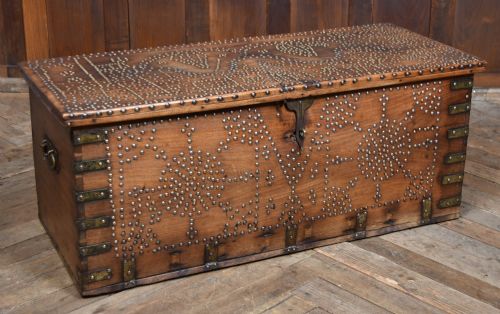
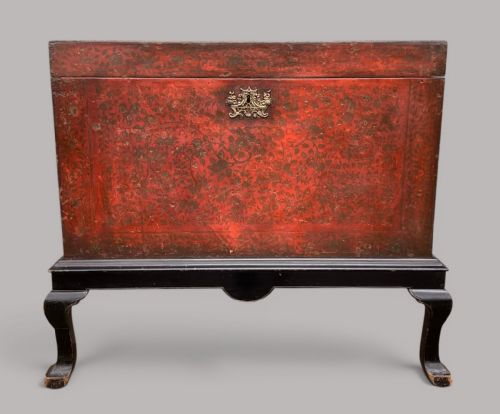
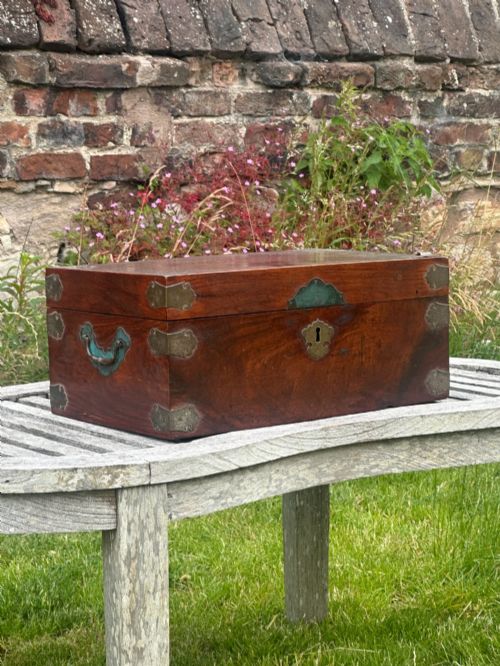
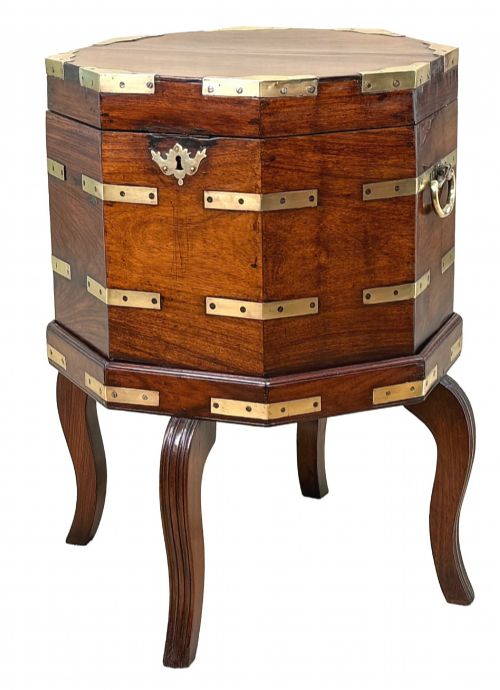
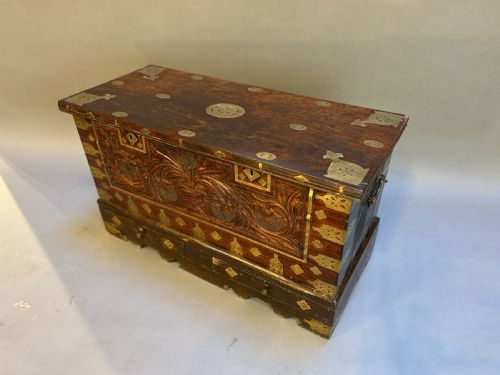
A colonial indian chest brings dense hardwoods and heavy brass mounts together into a durable piece of furniture built for travel and storage.
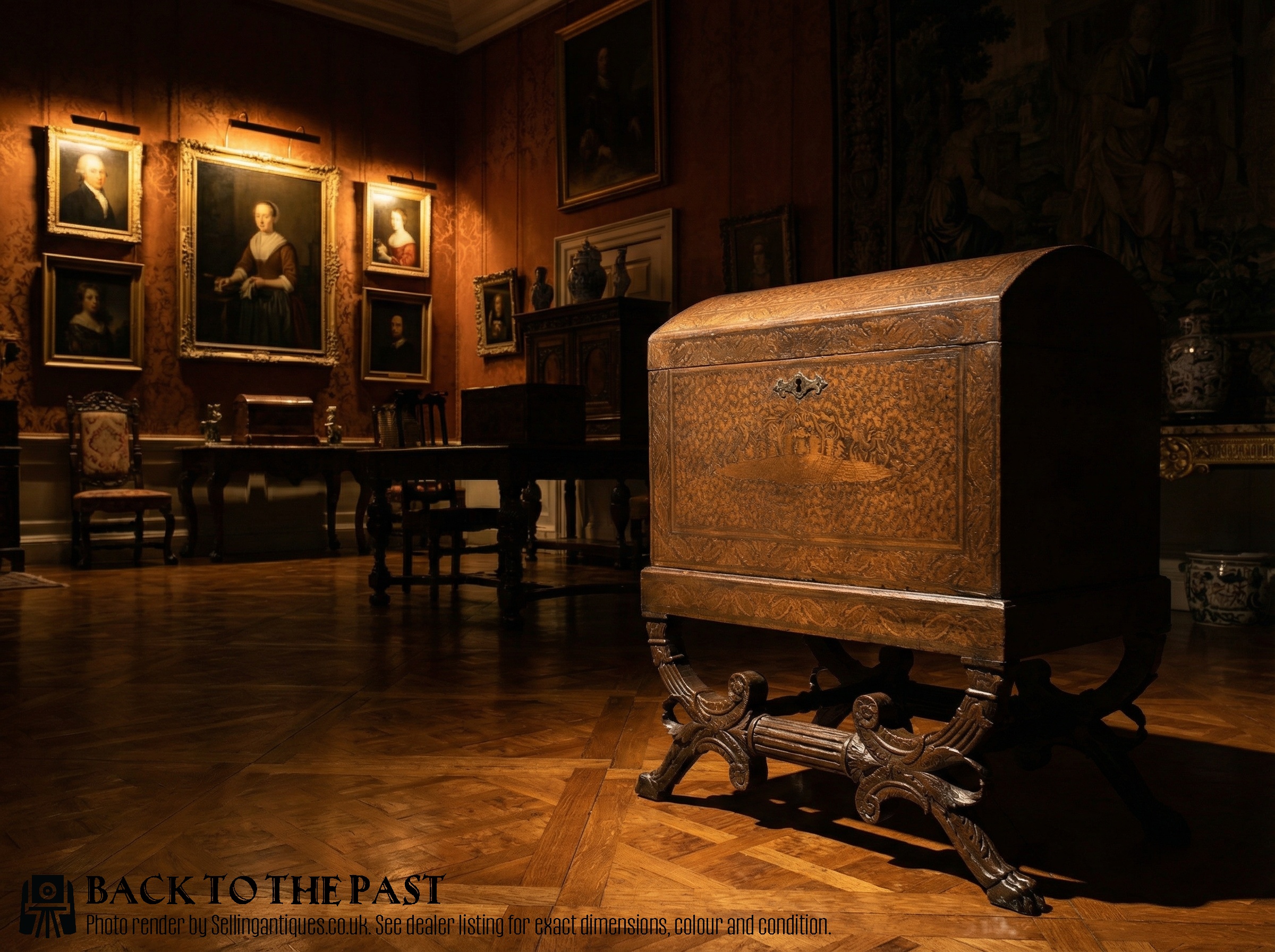
Colonial Indian Chest
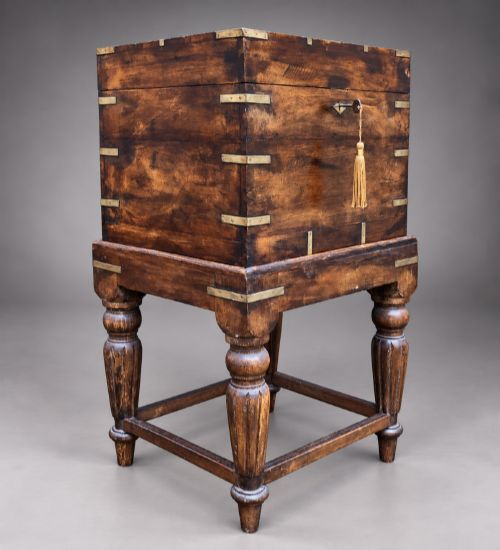
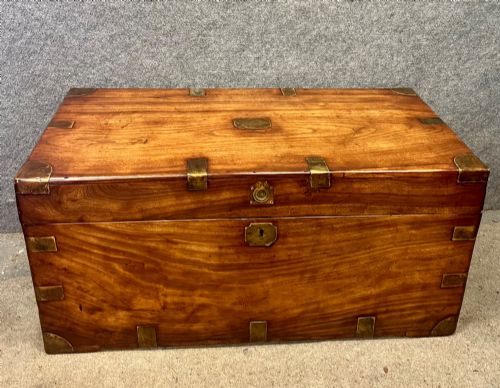
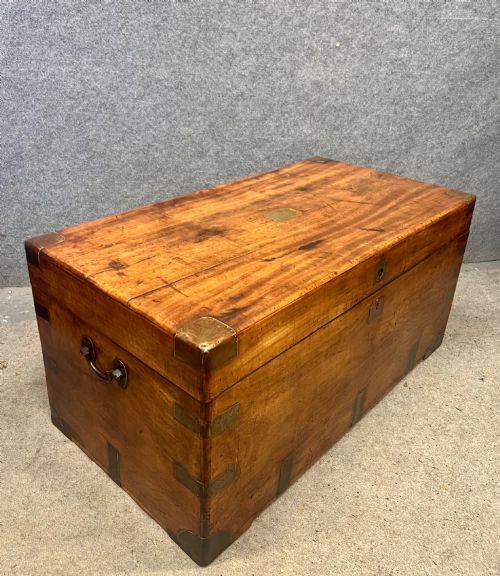
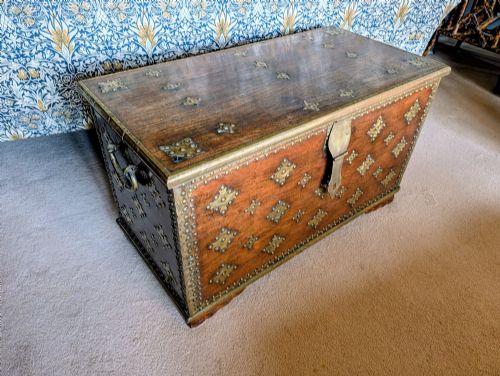
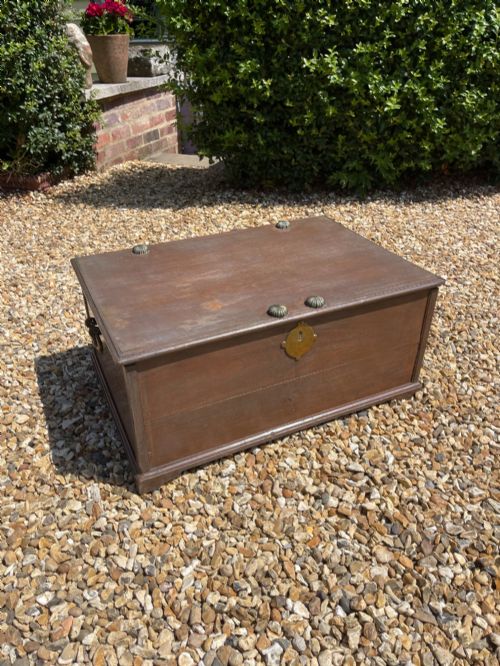
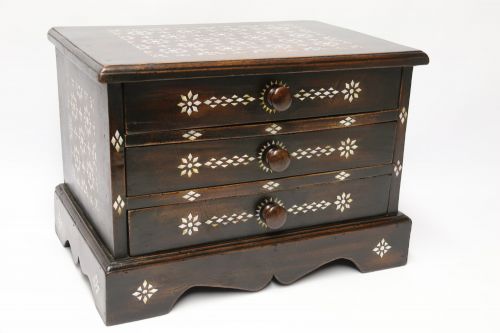
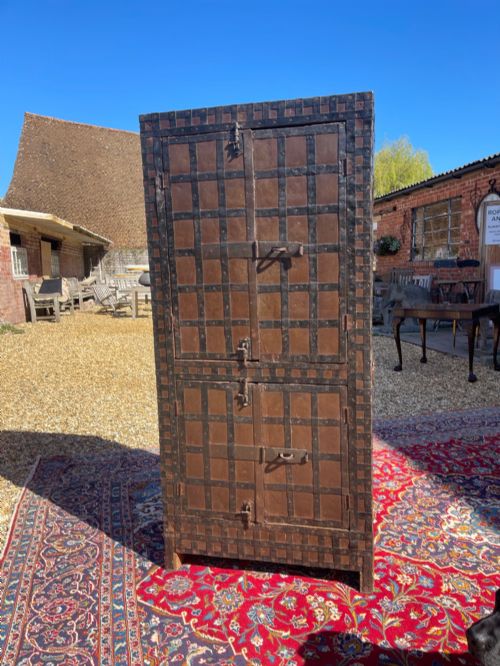
A colonial indian chest covers a wide variety of storage forms, from large brass-bound campaign trunks and blanket boxes to smaller writing boxes and spice cabinets. You will frequently encounter heavy teak and padouk campaign chests alongside camphor wood trunks designed to protect contents from insects.
The pieces span the eighteenth, nineteenth, and early twentieth centuries, reflecting the periods of British presence in the region. Makers constructed these items for military officers, merchants, and administrators who needed furniture that survived long journeys by land and sea.
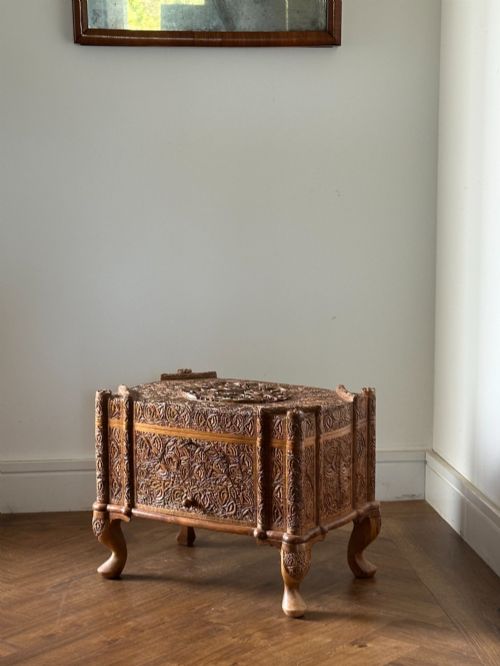
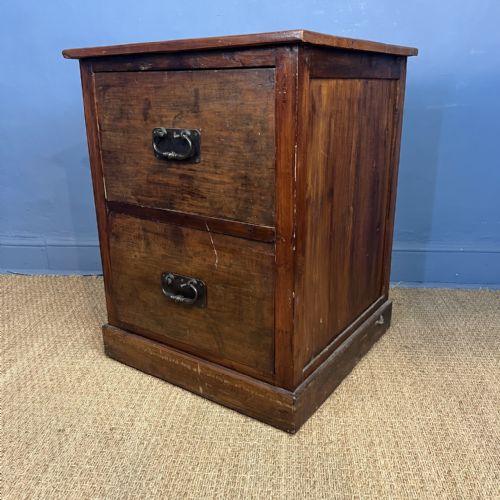
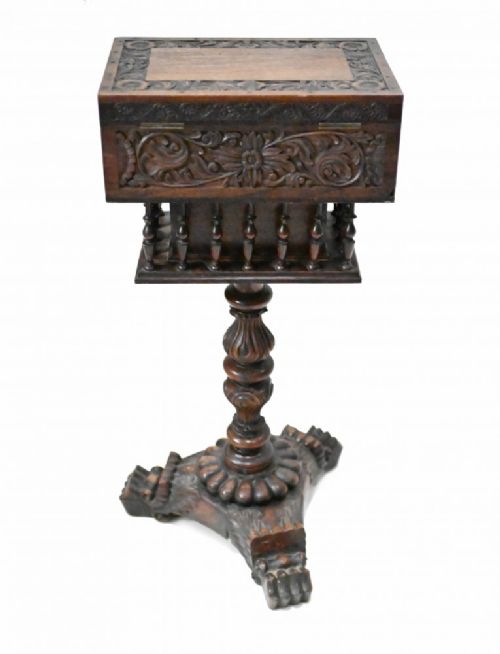
While many examples follow utilitarian campaign designs with recessed brass handles, others feature intricate hand-carved details in sandalwood or ebony. These diverse domestic and travel forms share a robust construction intended for constant relocation.
Materials and construction
Carpenters built these boxes and chests using durable tropical hardwoods such as teak, padouk, camphor wood, and ebony. These dense timbers resisted humidity and heavy handling, often finished with polished surfaces that highlighted the natural grain.
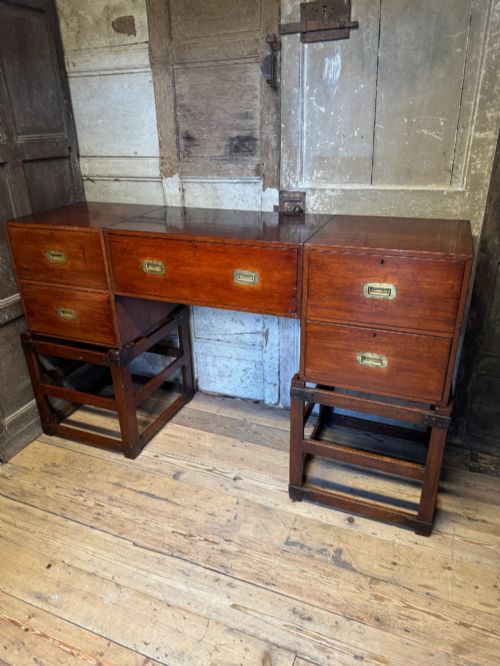
Brass straps, corner brackets, and flush-fitting inset handles reinforced the structural joints while protecting the edges from impacts during transport. Many campaign examples divided into two separate modular sections to ease loading onto ships and carriages.
Camphor wood chests retain their distinct herbal aroma after two centuries to outsmart tropical moths.
Craftsmanship and hardware
The standard of a piece depends heavily on the precision of the joinery and the weight of the brass hardware. Superior examples feature dovetail joints that remain tight and drawers that slide smoothly despite historical humidity changes.
Decoration also dictates distinction, ranging from plain functional surfaces with simple strapwork to elaborately carved panels and inlaid ivory or lighter woods. Original locks, keys, and untouched patination elevate the standing of any survival.
The Colonial Indian Chest Glossary
- Campaign chest
- A modular chest of drawers built in two or more sections with recessed brass handles and corner brackets designed for easy transport by military officers.
- Cellarette
- A lockable container or cabinet originally used for storing bottles of wine and spirits safely during travel or dining.
- Camphor wood
- A fragrant tropical wood utilised for trunks because its natural scent deters moths and other insects from damaging stored textiles.
- Padouk
- A heavy, dense reddish-brown hardwood sourced from tropical regions and frequently selected for durable nineteenth-century furniture.
- Teak
- A weather-resistant hardwood native to South and Southeast Asia known for its oily grain and exceptional structural stability.
Colonial Indian Chest: Frequently Asked Questions
What is a colonial indian chest?
A colonial indian chest is a durable storage piece made from dense hardwoods like teak or padouk during the eighteenth and nineteenth centuries. These items served travellers, military officers, and merchants.
Many feature protective brass bindings and modular designs that allowed them to be easily packed and transported across long distances by ship or carriage.
How were campaign chests used?
Campaign chests functioned as portable wardrobes and desks for British officers and administrators stationed abroad. They kept uniforms, documents, and personal belongings organised on the move.
The sectional design allowed a large chest to be separated into two manageable boxes for loading onto pack animals or wagons.
How do I care for hardwood furniture?
Maintain these tropical hardwoods by keeping them away from direct heat sources and sudden humidity shifts that can cause timber to split. Dust regularly with a dry cloth and occasionally apply appropriate wax.
Avoid using modern liquid polishes that can build up a residue and dull the natural patina of old padouk or teak surfaces.
How can I tell the age of a chest?
Dating relies on examining construction methods, timber choices, and brass hardware styles. Earlier eighteenth-century examples often display hand-cut dovetails and simpler iron or brass mounts.
Victorian and later nineteenth-century pieces typically incorporate standardised brass hardware, flush handles, and sometimes sectional campaign stacking systems.